
ENGLISH VERSION BELOW: PLEASE, SCROLL DOWN!
L’ottavo album in studio dei The Danse Society, “The Loop”, pubblicato il 15 marzo 2024, presenta una band nel pieno della sua creatività e capace di supeare le barriere dei generi. Con noi la coppia creativa, e non solo, Maethelyiah – Paul Nash.
Bentornati su Il Raglio del Mulo, dove siete in questo momento, Inghilterra o Italia?
Maeth: Ciao, grazie. Siamo a Scarborough, nel nord est dell’Inghilterra ma abbiamo un pezzettino d’Italia qui con noi perché sono italiana.
Paul: Nella fredda Inghilterra sulla bellissima costa orientale.
La nostra ultima intervista risale al 2020, anno in cui è stato pubblicato “Sailing Mirrors”. Siete ancora soddisfatti di quell’album?
Maeth: Ricordo. Fai così tanto per la musica indipendente, più di quanto potresti pensare. Sono molto felice, come ogni lavoro, è un lavoro di squadra che onoriamo sempre, inclusa la copertina dell’artista italiana Alessandra Centi.
Paul: Sì, molto soddisfatto, per me ha alcuni brani fantastici che sono sia complessi, come la title track, che sperimentali come “Hiding in Plain View”, così come alcuni pezzi più standard TDS come “Danse Away” e “Valerio’s Theme”. Mi è piaciuto molto l’artwork e sono molto soddisfatto del suono dell’album in generale, tuttavia ci è voluto molto tempo per produrlo, ma poi le cose buone arrivano per chi sa aspettare.
Vi ho chiesto se siete ancora soddisfatti di quell’album, perché nonostante l’abbia apprezzato, ritengo “The Loop” di gran lunga superiore al suo predecessore: lo pensate anche voi?
Maeth: Dipende dalle prospettive. Nel complesso sono d’accordo con te perché tutti evolviamo e cresciamo, non importa quanti anni abbiamo ed esperienza, siamo ancora un lavoro in corso. Non mi piace fare paragoni tra i membri della band perché ognuno porta un contributo immenso ma sì, trovo il suono più maturo e adoro le nuove influenze death jazz della batteria portate dal batterista Dylan senza sminuire il fantastico talento del precedente batterista Tom (RIP). Anche il tastierista Steve suona più anni ’80 come facevano Lyndon e David, senza dimenticare quanto fosse bravo anche Sam. Ho usato anche registri vocali diversi e ho approcciato uno stile più grezzo. Anche i giovani ospiti hanno portato una ventata di novità incredibile. Non potrei essere più umile e orgogliosa, onestamente.
Paul: Sono passati tre anni, con una formazione rinnovata e un’ulteriore evoluzione del nostro viaggio, personalmente penso sempre che il nostro ultimo lavoro sia il migliore, ma questo si attenua con l’età e guardando indietro mi piacciono ancora tutti i nostri album precedenti. Per me un disco è rappresentativo di dove ci troviamo in un particolare momento nel tempo e “The Loop” è The Danse Society in questo momento, mentre iniziamo la creazione della nostra prossima uscita, sono sicuro che ci sarà un’ulteriore evoluzione con argomenti, sonorità e suoni diversi. Non ci piace ripeterci, sperimentiamo e cresciamo e speriamo che i nostri sostenitori lo apprezzino e si godano il viaggio al nostro fianco. Sappiamo che non tutti lo faranno, alcune persone continuano ad aggrapparsi (perdonate il gioco di parole) ai dischi degli anni ’80 e dicono che i lavori che abbiamo pubblicato da allora “non sono” The Danse Society, ma anche negli anni ’80 il percorso fatto da “The Seduction” a “Say It Again” o “Hold on to What You’ve Got” è enorme, quindi dico sempre “cosa pensi che siano i The Danse Society?” siamo solo un album o solo una traccia… sono molto contento di “The Loop”, in questo momento penso che sia il nostro miglior lavoro, la scrittura, gli arrangiamenti, l’esecuzione e la produzione sono più o meno come volevo, quindi sì! Comunque… aspettiamo il prossimo!
E’ un disco che cresce man mano che lo ascolti, probabilmente ha un’anima progressive. Oggi vi sentite più un gruppo goth/darkwawe o prog?
Maeth: C’è un po’ di goth in tutti gli album dei The Danse Society. Ogni membro della band porta con sé le proprie influenze e poiché proveniamo tutti da generazioni diverse la gamma è molto più ampia che se fossimo tutti della stessa età. Il fatto è che il goth non è più quello di una volta. Il goth originario è uscito dal post punk e ne è stato fortemente influenzati, mentre il goth moderno è più elettronico, cyber, con echi del post punk originario. Quindi c’era più goth all’inizio piuttosto che adesso. Ognuno di noi ha un passato prog e alcuni di noi ne hanno uno goth. Penso che le sfumature tra gli stili arricchiscano il suono perché lo tengono sempre fuori dai binari.
Paul: Sono felice che tu l’abbia ascoltato più volte, penso che sia avvolgente, è stato progettato volutamente in quel modo con molti strati e significati nascosti, non mi piacciono gli album di cui ti annoi dopo il secondo ascolto. O anche quelli che puoi facilmente etichettare. Quindi per me mettere un’etichetta sui TDS è difficile, non vogliamo inserirci in nessuna gabbia. Quando dici goth penso a band come i Sisters e i loro tanti cloni… noiosi, anche se non posso negare che abbiamo del dark in noi, allo stesso modo abbiamo influenze prog, è la musica con cui sono cresciuto, così è normale che affiori nel mio contributo, ma la bellezza di scrivere come band è che ognuno ha influenze diverse e che tutto viene fuori nel mix, tutte le canzoni sono diverse ma spero che mantengano ancora il caratteristico suono TDS. In una canzone potresti notare un’influenza dei King Crimson, in un’altra dei Joy Division, “Shake Shake” ha l’evidente influenza di Morricone, ad esempio, ma lascerò a te trovare le altre.
Dylan Riley (batteria) e Steve Dickinson (tastiere) hanno fatto il loro debutto in questo album, qual è stato il loro contributo alla composizione delle canzoni?
Maeth: Contributo immenso. Sono entrambi eccellenti nel songwriting e negli arrangiamenti. Nonostante appartengano a due generazioni completamente diverse, sono entrambi incredibilmente professionali e anche ottimi compagni di squadra. La maggior parte dell’idee delle nuove canzoni è venuta da Paul, ma il modo in cui abbiamo lavorato tutti insieme è stato veramente semplice. Dylan ha anche scritto le parti degli archi insieme a Paul. Sono quasi morta quando Steve ha tirato fuori la sua keytar. Sento che questa è una formazione che si amalgama al 100%.
Paul: Mentre scriviamo insieme ognuno aggiunge i propri contributi e poi ordiniamo e filtriamo per creare una versione finale, spesso fornisco la scintilla iniziale e poi vedo dove va. Adoro lavorare con il resto della band, è una grande emozione quando una canzone prende forma, un processo che amo. Steve e Dylan hanno portato le proprie capacità e influenze e come grandi musicisti e songwriter, è stato un vero piacere.
Per questo album non sono state utilizzate click track, sequenze programmate o auto-tune, perché avete deciso di registrare dal vivo?
Maeth: Beh, comunque non abbiamo mai usato l’auto-tune. Ci vuole un certo grado di ipocrisia per farlo, dato che gli studi di registrazione ti danno comunque la possibilità di registrare sugli errori. Ho adorato quando discutevamo se registrare le tracce con il clic ecc. oppure no e Dylan ha detto subito di no. Devo ammettere che si è rivelata un’ottima idea perché i clic possono darti più precisione ma tolgono improvvisazione e istinto. Naturalmente i cori e gli strumenti aggiuntivi sono stati registrati in seguito, ma l’intero nucleo è in presa diretta, orgogliosamente dal vivo.
Paul: Per me i dischi migliori sono stati realizzati prima che la tecnologia interferisse sulle registrazioni – immagina “Stairway to Heaven” con una clicck track, l’emozione si perderebbe con il tempo portato meccanicamente, o “Dark Side of the Moon” autotuned – non fraintendermi c’è un tempo e un luogo per questi strumenti, uso molto i sequenziatori ad esempio nei Blooding Mask, Mathelyiah e nel mio progetto parallelo, ma per me una band dovrebbe suonare prevalentemente “dal vivo” per catturare l’emozione e la potenza delle canzoni, non può non essere che così.
In quante versioni uscirà l’album?
Maeth: Vinile withe snow, digipak, in bundle con la maglietta e comprendente anche una live session gratuita per chi effettuava il preordine.
Perché il bianco è il colore dominante?
Maeth: Giro la tua domanda a Paul poiché è una sua idea.
Paul: Fin dall’ideazione del concept l’album sarebbe sempre dovuto essere bianco, l’idea della copertina mi è venuta in mente due anni prima dell’uscita, così come il tema. Il bianco significa purezza e volevo che si distinguesse dalle solite cover nere “goth” – certo potrebbe scoraggiare alcune persone ma non ci ho mai considerato una band goth, dark sì, ma spero che questo album possa risultare una luce positiva nell’attuale desolante panorama politico.
Vi vedremo in giro per l’Europa e, in particolare, qui in Italia?
Maeth: Non vediamo l’ora. Stiamo lavorando su tutte le date in UE, USA e Giappone. La burocrazia è tanta, soprattutto nell’UE dopo la Brexit, ma si spera che dopo molti anni ora qualcosa stia accadendo. Tuttavia, non sarà prima del 2025, quindi tenete d’occhio i nostri canali per rimanere aggiornati sulle novità. Grazie mille per averci ospitato di nuovo. Spero di incontrarti presto di persona.
Paul: Pace e amore a tutti voi – a presto!
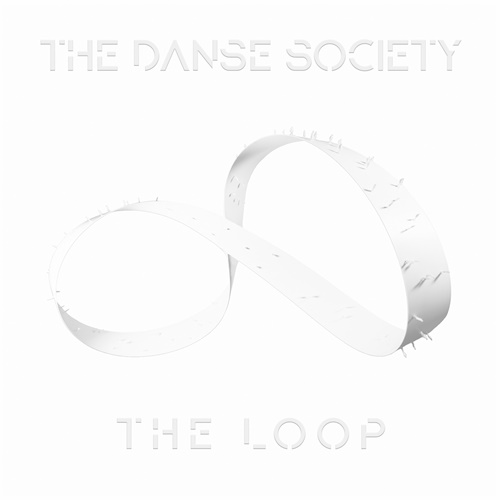
The Danse Society‘s eighth studio album, “The Loop”, released on March 15, 2024, shows a band at the height of their creativity and capable of overcoming genre barriers. With us the creative couple, and not only, Maethelyiah – Paul Nash.
Welcome back to Il Raglio del Mulo, where are you at the moment, England or Italy?
Maeth: Hi, thank you. We are in Scarborough, north east England but we have a little piece of Italy here with us because I am Italian.
Paul: chilly England on the beautiful east coast.
Our last interview dates back to 2020, the year “Sailing Mirrors” was published. Are you still satisfied with that album?
Maeth: I remember indeedy. You do so much for independent music, more than you might think. I am very much happy. Like every work it’s a team effort we always honour, including the cover art by Italian artist Alessandra Centi.
Paul: Yes very satisfied, for me it has some great tracks that are both complex like the title track and experimental like “Hiding in Plain Sight” as well as some more standard TDS bangers like “Danse Away” and “Valerio’s Theme”. Loved the artwork, and very happy with the sound of the album overall however it did take a long time to produce but then good things come to those who wait.
I asked you if you are still satisfied with that album, because although I appreciated it, I consider “The Loop” far superior to its predecessor: do you think so too?
Maeth: It depends on the perspectives. Overall I agree with you because we all evolve and grow up, no matter how old and experienced we are, we are still a work in progress. I don’t like to compare band members because each one brings an immense contribution but yes I find the sound more mature and I love the new death jazz influences on drums brought by drummer Dylan without diminishing the awesome talent of previous drummer Tom (RIP). Also keyboard player Steve nails the 80s keys more like Lyndon and David used to, without forgetting how good Sam was as well. I used different vocal registers as well and embraced a more raw way. The young guests also brought an incredible new twist. I couldn’t be more humble and proud, honestly.
Paul: It’s three years on, with a refreshed line up and a further evolution of our journey, personally I always think our latest work is the best, but that mellows with age and looking back I still enjoy all our previous albums. For me it’s a record of where we are at a particular point in time and The Loop is The Danse Society right now, as we begin the creation of our next release I’m sure that will be a further evolution with different topics, sounds and styles. We don’t like to repeat ourselves, we experiment and grow and we hope our supporters appreciate that and enjoy the journey alongside us. We know that not everyone will, some people still hold on (forgive the pun) to the 80s records and say that the records we have released since are ‘not’ The Danse Society, but even in the 80s the journey from “The Seduction” to “Say It Again” or “Hold on to What You’ve Got” is massive so I always say “what do you consider to be the Danse society?” are we just one album or just one track… I am very happy with “The Loop”, right now I think it’s our best work so far, the writing, arranging, playing and production is pretty much as I wanted so yes! However… wait for the next one!
It’s a record that grows as you listen, it probably has a progressive soul. Do you feel like a goth/darkwawe or prog band today?
Maeth: There’s a little bit of goth in all the Danse Society albums. Every band member brings in their own influences and because we all are from different generations the range is much wider than if we were all the same age. Thing is, goth isn’t what it used to be. Original goth came out of post punk and was heavily influenced by it, whilst modern goth is more electronic, cyber, with echoes of the original post punk. There was therefore more goth in the beginning rather than now as a consequence. Each one of us has a prog past and some of us has a goth one. I think the shades between the styles enriches the sound because it keeps it out of the lines all the time.
Paul: I’m glad you have given it a few listens, I do think it grows on you immensely it’s designed that way with many subtle layers and meanings, I don’t like albums that you get bored with after the second listen. Or even ones that you can easily label. So to me putting a label on TDS should be difficult, we don’t want to fit in any box. When you say goth I think of bands like the Sisters and their many clones…boring, although I can’t deny we have a darkness about us, similarly we have prog influences, it’s the music I grew up with so bound to be in their somewhere in my contribution, but the beauty of writing as a band is that everyone has different influences and that all comes out in the mix, all songs are different but I hope still retain the signature TDS sound. On one song you may spot a King Crimson influence on another a Joy Division, “Shake Shake” has an obvious Morricone influence for example but I’ll leave it to you to find the others.
Dylan Riley (drums) and Steve Dickinson (keyboards) made their debut on this album, what was their contribution in the songwriting phase?
Maeth: Immense contribution. They are both excellent in songwriting and arrangements. Despite being two completely different generations they are both incredibly professional and great team mates as well. Most of the idea of the new songs came from Paul but the way we all worked together has been a pure bliss. Dylan also co-wrote the strings parts with Paul. I nearly died when Steve pulled out his keytar. I feel this is the lineup that really fits the bill 100%.
Paul: As we write together everyone adds their bits and then we sort and filter to create a final version, I often provide the initial spark and then see where it goes. I love working with the rest of the band it’s a big rush as a song comes together, a process I love. Steve and Dylan have brought their own skills and influences and as great musicians and songwriters it’s an absolute pleasure.
For this album no click tracks, programmed sequences or auto-tune were used, why did you decide to record live?
Maeth: Well we never used auto-tune anyway. It takes a certain degree of fakery to do that since recording studios give you the chance to record over mistakes anyway. I love it when we were chatting if to record the tracks with click etc or not and Dylan said no straight away. I must admit it turned out as an excellent idea because clicks might give you more precision but they take away in improvisation and instinct. Of course backing vocals and additional instruments have been recorded afterwards but the whole core was live, proudly live.
Paul: For me the best records were made before the technology interfered with the recordings – imagine “Stairway to Heaven” with a click track, the emotion would be lost to the mechanical count, or “Dark Side of the Moon” autotuned – don’t get me wrong their is a time and place for these tools, I use sequencers a lot for example with Blooding Mask, Mathelyiah and I’s side project, but for me a band should play predominantly ’live’ to capture the emotion and power of the songs, you can’t beat it in my book.
In how many versions will the album be released?
Maeth: It’s on Snow White vinyl, digipak, in bundles with tshirt and it used to come with a free live session version on preorder as well.
Why is white the dominant color?
Maeth: Forwarding your question to Paul since it’s his idea.
Paul: From conceiving the concept of the album it was always going to be white, the model on the cover came to me two years before release as did the theme. White signifies purity and I wanted it to stand out from the usual black ‘goth’ covers – sure it might put some people off but then I’ve never considered us a goth band, dark yes, but this album is hopefully a positive light in the current bleak political landscape.
Will we see you around Europe and, in particular, here in Italy?
Maeth: We can’t wait. We are working on all dates in the EU, USA and Japan. Bureaucracy is hard, in the EU especially after Brexit, but hopefully after many years it is now happening. However, it won’t be until 2025 so please keep an eye on our channels to keep up with the news. Thank you so much for having us with you again. Hopefully will meet you in person soon.
Paul: Peace and love to you all – see you soon!
 Il Raglio del Mulo