
ENGLISH VERSION BELOW: PLEASE, SCROLL DOWN!
Con la riedizione “The Winter Way (Reforged)”, in uscita il 12 dicembre via Blood Blast Distribution, gli Atavistia riportano in vita il loro album del 2020 attraverso una completa ricostruzione sonora. Guidati da Mattias Sippola, gli architetti canadesi del symphonic melodeath hanno ripensato ogni dettaglio del disco: nuove registrazioni, arrangiamenti rivisti, orchestrazioni riscritte e una produzione moderna che riflette l’identità attuale della band. Un’opera monumentale che segna un ulteriore passo avanti nella loro evoluzione artistica, mentre il gruppo è già al lavoro sul prossimo album completo.
Benvenuto, Mattias! State per pubblicare “The Winter Way (Reforged)”, una magnifica rivisitazione e completa revisione del vostro album del 2020, “The Winter Way”. Questo processo ha superato di gran lunga il semplice remix, riflettendo il suono e le capacità attuali degli Atavistia. Considerando l’ampiezza del lavoro svolto, come ha influenzato questo progetto il modo comporre e arrangiare il materiale per il vostro prossimo album?
Beh, il prossimo album (o gli album) sono già stati scritti, ma è stato difficile trovare il “suono” di ciascun album. Rielaborare “The Winter Way (Reforged)” è solo un’istantanea di dove si trova attualmente la nostra produzione e il nostro suono. Sono già state apportate modifiche per migliorare il suono del prossimo album. Forse “migliorare” non è la parola giusta… piuttosto dare a ciascun album un carattere proprio. Non vogliamo che tutti i nostri dischi suonino uguali.
Sei accreditato come compositore e produttore. Qual è stato il progresso tecnico o la tecnica moderna più significativa utilizzata nella produzione di “The Winter Way (Reforged)” che non era disponibile o che non è stata sfruttata durante le sessioni originali del 2020, che ha permesso questa volta di ottenere un’atmosfera così rifinita?
La semplice abbondanza di plugin moderni che ha reso la mia vita molto più facile durante le nuove registrazioni e il remix/mastering dell’album. Inoltre, l’aver sviluppato l’orecchio per il mix nel tempo ha probabilmente giocato il ruolo più importante.
Come ha influito l’ingresso di Spencer Budworth e dei suoi growl sul sound degli Atavistia, e in che modo la nuova performance vocale pulita in tracce come “The Winter Way (Reforged)” dimostra la vostra crescita tecnica ed emotiva?
Ancora una volta, il tempo ha giocato un ruolo cruciale negli Atavistia. Sembra che abbiamo sempre voluto fare il passo più lungo della gamba, sotto questo aspetto. Ora sentiamo di aver recuperato quella visione e perciò, attualmente abbiamo cinque album di materiale scritto con una qualità di pre-produzione migliore di molte uscite finali.
Qual è la lezione più importante che avete imparato dai tour con band come Skálmöld e Metsatöll e che avete sfruttato per raggiungere la maturità produttiva ed esecutiva che traspare nel nuovo “The Winter Way (Reforged)”?
Lascia respirare la musica. Per così tanto tempo, ci siamo concentrati sull’avere tutto a tempo (to the grid) nel senso sbagliato. Esercitati all’infinito sulla scaletta prima di un tour in modo da poterti godere davvero gli show e regalare al pubblico un’esperienza autentica. Non preoccuparti degli errori… capitano a tutti e siamo tutti umani. Fa parte di un’esperienza dal vivo. Devi solo regalare al pubblico uno spettacolo che ricorderà.
Potresti condividere un esempio specifico (come in “Dawn Of The Frozen Age (Reforged)”) in cui l’esperienza dal vivo ha portato a un cambiamento strutturale o a un cambio di tempo?
Ironicamente, non abbiamo mai suonato “DOTFA” dal vivo. Anche all’epoca, sarebbe stata un’impresa per la quale non ero pronto. Senza averla mai suonata dal vivo, sapevo già quali parti dovevano andare e quali dovevano cambiare per poterla provare dal vivo un giorno.
Qual è la filosofia dietro il posizionamento e la struttura degli assoli di chitarra (ad esempio, il nuovo assolo in “Eternal Oceans (Reforged)” contro quello complesso e a due parti in “Dawn Of The Frozen Age (Reforged)”)?
Il più delle volte, è una questione di eventi fortunati. Inizialmente non avevo intenzione di aggiungere un assolo in “EO”, ma un giorno mentre stavo registrando di nuovo le chitarre soliste, mi sono annoiato e ho cazzeggiato un po’ in quella sezione e ho pensato: “Aggiungiamo un assolo qui!” Semplice, davvero! Per quanto riguarda gli assoli consecutivi in “DOTFA”, sapevo fin dall’inizio che volevo un assolo pazzesco sull’album. L’obiettivo della versione “reforged” era renderlo ancora più folle unendo i due assoli, rappresentando una sezione solista “Lato Chiaro/Oscuro”.
“The Atavistic Forest (Reforged)” ha visto anche delle revisioni nei testi. Qual era il problema tematico o stilistico principale nei testi originali, e come avete assicurato che il flusso tematico dell’album fosse mantenuto nonostante il passaggio da una singola traccia lunga a brani separati?
Principalmente problemi grammaticali e una scelta di vocabolario scadente. Avevo 22/23 anni quando ho scritto i testi per l’album originale. Spero proprio che la mia scelta di parole sia migliorata in sei anni! Tematicamente non ero insoddisfatto dei testi originali, ma volevo mostrare la mia maturità nella scrittura e nella composizione per dimostrare cosa può fare il tempo per un artista.
“The Forbidden One (Reforged)” è la traccia più oscura. Avendo eliminato la lunga intro e riscritto l’orchestrazione, come hai ottenuto che il nuovo arrangiamento amplificasse l’intensità emotiva dei testi?
È sempre stato più facile e naturale per me scrivere musica più oscura. Mentre registro chitarre e voci per tracce più cupe, sento un maggiore legame emotivo con esse e penso che si possa sentire nel mio modo di suonare e cantare. Una traccia come “TFO” doveva colpire forte fin dall’inizio. Eliminare le atmosfere tra tutte le canzoni ha assicurato che ogni traccia iniziasse nel modo in cui doveva.
Gli Atavistia si ispirano ai paesaggi naturali e alla cultura Norrena. Visto che l’album è stato creato a Vancouver, Canada, come traducete l’atmosfera dell’inverno canadese nel vostro sound symphonic melodic death metal, che anche i fan di Wintersun o Dimmu Borgir potrebbero apprezzare?
Nonostante il nostro clima sia piuttosto “Nordico” sulla costa occidentale, ho passato molto tempo in Scandinavia e in Finlandia sperimentando il vero Nord. Il Canada ha un paesaggio e un clima estremamente diversi. Vancouver ha il clima più caldo e mite del paese, ma può comunque diventare piuttosto fredda e umida durante i mesi invernali. I nostri inverni sono lunghi e bui, ma anche le nostre estati sono lunghe e calde. È un luogo unico per un artista che trae ispirazione da tali paesaggi. Forse si può capire quali canzoni degli Atavistia sono state scritte durante diverse stagioni.
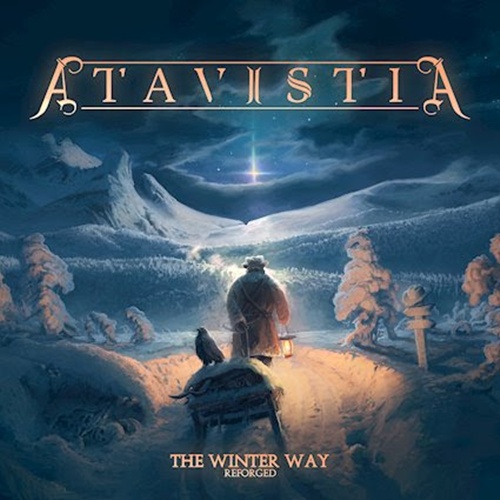
With the reissue “The Winter Way (Reforged)“, set to be released on December 12 via Blood Blast Distribution, Atavistia bring their 2020 album back to life through a complete sonic reconstruction. Led by Mattias Sippola, the Canadian symphonic melodeath architects have reimagined every detail of the record: new recordings, revised arrangements, rewritten orchestrations, and modern production that reflects the band’s current identity. A monumental work that marks a further step forward in their artistic evolution, while the band is already hard at work on their next full-length album.
Welcome to our interview, Mattias! You are set to release “The Winter Way (Reforged),” a magnificent revisitation and complete overhaul of your 2020 album, “The Winter Way.” This process went far beyond a simple remix, reflecting Atavistia’s current sound and abilities. Given this extensive rework, how did undertaking this project influence the band’s methodology for composing and arranging the material for your upcoming, brand new album?
Well the next album(s) have already been written but it’s been a struggle to find each album’s “sound”. Reworking “The Winter Way (Reforged)” is but a snapshot into where our production and sound currently stands. Changes have already been made to improve the upcoming album’s sound. Improvement may be the wrong word… to give it its own character. We don’t want all of our records to sound the same.
You are credited with composition and production. What was the most significant technical advancement or modern technique used in the production of “The Winter Way (Reforged)” that was not available or utilized during the original 2020 sessions, allowing for the polished atmosphere?
The sheer abundance of modern plugins which made my life so much easier when re-recording and remixing/mastering the album. Also simply developing my ear for mixing over time has played probably the biggest role.
Atavistia’s vocal presence has clearly evolved. How has Spencer Budworth’s addition redefined the soundscape with his bombastic growls, and separately, how did the revised clean vocal performance on tracks like “The Winter Way (Reforged)” demonstrate the band’s growth in emotional depth and technique?
Again, time has played a crucial role in Atavistia. It seems we’ve always been biting off more than we can chew in that regard. Now we feel we’ve caught up to that task and thus, we currently have 5 albums of written material with pre-production quality better than many final releases.
What is the single most valuable lesson Atavistia has taken from touring extensively alongside acts like Skálmöld and Metsatöll that you believe has been directly applied to the performance and overall production maturity evident in “The Winter Way (Reforged)”?
“Let the music breathe.” For so long, we’ve been focused on having everything “to the grid” in the wrong sense. Practice the hell out of the setlist before a tour so you can actually enjoy the shows and give the audience an authentic experience. Don’t worry about mistakes… they happen to everyone and we are all human. It’s part of a live experience. Just give the audience a show they’ll remember.
You mentioned five years of playing these songs live guided structural changes. Can you share an example of a specific section in a track, like “Dawn Of The Frozen Age (Reforged)” where time was trimmed, where the live experience was the decisive factor in making a structural or arrangement change?
Ironically, we’ve never played “DOTFA” live. Even back then, it would’ve been a feat I wasn’t ready for. Without ever playing it live, I already knew which parts had to go and which parts had to change in order to actually attempt it live one day.
What is the philosophy guiding the band’s decision on where to place and structure a guitar solo, for example, the new one in “Eternal Oceans (Reforged)” added for a “sudden burst of energy,” versus the complex one in “Dawn Of The Frozen Age (Reforged)”?
Most of the time, it comes down to happy accidents. I initially didn’t intend to add a solo in “EO”, but one day while re-recording lead guitars, I got bored and noodled around during that section and thought, “Let’s add a solo here!” Simple as that, really! As for “DOTFA”’s back-to-back solos, I knew from the beginning I wanted one crazy solo on the album. The reforged version’s goal was to make it even crazier by combining the two solos together, representing a “Light/Dark side” solo section.
“The Atavistic Forest (Reforged)” involved specific lyric revisions for clarity, while the album as a whole moved away from a seamless long track. What was the core thematic inconsistency in the lyrics that needed fixing, and how did you ensure the seamless thematic flow was maintained across the entire album?
Mainly grammatical issues and poor choice of vocabulary. I was 22/23 when I wrote the lyrics for the original album. I sure hope my choice of words has gotten better in six years! Thematically I wasn’t unhappy with the original lyrics, but I wanted to showcase my maturity in writing and composition to demonstrate what time can do for an artist.
“The Forbidden One (Reforged)” remains the darkest song on the album, featuring deeply personal lyrics by you. With the original long, droning intro cut and the orchestration rewritten, how did the band ensure the raw, personal intensity of the original lyrics was heightened by the new, more straightforward arrangement?
It has always been easier and more natural for me to write darker music. While recording guitars and vocals for darker tracks, I feel more of an emotional connection to them and I think you can hear it in my playing and singing. A track like “TFO” needed to hit hard right off the bat. Eliminating the atmospheres between all of the songs ensured each track begins the way it should.
Atavistia draws inspiration from majestic natural landscapes and ancient Norse culture. Given that the album was conceived in Vancouver, Canada, how do you translate the specific feeling of the Canadian winter landscape into the symphonic melodic death metal sound that fans of Wintersun or Dimmu Borgir would appreciate?
Despite our climate being quite “Nordic” on the west coast, I’ve spent extensive time in Scandinavia and Finland experiencing the real north. Canada has an extremely diverse landscape and climate. Vancouver has the warmest and mildest climate of the country but still can get quite cold and wet during the winter months. Our winters are long and dark, but our summers are also long and warm. It’s a unique place to be as an artist who draws inspiration from such landscapes. One can maybe tell which Atavistia songs were written during different seasons.
 Il Raglio del Mulo