
ENGLISH VERSION BELOW: PLEASE, SCROLL DOWN!
Cody Lee Ford presenta il settimo album in studio dei Soen, “Reliance” (Silver Lining), uscito il 16 gennaio 2026. Dando seguito all’evoluzione del sound dei precedenti lavori, la band continua a esplorare le complesse emozioni umane con un tocco più pesante, fondendo melodic e progressive metal con testi profondi e riflessivi.
Ciao Cody, è un piacere parlare con te. Congratulazioni per il vostro settimo album in studio, “Reliance”, uscito il 16 gennaio. Considerando che la vostra musica è in costante evoluzione, quale è stata la lezione più importante o il cambiamento nell’approccio che avete portato dal vostro album precedente al processo di scrittura di “Reliance”?
Il nostro processo di scrittura sta diventando sempre più professionale grazie alla maggiore familiarità con i nostri DAW. Questo ci permette di delineare in modo più preciso come vogliamo che la canzone suoni, prima di entrare nella fase di registrazione e produzione. Al di fuori del processo di demo, il cambiamento più grande in questo album è stato essere più aperti a sperimentare con accordature più basse e suoni di synth/tastiere. Come sempre, l’obiettivo principale è servire la canzone e renderla il più centrata possibile, cosa che a volte significa che “meno è più”.
Le note stampa indicano che “Reliance” continua a esplorare il terreno delle emozioni umane con un “tocco extra di pesantezza”. Come avete bilanciato le “aree tra luce e oscurità, tra forza e calma” mentre incorporavate questa dimensione più pesante?
Per noi le dinamiche sono sempre state fondamentali. I momenti pesanti rendono i momenti più delicati ancora più delicati, e viceversa. Si tratta di trovare un equilibrio tra questi contrasti in modo da seguire le emozioni della canzone.
“Primal” affronta sia la frustrazione sociale, riguardante corruzione e tecnologia, sia un richiamo alla speranza, come ha detto Joel Ekelöf, a “ritrovare quella scintilla”. Quanto è stato difficile combinare questa critica esistenziale pesante con un messaggio di speranza, e quanto questa dualità tematica permea gli altri brani di “Reliance”?
È sicuramente un tema prominente nell’album. Ma penso che l’essenza dei Soen sia fare luce su queste frustrazioni, comprenderle e affrontarle con la sensazione di “esserci dentro tutti insieme e insieme possiamo fare la differenza”. Questo messaggio trasmette unità e speranza, e credo che il mondo ne abbia più bisogno che mai.
Tu, Lars Enok Åhlund e Stefan Stenberg come interagite con i membri fondatori, pe raggiungere la “imponente evoluzione continua” che definisce il sound di “Reliance”?
Ogni membro è fondamentale per il sound dei Soen. Lars è brillante nella sua conoscenza musicale, eccelle nel collegare i brani, comporre parti di archi e aggiungere strati che rendono le canzoni complete. Stefan è un incredibile bassista. Anche se i Soen hanno avuto molti bassisti straordinari negli anni, Stefan è quello che crea il groove in modo più sincronizzato con Martin e ha un meraviglioso senso del tocco e delle dinamiche. Per quanto mi riguarda, cerco di elevare le canzoni con le parti di chitarra e i miei assoli.
Considerando il tema dell’album sulla divisione e le sfide, ci puoi parlare del brano “Discordia” e di come rifletta i confini mentali e fisici con cui l’umanità sta attualmente lottando?
È sicuramente una canzone emotivamente intensa. Riflette qualcosa con cui molti di noi stanno lottando: il senso di isolamento, il confronto con gli altri, il desiderio di far parte di qualcosa ma la paura di essere feriti di nuovo. Credo che ognuno possa interpretarla in modo diverso in base alle proprie esperienze.
Avete lavorato con Alexander Backlund e Tony Lindgren ai Fascination Street Studios. Quale contributo ha portato questo team di produzione al suono “straordinariamente crudo e sincero” che volevate ottenere in “Reliance”?
Sono stati entrambi professionisti di altissimo livello e persone davvero piacevoli. Quando c’è un buon clima rilassato, l’intero processo diventa molto piacevole, e questo si riflette sempre nel prodotto finale. Alex ha un grande orecchio per capire come devono suonare le cose e non ha paura di essere onesto se qualcosa non convince. Ha anche un’incredibile abilità nel creare ottimi suoni di chitarra, basso e batteria, mantenendo le voci perfettamente integrate. Tony ha fatto un lavoro fantastico nel legare tutto insieme e rendere il prodotto finale qualcosa di cui siamo davvero orgogliosi.
Avete un tour europeo in arrivo con i Dark Tranquillity. Quanto del nuovo materiale, in particolare il complesso paesaggio emotivo di “Reliance”, verrà integrato nel set dal vivo, e quale reazione dei fan prevedi per i nuovi brani?
Quando siamo in giro con un nuovo album solitamente inseriamo circa 4 brani nuovi. Con il passare degli anni diventa più complicato creare una setlist che copra l’intera discografia, quindi non mi sorprenderei se a volte fossero solo 3 i brani nuovi inseriti. Per quanto riguarda la reazione dei fan, non ci piace avere aspettative. Ci saranno persone su entrambe le posizioni ed è assolutamente normale. Ma possiamo dire che negli ultimi album siamo stati piacevolmente sorpresi da quante persone conoscono le parole di tutte le nuove canzoni. È una sensazione speciale.
L’album si intitola “Reliance”. Nel contesto della vostra “esplorazione della vita”, quale idea o concetto specifico vuole trasmettere la parola “Reliance” all’ascoltatore?
Può significare molte cose diverse. Penso sia una parola che racchiude l’essenza dell’album ma che può essere interpretata in modi adatti all’ascoltatore, cosa sempre importante. “Reliance” può avere una connotazione negativa in termini di dipendere da cose che non ci servono, ma anche una bella connotazione: possiamo contare gli uni sugli altri quando serve.
Questa è l’ultima domanda. I comunicati stampa descrivono “Reliance” come un viaggio “riflessivo, provocatorio, bello e brutale”. Agli ascoltatori che affrontano questo viaggio, quale stato emotivo o mentale speri che l’album lasci quando l’ultimo brano, “Vellichor”, svanisce?
Penso che se l’ascoltatore rimane in uno stato di riflessione, sia una cosa ottima. Ma non sta a me dire cosa spero che provi. Scriviamo musica per noi stessi, e se le persone si connettono – perfetto! Se si sentono incoraggiati, compresi, speranzosi o felici – fantastico. È un dono poter condividere la nostra musica e ancora più grande quando risuona negli altri.
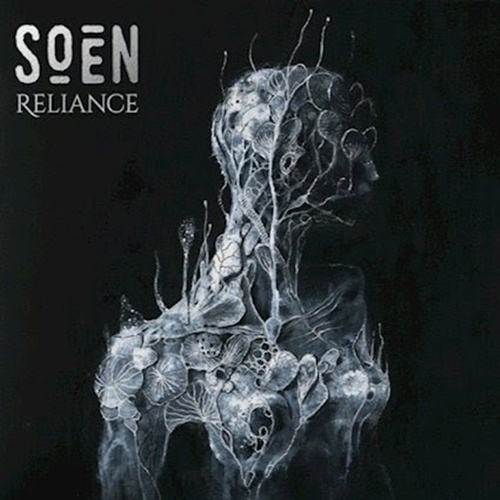
Cody Lee Ford presents Soen’s seventh studio album, “Reliance” (Silver Lining), released on January 16, 2026. Following the evolution of their sound over previous releases, the band continues to explore complex human emotions with a heavier edge, blending melodic and progressive metal with thought-provoking lyrics.
Hello Cody, it’s a pleasure to speak with you. Congratulations on your seventh studio album, “Reliance,” set for release on January 16th. Considering that your music is consistently evolving, what was the biggest lesson or change in approach you brought from your previous album into the writing process for “Reliance”?
Our writing process is consistently getting more professional thanks to familiarizing ourselves with our DAWs better. It allows us to really paint the picture of what we want the song to sound like in more detail before getting into the recording and production phase. Outside of the demo process the biggest change in this album was being more open to experimenting with lower tunings and synths/keyboard sounds. As always the biggest goal is just to serve the song and make it as strong as possible, which we’ve learned sometimes means less is more.
The press notes mention that “Reliance” continues to explore human emotional terrain with an “extra edge of heavy.” How did you balance the “spatial areas between light and dark, loud and calm” while incorporating this heavier dimension?
For us dynamics have always been so important. The heavy moments make the soft moments feel softer and vice versa. It’s about striking a balance between those counterparts in a way that follows the emotions of the song.
“Primal” touches on both societal frustration—regarding corruption and technology—and a call for hope, as Joel Ekelöf put it, to “find that fire again.” How challenging was it to blend this heavy existential critique with a message of hope, and how deeply does this thematic duality permeate the other tracks on “Reliance”?
It’s definitely a prominent subject in the album. But I think the essence of Soen is to shed light on these frustrations, understand that they are there and do so with a feeling of “we’re all in this together and together we can make a change.” That message instills unity and hope and I think the world needs it more than ever.
With you, Lars Enok Åhlund and Stefan Stenberg standing shoulder to shoulder with the founding members, how did the synergy of the full line-up shape the “lush continual evolution” that defines the sound of “Reliance”?
Every member is fundamental to the sound of Soen. Lars is brilliant in his musical knowledge. He’s great at gluing songs together, composing string parts and adding the layers that make the songs feel full. Stefan is an incredible bass player. Even though Soen has had many incredible bass players over the years, Stefan is the one who grooves most synchronistically with Martin and has a wonderful sense of touch and dynamics. As for me, I try my best to elevate the songs with guitar parts and my solos.
Given the album’s theme of division and challenge, could you discuss the track “Discordia” and how it reflects the mental and physical boundaries humankind is currently wrestling with?
It’s an emotionally heavy song for sure. It reflects something a lot of us are struggling with: the feeling of isolation, comparing ourselves to others, wanting to be part of something but fearing being hurt again. I think many can interpret it differently depending on their own experiences.
You worked with Alexander Backlund and Tony Lindgren at Fascination Street Studios. What unique contribution did this production team bring to capturing the “extraordinarily raw and earnest” sound you were aiming for on “Reliance”?
They were both top-notch professionals to work with and such pleasant people as well. When there is a good, relaxed vibe it makes the whole process super enjoyable and that always reflects in the final product. Alex has a great ear for how things should sound, and is not afraid to be honest when something doesn’t feel strong. He’s also got an incredible skill for making great guitar, bass and drum sounds while having the vocals sit just right. Tony also did a fantastic job gluing everything together and making the final product something we’re really proud of.
You have a European tour approaching with Dark Tranquillity. How much of the new material, particularly the complex emotional landscape of “Reliance,” will be integrated into the live set, and how do you anticipate the fan reaction to these new songs?
When touring a new album we typically insert around 4 new tracks. It gets more challenging as the years go on to incorporate a setlist that covers the entire discography, so I wouldn’t be surprised if at times only 3 new songs make the setlist. As for the fan reaction, we never like to have any expectations. There will be people on both sides of the fence and that’s completely okay. But we can say we’ve been pleasantly surprised over the last few albums how many people know the words to all the new songs. It’s a special feeling.
The album is titled “Reliance.” In the context of your “lifetime exploration” of human boundaries, what specific idea or concept does the word “Reliance” aim to convey to the listener?
It can mean a lot of different things. I think it’s a word that encapsulates the essence of the album but can be interpreted in ways that suit the listener, which is always important. Reliance can have a negative connotation in terms of how we rely on things that don’t serve us, but a beautiful connotation as well that we can rely on each other when we need to.
This is our final question. The press materials describe “Reliance” as a journey that is “thoughtful, provocative, beautiful and brutal.” When listeners take this journey, what specific emotional or mental state do you hope the album leaves them in when the final track, “Vellichor,” fades out? Thank you so much for your time!
I think if the listener is left in an introspective moment, that’s a great thing. But it’s not for me to say what I hope the listener feels. We write music for ourselves, and if people vibe with it – great! If they feel empowered or understood or hopeful or happy – amazing. It’s a gift to be able to share our music and an even greater gift when it resonates with others.
 Il Raglio del Mulo