
ENGLISH VERSION BELOW: PLEASE, SCROLL DOWN!
A quasi trent’anni dalla formazione, i Blood Red Throne tornano a colpire con “Siltskin”, dodicesimo capitolo della loro carriera e nuova prova di forza in ambito death metal, pubblicata da Soulseller Records. A raccontarci genesi, visione e direzione del disco è Daniel “Død” Olaisen, mente e fondatore della band norvegese, che ci guida dentro un lavoro più maturo, strutturato e consapevole, ma sempre fedele alla brutalità che ha reso inconfondibile il nome Blood Red Throne.
Ciao Daniel, grazie per il tuo tempo. Avete pubblicato “Siltskin”, il vostro dodicesimo album e un traguardo enorme dopo quasi tre decenni: più pesante, più veloce, più melodico ma sempre puro Blood Red Throne. Cosa volevate che rappresentasse “Siltskin” per la band in questa fase della vostra carriera?
“Siltskin” è uscito da un paio di mesi ed è stato accolto con parole molto positive. Vogliamo semplicemente continuare a spingerci oltre, rendendo migliori i riff, le canzoni, la produzione… tutto. Personalmente sento di migliorare come compositore a ogni album. Non si tratta tanto dei riff in sé: quelli ci sono sempre stati. È il modo in cui vengono assemblati a fare la differenza, a creare un flusso scorrevole. Devo anche dire che, secondo me, le parti vocali non sono mai state così efficaci. E gli assoli stanno diventando sempre più gustosi e meglio inseriti nei brani. In generale, credo che vogliamo dimostrare che la qualità sarà sempre l’essenza di questa band… sia dal vivo che su disco.
Sei la forza trainante fin dai tempi dei Satyricon, con Freddy Bolsø tornato alla batteria e una line-up ormai consolidata: in che modo questo nucleo ha influenzato la scrittura e spinto “Siltskin” verso nuovi territori?
All’inizio io e Thcort dividevamo la scrittura al 50%. Dopo la sua uscita sono diventato il principale autore: oggi scrivo circa il 75% del materiale, mentre Meathook il restante 25%. Dopotutto ho fondato io i Blood Red Throne e so bene quale suono voglio ottenere. Tutti i membri della band accettano questa direzione, e Meathook sta affinando sempre più il suo stile per adattarlo a questa visione. Siamo tutti sulla stessa lunghezza d’onda. Non ci sono grandi piani o necessità di cambiare il sound dei BRT. Tuttavia devo ammettere che negli ultimi tre album è emerso un lato un po’ più melodico. Sono un grande amante delle melodie e il modo in cui Chuck le inseriva nei Death è una fonte di enorme ispirazione per me. È possibile integrare melodie nel brutal death metal senza scadere nel banale!
“Scraping Out The Cartilage” apre l’album con un’intensità brutale: perché l’avete scelta come opener e cosa dice agli ascoltatori sulla direzione generale di “Siltskin”?
Per qualche motivo nel corso degli anni ho composto diverse intro epiche, e non vedo alternativa all’aprire i dischi con questo tipo di atmosfera. In particolare “Scraping Out The Cartilage” è pesante ed epica fino a quando esplode quel riff schiacciante da “mancave”. Questo brano contiene tutti gli elementi che vogliamo esprimere nei Blood Red Throne. È semplicemente death metal fottutamente pesante, con una grande produzione e, credo, una firma riconoscibile.
I materiali promozionali sottolineano come “Siltskin” aumenti pesantezza, velocità e melodia mantenendo il vostro marchio di fabbrica: quali riff o idee hanno reso possibile questo equilibrio durante la scrittura?
“Siltskin” non è un album particolarmente veloce o tecnico. I Blood Red Throne non hanno mai puntato sulla velocità estrema o sui riff complicati. Si tratta di scrivere riff che spaccano. Di essere pesanti e groove-oriented. Di comporre brani ben strutturati che ti facciano impazzire quando li ascolti dal vivo o sullo stereo. Certo, sappiamo usare i blast beat, ma negli ultimi album ce ne sono stati meno. In ogni caso, quando compongo non mi pongo restrizioni: finché un riff mi fa fare la “faccia cattiva” mentre lo suono o mi trasmette una bella sensazione mentre registro un assolo melodico a due chitarre, va bene così. Si tratta di musica ed emozioni, non di velocità o tecnicismo. Anche se, ovviamente, un po’ di entrambe le cose serve!
Brani come “Husk In The Grain” e “Necrolysis” fondono melodia e aggressività feroce: come avete intrecciato questi elementi melodici nel death metal senza smussarne l’impatto?
Tutto parte sempre da un riff. Lo registro e aggiungo una batteria programmata. A quel punto capisco subito quale ritmo voglio inserire dopo, e questo mi aiuta a trovare il riff successivo. Mi piace che le canzoni abbiano una struttura, non solo venti riff diversi messi insieme. Mi piace quando c’è una strofa e un ritornello. E deve esserci almeno un riff davvero pesante. “Husk In The Grain” è stato un po’ complicato, perché si muove avanti e indietro tra tonalità diverse, e ho dovuto faticare per tornare a certi riff precedenti. Credo sia il brano più “complesso” dell’album, ma anche uno dei miei preferiti. Sono riuscito ad aggiungere un tema melodico fortemente ispirato ai Death, con un bel lead sopra. “Necrolysis” invece è nata da questo riff pesantissimo in stile Pantera, che avrei potuto usare tranquillamente nella mia vecchia band, Zerozonic. È super heavy, e invece di lasciarlo su un groove lento ho preferito alzare un po’ il tempo per evitare l’effetto troppo prevedibile. Negli ultimi album ci sono più assoli, ed è diventato un elemento naturale: spezzano le canzoni e aggiungono sapore.
“Siltskin” è stato mixato e masterizzato da Ronnie Björnström, con artwork di Giannis Nakos: cosa ha portato Ronnie per catturare quel suono più potente e come la copertina riflette l’atmosfera del disco?
Ronnie è diventato come un sesto membro della band. Conosce il nostro suono e ciò che vogliamo ottenere, e quando possiamo lo portiamo con noi anche come tecnico del suono nei live. È come se con lui si fosse aperto un nuovo capitolo. Non vedo l’ora di lavorare di nuovo insieme sul prossimo album. Lo stesso vale per Giannis: è una persona fantastica con cui collaborare e capisce perfettamente la nostra visione. “Siltskin” si inserisce nella scia di “Nonagon” e forse anche di “Imperial Congregation”, ma magari nel prossimo lavoro faremo qualcosa di diverso. Lo dirà il tempo.
Da “Monument Of Death” passando per “Nonagon” fino a “Siltskin”, la vostra discografia mostra un’evoluzione costante: dove si colloca questo nuovo album e cosa sperate trasmetta ai fan?
L’evoluzione più grande riguarda la composizione: la struttura e l’arrangiamento dei brani. C’è sempre stato un suono distintivo e un modo particolare di scrivere riff nei Blood Red Throne. Spesso sento dire che non portiamo nulla di originale. Non sono d’accordo: non ci sono band che suonano esattamente come noi. Inoltre abbiamo avuto quattro cantanti diversi, e per me quello attuale è senza dubbio il migliore. Anche la produzione è migliorata. Non riesco a capire come qualcuno possa non considerare il nostro ultimo album il migliore. Certo, i dischi più vecchi possono avere un valore affettivo. In ogni caso posso promettere che continueremo sempre a proporre death metal fottutamente pesante!
Vi siete costruiti una reputazione per show devastanti in tutto il mondo, dal Wacken alla Mongolia: come porterete “Siltskin” sul palco, bilanciando brani nuovi e classici e mantenendo quell’energia?
Esatto. Molti dicono che siamo una band sottovalutata. Eppure suoniamo nei posti più folli che tante altre band non vedranno mai. L’unica spiegazione è la nostra presenza scenica energica e interattiva, qualcosa che il pubblico apprezza davvero. Adoro stare in studio da solo a creare musica, ma c’è qualcosa di speciale quando sali sul palco e senti che tutto funziona. Il death metal è la cosa più bella da suonare dal vivo. E abbiamo 114 canzoni tra cui scegliere! Abbiamo suonato alcuni pezzi vecchi un’infinità di volte, quindi credo sia arrivato il momento di portare più brani nuovi in scaletta. Un buon mix sarebbe perfetto. In ogni caso, si spaccheranno culi!
Per chi premerà play su “Siltskin” per la prima volta, qual è l’unica cosa che vorresti rimanesse dopo l’ascolto?
Prima di tutto… la qualità! Poi ovviamente le canzoni, i riff, il suono pesante. E magari qualcosa di unico. Anche se non inventiamo l’acciaio, sento comunque che siamo una realtà a sé. Non conosco altre band che suonino esattamente come noi. Quando ascolti i Blood Red Throne, lo capisci subito!
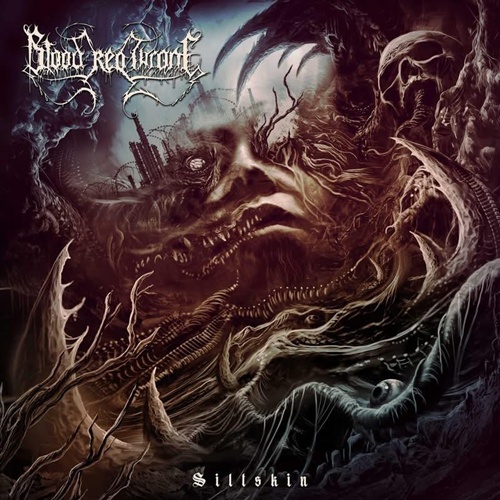
Nearly thirty years after their formation, Blood Red Throne strike back with “Siltskin”, the twelfth chapter of their career and a new display of strength in death metal, released via Soulseller Records. Guiding us through the genesis, vision, and direction of the record is Daniel “Død” Olaisen, founder and mastermind of the Norwegian band, who takes us inside a work that is more mature, structured, and confident, yet still true to the brutality that has made the Blood Red Throne name unmistakable.
Hi Daniel, thanks for your time. You’re gearing up to release “Siltskin”, your 12th album and a massive milestone after nearly three decades – heavier, faster, more melodic yet still pure Blood Red Throne. What did you want “Siltskin” to represent for the band at this stage of your career?
“Siltskin” has been out for a couple of months and has been received with great words. We just wanna keep pushing, making the riffs, songs, production—everything—better. Personally, I feel I improve as a composer with every album. It’s not so much about the riffs. They’ve always been there. It’s about how they are put together to create a smooth flow. I also have to say that the vocals have never been better, in my opinion. And the leads are getting tastier and better placed. I think overall we wanna show that quality will always be the essence of this band… both live and on albums!
Daniel “Død” Olaisen has been the driving force since the Satyricon days, with Freddy Bolsø back on drums and the current lineup locked in: how did this core group shape the songwriting and push “Siltskin” into new territory?
Back in the day, Thcort and I split the songwriting 50/50. Since he left, I have been the main songwriter, and today I write about 75% and Meathook 25%. After all, I started Blood Red Throne and I know the sound I want. All members accept this, and Meathook is fine-tuning his writing to this sound more and more, and the whole band is basically on the same page. There are no big plans or need to change the BRT sound. However, I must say that the last three albums have developed a slightly more melodic side. I’m a sucker for melodies, and the way Chuck incorporated this in Death is a huge inspiration to me. It is possible to include melodies in brutal death metal without getting cheesy!
“Scraping Out The Cartilage” kicks off the album with brutal intensity: why did you pick it as the opener, and what does it tell listeners about the overall direction of “Siltskin”?
For some reason I’ve made some epic intros over the years, and I don’t see any other option than opening albums with them. Especially “Scraping Out The Cartilage”—it’s both heavy and epic until this crushing mancave riff bursts out. This tune has all the elements we want to bring forth in Blood Red Throne. It’s just some fuckin’ heavy death metal with a great production and our own signature in some way, I think!
The press materials highlight how “Siltskin” amps up the heaviness, speed and melody while keeping your signature sound: what specific riffs or ideas unlocked that balance for you during the writing process?
“Siltskin” is not a fast or technical album, for that matter. Blood Red Throne has never been about playing super fast or making difficult riffs. It’s about making riffs that kick ass. It’s about being heavy and groovy. It’s about composing well-structured songs that make you go apeshit when listening live or on your stereo. Sure, we know how to blast, but there’s actually been less of that on later albums. Anyway, I have no restrictions when composing music. As long as it gives me the bad face when playing the riffs or creates a good feeling when recording a melodic twin solo. It’s about music and feelings. Not tempo or technicality. Though you need a bit of both, hehe.
Tracks like “Husk In The Grain” and “Necrolysis” blend melody with ferocious aggression: how did you approach weaving those melodic elements into the death metal framework without softening the edge?
It always starts with a riff. I record it and add programmed drums. Then I immediately know what beat I want next, and that makes it easier to come up with the next riff. I like structure in songs and not just 20 different riffs. I like when there’s a verse and a chorus. And there HAS to be at least one really heavy riff. “Husk In The Grain” was a bit tricky, I remember, because it goes back and forth in different keys, and I had to struggle a little bit getting back to previous riffs in the song. I think this is the most “complex” song on the album, but also one of my favorites. I managed to add this heavily Death-inspired melodic theme, also putting a nice lead to it. “Necrolysis” just started with this heavy Pantera-ish riff, which I easily could have used in my old band, Zerozonic. It’s just super-heavy, and instead of having a slow drum beat groove, I wanted to up-tempo it a bit just to not make it too obvious. I notice there are more leads on later albums, and it’s just become a natural element. It breaks up the songs and adds some flavor.
“Siltskin” was mixed and mastered by Ronnie Björnström, with artwork by Giannis Nakos: what did Ronnie bring to the table to capture that heavier, more powerful sound, and how does the cover reflect the album’s vibe?
Ronnie has become like a sixth member of the band. He knows our sound and what we want, and we bring him as our sound technician as often as we can when doing live shows. It’s like a new chapter started when we brought him in. Can’t wait to work on the next album with him. Same with Giannis. He’s so chill to work with and totally gets our vision. “Siltskin” is in the same vein as “Nonagon” and maybe “Imperial Congregation” as well, but we might do something new on the next one. Time will tell!
From “Monument Of Death” through “Nonagon” up to “Siltskin”, your discography shows constant evolution: where does this new record fit in that legacy, and what do you hope it delivers to longtime fans?
The biggest evolution is in the composing—the structure and arranging of songs. There’s always been a distinct sound or way of writing riffs in Blood Red Throne. I often hear or read that we don’t bring anything original to the table. I disagree. There are no bands sounding exactly like we do. There have also been four different singers in this band, and there’s no doubt in my mind the best one is right now. Production has improved. I cannot understand if fans don’t rate our newest album as our best. Then again, older albums may have a sentimental impact. Anyway, what I can promise is that we will always deliver pure fuckin’ heavy death metal!
You’ve built a reputation for killer live shows across the globe, from Wacken to Mongolia: how are you planning to translate “Siltskin” to the stage, balancing new tracks with classics and keeping that high-energy connection?
Exactly. People say we’re an underrated band. Still, we play the craziest places many bands never do. I don’t see any other explanation for that than our real energetic and interactive presence on stage being appealing and something the fans want. I totally enjoy my time alone in the studio creating music, but there’s something special when you get out there and everything feels right from the stage. Death metal is by far the coolest thing to play live. And there are 114 songs to choose from, haha. We’ve been playing some of the old songs a zillion times now, so I think it’s time to bring some of the newer ones to the table. A good mix would be perfect. Asses will be kicked no matter what!
For anyone hitting play on “Siltskin” for the first time, what one thing do you want them to take away from the experience?
First of all… quality! Then of course, the songs, the riffs, the heavy sound. And maybe something unique. Even though we don’t invent the steel, I still feel that we’re one of a kind. I honestly don’t know any other bands out there sounding exactly like us. You know when you listen to Blood Red Throne!
 Il Raglio del Mulo