
ENGLISH VERSION BELOW: PLEASE, SCROLL DOWN!
“Screams From Beneath The Surface” è il nuovo album dei Monstrosity, pubblicato via Metal Blade Records e frutto della visione creativa di Lee Harrison, con il contributo centrale di Matt Barnes. Dopo sette anni di attesa, il disco non rappresenta solo un ritorno ma una dichiarazione di identità e continuità nella storia della band.
Ciao ragazzi, grazie mille per aver trovato il tempo di parlare con noi. State per pubblicare il vostro nuovo album “Screams From Beneath The Surface”, un disco che arriva dopo un intervallo di sette anni e che sembra catturare i Monstrosity in un momento di grande forma. “Screams From Beneath The Surface” arriva sette anni dopo “The Passage Of Existence”: cosa volevate comunicare con questo lavoro riguardo ai Monstrosity del 2026, sia dal punto di vista musicale che come band?
Lee Harrison: Siamo semplicemente felici che l’album stia finalmente per essere pubblicato. È stato un percorso lungo per arrivare fin qui, ma siamo contenti che sia finalmente disponibile. Ho scritto quattro brani del nuovo disco durante le sessioni di mixaggio dell’album precedente e poi ho completato la scrittura nei primi mesi dell’era Covid. Abbiamo iniziato a registrare all’inizio del 2023 e abbiamo concluso tra marzo e aprile del 2025. Successivamente abbiamo dedicato tempo alla grafica e alla definizione del contratto discografico con Metal Blade, quindi anche questa fase ha richiesto pazienza. Alla fine abbiamo deciso insieme a Metal Blade di non affrettare l’uscita e di rimandarla al 2026. In questo modo abbiamo avuto tutto il tempo necessario per promozione e produzione, evitando complicazioni dell’ultimo minuto. Ho appena ricevuto le copie in vinile e sono entusiasta di poter finalmente tenere il disco tra le mani.
In che modo la nuova formazione, con Ed Webb alla voce e il ritorno di Mark Van Erp al basso, ha influenzato la scrittura e la personalità del disco?
Matt Barnes: La scrittura è stata affidata principalmente a me e a Lee. Credo che nel suono ci sia un’aggressività aggiuntiva, con una maggiore immediatezza nei brani. Non è un album che devi ascoltare venti volte per entrarci dentro: ti colpisce subito, dritto in faccia. Mark Van Erp non si limita a suonare il basso, lo attacca con energia. Ed è come un orso grizzly, uno dei migliori nel farlo. Nel complesso direi che questa è una versione più cattiva e più focalizzata dei Monstrosity.
Lee Harrison: Tutti hanno fatto un lavoro straordinario sul nuovo disco e ognuno ha dato il massimo per portare a termine il progetto nel modo giusto. La voce di Ed è potente, intensa e capace di sostenere l’intero impianto del disco. Mark ha distrutto le tracce di basso, con linee precise e pesanti perfettamente incastrate nel mix. Matt è stato il mio braccio destro per i brani che ho scritto, sempre presente in ogni fase del processo creativo per trasformare le idee in qualcosa di speciale. Il suo brano “Fortunes Engraved In Blood” è venuto fuori in modo incredibile. Justin Walker ha aggiunto assoli e parti tematiche davvero ispirate a ciò che Matt stava costruendo, e tutto ha funzionato in maniera naturale.
“Banished To The Skies“ inaugura il disco con una dichiarazione forte: perché avete scelto proprio questo brano come apertura e cosa lo rende l’entrata ideale in questo nuovo capitolo?
Lee Harrison: È stato il primo brano scritto per l’album e ho sempre immaginato che fosse anche il pezzo di apertura. Ripensandoci, forse avremmo potuto scegliere una traccia più veloce per aprire il disco, ma credo che l’epicità del brano emergerà nel tempo. È uno dei miei pezzi preferiti e la sua introduzione funziona perfettamente come apertura dell’album.
Nel disco emerge un forte focus sulla scrittura, anche nei passaggi più veloci e complessi: quali decisioni chiave avete preso per rendere questi brani memorabili senza perdere intensità?
Matt Barnes: Abbiamo realizzato demo su demo e apportato numerose revisioni a ogni brano. A volte è difficile investire molto tempo in una sezione per poi decidere di eliminarla. Quando scrivo per i Monstrosity mi ripeto sempre una cosa: se non fa male, non è Monstrosity. Se dopo un minuto il polso e l’avambraccio della mia mano destra non sono affaticati, significa che devo spingere di più.
Lee Harrison: Oggi sono molto più concentrato sulla scrittura delle canzoni in sé, piuttosto che sul dimostrare tecnica fine a sé stessa. So che i fan di “Millennium” apprezzano quella componente più tecnica e questo album ne contiene parecchia, ma abbiamo fatto uno sforzo concreto per integrare songwriting vero e parti che possano coinvolgere anche il pubblico più legato al death metal brutale. Cerchiamo sempre il perfetto equilibrio tra queste due dimensioni. Lo chiamiamo la formula “Steak And Cheese”: non puoi avere una cosa senza l’altra. Uno degli obiettivi principali era rendere ogni brano distinto dagli altri, evitando l’effetto di una traccia che sembra ripetersi all’infinito. Volevamo anche che il disco risultasse feroce nel suo impatto.
Brani come “The Dark Aura” e “Fortunes Engraved In Blood” introducono una dimensione più oscura e quasi atmosferica: è stata una scelta consapevole per espandere la vostra tavolozza sonora? Come avete lavorato su queste atmosfere in studio?
Matt Barnes: Ho portato “Fortunes” perché sentivo che servisse un brano a tempo medio. Non lo considero necessariamente atmosferico, ma il mio assolo è pensato per essere disorientante, lasciando a Justin lo spazio per la risoluzione. Scrivo sempre come uno storyteller: per me ogni brano è un viaggio. Credo che essere cresciuto ascoltando Iron Maiden abbia influenzato molto questo approccio.
Lee Harrison: Personalmente non vedo una differenza enorme rispetto al passato. “The Dark Aura” potrebbe essere un lontano parente di “Fragments Of Resolution” dall’album “Millennium”, mentre “Fortunes Engraved In Blood” potrebbe richiamare “Suffering To The Conquered” da “In Dark Purity”. Non considero questi cambiamenti così radicali.
Avete diviso le registrazioni tra Audiohammer e Morrisound, lavorando con Jason Suecof per batteria e basso e con Jim Morris e il suo team per chitarre, voce e mastering: cosa ha portato ciascun ambiente e produttore al suono finale del disco?
Lee Harrison: Registrare le batterie ad Audio Hammer è un’esperienza più rilassata, anche per il modo in cui lavora Jason. Abbiamo un metodo consolidato di collaborazione. Lui voleva registrare il basso nel suo studio, quindi abbiamo seguito quella strada. Mark è volato in Florida per diversi weekend e abbiamo registrato circa una canzone al giorno fino al completamento dell’album. Il processo si è dilatato perché lavoravamo solo nei fine settimana, con continui spostamenti da parte sua. Lavorare ai Morrisound è stato come tornare ai vecchi tempi. Amiamo collaborare con Jim. L’idea di registrare lì mi è venuta durante una sessione di mastering nel 2021 per un progetto che avevo realizzato con Midnight dei Crimson Glory tra il 2007 e il 2009. Mentre stavamo ultimando il mastering di quel disco, mi è venuta l’idea di registrare i Monstrosity ai Morrisound. Ed è così che è nato tutto. Tampa è inoltre più comoda rispetto a guidare per due ore fino a Sanford, in Florida.
Ripercorrendo la vostra discografia da “Imperial Doom”, “Millennium” e “In Dark Purity” fino a “Screams From Beneath The Surface”, dove collocate questo nuovo lavoro e cosa vi augurate possa lasciare ai fan storici e ai nuovi ascoltatori?
Matt Barnes: Sono nei Monstrosity da quasi vent’anni, ma sento ancora forte il senso di responsabilità nel mantenere viva l’eredità della band prima del mio arrivo. Una cosa che mi ispira è l’idea che, ascoltando il disco, nessuno possa dire che la band si sia ammorbidita. Lee non sceglie mai la strada facile scrivendo copie dei brani degli anni Novanta. Se scrive qualcosa di nuovo che si discosta da quell’epoca, cerco comunque di inserire elementi che richiamino le radici. Anche con la nuova formazione, questo album si inserisce perfettamente nella discografia della band ed è uno dei lavori più forti che una realtà storica del death metal possa pubblicare.
Lee Harrison: Essendo così vicino al progetto è difficile collocarlo in modo oggettivo, ma resta il nostro ultimo lavoro e raccoglie tutti gli ingredienti e le lezioni apprese negli anni. Ogni album ha una propria identità sonora perché cambiano strumenti, microfoni e approcci di registrazione. Questo crea una personalità distinta per ogni uscita. Ci sono band che pubblicano dischi continuamente e finiscono per suonare sempre uguali: spesso sono buoni lavori, ma diventano intercambiabili. Noi siamo già proiettati al prossimo disco, sperando che non servano altri otto anni… e sicuramente non undici.(Ride)
Come pensate di portare “Screams From Beneath The Surface” sul palco, bilanciando i brani nuovi con i classici e mantenendo alta l’energia dello show?
Lee Harrison: Cerchiamo sempre di includere nel set qualche brano da ogni album. A volte i vincoli di tempo rendono difficile coprire tutto e questo tour non farà eccezione. Sappiamo che molti fan vogliono ascoltare i pezzi delle prime fasi, quindi proponiamo sempre diverse tracce da Imperial Doom. Allo stesso tempo vogliamo far conoscere il nuovo disco, quindi suoneremo anche alcuni brani tratti da questo album.
Se doveste lasciare un messaggio finale a chi ascolterà “Screams From Beneath The Surface” per la prima volta, cosa vorresti che tenesse a mente durante l’ascolto?
Lee Harrison: Ho appena ascoltato il vinile dall’inizio alla fine per la prima volta. È un’esperienza particolare perché sono profondamente coinvolto nel progetto, ma credo sinceramente che abbiamo fatto un buon lavoro. Se si va oltre la superficie, c’è molto da scoprire. Consiglio di ascoltare il disco più volte invece di archiviarlo dopo un solo ascolto. L’esposizione ripetuta può aiutare un lavoro di questo tipo a durare nel tempo. Ci sono così tanti livelli che forse non emergono immediatamente. È come quando ascolti un album e rimani catturato dal singolo principale: dopo diversi ascolti quella traccia perde brillantezza e una delle canzoni meno evidenti diventa la tua preferita. Mi è capitato spesso con dischi in cui le hit iniziano a stancare e finisci per innamorarti dei pezzi inizialmente sottovalutati. Il mio consiglio è semplice: andate oltre la superficie.
Matt Barnes: Per chi non conosce ancora i Monstrosity, questo è un ottimo punto di partenza. Alcuni giovani fan del death metal potrebbero non aver mai ascoltato la band. Iniziate da questo disco e poi tornate indietro nella discografia. Venite ai concerti e ascoltate qualche brano da ogni album. Ogni lavoro dei Monstrosity ha una propria identità e non esiste un disco debole nel catalogo. Ogni album ha un suono diverso ma con un filo conduttore comune. È una delle cose che amo del metal, anche se oggi sta diventando sempre più rara. E per i fan storici: questi ragazzi della Florida non si sono ancora ammorbiditi.
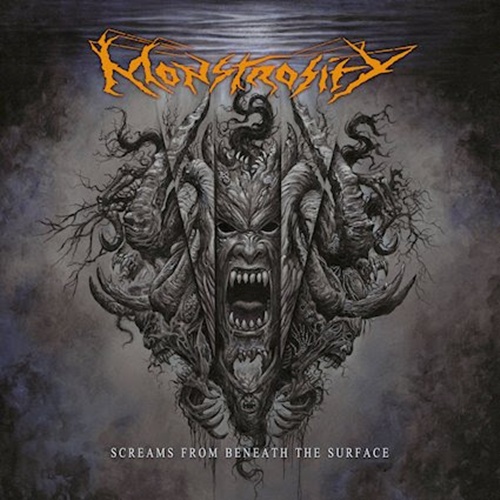
After seven years of silence, “Screams From Beneath The Surface” marks a powerful return for Monstrosity, released through Metal Blade Records and shaped by the creative core of Lee Harrison and Matt Barnes. More than a comeback, it is a reaffirmation of the band’s place in modern death metal.
Hi guys, thanks a lot for taking the time to talk with us. You’re about to unleash your new album “Screams From Beneath The Surface”, a record that comes after a seven-year gap and seems to capture Monstrosity in a very strong place. Screams From Beneath The Surface comes seven years after “The Passage Of Existence”: what did you want this record to say about where Monstrosity stands in 2026, both musically and as a band?
Lee Harrison: Well, we’re just finally glad that the album is going to be unleashed. It’s been a long road to get here, but we’re happy it’s finally going to be available. I wrote four of the songs for the new record during the mixing sessions for the last album and then finished up the writing in the early days of Covid. We began recording in early 2023 and wrapped up last March/April of 2025. After that, we spent some time working on the artwork and sorting out the record deal with Metal Blade, so that took a while too. We ultimately decided together with Metal Blade that instead of rushing the release, we’d push it back to 2026. That way there would be plenty of time for promotion and manufacturing, and we could avoid any last-minute complications. I just got my copies of the vinyl, so I’m thrilled that I can finally hold it in my hands.
With Ed Webb on vocals and the return of original bassist Mark Van Erp, how did this specific lineup influence the songwriting and the overall personality of the album?
Matt Barnes: It was down mostly to Lee and me to handle the songwriting. I think there was an added aggression to the sound with more immediacy in the songs. It is less of an album that you might have to listen to 20 times to get into, and something that hits you straight in the face. Mark Van Erp doesn’t just play bass, he attacks it. And Ed is like a grizzly bear, and one of the best to do it. Overall, I think it’s a meaner and more focused Monstrosity.
Lee Harrison: Each of the guys did a great job on the new record, and everyone stepped up and did exactly what they had to do to get the job done. Ed’s vocals are absolutely stellar, they’re powerful, intense, and really carry the whole thing. Mark absolutely crushed it with the bass tracks, his lines are tight, heavy, and locked in perfectly. Matt was my right-hand man on the songs that I wrote, he was there every step of the way, helping shape them into something special. And his own song, “Fortunes Engraved In Blood”, turned out incredible. Justin Walker added some really sick leads and thematic parts to what Matt was throwing down so it all just worked.
“Banished To The Skies“ opens the record with a very strong statement: why did you choose it as the first track, and what makes it the ideal entry point into this new chapter?
Lee Harrison: It was the first song written for the album and I always envisioned it being the opening track. I think maybe in hindsight we could have picked a faster song to open it but I think the epicness of the song will stand out in the long run. It’s one of my favorite tracks and I think the beginning of the song fits perfectly for an album opener.
Across the album there’s a strong sense of songwriting focus, even in the fastest and most intricate parts: what were the key decisions you took to make these songs memorable without sacrificing intensity?
Matt Barnes: We made countless demos and several revisions to each of the songs. Sometimes it’s difficult to put a lot of time into a song or section and then scrap it altogether. I have something that I always remind myself when writing Monstrosity, If it’s not painful, it’s not Monstrosity. Meaning, if the wrist and forearm of my right arm are not sore after a minute, it’s time to kick things up.
Lee Harrison: That’s kind of where I’m at these days, focusing on songwriting in general rather than just trying to show off a bunch of chops and technical stuff for the sake of it. I know Millennium fans enjoy that more technical side, and this album definitely has plenty of it, but we also made a real effort to incorporate actual songwriting and parts that the more brutal death metal crowd will get into, not just the musician types. We always want to find the perfect balance between those two things. We call it the “Steak And Cheese” formula, you can’t have one without the other, so it’s all about finding that perfect blend. One of our main goals when writing the album was to make sure the songs feel distinct from one another instead of sounding like one song repeated over and over and over. The other thing we wanted was just to make the album vicious in its attack.
Songs such as “The Dark Aura” and “Fortunes Engraved In Blood” introduce a darker, almost atmospheric dimension: was this an intentional way to expand your palette, and how did you work on those moods in the studio?
Matt Barnes: I came with “Fortunes” because I thought we needed something at a mid tempo, and actually that one is not so painful. I’m not sure if it’s atmospheric, but my lead in that one is meant to be disorienting, in order to allow Justin the resolution. I always write as a storyteller, where the song is a journey. I think being raised on Iron Maiden has something to do with it.
Lee Harrison: To me, I don’t see a big difference from what we’ve done in the past. “The Dark Aura” for example could be a distant cousin to “Fragments Of Resolution” from the “Millennium” album whereas “Fortunes Engraved In Blood” could be a cousin to “Suffering To The Conquered” from the “In Dark Purity” record. So, I don’t see the changes being that drastic, honestly.
You split the recording between Audiohammer and Morrisound, working with Jason Suecof on drums and bass and Jim Morris and his team on guitars, vocals and mastering: what did each environment and producer bring to the final sound of the album?
Lee Harrison: Doing the drums at Audio Hammer is a more relaxed situation the way Jason works. We have a good system set up for how we collaborate. He wanted to record the bass guitar at his studio, so we went with that plan. Mark flew down over several weekends, and we tracked usually one song a day until we got the album finished. It was kind of dragged out because we only worked on the weekends, with Mark flying in and out of Orlando. Working at Morrisound was like old times. We love working with Jim. I got the idea to record at Morrisound from doing a mastering session there in 2021 for the project I did with Midnight from Crimson Glory back in 2007 through 2009. He unfortunately passed away in 2009, but I was able to release his stuff posthumously through my label Conquest Music Inc. Anyway, while we were mastering that album, the idea came to me to record Monstrosity at Morrisound. So that’s kind of how that happened. Morrisound is in Tampa, which makes it a lot easier too, instead of driving two hours over to Sanford, Florida.
Looking back from “Imperial Doom”, “Millennium” and “In Dark Purity” up to “Screams From Beneath The Surface”, where do you see this new record sitting in your discography, and what do you hope will resonate most with long time followers and new listeners?
Matt Barnes: I’ve been with Monstrosity now for almost 20 years, but I still have a strong sense of upholding the band’s legacy from before my time. One thing that inspires me is the idea that when people hear what we’ve put together they won’t be able to say, “Monstrosity has gone soft. Must be that new Barnes guy’s doing.” As the driving force, Lee isn’t one to take the easy way and write the same songs over and over, doing rehashes of his songs from the 90s that are rightly considered classics. But if he happens to write something new that feels far removed from that era, I will try to add something that is a reminder of it. So, I think despite the new line up, this will fit right in with Monstrosity’s discography and is one of the strongest statements that a legacy death metal band will ever make.
Lee Harrison: Being so close to the project, it’s really hard to say where it fits in our discography, other than that it’s our latest record, so it should have all the ingredients from our previous albums and all the lessons we’ve learned, so to speak. Each record seems to have its own voice, just because of the way the instruments come together in the mix. It’s always a different setup, different microphones, different techniques we’re trying. So every album ends up with its own distinct character, which is totally fine by us. I know some bands that put out records all the time and they pretty much sound the same. They usually sound good, but at some point, they become interchangeable. We’re already looking forward to the next record. Hopefully it won’t take eight years this time and definitely not eleven. (LOL)
Live, how are you planning to bring “Screams From Beneath The Surface” on stage, in terms of setlist balance with the classics, production, and the overall energy of the show?
Lee Harrison: We always try to cover a few songs from each album in our live show. Sometimes time constraints make it hard to hit each one. This upcoming tour will be no different. We realize a lot of fans want to hear the early material, so we always try to do several songs from Imperial Doom. We like to expose people to the new album so we will play a few songs from it as well.
If you had to leave one final message to the people who will press play on “Screams From Beneath The Surface” for the first time, what would you like them to keep in mind while listening?
Lee Harrison: I actually just finished listening to the vinyl of the album all the way through for the first time. It’s tough because I’m so close to the project, but honestly, I think we did a really good job. If you dig beneath the surface, so to speak, there’s a lot to discover. I’d encourage listeners to give the album multiple spins instead of just putting it away after one go. Repeated exposure can really help a record like this find its longevity. There are so many layers that you might not fully grasp everything on the first listen. It’s like when you get an album and you’re initially hooked on the big hit single. But then you keep playing the whole thing, you eventually get a little tired of that track, and one of the deeper cuts, the one you barely noticed at first, slowly becomes your new favorite. I’ve had that happen with plenty of albums where, after a bunch of listens, the “hits” lose their shine a bit and you end up falling in love with the songs that didn’t grab you right away. So ultimately, my suggestion is simple… dig below the surface. (Pun very much intended.)
Matt Barnes: I think this is a great introduction for new listeners that haven’t heard Monstrosity. Shockingly to some, I believe there is a new generation of death metal fans that might not even know who Monstrosity is. Start with this one and go back. Come out to the show and hear a few songs from each album. Objectively speaking, each Monstrosity album has a unique identity, and there’s not a bad one in the lot. Each album has a different sound, but there is a common thread. That’s one of my favorite things about metal, and it’s something that is being lost today. And for the long time fans of Monstrosity: These Florida boys haven’t gone soft on you yet.
 Il Raglio del Mulo