
ENGLISH VERSION BELOW: PLEASE, SCROLL DOWN!
Emergendo dalle profondità dell’underground sperimentale italiano, i Repetita Iuvant tornano con “3+2”, un full-length pubblicato da Argonauta Records che spinge il loro linguaggio strumentale in territori nuovi e ipnotici. Cristoforo Da Costa, Daniele Isetta e Andrea Testa plasmano chitarre stratificate, synth delicati e ritmi fluidi in paesaggi sonori immersivi e cinematografici, dove tensione e rilascio si fondono in un flusso continuo. Fondato sull’amicizia, sull’istinto e sul potere trasformativo della ripetizione, l’album abbandona le strutture tradizionali dei brani a favore di evoluzioni graduali, permettendo ai motivi musicali di fratturarsi, ricombinarsi ed espandersi in narrazioni meditative e potenti. Con “3+2”, i Repetita Iuvant realizzano un viaggio che è al contempo disciplinato e spontaneo, un’esperienza sonora per chiunque sia attratto dalle atmosfere immersive del post rock e della sperimentazione strumentale.
Ciao Cristoforo, benvenuto su Il Raglio Del Mulo, grazie per il tuo tempo. Il vostro nuovo album “3+2”, in uscita il 10 aprile tramite Argonauta Records, rappresenta un nuovo capitolo nel percorso sonoro dei Repetita Iuvant, tra atmosfere post rock, strutture sperimentali e un forte senso di immersione cinematografica. Per iniziare, come descrivereste questo disco a chi non ha ancora avuto modo di ascoltarlo?
Il disco è composto da 5 brani, come tutti i nostri lavori. Consigliamo sempre di ascoltare il disco dall’inizio alla fine in una botta sola. Questo per noi è molto importante.
Entrando nel cuore di “3+2”, il disco sembra costruirsi attraverso trasformazioni graduali e ripetizioni ipnotiche piuttosto che tramite strutture tradizionali. Come nasce concretamente una vostra composizione: partite da un’idea precisa oppure lasciate che i brani si sviluppino organicamente durante le sessioni di prova?
Una via di mezzo. Diciamo che alcuni sono totalmente improvvisati, altri di meno, tutti presi rigorosamente in presa diretta.
L’interazione tra chitarre, synth e batteria crea nel disco una trama sonora molto fluida, quasi narrativa. In fase di scrittura e arrangiamento quanto è importante il dialogo tra voi tre nel modellare queste dinamiche e trovare il giusto equilibrio tra minimalismo e intensità?
La cosa più importante è il legame di amicizia che ormai da anni ci lega, e il nostro sound si crea da molti ascolti simili, ma anche dalle profonde differenze di visione della musica.
Ascoltando brani come “Calocybe” o “Majorana” si percepisce un forte senso di tensione che cresce e si trasforma nel tempo, come se ogni pezzo raccontasse una storia senza parole. Quanto c’è di istintivo e quanto invece di ragionato nel costruire queste progressioni emotive?
È tutto molto istintivo, direi naturale.
Anche i titoli dei brani sembrano suggerire immagini, concetti o riferimenti non immediatamente espliciti. Come scegliete questi titoli e che tipo di suggestioni o significati nascondono dietro la musica di “3+2”?
Ma in realtà anche i titoli sono molto spontanei e naturali… ci vengono lì per lì. Ahahahah.
Il vostro approccio strumentale richiama spesso l’idea di paesaggi sonori cinematografici. Durante la composizione vi capita di pensare in termini visivi o narrativi, come se steste creando la colonna sonora di una scena immaginaria?
È il nostro piccolo sogno nel cassetto poter sonorizzare e/o fare una colonna sonora. In realtà stiamo già lavorando a qualcosa del genere, ma non anticipiamo nulla.
Nel panorama post rock e strumentale l’uso della ripetizione può diventare una vera e propria firma stilistica. Nel vostro caso sembra quasi una filosofia creativa: quando avete capito che la ripetizione poteva trasformarsi da semplice struttura ritmica a vero motore espressivo della vostra musica?
Il concetto di ripetizione è fondamentale nella vita di tutti i giorni, come nella matematica. Tutta la nostra discografia si basa sulla numerologia.
Dopo un lavoro come “3+2”, che sembra spingere ancora più avanti la vostra identità sonora, quali sono state le reazioni più interessanti o sorprendenti che avete ricevuto finora da chi ha già ascoltato il disco?
Al momento abbiamo pochi riscontri, ma quei pochi molto positivi.
Guardando oltre l’uscita del disco, in che direzione immaginate possa evolvere il percorso dei Repetita Iuvant nei prossimi anni: continuerete a esplorare queste architetture sonore oppure vi incuriosisce l’idea di spingervi verso territori ancora più inaspettati?
Nel prossimo futuro sicuramente cercheremo di sperimentare di più, sempre con il nostro stile, cercando di esaltarlo trasformandolo.
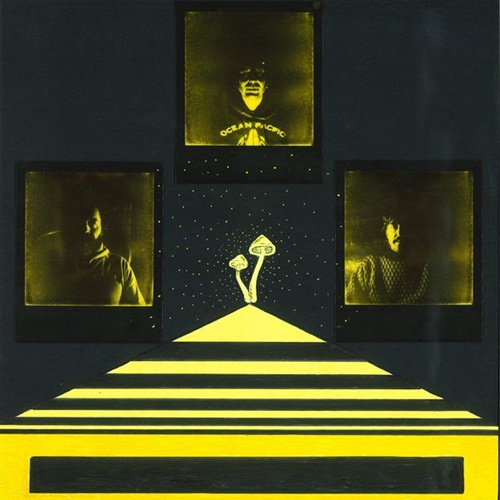
Emerging from the depths of Italy’s experimental underground, Repetita Iuvant return with “3+2”, a full-length on Argonauta Records that pushes their instrumental language into new, hypnotic territories. Cristoforo Da Costa, Daniele Isetta, and Andrea Testa sculpt layered guitars, subtle synths, and fluid rhythms into immersive, cinematic soundscapes where tension and release collide in a seamless flow. Built on friendship, instinct, and the transformative power of repetition, the album abandons conventional song structures in favor of gradual evolutions, allowing motifs to fracture, recombine, and expand into meditative yet powerful narratives. With “3+2”, Repetita Iuvant craft a journey that is both disciplined and spontaneous, a sonic experience for anyone drawn to the immersive atmospheres of post rock and experimental sound exploration.
Hi Cristoforo, welcome to Il Raglio Del Mulo, thanks for your time. Your new album “3+2”, out April 10 via Argonauta Records, marks a new chapter in Repetita Iuvant’s sonic journey, blending post-rock atmospheres, experimental structures, and a strong sense of cinematic immersion. To start, how would you describe this record to someone who hasn’t heard it yet?
The album is made up of 5 tracks, like all our releases. We always recommend listening from start to finish in one go. That’s really important to us.
Diving into “3+2”, the record seems to build through gradual transformations and hypnotic repetitions rather than traditional song structures. How does a composition actually come together: do you start from a clear idea or let the tracks evolve organically during jam sessions?
Somewhere in between. Some tracks are totally improvised, others less so, but everything is captured strictly live in the moment.
The interplay between guitars, synths, and drums creates a fluid, almost narrative sonic web. During writing and arranging, how important is the dialogue between the three of you to shape these dynamics and find the right balance between minimalism and intensity?
The most important thing is the friendship that has bonded us for years, and our sound grows out of many shared listening experiences, but also from deep differences in our musical visions.
Listening to tracks like “Calocybe” or “Majorana”, there’s a strong sense of tension that rises and transforms over time, as if each piece tells a wordless story. How much of that is instinctive and how much is carefully crafted?
It’s all very instinctive, I’d say natural.
Even the track titles seem to evoke images, concepts, or references that aren’t immediately obvious. How do you choose them, and what kind of meanings or suggestions lie behind the music on “3+2”?
Actually, the titles come very spontaneously and naturally… they just pop out. Hahaha.
Your instrumental approach often evokes cinematic soundscapes. When composing, do you think visually or narratively, as if you’re scoring an imaginary scene?
It’s a little dream of ours to score or create a soundtrack. We’re actually already working on something in that direction, but we’re not spilling any details yet.
In the post-rock and instrumental scene, repetition can become a true stylistic signature. In your case, it seems almost a creative philosophy: when did you realize repetition could go from a simple rhythmic structure to the driving force of your music?
The concept of repetition is fundamental in everyday life, just like in mathematics. Our entire discography is built around numerology.
After a work like “3+2”, which pushes your sonic identity even further, what have been the most interesting or surprising reactions from those who have already listened to the album?
So far we’ve had few responses, but the few we got have been really positive.
Looking beyond the release, where do you see Repetita Iuvant heading in the coming years: will you continue exploring these sonic architectures or are you curious to venture into even more unexpected territories?
In the near future we’ll definitely experiment more, always sticking to our style, trying to push it further and make it shine.
 Il Raglio del Mulo