
ENGLISH VERSION BELOW: PLEASE, SCROLL DOWN!
La band heavy metal di Brooklyn, Sanhedrin, torna con il suo nuovo album, “Heat Lightning”, pubblicato tramite Metal Blade Records. Noti per la loro combinazione di metal classico e narrazione evocativa, la band ha registrato questo nuovo lavoro nei leggendari Utopia Bearsville Studios, segnando un cambiamento significativo nel proprio processo di produzione. In questa intervista, Erica Stoltz (voce/basso), Jeremy Sosville (chitarra) e Nathan Honor (batteria) parlano dell’impatto dell’ambiente dello studio, della loro collaborazione con i produttori Matt Brown e Jerry Farley e delle tematiche dietro le tracce più rappresentative dell’album.
Benvenuti su Il Raglio del Mulo. “Heat Lightning” è stato registrato in un ambiente completamente nuovo rispetto ai precedenti. In che modo lo studio Utopia Bearsville ha influenzato il suono e la produzione di questo disco?
ES: A Utopia sono stati realizzati molti album di successo. Lo studio è stato fondato da Todd Rundgren nei primi anni Settanta. È passato di mano diverse volte da allora, ma dispone ancora di ottimi strumenti vintage ben mantenuti, quelli di cui sono fatti i plug-in da sogno. Trovarsi in quello spazio e vedere gli ingredienti di così tanti grandi album è stato un vero privilegio. Usare un banco analogico API con un set uniforme di preamplificatori ha dato al disco un nuovo colore.
JS: Le sale dello studio sono così leggendarie che si può percepire un’atmosfera diversa. Per mancanza di un termine migliore, ci sono dei “fantasmi” tra quelle pareti, provenienti da tutta la grande musica che è stata registrata lì. Essere consapevoli di ciò ha tirato fuori il meglio di noi nelle esecuzioni.
NH: Discutendo del disco con Matt e Jerry, abbiamo deciso che volevamo registrarlo in uno studio con una console, una con abbastanza ingressi da permetterci di registrare tutto attraverso di essa. Volevamo davvero ottenere una coerenza nel suono che si può avere solo colorando ogni elemento con la stessa attrezzatura. Oltre a prenderci il tempo necessario per migliorare i nostri suoni personali, questa coerenza emerge chiaramente nella qualità della produzione di “Heat Lightning”.
In che modo il processo di scrittura di “Heat Lightning” è stato diverso rispetto a quello dei vostri album precedenti? Ci sono state particolari sfide o nuovi approcci che hanno influenzato il risultato finale?
ES: Gli ultimi due album sono stati scritti a distanza. Dal momento che ora viviamo molto lontani l’uno dall’altro, non ci riuniamo più ogni settimana per provare insieme. Questa è una cosa che mi manca molto. Lavorare a distanza ti costringe a essere onesto. Quando finalmente ci incontriamo, è molto utile se ognuno ha fatto i compiti a casa. Dal punto di vista della produzione, abbiamo realizzato delle demo dell’album per Matt e Jerry, in modo da dargli un’idea della direzione sonora che volevamo seguire.
Il cambio di produzione e missaggio con Matt Brown e Jerry Farley ha portato a un suono più aggressivo e dettagliato. Pensate che questo sarà il vostro approccio anche per i prossimi album?
ES: Siamo stati molto soddisfatti del risultato e non avevamo mai avuto prima questo livello di attenzione da parte degli ingegneri del suono.
JS: È un po’ troppo presto per pensare a un futuro album, ma credo che questo approccio sia stata la scelta migliore per queste canzoni. Siamo stati molto fortunati ad avere Matt e Jerry a supportarci nel dare vita alla nostra visione per questo album.
NH: Il livello di dettaglio nel lavoro con Matt e Jerry è stato qualcosa che non avevamo mai sperimentato prima. Colin era un ottimo ingegnere e musicista, ma il suo ruolo come produttore era molto più passivo. Matt e Jerry ci hanno davvero spinto oltre i nostri limiti ed estratto ogni minimo dettaglio dalle nostre performance.
Il titolo dell’album e la canzone “Heat Lightning” fanno riferimento a un fenomeno naturale legato alla distanza e alla percezione. Come si ricollega questa metafora alle vostre opinioni sul cambiamento climatico e sulla condizione umana attuale?
ES: Ben detto: distanza e percezione. Il “Heat Lightning” è il presagio di una tempesta in arrivo. Credo che la tempesta sia già su di noi.
Il brano “Blind Wolf” esplora la perdita dell’istinto a causa dell’adozione del sistema di credenze di qualcun altro. C’è stato un evento o un’esperienza specifica che ha ispirato questa canzone?
ES: Durante un viaggio in Texas, abbiamo visto un paio di documentari sui culti religiosi, e per me il messaggio principale è stato proprio questo.
JS: Inizialmente, i testi erano ispirati alla band e al nostro rapporto. Ad essere sincero, le somiglianze tra unirsi a una setta o iniziare/entrare in una band possono essere piuttosto sorprendenti a volte.
“The Fight of Your Life” è un tributo ai “Lifers” della musica. Come avete vissuto personalmente i sacrifici e la dedizione richiesti dal mondo dell’heavy metal?
ES: Penso che i sacrifici e la dedizione siano simili indipendentemente dal tipo di musica che si suona. Ho strutturato la mia vita in modo da poter suonare e partecipare a progetti come i Sanhedrin. Non ho mai avuto un lavoro a tempo pieno e lavoro come tecnico di palco freelance per pagare le bollette. Il primo verso della canzone è basato su un’esperienza lavorativa che ho avuto anni fa. Ero il tecnico dei monitor per Cedell Davis, una leggenda del Delta blues americano. A quel punto della sua vita era anziano, in sedia a rotelle e stringeva un coltello da burro. Gli chiesi a cosa gli servisse e lui rispose: “Ti taglierò la gola”. Pensai: wow, ci vorrà un po’ con un coltello da burro! Il punto è che quest’uomo aveva avuto la polio e aveva perso l’uso delle gambe in un incidente, ma aveva comunque trovato il modo di suonare la chitarra. Se lo vuoi davvero, trovi un modo.
JS: Il secondo verso è stato scritto in omaggio a Ross “The Boss” Friedman. Ci ha portati in tour nel 2023 e adoravamo sentire tutte le sue storie. Inoltre, è stato incredibilmente generoso con noi, cosa che non sempre accade quando sei la band di apertura di un altro gruppo.
NH: Le nostre vite ruotano ancora attorno alla musica perché non abbiamo scelta. Per alcuni di noi, la musica è la relazione più lunga che abbiamo avuto. I sacrifici sono tanti: al giorno d’oggi non è facile mollare tutto e partire per un tour di un mese. Le sfide economiche del tour sono anche più grandi di quanto non siano mai state. Eppure, quell’ora sul palco riesce sempre a compensare tutto.
“Franklin County Line” trae ispirazione dalla comunità Amish con un tocco “piccante”. Potete raccontarci di più sulla storia dietro questa canzone?
ES: La prima volta che ho visitato Jeremy nel posto in cui vive ora, sono rimasto colpito da quanto fosse isolato. C’è una grande popolazione Amish lì. Vivono senza elettricità, molto separati dagli “English” (come chiamano gli altri abitanti del posto). Mi è sembrato interessante scrivere di come i ragazzi delle due comunità si incontrino per fare festa insieme.
“King of Tides” parla della paura che i puritani avevano nei confronti dei nativi americani. Quali parallelismi vedete tra quella narrazione storica e il mondo di oggi?
JS: Credo che la paura dell’ignoto sia un istinto condiviso da tutti gli esseri umani. Purtroppo, molte persone in posizioni di potere sfruttano questa paura per creare divisioni. Più le cose cambiano, più rimangono le stesse.
Avete in programma un tour per promuovere “Heat Lightning”? Cosa possono aspettarsi i fan dalle vostre esibizioni dal vivo?
ES: A maggio saremo in tour in Europa con i Savage Master. Toccheremo Scandinavia, Germania e Olanda. Suoneremo al Rock Hard Festival e al Muskelrock, e chiuderemo con un concerto speciale a Londra.
L’heavy metal classico ha avuto alti e bassi nella scena musicale americana. Qual è la vostra opinione sullo stato attuale del genere negli Stati Uniti e quale ruolo pensate che band come i Sanhedrin abbiano nella sua evoluzione?
ES: Credo che abbiamo dimostrato che se hai qualcosa che vale la pena condividere, devi condividerlo. L’heavy metal americano sta emergendo come fece il punk negli anni Ottanta.
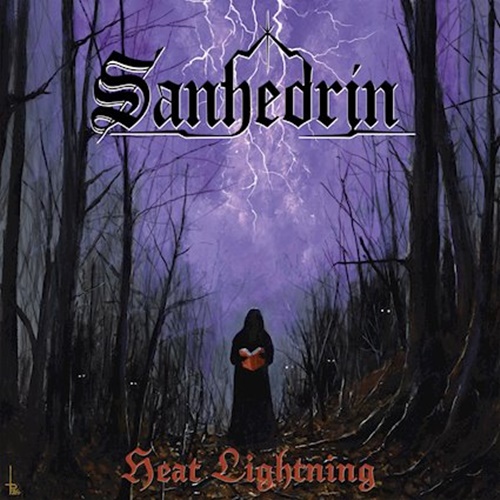
Brooklyn-based heavy metal trio Sanhedrin returns with their latest album, “Heat Lightning“, released via Metal Blade Records. Known for their blend of classic metal and powerful storytelling, the band recorded this new effort at the legendary Utopia Bearsville studio, marking a significant shift in their production process. In this interview, Erica Stoltz (vocals/bass), Jeremy Sosville (guitar), and Nathan Honor (drums) discuss the impact of the studio environment, their collaboration with producers Matt Brown and Jerry Farley, and the themes behind the album’s striking tracks.
Welcome to Il Raglio del Mulo, “Heat Lightning” was recorded in a completely new environment compared to your previous albums. How did the Utopia Bearsville studio influence the sound and production of this record?
ES: There have been many popular albums made at Utopia. The studio was set up by Todd Rundgren in the early seventies. It’s changed hands a few times since, but there is some great, well-maintained vintage gear—the stuff dreamy plug-ins were made of. Being in that space, seeing the ingredients for so many great albums, was a real treat. Using an analog API board with a uniform set of preamps gave the album a new color.
JS: With the studio rooms being so legendary, I really felt you could sense a different atmosphere. For lack of a better term, there are “ghosts” in those walls from all the great music that has been tracked there. Knowing that brought the best performances out of us.
NH: In discussing the record with Matt and Jerry, we agreed that we wanted to make it in a studio with a console, one with enough inputs that we could track everything through it. We really wanted there to be a consistency in the sound that you can only get by coloring every element with the same gear. In addition to really taking our time to step up our personal sounds, this consistency really shines through in the production quality of “Heat Lightning.”
How did the songwriting process for “Heat Lightning” differ from your previous albums? Were there any particular challenges or new approaches that shaped the final result?
ES: The last two albums have been written remotely. Because we live so far away from each other now, we no longer practice together every week. There is a lot about that I miss. Working remotely keeps you honest. When we do come together, it is very helpful if everyone does their homework. From a production perspective, we demoed the album for Matt and Jerry to get an idea of where we wanted to go sonically.
Your shift in production and mixing with Matt Brown and Jerry Farley resulted in a more aggressive and detailed sound. Do you see this as the new approach for future albums?
ES: We were very happy with the results and had never had this level of attention from engineers before.
JS: It’s a little too early to consider a future album, but I think this approach was the best choice we could have made for these songs. We were very fortunate to have Matt and Jerry be the ones helping us fulfill the vision for this album.
NH: The level of detail involved in working with Matt and Jerry was something we hadn’t really had before. Colin was a terrific engineer and musician, but his input as a producer was much more passive. Matt and Jerry really pushed us further than we had gone before and really extracted every bit out of our performances.
The album title and the song “Heat Lightning” reference a natural phenomenon linked to distance and perception. How does this metaphor relate to your views on climate change and the current human condition?
ES: Well put—distance and perception. Heat lightning is the harbinger of a coming storm. I think the storm is upon us.
The track “Blind Wolf” explores the loss of instinct due to adopting someone else’s belief system. Was there a specific event or experience that inspired this song?
ES: On a trip to Texas, we watched a couple of cult documentaries, and that was the takeaway for me.
JS: Prior to that, the initial lyrical influences were about the band and our relationship. To be frank, the similarities between running off to join a cult or starting or joining a band can be quite striking at times.
“The Fight of Your Life” is a tribute to the “Lifers” in music. How have you personally experienced the sacrifices and dedication required in the world of heavy metal?
ES: I think the sacrifices and dedication are similar no matter what type of music you play. I have structured my life so I can play music and participate in projects like Sanhedrin. I have never had a full-time job and freelance as a stage technician to pay the bills. The first verse is taken from a work experience I had years ago. I was doing monitors for Cedell Davis, an American Delta blues legend. At this point, he was elderly, in a wheelchair, and clutching a butter knife. I asked him what the knife was for, and he said, “I’m gonna cut your throat.” I thought, wow, that will take a while with a butter knife. The point being this man had polio and lost the use of his legs in an accident and still figured out a way to shred on the guitar. If you really want it, you will find a way.
JS: The second verse was written in tribute to Ross “The Boss” Friedman. He took us on tour in 2023, and we loved hearing all of his stories. He also was incredibly gracious to us, which is not always the experience when you are the opening act on someone else’s headlining tour.
NH: All of our lives still revolve around playing music because we don’t have a choice. For some of us, music is the longest relationship we’ve had. The sacrifice inherent is a big one. In this day and age, it isn’t easy to drop everything and go on tour for a month. The financial challenges involved in touring are also much greater now than they have ever been. Somehow that hour or so on stage has a way of making up for all of it.
“Franklin County Line” has an unusual inspiration tied to the Amish community with a “naughty twist.” Can you tell us more about the story behind the song?
ES: The first time I visited Jeremy where he currently lives, I was struck by how remote it was. There is a large Amish population up there. They live without electricity, very separately from the “English” (as they are called by the Amish) folks that live in the same rural community. I thought it would be interesting to write about the kids from both communities partying together.
“King of Tides” deals with the Puritans’ fear of Native Americans. What parallels do you see between that historical narrative and today’s world? It seems there are people in America, and the world at large, who are still terrified by people they do not understand.
JS: I think that fear of the unknown is an instinct all people share. Unfortunately, many people in leadership positions will exploit that fear to their advantage by creating such divisions like you speak of. The more things change, the more they stay the same.
Do you have any upcoming tour plans for “Heat Lightning”? What can fans expect from your live performances of these new songs?
ES: In May, we are touring Europe with Savage Master. We will be hitting Scandinavia, Germany, and Holland. We are playing Rock Hard Festival and Muskelrock and have a special show in London at the end of that run.
Classic heavy metal has had its ups and downs in the U.S. music scene. What is your current perception of the genre’s state in America, and what role do you think bands like Sanhedrin play in its evolution?
ES: I think we demonstrated that if you have something worth sharing, share it. American heavy metal is coming up like the punk scene did in the eighties.
 Il Raglio del Mulo