
ENGLISH VERSION BELOW: PLEASE, SCROLL DOWN!
A cinque anni dall’uscita di “Paradiso“ (2020), gli Starbynary tornano con “Romeo and Juliet, Pt. I”, primo volume di un concept album ispirato all’opera di William Shakespeare, in uscita il 27 settembre 2025 per Elevate Records. Guidati da Joe Caggianelli (voce) e Luigi Accardo (tastiere), gli Starbynary esplorano ancora il crocevia tra letteratura e musica, spostando l’attenzione dall’epos dantesco alla tragedia shakespeariana, con un sound progressive che intreccia modernità e tradizione, influenze barocche e musica italiana del Seicento. Oltre a Alfonso Mocerino (batteria) e Sebastiano Zanotto (basso), il progetto vede l’ingresso del chitarrista Alessandro Cossu e la partecipazione straordinaria del soprano barocco Anna Piroli.
Benvenuti e grazie per questa chiacchierata! A cinque anni dall’uscita di “Paradiso”, gli Starbynary tornano con “Romeo and Juliet, Pt. I”. Qual è l’atmosfera o il messaggio principale che avete voluto trasmettere con questo nuovo progetto?
Joe Caggianelli: Innanzitutto buongiorno. Per quanto mi riguarda, essendo la mente dietro ai vari concept, non credo ci sia un messaggio unico da trasmettere: la mia vera spinta è semplicemente la voglia di fare buona musica. Ho scelto Romeo e Giulietta perché, a mio avviso, si presta molto bene a interpretare e valorizzare il carattere musicale di Starbynary.
Luigi Accardo: L’atmosfera di un grande classico della letteratura è stata senza dubbio molto stimolante. Le molteplici situazioni, gli stati d’animo e i sentimenti che emergono da una lettura di questo genere rappresentano per me una fonte inesauribile di ispirazione musicale.
Avete ragionato sulla possibilità di realizzare un album singolo, magari non concettuale, o avete scelto fin da subito di puntare su un concept su più dischi?
Joe Caggianelli: Che si tratti di un concept è stato deciso fin da subito, visto che ormai questa caratteristica è diventata una sorta di marchio di fabbrica di Starbynary. Quando poi ho scritto lo storyboard delle tracce, mi sono accorto subito di aver diviso la storia in circa 15/16 canzoni e, insieme al ‘prof’, abbiamo convenuto che forse sarebbe stato meglio spezzarla in due parti. In fondo, le cose prendono forma davvero solo quando ci si mette mani e testa.
Luigi Accardo: Al momento della stesura delle musiche, ho pensato che dividere il tutto in due parti sarebbe stato non solo più accattivante, ma anche utile per noi, per dare ordine alle idee e alle strutture musicali.
Avete già pensato a sviluppare l’opera in tre parti, come accaduto con la trilogia dedicata alla Divina Commedia, o il progetto avrà un’impostazione diversa?
Joe Caggianelli: No, le parti sono due. Ci sarà sicuramente un “Romeo and Juliet Pt. II” che chiuderà il progetto.
L’album prende spunto dalla tragedia shakespeariana di Romeo e Giulietta. Vi siete limitati a raccontare le vicende dei due innamorati di Verona, oppure cercate anche di dare un significato simbolico calato nella realtà odierna?
Joe Caggianelli: No, per quanto mi riguarda non c’è alcun significato latente, politico o critico: c’è semplicemente la volontà di raccontare la storia di Shakespeare attraverso la nostra musica.
Luigi Accardo: Dal mio punto di vista, il valore aggiunto sta proprio nella forza dell’opera: Romeo e Giulietta è un classico universale, capace di parlare a ogni epoca senza bisogno di forzature o attualizzazioni. La nostra sfida è stata tradurre quella potenza drammatica ed emotiva in musica, cercando di restare fedeli allo spirito shakespeariano. Inoltre, credo che l’operazione stessa di mettere in musica un classico di questo livello abbia già di per sé un valore intrinseco: significa confrontarsi con un patrimonio culturale immenso e offrirgli una nuova personale forma di vita attraverso il nostro piccolo contributo.
“Romeo and Juliet, Pt. I” si muove in un terreno progressive con strutture articolate, armonie complesse e dialoghi tra modernità e tradizione. Quali sono state le principali sfide compositive e musicali nel realizzare questo album?
Luigi Accardo: Le principali sfide sono state trovare il giusto equilibrio tra la complessità tipica del progressive e la necessità di mantenere la musica fruibile, senza perdere il filo narrativo. Quando si lavora su strutture articolate e su un concept come Romeo e Giulietta, bisogna prestare attenzione a far sì che ogni brano abbia un’identità precisa, ma allo stesso tempo resti parte di un racconto unico e coerente. Inoltre, il dialogo tra modernità e tradizione non è mai semplice: serve evitare che i due mondi restino separati, e cercare invece un’integrazione organica. In questo mi ha aiutato molto il mio background personale: essendo clavicembalista e dedito alla musica antica, porto inevitabilmente con me un bagaglio di linguaggi che rimandano a quel mondo, in particolare alla musica italiana del primo ’600. Nel disco ci sono infatti numerose citazioni che richiamano i capolavori di Claudio Monteverdi, come il Vespro della Beata Vergine e l’Orfeo. Sono riferimenti che arricchiscono il tessuto musicale, creando ponti tra epoche diverse e rafforzando il carattere ibrido dell’album.
La formazione si arricchisce con l’ingresso del chitarrista Alessandro Cossu e la partecipazione straordinaria del soprano barocco Anna Piroli. In che modo questi contributi hanno influenzato il suono e l’approccio all’album?
Luigi Accardo: L’ingresso di Alessandro Cossu ha portato una ricchezza enorme al nostro suono. Oltre alla sua esperienza con gli Ashent nel mondo del prog metal, Alessandro è un musicista estremamente corretto e versatile, capace di spaziare con naturalezza tra diversi generi, con una particolare affinità per fusion e blues. Questo si riflette soprattutto nel suo gusto raffinato nella scrittura e nell’esecuzione dei soli, che lo rende immediatamente riconoscibile anche all’interno dell’universo chitarristico metal. Anna Piroli, invece, è una cantante straordinaria, attiva oggi nel mondo della musica antica e barocca, con collaborazioni prestigiose con importanti ensemble del settore. Io e lei abbiamo già lavorato insieme alla realizzazione di un disco dedicato al repertorio del secondo ’600, e conoscendo la sua passione per il metal — che coltiva fin da quando era ragazzina — ho voluto fortemente coinvolgerla in questo progetto. Il suo apporto vocale ha dato un colore unico all’album, creando un ponte naturale tra la dimensione classica e quella più moderna del nostro linguaggio musicale.
Il vostro percorso ha sempre esplorato il crocevia tra letteratura e musica. In che modo l’opera di Shakespeare ha guidato il vostro lavoro rispetto alla trilogia dantesca precedente?
Joe Caggianelli: Per la trilogia dantesca ho dovuto affrontare un lavoro molto più lungo e certosino: non solo la divisione in tre CD, ma anche l’analisi approfondita delle tematiche su cui far ruotare la tracklist e il flusso narrativo. Per esempio, nell’Inferno i protagonisti sono i personaggi, nel Purgatorio le pene, e nel Paradiso i pianeti. Con Shakespeare, invece, l’approccio è stato diverso: mi sono lasciato guidare in modo più diretto dagli avvenimenti principali dell’opera, tracciando così la storia che si sviluppa nei due dischi.
Via andrebbe di fare la vostra Top 5 dei concept album?
Ci sono brani particolarmente significativi o esperienze di registrazione che ricordate come momenti chiave della realizzazione dell’album?
Joe Caggianelli: Per me un momento davvero significativo è stata la registrazione con Anna. Non la conoscevo personalmente e l’incontro mi ha permesso di avvicinarmi, anche se solo per poco, al mondo della vocalità barocca: un ambito lontano dal mio, ma che mi affascina moltissimo. In più ho avuto la fortuna di scoprire non solo una grande professionista, ma anche una splendida persona. Siamo felicissimi di poterla accogliere di nuovo per la seconda parte del progetto.
Luigi Accardo: Per me l’intero processo compositivo è stato emozionante: dopo anni di inattività con gli Starbynary, è tornata all’improvviso quell’energia indispensabile per affrontare un progetto di questa portata. Ora speriamo davvero di non fermarci più.
Con l’uscita di “Romeo and Juliet, Pt. I”, quali sono i vostri obiettivi per il futuro: continuerete a sviluppare il concept, pensate a live e presentazioni particolari, o ci saranno altre novità per i fan?
Joe Caggianelli: Come dicevo prima, il nostro obiettivo immediato è completare la seconda parte di Romeo and Juliet. Allo stesso tempo ci piacerebbe molto riportare gli Starbynary dal vivo: sarebbe un passo importante per condividere questa energia direttamente con il pubblico. Vedremo cosa ci riserverà il futuro, ma di certo non mancheranno novità per tutti quelli che ci seguono.
Luigi Accardo: Sicuramente l’obiettivo principale è completare la stesura della seconda parte e arrivare alla sua pubblicazione. Nel frattempo, come dice Joe, sarebbe bellissimo poter riprendere anche l’attività live: i tempi non sono facili e le occasioni non abbondano, ma siamo convinti che questo lavoro, così come i precedenti, meriti di essere portato sul palco.
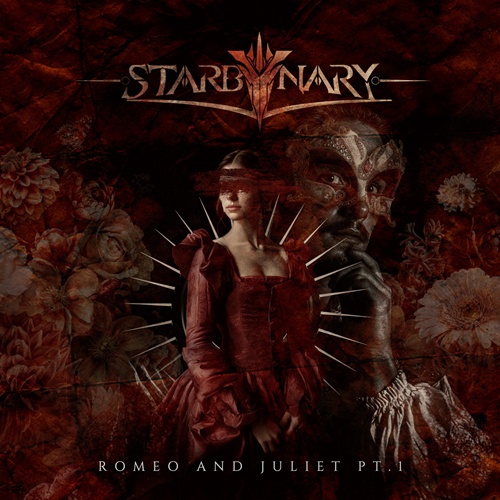
Five years after the release of “Paradiso“ (2020), Starbynary return with “Romeo and Juliet, Pt. I”, the first volume of a concept album inspired by William Shakespeare’s work, out on September 27, 2025 via Elevate Records. Led by Joe Caggianelli (vocals) and Luigi Accardo (keyboards), Starbynary continue to explore the crossroads between literature and music, shifting their focus from Dante’s epic to Shakespeare’s tragedy, with a progressive sound that intertwines modernity and tradition, baroque influences, and Italian music from the seventeenth century. Alongside Alfonso Mocerino (drums) and Sebastiano Zanotto (bass), the project also introduces guitarist Alessandro Cossu and features the extraordinary participation of baroque soprano Anna Piroli.
Welcome and thank you for this chat! Five years after the release of “Paradiso”, Starbynary return with “Romeo and Juliet, Pt. I”. What is the main atmosphere or message you wanted to convey with this new project?
Joe Caggianelli: First of all, good morning. As far as I’m concerned, being the mind behind the various concepts, I don’t believe there is a single message to convey: my real drive is simply the desire to make good music. I chose Romeo and Juliet because, in my opinion, it lends itself very well to interpreting and enhancing the musical character of Starbynary.
Luigi Accardo: The atmosphere of a great literary classic was undoubtedly very stimulating. The many situations, moods, and feelings that emerge from such a reading represent for me an inexhaustible source of musical inspiration.
Did you consider the possibility of making a single album, perhaps not a concept one, or did you decide right from the start to go for a multi-disc concept?
Joe Caggianelli: That it would be a concept was decided right from the beginning, since by now this has become a kind of trademark of Starbynary. When I then wrote the storyboard of the tracks, I immediately realized I had divided the story into about 15/16 songs, and together with the ‘prof’ we agreed that maybe it would be better to split it into two parts. After all, things really take shape only when you put your hands and mind to them.
Luigi Accardo: At the time of writing the music, I thought that dividing everything into two parts would not only be more appealing, but also useful for us, to give order to the ideas and musical structures.
Have you already thought of developing the work in three parts, as with the trilogy dedicated to the Divine Comedy, or will the project have a different structure?
Joe Caggianelli: No, there will be two parts. There will definitely be a “Romeo and Juliet Pt. II” that will close the project.
The album is inspired by Shakespeare’s tragedy Romeo and Juliet. Did you limit yourselves to recounting the events of the two lovers of Verona, or did you also try to give it a symbolic meaning related to today’s reality?
Joe Caggianelli: No, as far as I’m concerned there’s no latent, political or critical meaning: it’s simply the desire to tell Shakespeare’s story through our music.
Luigi Accardo: From my point of view, the added value lies precisely in the strength of the work itself: Romeo and Juliet is a universal classic, able to speak to every era without the need for forcing or updates. Our challenge was to translate that dramatic and emotional power into music, trying to remain faithful to the Shakespearean spirit. Moreover, I believe that the very act of setting a classic of this level to music already has intrinsic value: it means confronting an immense cultural heritage and giving it a new personal form of life through our small contribution.
“Romeo and Juliet, Pt. I” moves in a progressive territory with elaborate structures, complex harmonies, and dialogues between modernity and tradition. What were the main compositional and musical challenges in creating this album?
Luigi Accardo: The main challenges were finding the right balance between the typical complexity of progressive and the need to keep the music accessible, without losing the narrative thread. When working on elaborate structures and on a concept like Romeo and Juliet, you need to ensure that each track has a precise identity, but at the same time remains part of a single, coherent story. Moreover, the dialogue between modernity and tradition is never easy: you must avoid the two worlds remaining separate, and instead seek an organic integration. My personal background helped me a lot in this: being a harpsichordist and devoted to early music, I inevitably carry with me a wealth of languages that recall that world, in particular the Italian music of the early 1600s. In the album there are indeed numerous quotations that recall the masterpieces of Claudio Monteverdi, such as the Vespro della Beata Vergine and the Orfeo. These are references that enrich the musical fabric, creating bridges between different eras and strengthening the hybrid character of the album.
The line-up is enriched by the arrival of guitarist Alessandro Cossu and the extraordinary participation of baroque soprano Anna Piroli. How have these contributions influenced the sound and approach to the album?
Luigi Accardo: The arrival of Alessandro Cossu brought enormous richness to our sound. Beyond his experience with Ashent in the world of prog metal, Alessandro is an extremely precise and versatile musician, able to move naturally between different genres, with a particular affinity for fusion and blues. This is reflected above all in his refined taste in writing and performing solos, which makes him immediately recognizable even within the metal guitar universe. Anna Piroli, on the other hand, is an extraordinary singer, active today in the world of early and baroque music, with prestigious collaborations with major ensembles in the field. She and I have already worked together on an album dedicated to late 17th-century repertoire, and knowing her passion for metal — which she has nurtured since she was a teenager — I was eager to involve her in this project. Her vocal contribution gave a unique color to the album, creating a natural bridge between the classical dimension and the more modern side of our musical language.
Your path has always explored the crossroads between literature and music. How did Shakespeare’s work guide your approach compared to the previous Dante trilogy?
Joe Caggianelli: For the Dante trilogy I had to face a much longer and more meticulous job: not only the division into three CDs, but also the in-depth analysis of the themes around which to build the tracklist and the narrative flow. For example, in Inferno the protagonists are the characters, in Purgatorio the punishments, and in Paradiso the planets. With Shakespeare, on the other hand, the approach was different: I let myself be guided more directly by the main events of the play, thus tracing the story that unfolds over the two albums.
Would you like to make your Top 5 concept albums?
Are there any particularly significant tracks or recording experiences that you remember as key moments in the making of the album?
Joe Caggianelli: For me, a truly significant moment was the recording with Anna. I didn’t know her personally, and the encounter allowed me to get closer, even if only briefly, to the world of baroque singing: a field far from my own, but one that fascinates me greatly. In addition, I had the good fortune of discovering not only a great professional, but also a wonderful person. We are very happy to welcome her back for the second part of the project.
Luigi Accardo: For me, the entire compositional process was exciting: after years of inactivity with Starbynary, that indispensable energy to tackle a project of this scope suddenly returned. Now we really hope not to stop anymore.
With the release of “Romeo and Juliet, Pt. I”, what are your goals for the future: will you continue to develop the concept, are you thinking of live shows and special presentations, or will there be other news for the fans?
Joe Caggianelli: As I said earlier, our immediate goal is to complete the second part of Romeo and Juliet. At the same time, we would really like to bring Starbynary back on stage: it would be an important step to share this energy directly with the audience. We’ll see what the future holds, but there will certainly be news for all those who follow us.
Luigi Accardo: Surely the main goal is to complete the writing of the second part and reach its release. In the meantime, as Joe says, it would be wonderful to also resume live activity: times are not easy and opportunities are scarce, but we are convinced that this work, like the previous ones, deserves to be brought to the stage.
 Il Raglio del Mulo