
ENGLISH VERSION BELOW: PLEASE, SCROLL DOWN!
Nati a Ravenna nel 2010, i Void of Sleep uniscono in una miscela potente e originale sludge, doom, progressive e atmosfere psichedeliche. Dopo “Tales Between Reality And Madness” (2013), “New World Order” (2015) e “Metaphora” (2020), la band è tornata con “The Abyss Into Which We All Have to Stare”, una colonna sonora del declino di una società narcisista, con sintetizzatori coinvolti fin dalla scrittura e un approccio più progressivo e contemporaneo. A parlarcene è stato Andrea “Burdo“ Burdisso.
Benvenuto Andrea, è un vero piacere poterti intervistare! Siete ormai da anni una delle realtà consolidate e più originali del panorama metal progressivo europeo, grazie a una continua evoluzione stilistica e a lavori che mescolano sludge, doom, psichedelia e una forte identità espressiva. Il vostro nuovo album “The Abyss Into Which We All Have to Stare” segna una svolta nell’approccio compositivo, grazie all’utilizzo dei sintetizzatori e a un respiro ancora più prog. Come è nato il processo creativo di questo disco e in che modo le nuove tecnologie hanno influenzato scrittura e arrangiamenti?
Ciao, il piacere è nostro! Ti ringraziamo per darci l’opportunità di parlare di questo nostro nuovo lavoro in uscita. A differenza del predecessore “Metaphora”, che era stato in gran parte scritto a tre mani, precedentemente all’inserimento in line-up di Momo ai synth e Burgio al basso, che diedero il loro contributo in aggiunta a quanto già fosse stato composto, questa volta fin da subito abbiamo deciso di approcciare la scrittura dei brani dando molta più importanza anche all’elettronica, cercando di utilizzare le idee di tutti per texturizzare ancora di più il nostro sound, rendendo la parte elettronica più in primo piano, ma comunque sempre amalgamata con gli strumenti più “organici”. Diciamo che, come di consueto, siamo partiti da lunghe jam in sala prove, messo carne al fuoco e appena abbiamo capito la direzione che ci interessava intraprendere, sia musicalmente che liricamente, ci siamo tuffati in un vero e proprio abisso sonoro e psichico, a tratti sconosciuto rispetto a quello che avevamo fatto fino ad ora… una sfida che è durata all’incirca quattro anni, ma che possiamo dire di aver concluso in maniera molto soddisfacente, almeno dal nostro punto di vista.
L’album viene presentato come una colonna sonora per il declino sociale, affrontando tematiche oscure come il narcisismo, il nichilismo e la perdita di senso. Quanto questi elementi sono centrali nei testi e come avete gestito il rapporto tra musica e argomenti così attuali?
Come compositore dei testi nella band, ho cercato di rendere partecipi il più possibile anche i miei compagni, sul mood, gli argomenti e tutto ciò che serviva per fare in modo che anche la musica e qualsiasi loro contributo fosse funzionale al concept lirico dei brani. Questo è stato fondamentale per raggiungere il risultato di ciò che è “The Abyss Into Which We All Have to Stare”. Mi fa piacere che tu abbia parlato di “colonna sonora”, perché effettivamente il risultato è sicuramente quello di un disco molto più cinematico e riflessivo rispetto a quelli del passato, pur non mancando delle giuste sferzate sludge/doom. Credo che il risultato finale sia un sound più fresco e con un’idea di “progressive” che va oltre quella del classico progressive rock.
Registrare questo nuovo album a Ravenna ha aggiunto qualcosa all’atmosfera generale? Avete lavorato con collaboratori particolari o è cambiata la dinamica di gruppo rispetto ai dischi precedenti?
Abbiamo fatto una lunga pre-produzione per questo album, che ho curato in gran parte personalmente. C’erano veramente tante tracce e idee da incastrare. Momo, con gli stessi synth, aveva fatto un lavoro colossale con decine di tracce separate tra fraseggi, tappeti, samples, arpeggiatori ecc. Oltre a questo, ha suonato anche la chitarra su alcune canzoni, per cui ci sono stati davvero tanti arrangiamenti anche a tre chitarre, da far quadrare, capire cosa tenere esattamente, cosa sacrificare ecc. Avere una base ritmica già piuttosto a fuoco da parte di Allo e Burgio (batteria e basso) ci ha permesso di fare tutti questi aggiustamenti e arrivare in studio per le registrazioni piuttosto tranquilli e risoluti. Arrivati allo Studio 73 di Ravenna, il nostro collaboratore più prezioso è stato Riccardo Pasini, nostro ex bassista, bravissimo sound engineer e produttore già vincitore di un Grammy indipendente. Tornare nel nostro “home studio” di Ravenna è stato fondamentale per questo album, come lo era stato per “Metaphora” uscire dalla nostra comfort zone e andare al Domination Studio. Paso, oltre a dimostrare ulteriori miglioramenti professionali, conoscendoci sia sul lato umano che artistico, ci ha restituito la giusta obiettività che noi potevamo aver perso, lavorando al progetto da quattro anni, e ci ha dato i giusti consigli oltre all’ottimo lavoro dietro la consolle, che tutti potete sentire sull’album. In pratica, è stata una session abbastanza tranquilla e rilassata, che ci ha permesso di sperimentare il giusto per trovare il sound adatto a un progetto già ben definito. Troviamo che il risultato finale, anche in termini di qualità sonora, sia eccellente.
Se doveste scegliere un brano o un passaggio del disco che meglio rappresenta la vostra evoluzione, quale sarebbe e perché?
Abbiamo già due brani in anteprima che si possono ascoltare in rete, che sono l’opening track “Omens from Nothingness” e “Of a Demon in My View”, che spesso ci rappresentano appieno, perché si sente sia il nuovo che il vecchio corso della band. Personalmente però, se devo scegliere il brano che più contiene la cifra stilistica di ognuno di noi, riassumendo quindi nell’interezza i VoS nel 2025, direi “Lullaby of Woe”.
Come state preparando la dimensione live di questi nuovi brani, e quali reazioni sperate di suscitare nel pubblico?
Pur avendo “sgrassato” rispetto alla versione in studio diversi particolari non fondamentali nell’esecuzione live dei pezzi, la presenza di diverse automazioni e arpeggiatori a livello di synth e backing tracks, soprattutto nelle parti dove Momo suona la chitarra o dove ci sono strumenti “guest” che non possiamo purtroppo avere al seguito nei live, ci ha portato, come molti, a suonare i pezzi dell’album a click, per rispettare tutte le atmosfere e il mood dell’album stesso, che altrimenti sarebbe stato replicato in maniera decisamente più scarna. In linea di massima ci piace avere versioni più “umanizzate” nei live, senza per forza riprodurre tutto esattamente come nei dischi, ed è quello che abbiamo fatto negli altri tre album. In questo caso, il disco è volutamente algido e privo di qualsiasi ottimismo umano, quindi sarebbe stata la scelta sbagliata… questo però non significa che non sarà emozionante per chi ascolta!
Guardando al futuro dopo questo importante lavoro, quali nuove direzioni sonore o tematiche pensate di esplorare?
A tempo debito ci troveremo a un tavolo per parlarne. Credo che ognuno di noi abbia la propria idea, ma è veramente troppo presto. Io personalmente, in tutta onestà, non ho assolutamente un’idea chiara a riguardo.
Prima di salutarti, vorrei tornare a un momento molto difficile della vostra carriera: il furto totale della strumentazione durante un concerto a Roma. Cosa avete pensato in quel momento quando è successo e quale riflessione fate oggi, a distanza di anni, su quell’episodio e su come lo avete superato artisticamente e personalmente?
Non voglio sembrarti sbrigativo, ma penso che non ci sia molto da dire. Se ti guardi attorno e vedi quello che succede nel mondo, il nostro furto subito è solo l’ennesima minuscola briciola di ingiustizia che permea da ogni poro di questa marcia umanità, che ha pecche ben peggiori da espiare. Come già detto, fu una brutta botta, ma che potevamo fare? Ci siamo caricati sulle spalle il peso degli oneri che ci toccavano senza piangerci troppo addosso. Avevamo date e impegni già fissati, per cui abbiamo raccolto un po’ di aiuti con il crowdfunding fatto all’epoca assieme ai Nero di Marte (l’altra band coinvolta). Qualche amico ci ha gentilmente prestato per qualche tempo parte della strumentazione necessaria e con qualche debito qua e là ci siamo ripagati tutto. Pensavamo di essere “sgamati”, ma non lo eravamo… ora lo siamo un po’ di più sicuramente.
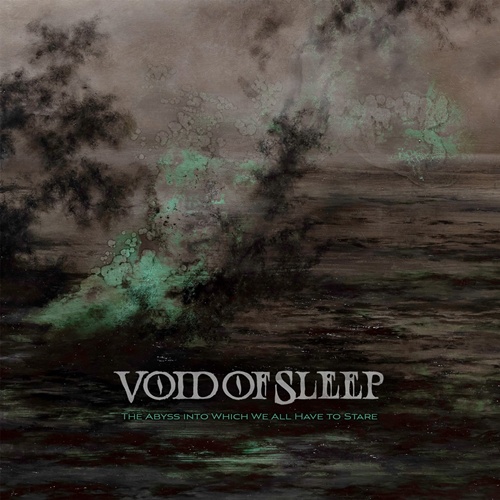
Born in Ravenna in 2010, Void of Sleep blend sludge, doom, progressive, and psychedelic atmospheres into a powerful and original mix. After “Tales Between Reality And Madness“ (2013), “New World Order“ (2015), and “Metaphora“ (2020), the band is back with “The Abyss Into Which We All Have to Stare“, a soundtrack to the decline of a narcissistic society, with synthesizers involved from the very start of the writing process and a more progressive, contemporary approach. Andrea “Burdo” Burdisso talked to us about it.
Welcome Andrea, it’s a real pleasure to interview you! You’ve been one of the most original and established names in the European progressive metal scene for years, thanks to your constant stylistic evolution and works that blend sludge, doom, psychedelia, and a strong expressive identity. Your new album “The Abyss Into Which We All Have to Stare“ marks a turning point in your compositional approach, with the use of synthesizers and an even more progressive feel. How did the creative process for this album start, and how did new technologies influence the writing and arrangements?
Hi, the pleasure is ours! Thanks for giving us the chance to talk about our new release. Unlike our previous album “Metaphora”, which was mostly written by three of us before Momo joined on synths and Burgio on bass, contributing in addition to what was already composed, this time we decided from the very beginning to approach the writing with a much stronger focus on electronics. We tried to use everyone’s ideas to further texture our sound, bringing the electronic parts to the forefront while keeping them fully integrated with the more “organic” instruments. As usual, we started with long jam sessions in the rehearsal room, threw a lot of ideas on the table, and once we understood the direction we wanted to take, both musically and lyrically, we plunged into a true sonic and psychic abyss, at times unfamiliar compared to what we had done before… a challenge that lasted around four years, but one we can say we’ve completed very satisfactorily, at least from our perspective.
The album is presented as a soundtrack to social decline, tackling dark themes like narcissism, nihilism, and the loss of meaning. How central are these elements in the lyrics, and how did you handle the relationship between music and such current topics?
As the lyricist of the band, I tried to involve my bandmates as much as possible in the mood, topics, and everything needed to make sure that the music and their contributions served the lyrical concept of the songs. This was essential to achieve what “The Abyss Into Which We All Have to Stare is”. I’m glad you mentioned “soundtrack,” because the result really is a much more cinematic and reflective album compared to our past work, while still delivering the right sludge/doom punches. I think the final outcome is a fresher sound, with a sense of “progressive” that goes beyond classic progressive rock.
Did recording this new album in Ravenna add something to the overall atmosphere? Did you work with any special collaborators, or did the group dynamic change compared to previous albums?
We did a long pre-production for this album, which I mostly handled myself. There were so many tracks and ideas to fit together. Momo did an incredible job with the synths, with dozens of separate tracks including riffs, layers, samples, arpeggiators, etc. On top of that, he also played guitar on some songs, so there were really a lot of arrangements, sometimes with three guitars, that needed to be balanced, figuring out what to keep and what to cut. Having a solid rhythm section already in place from Allo and Burgio (drums and bass) allowed us to make all these adjustments and go into the studio confident and calm. At Studio 73 in Ravenna, our most valuable collaborator was Riccardo Pasini, our former bassist, an excellent sound engineer and producer, and an independent Grammy winner. Returning to our “home studio” in Ravenna was crucial for this album, just like stepping out of our comfort zone to record “Metaphora” at Domination Studio had been. Paso, besides showing professional improvements and knowing us both personally and artistically, gave us the objectivity we might have lost after working on the project for four years. He offered the right advice and outstanding work behind the console, which you can hear on the album. It was a fairly calm and relaxed session, allowing us to experiment just enough to find the right sound for an already well-defined project. We think the final result, including the sound quality, is excellent.
If you had to choose a song or a passage from the album that best represents your evolution, which would it be and why?
We already have two songs online in preview, the opening track “Omens from Nothingness” and “Of a Demon in My View”, which often represent us fully, because you can hear both the new and the old course of the band. Personally, if I have to pick the song that contains the stylistic essence of each of us, summing up Void of Sleep in 2025, I’d say “Lullaby of Woe”.
How are you preparing the live versions of these new songs, and what reactions do you hope to get from the audience?
Even though we’ve “slimmed down” some non-essential details from the studio versions for live performance, the presence of automation and arpeggiators in the synths and backing tracks—especially where Momo plays guitar or where there are guest instruments we can’t bring on tour—led us, like many bands, to play the songs to a click track to preserve the album’s atmosphere and mood, which otherwise would have been much harder to replicate. In general, we like live versions to feel more “humanized,” without reproducing every detail from the records, which we’ve done on our previous three albums. This album is intentionally cold and devoid of any human optimism, so reproducing it exactly would have been the wrong choice… but that doesn’t mean it won’t be moving for the audience.
Looking to the future after this important release, what new sonic directions or themes do you plan to explore?
At the right time we’ll sit down to discuss it. I’m sure each of us has ideas, but it’s really too early. Personally, I honestly have no clear idea yet.
Before we wrap up, I want to go back to a very difficult moment in your career: the total theft of your equipment during a show in Rome. What did you think at that moment, and what reflection do you have now, years later, on that episode and how you overcame it artistically and personally?
I don’t want to sound dismissive, but I don’t think there’s much to say. If you look around at what’s happening in the world, our theft was just another tiny crumb of injustice permeating this flawed humanity, which has far worse faults to atone for. As I said, it was a rough blow, but what could we do? We took on the responsibility without complaining too much. We already had dates and commitments, so we gathered some help via crowdfunding at the time together with Nero di Marte (the other band involved). Some friends kindly lent us part of the equipment for a while, and with a few small debts here and there we paid everything back. We thought we were “street-smart” but we weren’t… now we’re a little wiser, for sure.
 Il Raglio del Mulo