
ENGLISH VERSION BELOW: PLEASE, SCROLL DOWN!
Il debutto full-length dei Wheel of Time, “Asymmetry”, è un progetto audace e ambizioso che fonde progressive e power metal con elementi orchestrali e influenze orientali. Guidato dal chitarrista e mente creativa Jimmie Hong, l’album vede la partecipazione di musicisti internazionali di grande talento, offrendo un viaggio musicale ricco e variegato. Abbiamo parlato con Jimmie del processo creativo dietro “Asymmetry”, delle sfide e delle soddisfazioni di una collaborazione globale, e della sua visione del progressive metal in Cina e oltre.
Jimmie, grazie per averci dedicato il tuo tempo e congratulazioni per l’uscita di “Asymmetry”. Questo ambizioso debutto full-length dei Wheel of Time fonde progressive e power metal con elementi orchestrali e influenze orientali, mostrando la tua visione attraverso un cast internazionale di musicisti di alto livello. Quali sono stati gli obiettivi artistici che ti sei posto per questo album e come pensi che rappresenti la tua identità e il tuo percorso musicale finora?
Ciao Giuseppe, grazie mille per questa bella domanda, è un onore essere intervistato da te! Come hai giustamente detto, questo album racchiude una varietà di atmosfere: per esempio, “Addicted!…” mostra le influenze di band europee di power metal melodico come Stratovarius o Yngwie J. Malmsteen’s Rising Force. “Freedom Day” ha qualche traccia che ricorda i Symphony X. “Grand Cosmos” e “2063” sono più prog, mentre “…To the Awakening” presenta elementi orchestrali. “China Moon” è invece un pezzo speciale, con caratteristiche distintive della musica tradizionale cinese. In sostanza, il mio intento è stato quello di rendere ogni canzone il più diversificata possibile. Mi sono ispirato a un album di Lee Ritenour chiamato “6 String Theory”: anche se non è metal, mi ha ispirato molto perché ogni brano ha un gusto e un genere diversi, ma tutti molto riconoscibilmente “Lee Ritenour”. Credo che questa idea di varietà e identità coerente sia stata una fonte di ispirazione quando ho pianificato “Asymmetry”. Non ho cercato di rendere qualche canzone più “melodica” o “piacevole” a tutti i costi, ho semplicemente scritto quello che pensavo e sentivo in quel momento, cercando di essere onesto. Questo è stato l’unico obiettivo. La scrittura è durata un paio d’anni, quindi ascoltando tutto si percepisce come il mio stato d’animo sia cambiato nel tempo. Per me l’album rappresenta un periodo speciale della mia vita, fatto di confusione, lotte interiori, introspezione, riflessione e anche di fede. Un grazie enorme va a tutti i musicisti che hanno partecipato a questo progetto, perché grazie a loro ho potuto mettere insieme tutte le mie idee “pazze” e trasformarle in un album vero e proprio.
Il progetto è una vera collaborazione globale che coinvolge musicisti da cinque continenti. Quali sono state le principali sfide e le soddisfazioni nel coordinare un impegno internazionale così ambizioso durante la realizzazione di “Asymmetry”?
È un argomento molto interessante! Come chitarrista che ha anche un lavoro a tempo pieno, direi che la prima grande sfida è stata il tempo. Durante la settimana devo concentrarmi sul lavoro quotidiano e nei weekend ho sempre altri impegni, familiari o sociali. Quindi passare dall’idea alla registrazione di un buon demo richiede pianificazione e gestione del tempo, altrimenti si finisce per lavorare fino a tardi e stancarsi troppo, cosa poco sostenibile sul lungo periodo. Un’altra sfida importante è stata la differenza geografica e di fuso orario, che rende la comunicazione e la gestione del progetto meno agevole rispetto a collaborare con qualcuno che vive nella tua stessa città o regione. Bisogna tenere sotto controllo i progressi, ma senza esagerare per non bruciarsi. Fortunatamente non ho avuto troppe difficoltà grazie alla professionalità dei musicisti coinvolti. Anche il mio produttore Tom MacLean (ex-Haken, To-Mera) è stato di grande supporto: quando le cose sembravano perdere ritmo o andare fuori strada, lui era sempre pronto a dirmi cosa fare e dove concentrare gli sforzi. Alla fine, la più grande soddisfazione è stata avere in mano tutte queste opere musicali, frutto delle idee brillanti e delle performance di tutti. Un’altra ricompensa è stata l’esperienza complessiva: scrittura, produzione, promozione… un percorso prezioso che mi servirà molto per il futuro. Infine, è nata anche una bella amicizia con alcuni dei partecipanti, con cui parlo di musica o vita privata di tanto in tanto, e so che in futuro ci saranno altre collaborazioni grazie a questa fiducia.
Molti brani, come “Grand Cosmos” e “2063”, sembrano avere una forte narrazione e una profondità filosofica. Quanto è importante raccontare una storia nel tuo processo di scrittura, e da dove trai ispirazione per i testi?
Grazie per questa osservazione. Parlando di storytelling, come dicevo prima, cerco di essere onesto nelle mie canzoni e di non forzare nulla, sia per “Grand Cosmos” con i testi, sia per “2063” che è strumentale. Questi due brani hanno in comune temi come l’universo, il soprannaturale, il fantasy e un po’ di mistero. “Grand Cosmos” è stato in parte ispirato dal libro di Sir Brian May, “The Cosmic Tourist”, soprattutto per i testi. Si dice che Brian May sia la reincarnazione di Isaac Newton (con un talento musicale in più!) — che ci crediate o no, ho avuto il libro tra le mani. Più leggevo, più i miei pensieri correvano, chiedendomi cosa avrebbero detto Brian May, Newton o Stephen Hawking riguardo a questo fatto: a volte, dalla prospettiva immensa del cosmo, noi umani ci sentiamo piccolissimi, quasi insignificanti. Questa sensazione è dietro le parole che ho scritto: “Are we alone in the asterism? Or merely dust in a forgotten dream?”. Musicalmente, “Grand Cosmos” ha un’introduzione pesante seguita da strofa, un pre-ritornello più morbido che sospende l’atmosfera per poi esplodere nel ritornello, con sintetizzatori e assolo di chitarra che amplificano tutto. “2063” è stato editato più volte per suonare naturale; in questo pezzo ho inserito un interludio jazz fusion. Ho fatto una cosa intenzionale: ho “preso in prestito” il riff di basso di “Grand Cosmos” e l’ho trasformato in un riff di chitarra per collegare interludio e outro, chiudendo idealmente il cerchio dell’album. Per me funziona bene, spero piaccia anche a voi.
“Addicted!…” e “…To the Awakening” sono collegati concettualmente e musicalmente. Puoi raccontarci la storia dietro questa suite in due parti e come hai gestito il contrasto dinamico tra i due brani?
“Addicted!…” è stato sicuramente il primo brano completato. Ha un duello di assoli tra Derek Sherinian e Timo Tolkki. Come dicevamo, le radici del pezzo vengono da Stratovarius e Yngwie J. Malmsteen’s Rising Force, che legano Derek e Timo a quel sound. Inoltre, non li avevo mai visti suonare insieme in un brano, e secondo me entrambi si sono calati perfettamente nella canzone. Così abbiamo questo incredibile “duello” di assoli! Dopo aver finito il demo di “Addicted!…”, sentivo che il brano non era del tutto completo. Quindi per un po’ ho pensato a come costruire una seconda parte che estendesse la storia e mostrasse atmosfere diverse. Alla fine ho deciso che questa seconda parte doveva suonare più ricca. Se “Addicted!…” mostrava chiaramente le origini europee power metal, la seconda parte doveva distinguersi. Ho cambiato il tempo, messo l’assolo di chitarra come outro e inserito una parte “Aria” a metà brano. La melodia di questa canzone è nata mentre suonavo l’organo, quindi l’ho mantenuta nella registrazione finale. Però sentivo che mancava qualcosa dopo aver completato chitarra, basso, tastiere e batteria. Così ho contattato il compositore orchestrale Marcos Barilari dall’Argentina durante la produzione di “…To the Awakening”, perché sentivo che il pezzo aveva bisogno di qualcosa di più epico, profondo e magnifico. Ho inviato a Marcos il rough mix di “Addicted!…” e il demo di “…To the Awakening”, dicendogli che Timo Tolkki aveva contribuito con l’assolo di chitarra. Marcos è stato felicissimo e orgoglioso di partecipare alla suite perché è un grande fan di Stratovarius e Timo è il suo eroe alla chitarra. Onestamente non me lo aspettavo, ma è molto emozionante sapere di aver aiutato un amico a realizzare uno dei suoi sogni. Spero davvero che questa suite diventi un ponte tra me e chiunque si riconosca in essa, grazie.
Uno dei brani più distintivi è “China Moon”, che fonde elementi tradizionali cinesi con il progressive metal. Come hanno influenzato le tue radici culturali questa composizione e vedi questa fusione come una direzione ricorrente per la tua musica?
Grazie per aver menzionato questo pezzo. A dire il vero, “China Moon” è stato scritto inizialmente con testi in cinese, più precisamente con “Song Lyrics” (o poesia Song), una forma antica di poesia cinese popolare intorno alla dinastia Song. Ma la spinta a scrivere una canzone con elementi tradizionali cinesi viene da Kiko, che durante il nostro mentorship mi ha detto che è importante inserire nella propria musica elementi del proprio paese. Poiché la poesia Song è una delle mie forme poetiche preferite (ne ho scritte circa 60), è stato naturale trarre ispirazione da essa. Avevo anche invitato una cantante taiwanese, perché pensavo che si sarebbe adattata perfettamente. Lei è interessata, ma per varie ragioni la versione cinese verrà realizzata tra qualche anno. Nel frattempo è uscito in Cina un film d’animazione chiamato “30,000 Miles from Chang’an”, che racconta una parte della storia della dinastia Tang basata sui poeti Li Bai e Gao Shi. La colonna sonora è grandiosa, maestosa e sinfonica. Questo mi ha fatto pensare che potevo fare una versione orchestrale di “China Moon”, diversa da quella che avevo immaginato con la cantante taiwanese. Alla fine ho deciso di realizzare una versione internazionale con testi in inglese, visto che avevo già la melodia pronta. Questa nuova versione è più espressiva e crea più tensione grazie a questo cambiamento, avvicinandosi a qualcosa di più “musicale”. Sono molto soddisfatto sia della line-up che del mix finale di questa versione internazionale.
Hai collaborato con artisti di fama come Derek Sherinian, Tony MacAlpine, Timo Tolkki e Michele Luppi. Come sono nate queste collaborazioni e che impatto hanno avuto nel definire il suono di brani come “Freedom Day”, “Addicted!…” e “The Night of Eternity”?
Durante il mentorship con Kiko, continuavo a sviluppare canzoni e a condividere idee con lui regolarmente, ogni due settimane. Ricevevo feedback preziosi che aiutavano a definire la direzione musicale. Non avendo una band locale e trovandomi ancora in pandemia, ho iniziato a immaginare un progetto più ampio, simile a Trans-Siberian Orchestra o Avantasia, cioè una collaborazione con musicisti da tutto il mondo. Derek Sherinian è stato il primo musicista che Kiko mi ha consigliato. Nel 2022 stavo per iniziare la produzione di “The Night of Eternity” e “Addicted!…” ma non avevo ancora idee precise, né band o collaboratori locali. Quando l’ho detto a Kiko, mi ha incoraggiato a contattare Derek e mi ha dato il suo contatto. Ho inviato i demo e Derek ha risposto subito positivamente! Derek ha il superpotere di costruire idee attorno alla struttura del brano con una velocità fulminea, è veramente il re! Mi piacciono molto i suoi suoni di tastiera, che hanno dato profondità a tutti e quattro i brani a cui ha partecipato, aggiungendo il suo carattere unico. Poi la collaborazione si è estesa a “The Night of Eternity”, “Grand Cosmos” e “Freedom Day”. Per “Freedom Day” ho pensato a Michele Luppi, che ricordavo dall’album Vision Divine del 2004. L’ho poi visto con gli Whitesnake e ho capito che sarebbe stato il cantante perfetto. Non avevo contatti diretti, ma gli ho scritto comunque. Lui ha risposto il giorno dopo, molto entusiasta, e ha fornito una performance vocale di alto livello, con un’attenta disposizione e attrezzature professionali come il MURL B80 Mothership. Tutti i musicisti di questo progetto – Derek, Michele, Tony, Timo – amano davvero la musica, ci hanno messo cuore e hanno portato le canzoni ben oltre ciò che immaginavo.
Hai partecipato a un programma di mentorship con Kiko Loureiro. Quali sono state le lezioni più importanti che hai tratto da questa esperienza e come hanno influenzato la scrittura e la produzione di brani come “Addicted!…” o “Blind Sight”?
Credo che la cosa più importante sia stata osservare, comprendere, assimilare e applicare il modo di pensare di Kiko, come struttura, riflessione e composizione di un lavoro musicale. Prima tendevo a inserire troppi elementi o idee in un solo brano, o mi mancava una pianificazione “musicale”. Kiko e io abbiamo passato ore a lavorare su questo punto. Lui mi mostrava esempi dai suoi album e spiegava come pensa e sviluppa una canzone, così potevo osservare da vicino il suo processo. Inoltre, è una questione di atteggiamento e disciplina. Quando parlava di musica o ascoltava i miei demo, era sempre molto serio e concentrato. Mi ci è voluto un po’ per capire e interiorizzare completamente ciò che cercava di insegnarmi. In Cina diciamo che un buon mentore influenza mente e comportamento, e io lo credo perché vedo il cambiamento in me dopo il programma. Ci sono canzoni come “Addicted!…” e “Blind Sight” che ho scritto prima del mentorship, altre come “Grand Cosmos” e “2063” durante o dopo. Quindi si percepisce la differenza. Questo è l’impatto che Kiko ha avuto su di me, e gli sono molto, molto grato per il suo insegnamento.
L’album sarà utilizzato come caso di studio presso l’Institute of Popular Music dell’Università di Liverpool. Come vedi “Asymmetry” e i Wheel of Time contribuire all’evoluzione dei modelli di produzione indipendente nella scena del progressive metal?
È davvero un onore! A maggio sono stato un weekend nel Regno Unito e ho incontrato per pranzo i miei docenti Mike Jones e Haekyung Um, che mi hanno insegnato durante il mio Master in Music Industry Studies all’Institute of Popular Music. Durante il pranzo Mike mi ha chiesto come procedeva l’album e gli ho fatto ascoltare alcune tracce masterizzate, insieme a sua moglie (cantante jazz) e Haekyung. Sono rimasti molto colpiti dalla qualità del mix (grazie al mio produttore e mixing engineer Tom!) e dalla notizia che l’album è stato realizzato interamente a distanza, con la maggior parte delle tracce registrate indipendentemente a casa dei musicisti. La mia tesi di laurea a Liverpool parlava di musica digitale, e nel 2007 la digitalizzazione era ancora agli inizi, anche se l’industria musicale stava già cambiando. Ora con Wheel of Time questo debutto segue la tendenza globale della produzione indipendente, resa possibile dallo sviluppo di software e hardware di alta qualità e a basso costo, che dà a chitarristi, bassisti e tastieristi più libertà nella scrittura e composizione. Inoltre ci sono molte risorse online per migliorare registrazione, missaggio e mastering. Tutto questo ha abbassato le barriere per la produzione musicale professionale. Ho condiviso queste idee con Mike, che è d’accordo, e mi ha chiesto di fornire materiali per un caso di studio per l’anno accademico che verrà. Continueremo a parlarne e preparerò tutto il necessario.
Oltre a questo debutto, quali sono le tue speranze per il futuro del progressive metal in Cina? C’è una scena in crescita, e ci sono artisti o band locali che consiglieresti a chi, all’estero, vuole conoscere il prog cinese?
Il 5 luglio è stato trasmesso in tutto il mondo “Black Sabbath & Ozzy’s Back to the Beginning”. Ho visto video tributi non solo di band come Def Leppard o AC/DC, ma anche di musicisti e fan più giovani che ringraziavano i Black Sabbath per aver creato l’heavy metal. Ho visto Jason Momoa tra il pubblico, completamente immerso nel live, senza distinzione di età o genere. Il 6 luglio ho visto con mia moglie il film “F1”, che si apre con “Whole Lotta Love”. Credo ci fosse anche una canzone dei Queen. Tutto questo mostra quanto il rock e il metal abbiano influenzato la cultura, diventando uno stile di vita per molti. Però, rispetto alla grandissima popolarità del C-Pop mainstream, rock e metal rimangono nicchie molto di nicchia in Cina. Dobbiamo ancora lavorare per aumentare visibilità e pubblico. Ci sono però segnali incoraggianti: i festival locali si svolgono regolarmente, eventi come Wacken Metal Battle China stanno crescendo, mostrando una buona evoluzione. Molte band cinesi stanno facendo un grande lavoro. OU, sotto contratto con InsideOut Music, stanno davvero spingendo i confini del suono. I Nine Treasures, invece, fondono l’heavy metal con elementi del folklore tradizionale mongolo, e si sono già esibiti su palchi internazionali come quello del Wacken Open Air nel 2013. Questi sono solo alcuni esempi che dimostrano come la scena heavy cinese non stia solo crescendo, ma stia anche innovando. Certo, le sfide non mancano. La lingua può rappresentare un ostacolo, soprattutto quando si cerca di raggiungere un pubblico globale. Forse più band cinesi potrebbero sperimentare con testi in inglese – come fanno da tempo molte band scandinave o tedesche – per riuscire a raccontare meglio le proprie storie al mondo. Ma i problemi non si fermano alla lingua. C’è anche bisogno di infrastrutture migliori per far crescere il genere: studi di registrazione e produzione più attrezzati, più locali dove suonare, un supporto mediatico più solido e un ecosistema più sviluppato per la promozione e la crescita degli artisti.
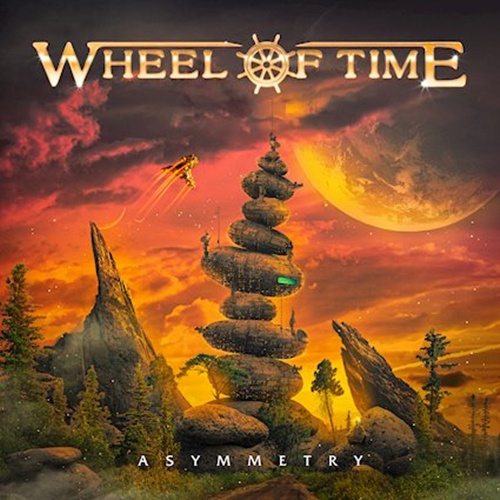
Wheel of Time’s full-length debut, “Asymmetry”, is a bold and ambitious project that blends progressive and power metal with orchestral and Eastern influences. Spearheaded by guitarist and mastermind Jimmie Hong, the album features an international lineup of acclaimed musicians, delivering a rich and diverse musical journey. We spoke with Jimmie about the creative process behind “Asymmetry,” the challenges and rewards of global collaboration, and his vision for progressive metal in China and beyond.
Jimmie, thank you for taking the time to speak with us, and congratulations on the release of “Asymmetry”. This ambitious full-length debut by Wheel of Time blends progressive and power metal with orchestral and Eastern elements, showcasing your vision through an international lineup of top-tier musicians. What were the artistic goals you set for this album, and how do you feel it represents your musical identity and journey so far?
Hello Giuseppe, thank you so much for the great question and it’s an honor to be featured in your interview! Just as you’ve mentioned, this is an album that comes with a variety of vibes, for instance, “Addicted!…” shows the influences from European melodic power metal bands like Stratovarius or Yngwie J. Malmsteen’s Rising Force etc. “Freedom Day” has a little bit of Symphony X traces. “Grand Cosmos” and “2063” are more prog and “…To the Awakening” comes with more orchestration elements. While “China Moon” is a special one which has its individual distinct Chinese traditional music characteristics. Basically, I tend to make all the songs as diversified as possible. There is an album by Lee Ritenour called “6 String Theory”. Although it is not a metal album, it truly inspired and motivated me in many ways. One important aspect is that each song from that album has a different taste and genre but they are all very “Lee Ritenour”. So maybe it is one of the sources of inspiration when I was planning “Asymmetry”. And I didn’t consider whether I should make this or that song more “melodic” so it may sound more “pleasant”. I just truly wrote down what I thought, what I felt and what I wanted to express at that moment. I just tried to be honest. That’s the only goal. Because the songwriting lasted for a couple of years, hence you may hear my mind has been changing over the time period after you listened to all the songs. Regarding the album, I think it represents a special period of my life, there was confusion, self-struggling, introspection and reflection, and belief as well. And big thanks to all the musicians who participated in this project so that I can finally put all my crazy ideas together and make a full-length album to be real.
The project is a true global collaboration involving musicians from five continents. What were the main challenges and rewards of coordinating such an ambitious international effort during the creation of “Asymmetry”?
This is a very interesting topic! As a guitarist who has a full-time job, I would say time is the first main challenge. I have to concentrate on my daily work during the working hours of the weekdays. And during weekends there is always other stuff in your life that you need to deal with as well, such as family or social activities etc. Hence it can be complicated from writing down an idea to recording a decent demo, it requires some planning and time management, otherwise it’s very easy to work late and get tired, which is not ideal for the longer term. The next challenge is the geographic and time zone differences, which means sometimes it could not be very convenient for communication and project management compared to working with someone who lives in the same city or region. You have to pay attention to the progress, while keeping yourself away from being overstretched. Luckily, I didn’t struggle too much because of the professionalism of the featured musicians. Also my producer Tom MacLean (ex-Haken, To-Mera) gave a lot of support. Sometimes if there is a sign of losing momentum or things are not on track, he is always there and tells me what to do and what to focus on promptly. As a result, one of the top rewards is all these musical works, which contain everyone’s brilliant ideas and performances. Another reward to me is the experience of going through the whole process: songwriting, production, promotion etc. This is a very valuable experience that would definitely provide solid guidance for what is coming next. Friendship is the third reward. I made some trustful friends during the making of the album, from time to time, we’d talk about music or even personal life. And I know there will be more collaboration in the future because of this trust.
Many tracks, like “Grand Cosmos” and “2063”, seem to carry a strong narrative and philosophical depth. How important is storytelling in your songwriting process, and where do you draw lyrical inspiration from?
Thank you for the observation. Speaking of storytelling, just as mentioned above, I try to be honest when I write the songs and rarely to control things on purpose, either the “Grand Cosmos” with lyrics or the instrumental song “2063”. These two tracks share something in common: universe, supernatural, fantasy and maybe a bit of mystery. Actually, “Grand Cosmos” was partially inspired by Sir Brian May’s book “The Cosmic Tourist”, especially on the lyrics side. There is a saying that Sir Brian May is Sir Isaac Newton reincarnated (with extra musical skills!) — believe it or not, I got the book in my hands. The more I read, the further I can’t stop various thoughts, such as I was wondering what Brian May, Newton, or Stephen Hawking would say regarding the below fact: Sometimes, from the vast perspective of the cosmos, we humans feel incredibly small — almost insignificant. That’s the vibe behind these lines that I wrote:
“Are we alone in the asterism? Or merely dust in a forgotten dream?”. For “Grand Cosmos”, musically I wrote a heavy intro followed by the verse, and then a softer pre-chorus in order to put the vibe on hold for a while and then release with the chorus. Later the synth and guitar solo further pushed up everything. As for “2063”, it was edited a couple of times just to make it sound natural. I think that’s the moment when I finished adding the jazz fusion interlude into the song. I did one thing on purpose actually — I “borrowed” the bass riff from “Grand Cosmos” and changed it as a guitar riff to connect the interlude and outro. So it connects the beginning and the end of the album eventually. To me it sounds all good, hope you’ll like it too.
“Addicted!…” and “…To the Awakening” are connected conceptually and musically. Could you tell us more about the story behind this two-part suite and how you approached building its dynamic contrast?
“Addicted!…” was surely the first one finished. It features a duo solo from Derek Sherinian and Timo Tolkki. As we just talked about, the roots of influence come from Stratovarius and Yngwie J. Malmsteen’s Rising Force, which tied with Derek and Timo closely. Plus, I’ve never seen them appear on the same song before, and in my opinion, regarding the song itself, both the musicians fit it perfectly. So here we have this amazing battle of solos! After I finished the demo of “Addicted!…” I always had a feeling that the song is not actually closed. So how to build up another story, as an extended part while showing the vibes in a different way, became my main consideration for a certain period of time. Eventually I came up with the idea of making the second part sound more rich. Since “Addicted!…” has already demonstrated its origin of European power metal influence, the second part should be something distinct. So I changed the time signature, put the guitar solo as the outro and added an “Aria” part in the middle of the song. Actually this song’s melody was written when I played organ, hence I still keep it in the formal recording. But I still felt something was missing after guitar, bass, keyboards and drums tracks were done. I contacted orchestration composer Marcos Barilari from Argentina during the production of “…To the Awakening”, just because I felt the requirement of this song’s nature. It has to be more epic, deep and magnificent. I sent the rough mix of “Addicted!…” and the demo of “…To the Awakening”. I told Marcos that Timo Tolkki actually contributed the guitar solo. It made Marcos very happy and proud to be part of the suite because he is a big fan of Stratovarius and Timo is his guitar hero. To be honest, I never expected that, but it is very emotional to know I could help a friend to achieve one of his dreams. I truly hope this suite becomes a bridge between me and everyone who resonates with it, thank you.
One of the most distinctive tracks is “China Moon”, which blends traditional Chinese elements with progressive metal. How did your cultural roots influence this composition, and do you see this fusion as a recurring direction for your music?
Thanks a lot for mentioning this song. To be honest, “China Moon” was initially written with lyrics in Chinese. More accurately, it’s Song Lyrics (or Song Poetry), which was an old form of Chinese poetry and was popular around the Song dynasty. But the motivation of writing such a song with traditional Chinese elements comes from Kiko. During the mentorship, he said to me, it is very important to add your nation’s musical elements into your own works. Since Song Lyrics is one of my favorite forms of poetry, and I have written about 60 Song Lyrics by now, it’s very natural for me to seek inspiration from it. I even invited a singer from Taiwan because I thought she would fit the song perfectly. She is interested but for some reason, we’ll make the Chinese version in a few years. Interestingly, during that time, there was an animation film released in China called “30,000 Miles from Chang’an”. It tells a part of Tang Dynasty history based on the story of two poets, Li Bai and his friend Gao Shi. If you check the soundtrack of this film, you’ll find it is very grand, majestic and symphonic. So it makes me think, maybe I can make an orchestration version of “China Moon” which is different from what I’ve discussed with the singer from Taiwan. Later I decided to do an international version with English lyrics since I already have the melody done. The new version sounds more expressive and brings more tension because of the change. Hence it raised new requirements and is closer to musical. And I am very happy with the lineup and final mix of the international version.
You’ve worked with renowned artists like Derek Sherinian, Tony MacAlpine, Timo Tolkki, and Michele Luppi. How did these collaborations come about, and what impact did they have on shaping the sound of songs like “Freedom Day”, “Addicted!…” and “The Night of Eternity”?
During my mentorship with Kiko, I continued developing songs and sharing my ideas with him regularly. We discussed the project every two weeks, and I received valuable feedback that helped shape the direction of the music. Since I didn’t have a local band at the time—and it was still during the pandemic—I gradually began envisioning a broader concept, something akin to Trans-Siberian Orchestra or Avantasia: a collaborative project with musicians from around the world. Derek Sherinian was the first musician Kiko referred to me. In 2022, I was going to start production on “The Night of Eternity” and “Addicted!…” but had no clues back then. I don’t have a band or local collaborators. So when I told Kiko, he encouraged me to contact Derek and gave me his info. I sent the demos, and Derek replied positively very soon! Derek has the superpower of building ideas around the song’s structure at lightning speed. He’s definitely the king! I really like his keyboard tones. They enhanced the depth of all four songs he participated in and added his signature character. Soon we expanded the collaboration on “The Night of Eternity”, “Grand Cosmos” and “Freedom Day”. For “Freedom Day”, I remembered Michele Luppi from Vision Divine’s 2004 album. I later saw him with Whitesnake and realized he’d be the perfect vocalist. No one had his contact, so I tried messaging him. He replied the next day and was very excited. He delivered a premium vocal track with careful arrangement and equipment like the MURL B80 Mothership.All of the musicians in this project—Derek, Michele, Tony, Timo—they love music. They put their hearts into these songs and brought them to a level far beyond what I originally imagined.
You participated in a mentorship program with Kiko Loureiro. What were the most valuable lessons or insights you took from that experience, and how did they influence the writing and production of tracks such as “Addicted!…” or “Blind Sight”?
I think my most important takeaway is to observe, understand, digest and apply Kiko’s mindset—how he would deal with structuring, thinking, and considering the composition of a musical work. Previously, I tended to add too many elements or thoughts into one single song, or lacked “musical” planning. Kiko and I spent hours focusing on that point. He took examples from his own albums and broke down how he thinks and develops a song, so I could closely watch and observe his process. Moreover, it’s about attitude and discipline. Whenever he talked about music or checked my demos, I could see he was very serious. He just fully concentrated on what he was listening to. It took me a while to fully understand and digest what he tried to teach me. In China, we say that a good mentor will influence both your mind and behavior. I do believe that, because I can see the change in me after participating in the program. There are a couple of songs, like “Addicted!…” and “Blind Sight”, that were written before I joined the mentorship. Others, like “Grand Cosmos” or “2063”, were written during or after it. So I guess you may hear the difference. That’s the influence Kiko had on me, and I’m very, very thankful for his mentoring.
The album will be used as a case study at the University of Liverpool’s Institute of Popular Music. How do you see “Asymmetry” and Wheel of Time contributing to the evolution of independent production models in the progressive metal scene?
It is definitely an honor! I had a chance to stay in the United Kingdom for a weekend this May, so I contacted my lecturers Mike Jones and Haekyung Um for lunch. They used to teach me when I was studying MA in Music Industry Studies at the Institute of Popular Music. During lunch, Mike asked about the album’s progress. I played some mastered songs for him, his wife (a jazz singer), and Haekyung. They all really liked the music. They were surprised by the mixing (thanks to my producer and mixing engineer Tom!) and amazed to learn that the album was made fully remotely, with most tracks recorded independently in each musician’s home studio—or simply at home. My graduation dissertation in Liverpool was about digital music. In 2007, digitalization was still at an early stage, although the traditional music industry had already started to shift. Now, with Wheel of Time, this debut follows the global trend of independent production—thanks to the development of high-quality, affordable software plugins and hardware. This allows guitarists, bassists, and keyboard players more freedom when it comes to writing and composing. There are also plenty of resources online for improving your recording, mixing, and mastering skills. All of this has lowered the barrier to professional music production for everyone. I shared my thoughts with Mike, and he agreed. Then he asked me to provide materials for a case study in the upcoming academic year. We’ll continue discussing and I’ll prepare everything he needs.
Beyond this release, what are your hopes for the future of progressive metal in China? Is there a growing scene, and are there any local artists or bands you would recommend to international listeners curious about Chinese prog?
On July 5th, “Black Sabbath & Ozzy’s Back to the Beginning” streamed worldwide. I saw video tributes not only from bands like Def Leppard or AC/DC, but also from younger musicians and fans who expressed gratitude to Black Sabbath for creating heavy metal. I also saw Jason Momoa in the crowd—he was with the fans, completely immersed in the live gig and music, regardless of age, gender, or identity. On July 6th, I watched the movie “F1” with my wife, which opened with “Whole Lotta Love”. I think there’s also a Queen song in the film. All of this reflects how deeply rock and metal have influenced culture—it’s become a lifestyle for many people. However, compared to the overwhelming popularity of mainstream C-Pop, rock and metal remain very niche in China. We still need to work on expanding visibility and growing audiences. That said, there are encouraging signs: local festivals are held regularly, and events like Wacken Metal Battle China are gaining momentum, showing a steady evolution. Many Chinese metal bands are doing incredible work. OU, signed to InsideOut Music, are pushing sonic boundaries. Nine Treasures blend heavy metal with traditional Mongolian folk elements and already played international stages like Wacken Open Air 2013. These are just a few examples showing that Chinese heavy music is not only growing—it’s innovating. Of course, challenges remain. Language can be a barrier, especially when trying to reach a global audience. Maybe more Chinese bands could experiment with English-language material—like many Scandinavian or German bands do—to better communicate their stories to the world. But the hurdles go beyond language. We also need better infrastructure for the genre: improved recording and production facilities, more venues, better media support, and a more developed ecosystem for promotion and artist development.
 Il Raglio del Mulo