
ENGLISH VERSION BELOW: PLEASE, SCROLL DOWN!
La band svedese House By The Cemetary torna con il terzo full-length, “Disturbing The Cenotaph”, in uscita per Pulverised Records il 12 dicembre 2025. Il gruppo — formato da Rogga Johansson (Paganizer, Ribspreader), Mike Hrubovcak (ex-Monstrosity, ex-Vile) e dal batterista Thomas Ohlsson (ex-The Project Hate) — rende ancora una volta omaggio al mondo macabro di Lucio Fulci, dando vita a un sanguinoso mix di horror cinematografico e death metal vecchia scuola. Abbiamo parlato con Rogga Johansson e Mike Hrubovcak della creazione di questo nuovo capitolo della loro saga contorta, dell’eredità di Fulci e dell’orrore che continua a ispirare la loro musica.
Benvenuti! Il vostro terzo album, “Disturbing The Cenotaph”, continua la vostra immersione nel cinema horror, rendendo chiaramente omaggio al regista Lucio Fulci. Poiché la band è nata da questa dedizione, qual è stato l’obiettivo creativo principale per questo terzo full-length? Avete cercato di ampliare in modo specifico il suono o la portata tematica stabilita dai lavori precedenti?
Rogga – Grazie! Beh, non so se questa risposta suonerà molto creativa, ma no, non abbiamo cercato di ampliare nulla, haha. Abbiamo semplicemente puntato a fare di più di ciò che avevamo già fatto in passato. Sentiamo di avere un nostro suono e un nostro concetto, e volevamo solo realizzare il miglior album possibile, seguendo il percorso tracciato dai precedenti. E penso davvero che ci siamo riusciti.
Il duo è formato da Mike Hrubovcak (ex-cantante di Monstrosity/Vile) e Rogga Johansson (Paganizer/Ribspreader), completato da Thomas Ohlsson alla batteria. Come bilanciate il processo compositivo tra i vostri due stili distinti di scrittura e riffing, assicurandovi che il risultato finale resti coeso e mantenga quel suono “death metal fino al midollo”?
Rogga – Beh, ho sempre scritto io la musica, poi la porto al batterista. Abbiamo avuto batteristi diversi in ogni album, in realtà. Una volta definito il nucleo dei brani, tutto viene mostrato a Mike, che scrive i testi e organizza le linee vocali. È un modo di lavorare semplice, ma che si adatta perfettamente a noi. Immagino che il tempo dirà se anche il prossimo album avrà un nuovo batterista o se Thomas resterà con noi. Thomas ha fatto davvero un ottimo lavoro su questo disco, ma è anche bello cambiare un po’ il sound a ogni uscita.
Rogga, hai scherzato dicendo che “ogni band dice che il proprio nuovo album è il migliore, ma questa volta è davvero così”, descrivendo “Disturbing The Cenotaph” come gli House By The Cemetary “dopati di steroidi”, con un suono ampio, empio, pieno di riff pesanti e tocchi melodici. Quale brano dell’album rappresenta meglio questa evoluzione e il bilanciamento tra aggressività grezza e melodia?
Rogga – Haha sì, ma è sempre così, no? Nessuno dice mai che il secondo album è il migliore mentre sta per pubblicare il quinto… Comunque, questa volta è stato tutto molto semplice: il nostro primo album era più grezzo, il secondo è quello in cui abbiamo trovato davvero il nostro suono, e ora abbiamo fatto esattamente ciò che sentivamo fosse il disco perfetto per noi. Quindi sì, penso che questo sia davvero il nostro miglior album. Amo tutti i brani, ma se devo sceglierne uno direi “Island of the Dead”. Non so bene perché, ma ha proprio quella sensazione che amo e contiene tutti gli elementi che una canzone di House By The Cemetary deve avere.
I vostri testi si ispirano fortemente a classici dell’horror come “Night Of The Living Dead” e “The Texas Chainsaw Massacre” (per esempio “Undead Apocalypse”, “Burial Disturbance”). Oltre a rendere omaggio a questi film, come riuscite a tradurre l’atmosfera o il terrore specifico di un horror classico in un racconto death metal coinvolgente, senza limitarvi a riassumerne la trama?
Mike – Visualizzo nella mia testa la scena mentre si svolge e cerco di verbalizzare le sensazioni o le atmosfere che mi vengono in mente. È come descrivere con le parole un film che scorre nella mia mente. Devi immedesimarti completamente nella scena.
I tuoi testi, Mike, in questo album spaziano dal totalmente fittizio (come “Coffin Colony”) a quelli ispirati da eventi reali, come il famigerato “Casanova killer” in “Lunatic Butcher”. Cosa ti spinge a cercare ispirazione nei crimini reali più efferati e come affronti la fusione tra eventi di orrore reale e liriche death metal?
Mike – La vita reale è tanto una storia dell’orrore quanto lo sono i film di Hollywood. Credo che il cinema sia uno specchio della realtà. A volte la verità è più strana della finzione. Ci sono così tanti orrori veri che si manifestano nel palcoscenico dell’esistenza, che li vediamo o meno. Gli esseri umani sono capaci di tanto bene quanto di tanto male. Se qualcuno ci ha pensato, sono sicuro che da qualche parte sia già accaduto, anche se non è mai emerso alla luce. La cosa davvero spaventosa è che tutti noi siamo capaci di questo male, e accade ogni giorno, ovunque. Gettare luce su questa oscurità ci aiuta solo ad apprezzare il bene, perché gli estremi esistono su entrambi i lati. La linea tra realtà e horror fantastico è sottile, quindi è naturale mescolare i due elementi nell’arte del death metal.
Il brano “New York Ripper” è stato indicato come uno dei momenti più letali dell’album ed è un tributo diretto al film di Fulci. Quali elementi — nella struttura dei riff, nel tempo o nella resa vocale — avete incorporato per rappresentare musicalmente la volgarità e la malizia del film originale?
Mike – Ho cercato di evocare la brutalità del film, concentrandomi sulla ferocia degli omicidi più che sulla parte ridicola del “verso d’anatra” o sulla follia mentale che Fulci aveva inserito. Personalmente penso che quell’aspetto portasse un po’ di comicità, ma onestamente credo che il film avrebbe funzionato meglio senza, rendendolo più oscuro, crudo e realistico. Così, a differenza dell’ultimo album della band Fulci, “Duck Face Killings”, ho volutamente lasciato da parte l’anatra e mi sono concentrato solo sulla parte del “ripper”.
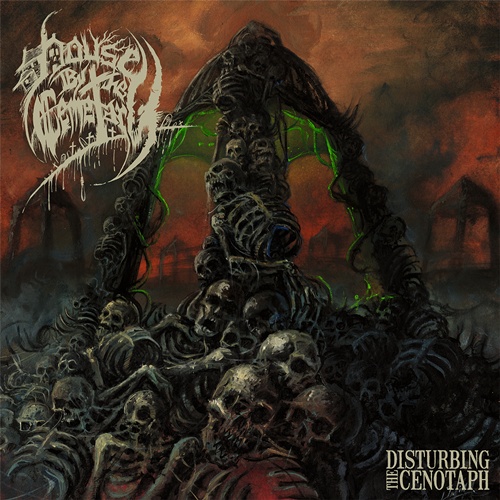
L’album presenta una copertina cruenta realizzata da Felipe Mora (Consumption, Acheron). L’impatto visivo è fondamentale nel death metal horrorifico. Come avete collaborato con Felipe Mora per assicurarvi che le sue visioni da incubo catturassero l’essenza di “Disturbing The Cenotaph”, e quali temi lirici o musicali avete voluto evidenziare?
Rogga – Sì, Felipe ha realizzato un artwork perfettamente adatto a questo album. Ho già lavorato molte volte con lui e mi fido completamente delle sue capacità, quindi gli abbiamo semplicemente dato il titolo dell’album, e lui ha creato l’opera da solo. Quando ci ha mostrato lo sketch, è stato facile dire “fuck yeah, vai così!”, ed è diventata la copertina perfetta per il disco.
L’album è stato mixato da Håkan Stuvemark (Wombbath). Ottenere il giusto mix è cruciale per l’impatto di un disco death metal. Quali caratteristiche sonore specifiche gli avete chiesto di enfatizzare per ottenere un suono “ampio ed empio” capace di “gelare il sangue”?
Rogga – Håkan suona death metal da quando aveva 16 anni, quindi penso sappia bene come deve suonare un album del genere, haha. È stato davvero semplice: gli abbiamo fornito tutto il materiale delle sessioni di registrazione e gli abbiamo chiesto di fare del suo meglio — e lo ha fatto davvero. Credo che il suono dell’album metta pienamente in risalto le canzoni.
Con un terzo full-length come “Disturbing The Cenotaph”, quali sono i vostri piani dopo la sua uscita a dicembre? Avete già in mente di iniziare a lavorare su un quarto album, magari ispirato a un altro capolavoro di Fulci, o avete altre muse terrificanti nel mirino?
Rogga – Al momento, naturalmente, siamo solo entusiasti di vedere questo album finalmente pubblicato, ma so che presto arriverà la voglia di iniziare a lavorare su nuovo materiale. Ho già molte idee, e Mike sicuramente ne avrà per i testi. Forse la prossima volta dovremmo fare un concept album su un film specifico di Fulci. Avete qualche suggerimento su quale film potremmo scegliere?
Swedish death metal horror unit House By The Cemetary return with their third full-length, “Disturbing The Cenotaph”, out on Pulverised Records on December 12th, 2025. The band—featuring Rogga Johansson (Paganizer, Ribspreader), Mike Hrubovcak (ex-Monstrosity, ex-Vile) and drummer Thomas Ohlsson (ex-The Project Hate)—once again pay tribute to the macabre world of Lucio Fulci, crafting a gory blend of cinematic horror and relentless old-school death metal. We spoke with Rogga Johansson and Mike Hrubovcak about the creation of this new chapter in their twisted saga, the influence of Fulci’s legacy, and the horror that continues to inspire their music.
Welcome! Your third album, “Disturbing The Cenotaph,” continues your deep dive into cinematic horror, clearly paying homage to director Lucio Fulci. Given that the band was born out of this dedication, what was the primary creative goal for this third full-length? Did you aim to specifically expand upon the sound or the thematic scope established by your previous works?
Rogga – Thank you! Well I don’t know if this answer feels very creative but no, we did not aim to expand on anything haha. We aimed to make more of what we have made before, really. We feel we have our sound and our concept, and we just wanted to make the best album we could possibly do, following the path of our previous albums. And I think we succeeded too, really.
The duo features Mike Hrubovcak (former Monstrosity/Vile frontman) and Rogga Johansson (Paganizer/Ribspreader), completed by Thomas Ohlsson on drums. How do you balance the compositional process between the two distinct styles of riffing and writing that you both bring, ensuring the final product remains cohesive and delivers that raw, “death-metal-to-the-core” sound?
Rogga – Well I’ve always been writing the music, and then I have brought that to a drummer. We’ve had different drummers on each album actually. And when the core is set, it’s all shown to Mike who does lyrics and arranges the vocal patterns. It’s an easy way to work and it fits us perfectly. And I guess time will tell if the next album will also feature a new drummer or if Thomas will be onboard still. Thomas did a great job on this album indeed, but it’s also a fresh feeling to change up the sound for each album too.
Rogga, you have joked that “every band saying that their new album is their best but that’s actually true here,” describing “Disturbing The Cenotaph” as House By The Cemetary “on steroids,” featuring a broad, impious sound with heavy riffing and occasional melody. Which specific track on the album best demonstrates this evolution and the balance between the raw aggression and the more melodic elements introduced?
Rogga – Haha yes, but that’s what it’s always like, right? No one ever says that they feel their second album is their best when they are in the process of releasing their fifth album… Anyways, this time I think it’s just simple though — our first album was rawer and the second album really is where we found our sound, and now this time we have done exactly what we feel would be the perfect album for us, so I think indeed this is our best album. I love all the songs really, but I think if I need to pick out one song it would be “Island of the Dead.” I don’t know why really, but it has just that feeling I love and it has all the parts that a House By The Cemetary song needs.
Your lyrics draw heavily on horror classics like “Night Of The Living Dead” and “The Texas Chainsaw Massacre” (e.g., “Undead Apocalypse,” “Burial Disturbance”). Beyond paying tribute to these films, how do you translate the specific mood or terror of a horror classic into a compelling death metal narrative without merely summarizing the plot?
Mike – I visualize in my head the scene as it plays out and try to verbalize the feelings or atmospheres that come into my mind. It’s like descriptive phrases of a movie playing in my head. You have to put yourself there in your mind fully.
Mike, your lyrics on this album range from the totally fictional (like “Coffin Colony”) to those inspired by real-life events, such as the infamous ‘Casanova killer’ in “Lunatic Butcher.” What drives the choice to seek inspiration from real-life vicious crimes, and how do you approach synthesizing true horror events into death metal lyrics?
Mike – Real life is as much of a horror story as the Hollywood movies are. I believe that film is a reflection of real life. Sometimes the truth is stranger than fiction in reality. There are so many true horrors that play out on the stage of real existence whether we see them or not. Humans are capable of so much good and so much evil. If someone has thought of it, I’m sure it’s been done somewhere even if it hasn’t been brought to light yet. The truly scary thing is that we are all capable of this evil and it happens on a daily basis all around us. Shining a light on this darkness only helps us appreciate the good, because the extremes exist on either end. Real life and fantasy horror is a thin line, so it’s only natural to mix the two into the art form of death metal.
The track “New York Ripper” is highlighted as one of the album’s “most lethal salvos” and is a direct tribute to the Fulci film. What elements—be it the riff structure, the tempo, or the vocal delivery—did you specifically incorporate into this track to musically channel the sleaze and malice of the original film?
Mike – I tried to summon the brutality of it and make it more about the viciousness of the murders rather than the silly “duck face” thing or mentally disturbed part of it that Fulci included in the film. Personally, I think it brought a bit of comedy to it, but honestly I think it could have done without that part to make it darker, grittier, more realistic. So unlike the band Fulci’s newest “Duck Face Killings” album, I purposefully left the duck part out and focused only on “the ripper” part.
The album features gruesome artwork by Felipe Mora (Consumption, Acheron). Visuals are key to horror death metal. How closely did you work with Felipe Mora to ensure the nightmarish visions captured the essence of “Disturbing The Cenotaph,” and which specific lyrical or musical themes did you emphasize for the cover artist?
Rogga – Yes, Felipe did some greatly fitting artwork for this album indeed. I’ve worked with him many times by now and I trust him to do great stuff, so we really just gave him the album title, and he came up with this piece on his own. When he showed the sketch, it was easy to say, “fuck yeah, go for it,” and it became the perfect cover for the album.
The album was mixed by Håkan Stuvemark (Wombbath). Achieving the right mix is crucial for the impact of a death metal record. What specific sonic characteristics did you ask Håkan to focus on to ensure the sound was “broad and impious” and ready to “chill you to the bone”?
Rogga – Håkan has been playing death metal since he was 16 years old, so I think he knows how a death metal album should sound like haha. It was as simple as that really. We provided him with all the material from the recording sessions and asked him to do his best, and he really did. I think the sound of the album really makes the songs come to their best.
With “Disturbing The Cenotaph” being your third full-length, what is the immediate plan for House By The Cemetary following its December release? Are you planning to immediately begin sketching ideas for a fourth album, perhaps exploring another Fulci masterpiece, or are there any other terrifying muses currently on your radar?
Rogga – Right now, naturally we are just excited to have this album released soon, but I know the feeling will soon arise to start working on new material. I have lots of ideas and Mike will surely have ideas for lyrics as well. Maybe next time we should go for making a concept album about one specific Fulci movie. Any tip on which movie we should do?
 Il Raglio del Mulo