
ENGLISH VERSION BELOW: PLEASE, SCROLL DOWN!
Con “VII Vitium” (My Kingdom Music), il collettivo italiano VII Vitium porta alla luce un viaggio oscuro tra peccati capitali, visioni personali e sonorità che uniscono dark rock, occult metal, doom europeo e suggestioni darkwave anni ’80. Pubblicato il 31 ottobre 2025 per gli appassionati del lato più esoterico della musica, l’album nasce dall’incontro tra Daniele Laurenti (Kryuhm),Giampi Tomezzoli (Kryuhm, Epitaph), Daniele Pedrollo (Kayleth) e l’autore Daniele Donini, figura di culto tra i “viaggiatori dell’oscurità”. Il progetto, inoltre, ha coinvolto numerosi ospiti di spicco della scena italiana, trasformandosi in un’esperienza unica e, probabilmente, irripetibile.
Ciao ragazzi! Il disco “VII Vitium” sarà disponibile dal 31 ottobre e ci introduce nel vostro mondo oscuro e dei peccati capitali. Ci raccontate il concept del disco, come si collega al nome della band e come avete sviluppato la vostra visione personale dei sette peccati capitali?
Ciao, grazie per averci ospitato! “VII Vitium” è di fatto un concept, un veicolo che porta l’ascoltatore ad apprendere, a comprendere un’altra “verità”: porta ad ascoltare l’altra campana, quella dei “demoni”, che questa volta ci raccontano i loro vizi. Lo fanno a modo loro ed ogni demone lega il proprio nome al vizio che più lo rappresenta.
A chi è venuta l’idea di creare “VII Vitium” e come è nato il progetto?
Storia lunga: un incrocio di eventi, momenti e situazioni ha portato a questo progetto, che prima doveva nascere come progetto solista di John, arenatosi ben presto. Noi tre avevamo tra le mani gli arrangiamenti di due brani, ci sembrava un vero peccato lasciar perdere. In quel periodo D.L. frequentava casa Donini e da lì nacque l’idea di coinvolgere il “viaggiatore del tempo” chiedendogli di donarci dei testi adeguati, invocando l’aiuto dei “Sette”. La prima ad essere contattata fu Sandra Silver e, mano a mano, un progetto diventò un ensemble di artisti legati all’oscurità e al dark sound italiano.
Si tratta di un progetto one-shot o avete intenzione di svilupparlo nel tempo? Come vedete il futuro di “VII Vitium” e possibili nuove strade o sperimentazioni?
Per il momento sì, ma non chiudiamo nessuna porta… vedremo. Intanto, ci godiamo l’uscita dell’album… poi chissà.
La band è composta da musicisti già attivi in altre realtà come Kryuhm, Epitaph e Kayleth. Vi considerate una sorta di supergruppo del doom e del dark sound italiano, tenendo conto anche dei numerosi ospiti presenti sul disco?
Giampi: Non mi piace la parola “supergruppo”. Siamo un insieme di musicisti, ognuno con il suo bagaglio musicale, che si sono trovati a condividere la propria esperienza creando un’alchimia fantastica. Io penso che la musica sia condivisione e non competizione, e questo lavoro ne è l’esempio.
Laurenti: Mi ha fatto pensare molto questa domanda. Non siamo un vero e proprio gruppo in quanto militiamo già in altre band attive sia in studio che live. “VII Vitium” nasce come progetto studio per le nostre esigenze di sperimentazione musicale, esoterica e artistica. Se definissi i Vitium un supergruppo sembrerebbe presuntuoso; però se lo avesse fatto qualcun altro, lo chiamerei un supergruppo! Credo sia stato un progetto unico, irripetibile: unire sotto lo stesso tetto artisti provenienti da tutto il Paese, con stili, ruoli e storie diverse: molti alfieri del doom, del black, del dark sound e dell’elettronica. Questo non ha precedenti. Non dimentichiamoci che siamo l’unico progetto dove appare per la prima volta su disco Daniele Donini (nemmeno i Death SS lo hanno fatto). Per questi e altri motivi direi: sì, siamo un supergruppo!
Parlando degli ospiti, ci potete presentare ciascuno di loro e spiegare il ruolo che hanno avuto nel progetto?
John Goldfinch (Impero delle Ombre) ha cantato su “Superbia/Lucifero”. Artista determinante per il progetto (i primi brani dovevano essere un suo progetto solista) e Laurenti-Tomezzoli-Pedrollo erano i tre musicisti che dovevano farne parte. Da quell’embrione nascono i “VII Vitium”. Sandra Silver è la “Narratrice” su “Ira/Amon” e “Septem”. Donna incredibile, di rara tenerezza, ma che sul palco si trasforma: non la puoi controllare, non la puoi domare: Sandra è unica. Joe Ferrero (Cultus Sanguine) ha cantato su “Avarizia/Mammona” e “Accidia/Belfagor”. Ha sperimentato più di tutti, calandosi in ruoli non suoi e dimostrando grande ecletticità. Luca Gregori (Darkend) ha donato i cori in “Accidia/Belfagor”. Ha lavorato a distanza con carta bianca, sorprendendo tutti con cori sussurrati, sinistri e oscuri… sembrava la voce di un serpente. Alessandra Tri Ni Ty Bersani (La Grazia Obliqua) ha realizzato synth e parti elettroniche su “Lussuria/Osmodeo”. Anche lei ha lavorato a distanza, amalgamandosi alla perfezione con la batteria elettronica di Pedrollo. David Cremoni, chitarrista professionista, ha partecipato a “Invidia/Leviatan” e “Septem”. Lo chiamiamo il Maestro: ha trascritto i brani di Tomezzoli, li ha arrangiati e li ha resi suoi. Un Magister. Dario Vicariotto (IV Sigillo) ha composto gli assoli di chitarra su “Superbia/Lucifero”, Avarizia/Mammona”, “Ira/Amon” e “Accidia/Belfagor”. Determinante per completare il progetto, sempre presente nelle prove, in studio e live. È da considerarsi il quarto elemento del collettivo. Melissa e Lisa Bonacquisti sono le coriste su “Gola/Belzebù”. Hanno interpretato le streghe Basche, creando un vero rito. Daniele Donini, figura chiave dell’intero progetto, ha scritto tutti i testi. Per la prima volta in assoluto appare su un brano, “Gola/Belzebù”, che rimarrà nella storia come la sua prima registrazione. Thanks!
Il disco mescola sonorità dal dark occult italiano al doom europeo, dal progressive rock italiano al darkwave anni ’80. Come avete lavorato a livello compositivo per integrare tutte queste influenze mantenendo coerenza?
È stato tutto molto naturale: Laurenti, Tomezzoli e Pedrollo hanno creato la struttura dei brani in modo spontaneo. La sfida era portare su disco influenze che abbiamo al di fuori delle nostre band, ciò che abbiamo ascoltato nel tempo e che volevamo riproporre. Abbiamo attinto da riff e composizioni tenute nel cassetto per anni (molte di Tomezzoli) e, man mano che si creavano gli arrangiamenti, arrivavano i testi di D.D., che raramente abbiamo modificato. Tutto era alchemico, e lo è sempre stato.
Qual è stata la canzone più complessa da realizzare e perché?
Sembrerà banale, ma tutto si è sviluppato con una spontaneità incredibile. Sembrava che i testi fossero già per la musica e viceversa.
Avete intenzione di esibirvi dal vivo per promuovere “VII Vitium” e ci sono già date in programma per concerti o festival?
Sì: il 21 novembre al Giardino 2.0 di Lugagnano (Verona) si è tenuto il release party. Ovviamente dal vivo non erano presenti tutti gli ospiti del disco, a causa di impegni personali. Alla voce, insieme a Daniele Laurenti, c’era un caro amico, Emiliano Cioffi (IV Sigillo). Erano presenti con noi anche Sandra Silver e Melissa Buonacquisti.
Chiudendo l’intervista, come vi piacerebbe che il pubblico ricordasse “VII Vitium” e quale esperienza o emozione sperate di trasmettere con questo disco?
Speriamo venga ricordato come un viaggio e che regali al pubblico emozioni… e risposte.
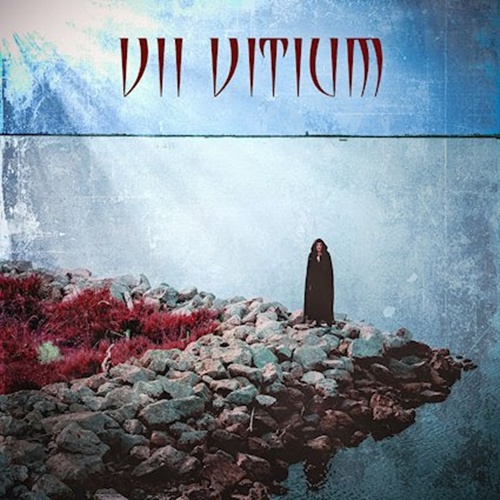
With “VII Vitium” (My Kingdom Music), the Italian collective VII Vitium brought to light a dark journey through the seven deadly sins, personal visions, and a sound that blended dark rock, occult metal, European doom, and echoes of 1980s darkwave. Released on October 31st, 2025 for fans of music’s most esoteric side, the album was born from the meeting between Daniele Laurenti (Kryuhm), Giampi Tomezzoli (Kryuhm, Epitaph), Daniele Pedrollo (Kayleth), and writer Daniele Donini, a cult figure among the “travelers of darkness.” The project also involved numerous prominent guests from the Italian scene, turning it into a unique, and likely unrepeatable, experience.
Hi guys! The album “VII Vitium” will be available on October 31 and introduces us to your dark world and the theme of the seven deadly sins. Can you tell us about the concept of the album, how it connects to the band’s name, and how you developed your personal vision of the seven deadly sins?
Hi, thanks for having us! “VII Vitium” was essentially a concept album, a vehicle that led the listener to learn and understand another “truth”: it invited them to hear the other side, that of the “demons,” who this time revealed their vices. They did it in their own way, and each demon tied their name to the sin that represented them the most.
Who came up with the idea of creating “VII Vitium,” and how did the project begin?
It’s a long story: a mix of events, moments, and situations led to this project. It was originally supposed to be John’s solo project, but it stalled quickly. The three of us already had arrangements for two tracks, and it felt like a real shame to abandon them. At that time, D.L. was spending time at Donini’s place, and from there the idea arose to involve the “time traveler,” asking him to provide suitable lyrics, invoking the help of the “Seven.” The first person contacted was Sandra Silver, and step by step, the project became an ensemble of artists connected to darkness and the Italian dark sound.
Is this a one-shot project, or did you plan to develop it further? How do you see the future of “VII Vitium” and possible new directions or experiments?
For now, yes, it was a one-shot, but we’re not closing any doors… we’ll see. For the moment, we simply enjoyed the album’s release… then who knows.
The band is formed by musicians already active in other projects such as Kryuhm, Epitaph, and Kayleth. Do you consider yourselves a sort of supergroup of Italian doom and dark sound, especially considering the many guests on the album?
Giampi: I never liked the word “supergroup.” We were a group of musicians, each with their own musical background, who came together to share their experience and create a fantastic alchemy. I believe music is about sharing, not competition, and this work is an example of that.
Laurenti: This question made me think a lot. We weren’t a real band, since we all already played in other groups active both in the studio and live. “VII Vitium” was born as a studio project for our musical, esoteric, and artistic experimentation. If I defined Vitium as a supergroup, it would sound presumptuous; but if someone else said it, then yes, I’d call it a supergroup! I think it was a unique, unrepeatable project: bringing together artists from all over the country, with different styles, roles, and backgrounds—many champions of doom, black, dark sound, and electronic music. There was no precedent. And let’s not forget we were the only project featuring Daniele Donini on record for the very first time (not even Death SS did that). For these and other reasons, I’d say: yes, we were a supergroup!
Speaking of the guests, can you introduce each of them and explain their role in the project?
John Goldfinch (Impero delle Ombre) sang on “Superbia/Lucifero.” He was a crucial part of the project (the first tracks were originally supposed to be part of his solo project), and Laurenti-Tomezzoli-Pedrollo were the musicians meant to take part in it. From that embryo, “VII Vitium” was born. Sandra Silver was the “Narrator” on “Ira/Amon” and “Septem.” She is an incredible woman, full of rare tenderness, but on stage she transforms: you can’t control her, you can’t tame her. Sandra was unique. Joe Ferrero (Cultus Sanguine) sang on “Avarizia/Mammona” and “Accidia/Belfagor.” He experimented the most, taking on roles outside his usual style and showing great versatility. Luca Gregori (Darkend) contributed choirs on “Accidia/Belfagor.” He worked remotely with complete creative freedom, surprising everyone with whispered, sinister, dark choirs… it sounded like the voice of a snake. Alessandra Tri Ni Ty Bersani (La Grazia Obliqua) created synths and electronic parts on “Lussuria/Osmodeo.” She also worked remotely, blending perfectly with Pedrollo’s electronic drums. David Cremoni, a professional guitarist, contributed to “Invidia/Leviatan” and “Septem.” We called him the Maestro: he transcribed Tomezzoli’s compositions, arranged them, and made them his own. A real Magister. Dario Vicariotto (IV Sigillo) composed the guitar solos for “Superbia/Lucifero,” “Avarizia/Mammona,” “Ira/Amon,” and “Accidia/Belfagor.” He was essential to completing the project, always present in rehearsals, in the studio, and live. He should be considered the fourth member of the collective. Melissa and Lisa Bonacquisti were the backing vocalists on “Gola/Belzebù.” They portrayed the Basche witches, creating a real ritual. Daniele Donini, a key figure in the entire project, wrote all the lyrics. For the first time ever, he appeared on a track, “Gola/Belzebù,” which will remain in history as his first recorded performance.
The album blends Italian dark occult vibes with European doom, Italian progressive rock, and ’80s darkwave. How did you work compositionally to integrate all these influences while keeping everything coherent?
It all came very naturally: Laurenti, Tomezzoli, and Pedrollo created the structure of the songs spontaneously. The challenge was to bring into the album influences we had outside our usual bands—things we had listened to over the years and wanted to revisit. We drew from riffs and compositions kept in the drawer for years (many by Tomezzoli), and as the arrangements took shape, the lyrics by D.D. arrived, which we rarely modified. Everything was alchemical, and always had been.
Which song was the most complex to create, and why?
It may sound trivial, but everything developed with incredible spontaneity. It felt as if the lyrics already belonged to the music, and vice versa.
Did you plan to perform live to promote “VII Vitium,” and were any concerts or festival dates scheduled?
Yes: on November 21 at Giardino 2.0 in Lugagnano (Verona), the release party took place. Naturally, not all of the album’s guests were present due to personal commitments. On vocals, alongside Daniele Laurenti, there was a dear friend, Emiliano Cioffi (IV Sigillo). Sandra Silver and Melissa Buonacquisti were also there with us.
As we wrap up the interview, how would you like the audience to remember “VII Vitium,” and what experience or emotion do you hope to convey with this album?
We hope it will be remembered as a journey, one that offers the audience emotions… and answers.
 Il Raglio del Mulo