
ENGLISH VERSION BELOW: PLEASE, SCROLL DOWN!
Gli Imperial Domain tornano con “Portentum”, un album che affonda le radici nel death metal svedese e riflette sui cicli della storia, sui presagi e sulle rovine lasciate dall’umanità, tra passato, presente e futuri possibili. Abbiamo parlato del significato del disco conAndreas Öman (voce) e Philip Borg (chitarra).
Benvenuti! Il nuovo album, “Portentum”, segna il vostro ritorno e si immerge subito nella natura ciclica dell’umanità, osservando le rovine del passato, del presente e di futuri possibili. Qual è stata la motivazione creativa dietro la scelta di questo tema legato ai “presagi” e alla ciclicità storica?
Andreas: Grazie mille per questa intervista. Non è un concept album, ma alcune canzoni condividono lo stesso tema. Ho sentito alla radio svedese parlare di qualcosa del folklore chiamato Järtecken, che indica un presagio, un segno o un avvertimento. Si credeva che anticipasse un evento futuro, spesso come monito di una catastrofe. È un’idea che mi è rimasta impressa e che mi ha spinto a iniziare a scrivere. Il brano “History Repeating” esplora il modo in cui l’umanità resta intrappolata in cicli di guerra e conflitto, spesso incapace di imparare dalle catastrofi precedenti e finendo per ripetere gli stessi schemi distruttivi. Penso che il messaggio sia ancora oggi molto attuale e che possa adattarsi a quasi ogni guerra o conflitto, piuttosto che riferirsi a qualcosa di specifico. È per questo che sentivo fosse perfetto per il brano e che dovesse stare sull’album.
Prima di tornare più forte che mai, la band ha affrontato la tragica perdita del cantante Tobias Heideman nel 2014. In che modo questa ferita profonda ha influenzato l’approccio tematico della band e la vostra determinazione nel ritorno, soprattutto rispetto ai temi lirici della resistenza e del conflitto ciclico presenti nel nuovo album?
Philip: Perdere Tobias è stata una delle esperienze più dure che abbiamo mai vissuto, e ci ferisce ancora profondamente. Il brano “Withdrawn from Life” dell’album “The Deluge” esprime quel dolore e quella perdita sia attraverso i testi che attraverso i suoni.
Gli Imperial Domain hanno una storia lunga e importante nella scena death metal svedese. In che modo l’esperienza accumulata con i vostri lavori precedenti e le vostre radici melodic death metal hanno influenzato la scrittura e la produzione di “Portentum”? Quali brani dell’album rappresentano meglio questo mix di brutalità senza compromessi e raffinatezza melodica?
Andreas: Non saprei. Abbiamo seguito lo stesso processo dell’album precedente: abbiamo trovato una formula che funziona perfettamente per noi. Peter si occupa della scrittura dei brani e poi ognuno di noi aggiunge il proprio contributo per completarli. Abbiamo registrato tutto da soli nel nostro studio, anche se avremmo potuto gestire un po’ meglio tempi e scadenze, ahah. Il prossimo disco non richiederà così tanto tempo. Direi che “The Legacy” e “History Repeating” sono esempi perfetti di questo album.
L’album è stato descritto come “stimolante” e affronta il tema dell’interpretazione di segni e presagi. Avete svolto qualche ricerca filosofica o storica specifica su profezie, presagi o cicli delle civiltà durante la scrittura dell’album? E in che modo queste ricerche hanno influenzato la profondità lirica di brani come “The Legacy” o “The Die Is Cast”?
Andreas: “The Legacy” racconta una visione da peggior scenario possibile del cambiamento climatico e di ciò che potrebbe fare al pianeta. Volevo scrivere di qualcosa di reale e rilevante, quindi mi sono ispirato alle notizie attuali e ho approfondito studi sul cambiamento climatico. Il brano parla non di un’apocalisse fantascientifica lontana ma dell’incubo molto concreto verso cui ci stiamo lentamente dirigendo se nulla cambia. “The Die Is Cast”, come suggerisce il titolo, è ispirato a Giulio Cesare e all’Impero Romano. Mi ha sorpreso, perché non avevo mai scritto prima di eventi storici. Avevo già scritto il ritornello, poi una serie di documentari mi ha fatto scattare l’idea e da lì immagini e tema si sono incastrati alla perfezione. Alla fine penso che l’approccio storico si adatti benissimo all’atmosfera e alla spinta del brano.
La title track, “Portentum”, affronta l’antica pratica dell’interpretazione dei presagi, catturando la tensione e l’ansia che precedono un disastro. Al contrario, “History Repeating” mette in parallelo conflitti passati e presenti e sconvolgimenti sociali. Come avete bilanciato la tensione storica con una riflessione sui fallimenti globali attuali in questi due brani chiave?
Andreas: Come hai detto tu, sono due brani distinti, ognuno concentrato su un argomento diverso. “History Repeating” è volutamente più aperta e può essere interpretata come il riflesso di quasi qualsiasi conflitto nella storia. Ma sì, i presagi e le previsioni della fine esistono fin dall’alba dei tempi. Mmh… non so se questa risposta risponda davvero alla domanda.
“New World Order” prende una direzione più oscura e speculativa, esplorando il caos sociale causato dallo sfruttamento incontrollato e dal disastro ecologico. La visione distopica del brano è ispirata principalmente alle attuali crisi ambientali, e in che modo la musica riesce a trasmettere la lotta di un mondo che cerca di adattarsi a una simile calamità?
Andreas: Sì, un po’ come in “The Legacy”, i testi di questo brano immaginano una Terra spinta oltre il punto di non ritorno, dove i danni diventano irreversibili e l’umanità deve affrontarne le conseguenze. Mi sono preso la libertà di adattare i testi alla musica scritta da Peter, cercando di seguire il flusso, il ritmo e l’atmosfera del brano.
L’album è composto da otto tracce molto compatte. Qual è stata la filosofia dietro la sequenza complessiva della tracklist, dalla brutalità di “History Repeating” al mood più cupo di “Into Oblivion”, nel guidare l’ascoltatore attraverso una narrazione di declino e consapevolezza?
Philip: L’ordine dei brani è fondamentale per noi: vogliamo che l’ascoltatore viva l’album come un viaggio completo, traccia dopo traccia, così come è stato pensato. C’è sempre un’intenzione dietro la tracklist. La chiave è creare un flusso che valorizzi al massimo i brani e l’album nel suo insieme.
Andreas: Sì, abbiamo scelto di aprire con l’energia veloce e diretta di “History Repeating”, che lo distingue dal nostro materiale precedente. Da lì in poi, il resto dell’ordine dei brani è venuto fuori in modo piuttosto naturale, secondo me.
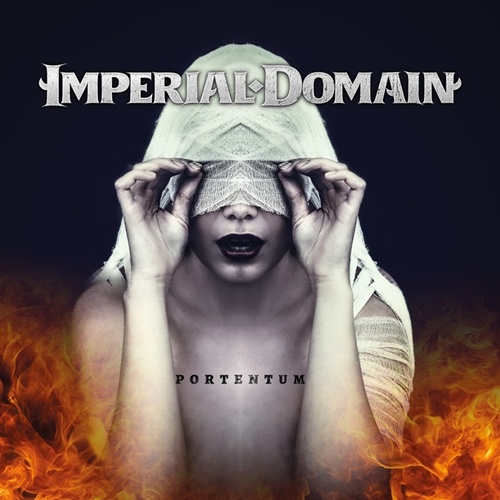
La copertina è il primo elemento visivo con cui i fan entrano in contatto. In che modo l’immagine scelta per la cover di “Portentum” riesce a rappresentare visivamente i concetti chiave dell’album, come l’interpretazione dei segni ominosi e le rovine della civiltà?
Philip: Sì, l’artwork è importante. Abbiamo contattato Peter Alander, che aveva già curato la grafica del nostro album precedente. Eravamo molto soddisfatti del suo lavoro, quindi gli abbiamo chiesto di creare qualcosa in linea con il tema del disco. Ha centrato perfettamente l’obiettivo: pulito, evocativo, con forti richiami ai presagi e alle visioni. È venuto davvero benissimo e lo adoriamo tutti.
Con “Portentum” che segna l’inizio di questa “nuova era”, quali sono i piani futuri dopo l’uscita digitale? Avete in programma attività dal vivo e stanno già prendendo forma idee per la prossima esplorazione tematica legata ai cicli globali e alla natura umana?
Andreas: Sì, abbiamo già alcune date confermate e siamo aperti a nuove proposte per concerti e festival. Abbiamo anche iniziato a scrivere il nuovo album. Ci sono alcune idee che stanno prendendo forma per il futuro, ma per ora concentriamoci su “Portentum”, ahah.
Imperial Domain return with “Portentum“, an album rooted in Swedish death metal that reflects on the cycles of history, omens, and the ruins left by humanity, spanning past, present, and possible futures. We spoke about the meaning of the record with Andreas Öman (vocals) and Philip Borg (guitar).
Welcome! Your new album, “Portentum,” marks your return, immediately plunging deep into humanity’s cyclical nature, examining past, present, and speculative future ruins. What was the central creative motivation behind selecting this overarching theme of “omens” and historical repetition for the album?
Andreas: Thank you so much for this interview. It’s not a concept album, but some of the songs do share the same theme. I heard on Swedish radio about something from folklore called Järtecken, which refers to a portent, omen, or sign. It was believed to foretell a future event, often as a warning of catastrophe. That idea really stuck with me and inspired me to start writing. The song “History Repeating” explores how humanity is caught in cycles of war and conflict, often failing to learn from previous catastrophes and repeating the same destructive patterns. I think the message still feels very relevant today and could apply to nearly any war or conflict, rather than being about something specific. That’s why I feel it fit the song so well, and why it belonged on the album.
The band faced the tragic loss of vocalist Tobias Heideman in 2014 before reemerging stronger than ever. How did this profound loss influence the band’s thematic approach and resolve upon returning, particularly regarding the lyrical themes of endurance and cyclical conflict present on the new album?
Philip: Losing Tobias was one of the hardest things any of us have ever experienced, and it still deeply affects us. The song “Withdrawn from Life” from the album “The Deluge” expresses that pain and loss through both lyrics and sound.
Imperial Domain has a long and storied history in Swedish death metal. How did the cumulative experience gained from your previous works, and your roots in melodic death metal, inform the writing and production of “Portentum”? Which specific tracks on the album best represent this powerful blend of uncompromising brutality and melodic intricacy?
Andreas: I don’t know. We followed the same process as with our last album—we’ve nailed down a formula that suits us perfectly. Peter handles the songwriting, and we each add our own contributions to flesh things out. We recorded everything ourselves in our studio, though we could’ve managed the timeline and deadlines a bit better, haha. The next one won’t take nearly as long. I’d point to “The Legacy” and “History Repeating” as prime examples from the album.
The album is described as “thought-provoking” and delves into the interpretation of signs and omens. Did the band undertake any specific philosophical or historical research regarding prophecies, portents, or cycles of civilization while writing the album, and how did this research influence the lyrical density of tracks like “The Legacy” or “The Die Is Cast”?
Andreas: “The Legacy” dives into a worst-case vision of climate change and what it would do to the planet. I wanted to write about something real and relevant, so I drew inspiration from current news coverage and dug into research on climate change. The song is less about a distant sci-fi apocalypse and more about the very real nightmare we are steadily heading toward if nothing changes. “The Die Is Cast” is, unsurprisingly, heavily inspired by Julius Caesar and the Roman Empire. It actually caught me off guard, because I’ve never written about historical events before. I had written the chorus, but then a documentary series sparked the idea, and from there the imagery and theme just clicked. In the end, I think the historical angle fits the song’s atmosphere and drive perfectly.
The title track, “Portentum,” deals with the ancient practice of interpreting omens, capturing the tension and anxiety before a disaster. In contrast, “History Repeating” draws parallels between past and present conflicts and societal upheaval. How did you balance capturing that historical tension with reflecting on current global failures in these two core tracks?
Andreas: As you described, they’re really two separate songs, each tackling its own subject. “History Repeating” is more open by design and can be interpreted as reflecting almost any conflict throughout history. But yes, omens and predictions of the end have been with us since the dawn of time. Hmm… I don’t know if that answers the question.
“New World Order” takes a darker, speculative turn, exploring societal chaos resulting from unchecked exploitation and ecological disaster. Was the dystopian vision painted in this track primarily inspired by current environmental crises, and how does the music specifically convey the struggle of a world trying to adapt to such calamity?
Andreas: Yes, much like “The Legacy,” this track’s lyrics envision an Earth pushed beyond the point of no return, where the damage becomes irreversible and humanity must face the consequences. I took the liberty of layering these lyrics onto the music that Peter writes, aiming to match the flow, rhythm, and mood of the song.
The album features eight tightly focused tracks. What was the philosophy behind the overall sequencing of the tracklist, from the brutality of “History Repeating” to the bleaker mood of “Into Oblivion,” in guiding the listener through the album’s narrative of decline and foresight?
Philip: The song order on the album is crucial—we want listeners to experience it as a complete journey, track by track, the way it was meant to be heard. There’s always intention behind the tracklist. The key is crafting a flow that showcases the songs and the album at their absolute best.
Andreas: Yes, we opted to open with the fast, direct energy of “History Repeating,” which sets it apart from our earlier material. After that, the rest of the track order flowed together naturally, I think.
The cover artwork is the first visual element fans encounter. How does the imagery chosen for the “Portentum” cover visually encapsulate the album’s core concepts—the interpretation of ominous signs and the ruins of civilization?
Philip: Yeah, the artwork is important. We reached out to Peter Alander, who also handled the artwork for our last album. We were thrilled with his previous work, so we asked if he’d create something aligned with the album’s theme. He nailed it perfectly: clean, evocative, with strong foretelling and vision motifs. It looks great, and we all love it.
With “Portentum” marking the beginning of this “new era,” what are the immediate plans following the digital release? Are there plans for live activity, and are there already ideas forming regarding the direction of the next thematic exploration in terms of global cycles and human nature?
Andreas: Yes, we’ve got a few gigs lined up already and are open for bookings at shows and festivals. We’ve already kicked off the writing process for the new album. Some ideas are brewing for the future, but let’s keep the focus on “Portentum” for now, haha.
 Il Raglio del Mulo