
ENGLISH VERSION BELOW: PLEASE, SCROLL DOWN!
Con “Never Ending Night Of Terror”, quarto album dei Heads For The Dead e seconda uscita per Pulverised Records, la band torna con un lavoro presentato come “overall more extreme in all aspects”. A rispondere alle nostre domande è Jonny Pettersson, mente creativa del progetto, che ci accompagna dentro un disco profondamente radicato nel death metal ma fortemente influenzato da colonne sonore cult e cinema horror, tra atmosfere slasher, violenza e puro terrore.
Ciao Jonny, benvenuto! È un piacere parlare con gli Heads For The Dead. Congratulazioni per il vostro attesissimo quarto album, “Never Ending Night Of Terror”, che è anche la vostra seconda uscita per Pulverised Records. Considerando questo, in che modo l’etichetta, da quando avete firmato nel 2023, ha supportato il vostro processo creativo e la realizzazione di questo album?
Grazie! Pulverised è una delle migliori etichette con cui abbia mai lavorato. Ci forniscono esattamente il supporto di cui abbiamo bisogno e investono davvero molto nella band. Hanno una forte capacità promozionale che ci permette di concentrarci completamente sul processo creativo.
Ralf Hauber ha definito “Never Ending Night Of Terror” come un album “complessivamente più estremo, sotto ogni aspetto”. Puoi spiegare in che modo questo nuovo lavoro spinge i confini del suono della band rispetto alle uscite precedenti?
Non lo abbiamo pianificato, è semplicemente successo in modo naturale. Quando lavori sulla musica e lasci fluire la creatività, ti perdi nel processo, e il risultato finale è una naturale conseguenza di tutto questo. Tutto va di pari passo: i riff richiedono un certo tipo di batteria, la batteria crea una base per le voci e così via. È stato solo dopo aver completato l’album che ci siamo resi conto di aver creato una creatura più brutale.
La musica di “Never Ending Night Of Terror” attinge molto sia dalle colonne sonore cult che dalle fondamenta death metal di band come i Necrophagia. Come siete riusciti a trovare un equilibrio tra queste due influenze e quali elementi delle ispirazioni cinematografiche, come Videodrome di David Cronenberg o Repulsion di Roman Polanski, sono stati più importanti nel definire l’atmosfera generale dell’album?
Siamo sempre stati fortemente ispirati dai film horror e dalle loro colonne sonore. Con il tempo, man mano che le mie capacità come autore sono cresciute, sono diventato più bravo a integrare questi aspetti nel nostro suono. Nei primi album avevo provato a usare più tastiere, ma non suonavano come volevo, quindi quelle parti sono state eliminate. Per noi è fondamentale che le atmosfere horror non siano solo un’aggiunta appoggiata sopra la musica: devono essere una parte essenziale del brano. Anche l’uso dei campionamenti dei film deve essere fatto in modo che siano parte integrante della canzone, non solo un’introduzione o qualcosa che precede il pezzo. Ci sono band che lo fanno alla perfezione, ma con gli Heads volevamo seguire una nostra strada. L’atmosfera di ogni film che ha ispirato i brani ha avuto un ruolo enorme nel suono complessivo. Quando guardi un grande film horror, ti lascia addosso una sensazione ben precisa, e noi volevamo trasferire quella sensazione nella musica.
Definite il vostro stile come “Horror metal of death”, pur sottolineando che si tratta fondamentalmente di un album death metal. Puoi parlare di brani come “Phantasmagoria” o “The Shape Of Light Bleeds Black” e spiegare come rappresentano il vostro mix di estetica horror e aggressione death metal pura?
Di solito quando scrivo musica parto da un riff, che poi determina lo sviluppo del brano. Ma sia con “Phantasmagoria” che con “The Shape Of Light Bleeds Black” sono partito da una parte di tastiera. Stavo guardando Videodrome e mi ha trasmesso una sensazione molto specifica. Quella sensazione ha fatto nascere nella mia mente melodie e suoni capaci di amplificarla. Dopo il film ho iniziato a sperimentare con diversi suoni di tastiera e, una volta trovato quello giusto, ho iniziato a scrivere melodie che poi si sono trasformate nella canzone vera e propria. Lo stesso processo è avvenuto anche per “The Shape Of Light Bleeds Black”.
I testi scritti da Ralf Hauber si basano sui classici dell’horror, ma includono anche una forte componente di finzione. Com’è stato il processo di creazione di queste nuove narrazioni e quanto restano legate al materiale originale?
Il materiale di partenza è sempre la base, ma invece di raccontare il film come un semplice riassunto, Ralf lo rielabora dal suo punto di vista personale. Aggiunge elementi legati alla mentalità e all’atmosfera che percepisce mentre guarda il film. Secondo me questo dà molta più profondità ai testi e alle canzoni. Se sei un appassionato di horror, puoi sicuramente capire a quale film si riferisce ogni brano, ma sempre filtrato dal lato oscuro di Ralf.
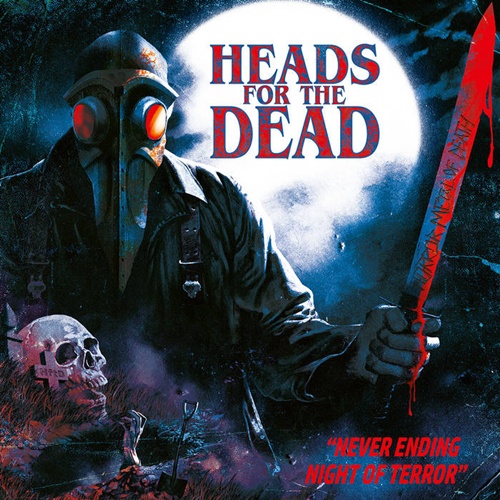
La copertina realizzata da Solo Macello raffigura una figura slasher la cui maschera è ispirata a un oggetto appeso nel tuo salotto, Jonny. Puoi raccontarci la vostra idea inziale per l’artwork e il riferimento voluto al “gemello malvagio” della mascotte dei Sodom?
Abbiamo passato parecchio tempo a cercare l’artista giusto e, quando abbiamo pensato a Solo e al suo stile, la scelta è stata immediata. Possiedo una maschera horror che si vede anche nelle nostre foto promozionali, e abbiamo chiesto a Solo di inserirla, chiedendogli anche che l’artwork trasudasse horror anni ’80. Avere una mascotte è qualcosa di molto radicato sia nel metal che nell’horror, soprattutto nei film slasher, quindi per noi è perfetto. È un omaggio sia ai Sodom che a The Prowler, un tributo a due grandi icone.
La traccia 10, “Witchkrieg (Goblin Tribute)”, è un brano originale che rende omaggio ai maestri del prog rock italiano Goblin. Cosa vi ha spinto a includere questo tributo a Goblin e a Suspiria di Dario Argento, e come avete integrato il loro suono in una canzone death metal?
Stavo guardando Suspiria (1977) e, quando è partita la tema principale dei Goblin, è stato come se un fulmine mi colpisse il cervello. Ho capito subito che dovevo scrivere una canzone death metal usando quella melodia. Ho messo in pausa il film e ho iniziato a registrare le idee. In circa mezz’ora avevo già le fondamenta del brano e ho potuto riprendere la visione del film.
Questo è il primo album con Evan Daniele alla batteria, insieme a Matt Moliti alle chitarre soliste. In che modo l’ingresso di Daniele ha influenzato il ritmo e le dinamiche complessive della band su “Never Ending Night Of Terror”?
Evan è entrato in una fase piuttosto avanzata della lavorazione dell’album, quindi le parti di batteria erano già scritte. Tuttavia, ha preso quelle parti e le ha portate a un livello molto più alto di quanto potessi immaginare. Anche se in quel momento non ha influenzato la dinamica generale della band, ha aggiunto qualcosa di estremamente prezioso all’album.
“To The Very Last” e “In Disgust We Trust” sono stati scelti come singoli di anteprima. Perché proprio questi due brani e cosa rappresentano per “Never Ending Night Of Terror” nel suo insieme?
Questi due pezzi rappresentano l’intera gamma dinamica dell’album e, per noi, erano i singoli perfetti per mostrare il suono complessivo del disco.
With “Never Ending Night Of Terror”, the fourth album by Heads For The Dead and their second release for Pulverised Records, the band returns with a record described as “overall more extreme in all aspects”. Answering our questions is Jonny Pettersson, the creative mind behind the project, who guides us through an album deeply rooted in death metal while strongly influenced by cult soundtracks and horror cinema, blending slasher atmospheres, violence and pure terror.
Hello Jonny, and welcome! It’s a pleasure to speak with Heads For The Dead. Congratulations on your eagerly awaited fourth album, “Never Ending Night Of Terror”, which is your second release with Pulverised Records. Considering this, how has your relationship with the label since signing in 2023 supported the creative process and execution of this particular album?
Thank you! Pulverised is one of the best labels I’ve ever worked with. They provide us with exactly the support we need and put a lot of effort into the band. Their strong promotional reach allows us to focus fully on the creative process.
Ralf Hauber mentioned that “Never Ending Night Of Terror” is an “overall more extreme album, in all aspects.” Could you elaborate on how this new effort pushes the boundaries of the band’s sound compared to previous releases?
We didn’t plan for it, it just happened naturally. When you work on music and let creativity flow, you get lost in the process, and what you end up with is a natural reflection of that. Everything goes hand in hand: the riffs require a certain drum beat, the drum beat creates a foundation for the vocals, and so on. It was only after we had finished the album that we realized we had created a more brutal beast.
The music on “Never Ending Night Of Terror” draws heavily from both cult original soundtracks and the death metal foundation of bands like Necrophagia. How did you strike a balance between these two influences, and which elements from cinematic inspirations such as David Cronenberg’s Videodrome or Roman Polanski’s Repulsion were most crucial in shaping the album’s atmosphere?
We have always been heavily inspired by horror movies and horror soundtracks. As my abilities as a songwriter have grown, I’ve become better at incorporating those aspects into our sound. On earlier albums I tried using more keyboards, but it never sounded the way I wanted, so those parts were removed. It’s very important to us that the horror soundscapes aren’t just an add-on sitting on top of the music; they have to be a fundamental part of it. Movie samples must feel like part of the song, not just an intro or something that plays before the track starts. Other bands do that perfectly, but with Heads we want to do it our own way. The atmosphere of each film that inspired the songs played a huge role in shaping the overall sound. When you watch a really good horror movie, it leaves you with a specific feeling, and we wanted to transfer that feeling into the music.
You describe your style as “Horror metal of death” while stressing that this is fundamentally a death metal album. Could you talk about tracks like “Phantasmagoria” or “The Shape Of Light Bleeds Black”, and how they exemplify your blend of horror aesthetics and pure death metal aggression?
Usually when I write music, I start with a riff, which then dictates how the song develops. But with both “Phantasmagoria” and “The Shape Of Light Bleeds Black”, I started with a keyboard part. I was watching Videodrome, and it evoked a very specific feeling. That feeling triggered ideas for melodies and sounds that could elevate it even further. After the movie, I started experimenting with different keyboard sounds, and once I found the right one, I began writing melodies that eventually transformed into the song itself. The same process applied to “The Shape Of Light Bleeds Black”.
While the lyrics written by Ralf Hauber are based on classic horror films, they also include a strong fictional element. What was the process behind creating these new narratives, and how closely do they connect to the source material?
The source material is always the foundation, but instead of retelling the movie like a summary, Ralf builds upon it from his own perspective. He adds elements based on the mindset and atmosphere he experiences while watching the film. That approach adds much more depth to the lyrics and the songs. Horror fans can definitely recognize which movie a song is inspired by, but always with Ralf’s dark twist.
The striking cover art by Solo Macello features a slasher figure whose mask is inspired by a piece hanging in your living room, Jhonny. Could you describe the band’s vision for the artwork and the intentional nod to the Sodom mascot’s “evil twin”?
We spent quite a lot of time looking for the right artist, and once we thought about Solo and his artwork, the choice was immediately clear. I own a horror mask that can also be seen in our band photos, and we asked Solo to incorporate it while making sure the artwork reeked of ’80s horror. Having a mascot is deeply rooted in both metal and horror, especially slasher movies, so it fits us perfectly. It’s a nod to both Sodom and The Prowler, a homage to two greats.
Track 10, “Witchkrieg (Goblin Tribute)”, is an original song paying homage to Italian prog rock legends Goblin. What inspired you to include this tribute to Goblin and Dario Argento’s Suspiria, and how did you integrate their unique sound into a death metal framework?
I was watching Suspiria (1977), and when Goblin’s main theme started playing, it felt like a lightning bolt hit my brain. I immediately knew I had to write a death metal song using that melody. I paused the movie and started recording ideas. About 30 minutes later, I had the foundation of the song and could continue watching the film.
This is the first album featuring Evan Daniele on drums, alongside Matt Moliti on lead guitars. How has Daniele’s addition influenced the rhythm and overall dynamics of the band on “Never Ending Night Of Terror”?
Evan joined at a late stage of the album’s creation, so the drum parts were already written. However, he took those parts and elevated them far beyond what I had imagined. Even though he didn’t influence the overall dynamic at that stage, he added something extremely valuable to the album.
“To The Very Last” and “In Disgust We Trust” were selected as advance singles. Why were these particular tracks chosen, and what do they represent about “Never Ending Night Of Terror” as a whole?
Those two songs represent the full dynamic range of the album, and for us they were the perfect singles to showcase the overall sound of the record.
 Il Raglio del Mulo