
ENGLISH VERSION BELOW: PLEASE, SCROLL DOWN!
“MMXXVI – Grave”, album di doom metal atmosferico pubblicato il 16 gennaio 2026 da My Kingdom Music, segna un nuovo capitolo per i Dvm Spiro, ex membri dei Nihili Locus. L’album affronta temi di solitudine, follia e dissoluzione interiore, con un mix di voci femminili e growl.
Benvenuti, “MMXXVI – Grave” si presenta come un’opera doom metal atmosferica e tormentata che scava a fondo nell’abisso della solitudine: in che modo l’eredità dei Nihili Locus, band culto degli anni ’90 di cui voi e Max siete stati protagonisti, influenza la creazione di questo nuovo e apocalittico inizio?
Valeria: Perché in realtà è stato creato all’inizio di una fase apocalittica, che è tuttora in corso, intesa come un enorme cambiamento di equilibrio a ogni livello, qualcosa che semplicemente non può lasciare nessuno indifferente. Né all’esterno né dentro di noi. In questa fase non esistono ombre nette né luci chiare. Entrambe sono distorte e manipolate. Non c’è rifugio in questo ignoto. Bisogna essere adulti e completamente presenti
Il nuovo album arriva a diversi anni di distanza da “MMXIX – In Frigidvm Lectvm”: come si è evoluto il vostro percorso artistico in questo lasso di tempo e cosa rappresenta, simbolicamente, il passaggio al concetto di “Grave”?
V: “MMXIX – In Frigidvm Lectvm” è stato l’inizio di un percorso, un album più predittivo, anche di ciò che ne sarebbe derivato dopo. “Grave” è un album più esoterico e introspettivo, ma più violento a livello emozionale: scava più nel profondo.
Roberto: A differenza di “Letto freddo”, “Grave” è stato fatto diversamente. Nel periodo di maggiore lavoro di composizione e arrangiamento non era possibile andare in sala a provare per via del lockdown. Inoltre eravamo orfani di Maurizio, andato a vivere in Norvegia. Abbiamo così lavorato e fatto tutto da casa per la maggior parte dei brani, dalla composizione agli arrangiamenti, fino al mixing, che è stato poi fatto in studio. Essendo solo in tre, non avremmo potuto costruire i brani nella maniera tradizionale, data anche la complessità dei brani e la moltitudine di tracce e strumenti.
Il titolo dell’opera suggerisce una solennità funerea che si riflette in un sound estremamente tormentato: come riuscite a bilanciare la pesantezza dei riff con gli elementi horror e classici che arricchiscono le vostre composizioni?
V: Diamo forma ai pensieri. Scivolano sinuosi attraverso le diverse realtà che si colgono, che si cerca di comprendere senza porsi domande. Quindi niente si blocca: muta ma prosegue il seminato. Lo si avvolge di complementi strumentali e creatività comune e lo si sfuma nel percorso della struttura, seguendo l’alternarsi delle linee musicali variabili, la propria astratta interiorità, e se rimane armonioso vuol dire che è stato funzionale a un ragionamento e a una creazione spontanea. È proprio questo alternarsi che è caratteristico della nostra linea compositiva. Ci si proietta dentro.
Siete spesso accostati a giganti come My Dying Bride o Shape Of Despair: sentite di appartenere a una specifica “scuola” del doom metal o cercate attivamente di distanziarvi dai canoni del genere attraverso la vostra “sad art”?
V: È lusinghiero sentire tali paragoni! Io, personalmente, sono stata influenzata dalla drammaticità eterea ed al contempo possente e unica dei Colosseum. A mio parere il più grande gruppo funeral doom di tutti i tempi. La loro trascendenza devastante mi ha dato ispirazioni incredibili, che si sono poi tradotte in via personale durante la creazione dei pezzi. Semplicemente, seguiamo ciò che evoca quello che abbiamo dentro. La nostra ispirazione. Il luogo dove conduce. E lo traduciamo in musica, a modo nostro, come tutte le band.
R: Personalmente no. Non mi sento appartenere a quella scuola, ma nello stesso tempo non cerco forzatamente di distaccarmene o di nascondere le influenze, che sono inevitabili. Per quanto riguarda le ritmiche, sia di chitarra che di batteria, ho voluto dare un’impronta molto più funeral a “Grave” rispetto a “Letto freddo”.
In questo disco l’intreccio tra voci femminili e growl profondi sembra farsi ancora più oscuro: come avete lavorato sulla dinamica vocale per enfatizzare quel senso di solitudine e disperazione che emerge dall’opera?
V: Abbiamo lavorato tramite l’interpretazione delle liriche, calzate con la musica, per creare il pathos necessario. Nessuna parte musicale è scissa dal testo. Io non sono una cantante, ma se entro tra le mie pareti, mentre canto sento e interpreto le emozioni rappresentate nei pezzi, in modi differenti e a seconda delle parti. È più una recitazione melodica, la mia. Io e Roberto siamo stati complementari in questo. Lui però è anche un bravo cantante, oltre che un pertinente interprete vocale. Infatti, in un pezzo in particolare (“Troppo lente scendono le tue lacrime”), recita molto più che cantare. Comunque, insieme, questo è stato il risultato.
R: Per la voce ho cercato di renderla più profonda, solenne, recitata, per sottolineare la pesantezza che ispiravano musica e liriche. Non credo che sia la voce la protagonista del disco, ma che sia, come tutti gli altri strumenti, una parte importante nella sua totalità.
Brani come “Troppo lente scendono le tue lacrime” e “Insoluto d’anima” suggeriscono una forte ricerca introspettiva: esiste un filo conduttore filosofico che lega le tracce di “MMXXVI – Grave”?
V: Sì, sono un’evoluzione, da un preludio a una fine, come tutte le cose di questa terra, inevitabilmente importanti se ci hanno toccato profondamente. Scavano a fondo, su sfere interiori differenti.
L’album viene descritto come un luogo dove “la follia brilla nell’oscurità”: quanto è importante per voi l’aspetto psicologico e la rappresentazione del disagio umano nel processo creativo dei Dvm Spiro?
V: Direi fondamentale. Io posso solo esporre qualche valutazione a riguardo. Per me la vita si svolge su diversi piani. E bisogna soprattutto essere folli. Nell’oscurità le luci importanti si scorgono, anche durante la disperazione. I folli le vedono brillare, raccontano di mondi diversi. Che esistono. E nascono e muoiono dentro di noi. Tra molti volti, molti errori, molti abbandoni e solitudini. Imperfetti e maledetti. Tenuti nascosti, pensando siano bui mostri da evitare e denigrare, quando i veri mostri si fingono portatori di luce, che non brilla, che acceca solamente.
La traccia “Alla fine” chiude il disco: rappresenta il punto più profondo dell’abisso in cui volete trascinare l’ascoltatore o lascia intravedere uno spiraglio di luce oltre la “indistinta morte”?
V: “Alla fine”. Tutte le cose hanno una scadenza. Perché dalla fine di un percorso, scandito dal tempo, costantemente fino all’ultima nota, cadente nel silenzio, finisce la percezione di ciò che dà un limite. Delle nostre parti marce. La pulizia necessaria. Di fondamento liberatorio. Che il tempo scioglie. La fine di ciò che si dava per scontato. È la morte. Quella di cui non bisogna aver paura.
Avete già programmato di portare queste atmosfere soffocanti dal vivo o il progetto rimarrà confinato alla dimensione discografica?
V: Mi piacerebbe molto. È un progetto complesso, non privo di difficoltà logistiche e collaborative, ma ci stiamo pensando, se potrà essere fattibile. Speriamo di poterlo realizzare! Grazie mille. E Dvmsaluti!
R: Portare dal vivo Spiro sarebbe per noi un grande piacere ed onore, ma per farlo bene dovremmo avere la possibilità di lavorare con parecchi altri musicisti, per far sì che non siano solo tre strumenti a suonare su una base. Ma vediamo cosa ci porta il futuro. L’idea c’è, anche se al momento non è la nostra priorità. Abbiamo già iniziato a lavorare al disco nuovo. Non so se ci vorranno altri sei anni o magari ne basteranno meno. In ogni caso, se in questo periodo dovessimo avere qualche opportunità, potremmo sempre sfruttarla. Se il disco andasse bene e ci fosse richiesta, non escluderei qualche data.
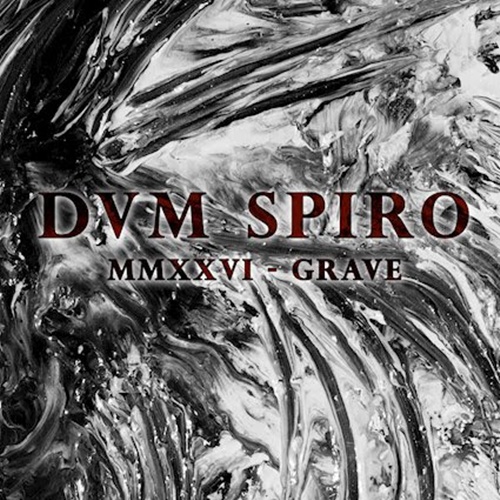
“MMXXVI – Grave”, an atmospheric doom metal album released on January 16, 2026 via My Kingdom Music, marks a new chapter for Dvm Spiro, former members of Nihili Locus. The album explores themes of solitude, madness and inner dissolution, blending female vocals with deep growls.
Welcome, “MMXXVI – Grave” comes across as an atmospheric and tormented doom metal work that digs deep into the abyss of solitude: how does the legacy of Nihili Locus, a cult ’90s band featuring you and Max, influence the creation of this new and apocalyptic beginning?
Valeria: Because it was actually created at the beginning of an apocalyptic phase, one that is still ongoing today, meant as a huge shift of balance on every level, something that simply can’t leave anyone untouched. Neither outside nor inside ourselves. There is no clear shadow and no clear light in this phase. Both are distorted and manipulated. There is no refuge in this unknown. You need to be grown-up and fully present.
The new album comes several years after “MMXIX – In Frigidvm Lectvm”: how has your artistic path evolved during this time, and what does the shift toward the concept of “Grave” represent symbolically?
V: “MMXIX – In Frigidvm Lectvm” was the beginning of a journey, an album that was more predictive, even of what would come afterwards. “Grave” is a more esoteric and introspective album, but also more violent on an emotional level: it digs much deeper.
Roberto: Unlike “Letto Freddo”, “Grave” was made in a completely different way. During the most intense phase of writing and arranging, it wasn’t possible to rehearse because of the lockdown. On top of that, we were without Maurizio, who had moved to Norway. So we basically worked on everything from home for most of the songs, from composition and arrangements all the way to mixing, which was then finalized in the studio. Being just the three of us, we couldn’t build the songs in a traditional way, also considering their complexity and the huge number of tracks and instruments involved.
The title of the album suggests a funereal solemnity reflected in an extremely tormented sound: how do you manage to balance heavy riffs with the horror and classical elements that enrich your compositions?
V: We give shape to our thoughts. They slide smoothly through the different realities we perceive and try to understand, without asking questions. Nothing gets stuck: it changes, but it keeps moving forward. We wrap it in instrumental elements and shared creativity, blending everything into the structure, following the alternation of different musical lines and our own abstract inner world, and if it stays harmonious it means it worked as part of a reasoning process and a spontaneous creation. This constant alternation is exactly what defines our compositional approach. You just throw yourself into it.
You’re often compared to giants like My Dying Bride or Shape Of Despair: do you feel part of a specific Doom Metal “school”, or do you actively try to move away from genre conventions through your “sad art”?
V: It’s flattering to hear comparisons like that. Personally, I’ve been deeply influenced by the ethereal yet powerful and unique drama of Colosseum. In my opinion, the greatest funeral doom band of all time. Their devastating transcendence gave me incredible inspiration, which I then translated in a very personal way while creating the songs. We simply follow what evokes what we carry inside us. Our inspiration. Where it leads us. And we translate it into music in our own way, like every band does.
R: Personally, no. I don’t really feel part of a specific school, but at the same time I don’t try to distance myself from it or hide influences, because they’re inevitable. As far as guitar and drum rhythms are concerned, I wanted to give “Grave” a much more funeral-oriented feel compared to “Letto Freddo”.
On this album, the interplay between female vocals and deep growls feels even darker: how did you work on vocal dynamics to enhance that sense of solitude and despair?
V: We worked through the interpretation of the lyrics, shaping them around the music to create the right emotional tension. No musical part is detached from the text. I don’t consider myself a singer, but when I step inside my inner walls while singing, I feel and interpret the emotions of the songs in different ways, depending on the sections. It’s more like melodic acting for me. Roberto and I complemented each other a lot. He’s also a very good singer, as well as a strong vocal interpreter. In one song in particular, “Troppo Lente Scendono Le Tue Lacrime”, he acts more than he actually sings. Anyway, together this is what came out of it.
R: For the vocals, I tried to make them deeper, more solemn and more recited, to underline the heaviness suggested by the music and lyrics. I don’t think the voice is the main character of the album; it’s just like all the other instruments, an important part of the whole.
Songs like “Troppo Lente Scendono Le Tue Lacrime” and “Insoluto D’Anima” suggest a strong introspective drive: is there a philosophical thread connecting the tracks of “MMXXVI – Grave”?
V: Yes, they are an evolution, from a beginning to an end, like everything on this earth, inevitably important if it has touched us deeply. They dig deep, into different inner spheres.
The album has been described as a place where “madness shines in the darkness”: how important is the psychological aspect and the portrayal of human discomfort in Dvm Spiro’s creative process?
V: I’d say it’s fundamental. I can only share a few thoughts about it. For me, life unfolds on different levels. And above all, you need to be mad. In darkness, the important lights can be seen, even during despair. Mad people see them shining and talk about different worlds. Worlds that exist. And that are born and die inside us. Among many faces, many mistakes, many abandonments and solitudes. Imperfect and cursed. Hidden away, treated as dark monsters to be avoided and condemned, while the real monsters pretend to be bearers of light, a light that doesn’t shine, it only blinds.
The track “Alla Fine” closes the album: does it represent the deepest point of the abyss you want to drag the listener into, or does it offer a glimpse of light beyond the “indistinct death”?
V: “Alla Fine”. Everything has an expiration date. Because at the end of a journey, marked by time, constantly moving toward the last note falling into silence, the perception of limits comes to an end. Our rotten parts. The necessary cleansing. Something with a liberating foundation. Melted away by time. The end of what we took for granted. It is death. The one you shouldn’t be afraid of.
Have you already planned to bring these suffocating atmospheres to the stage, or will the project remain confined to the studio dimension?
V: I’d really love to. It’s a complex project, not without logistical and collaborative difficulties, but we’re thinking about it, if it can be made possible. We really hope so. Thanks a lot. And Dvmsaluti!
R: Bringing Spiro live would be a great pleasure and an honor for us, but to do it properly we’d need the chance to work with several other musicians, so it wouldn’t just be three instruments playing over a backing track. But we’ll see what the future brings. The idea is there, even if it’s not our main priority right now. We’ve already started working on the new album. I don’t know if it’ll take another six years or maybe less. Either way, if opportunities come up in the meantime, we could always take advantage of them. And if the album does well and there’s demand, I wouldn’t rule out some live dates.
 Il Raglio del Mulo