
ENGLISH VERSION BELOW: PLEASE, SCROLL DOWN!
Con “Cairn”, i Parallel Minds firmano un disco che va oltre i confini di una semplice uscita prog metal. Costruito attorno a storie legate a culture diverse e a eventi storici, l’album unisce intensità tecnica, profondità melodica e una forte dimensione narrativa, trasformando ogni brano in un frammento di un più ampio paesaggio umano. In questa intervista, il chitarrista Greg riflette sulle idee alla base del disco e sul percorso che ha portato la band francese a realizzare il lavoro più ambizioso della propria carriera.
Ciao Greg, e grazie per essere con noi! Con il vostro quarto album “Cairn”, in uscita il 10 marzo 2026, descritto come un viaggio immersivo attraverso resilienza umana, cultura ed emozioni, puoi accompagnarci nel cuore del concept e raccontarci quale esperienza volevate trasmettere agli ascoltatori?
Grazie a te! L’album è un viaggio attraverso culture, paesi e storie umane differenti. Ogni brano affronta un evento specifico legato a una particolare area del mondo: alcuni appartengono a epoche antiche, altri sono più contemporanei. Abbiamo utilizzato il simbolo del cairn in diversi modi. Innanzitutto per ciò che rappresenta nella sua forma originaria, ovvero un punto di riferimento per i viaggiatori smarriti. Ma lo abbiamo impiegato anche in senso più metaforico, come simbolo dell’idea di ricostruire qualcosa pezzo dopo pezzo, anche dopo essere stati distrutti. Molte delle storie che raccontiamo nell’album sono molto tragiche e mostrano il lato più oscuro della nostra umanità, ma il nostro messaggio resta comunque di speranza: crediamo che l’umanità possa ancora trovare un modo per redimersi e ricostruirsi in una forma migliore.
L’album fonde prog metal aggressivo, energia thrash e inni epici, includendo anche collaborazioni con artisti provenienti dal Togo e dalla scena francese. In che modo queste voci così diverse hanno contribuito a definire la scrittura e il panorama sonoro complessivo di “Cairn”?
La scrittura generale dei brani era già stata completata prima che entrassero in gioco gli ospiti, quindi non hanno avuto un impatto diretto sul processo compositivo. Li abbiamo contattati perché potessero portare maggiore autenticità, nuove texture e ulteriore profondità ai brani, e tutti hanno svolto questo ruolo in modo magnifico. È stato davvero un piacere lavorare con loro su questo progetto.
Ogni traccia rappresenta un paese o una cultura, quasi come un vero e proprio diario di viaggio musicale. Come avete affrontato la sfida di tradurre elementi culturali ed emotivi all’interno delle composizioni?
Abbiamo svolto diverse ricerche sulla musica e sulla storia di ciascuna cultura. Inoltre ho acquistato un ottimo VST che include molti strumenti etnici dal suono estremamente realistico. Ho utilizzato quei timbri mentre scrivevo le diverse parti strumentali dei brani, cercando sempre di farli convivere in maniera naturale con gli elementi più tradizionali dell’heavy metal. Volevamo evitare che le componenti folkloristiche risultassero semplici espedienti superficiali: dovevano essere parti integranti ed essenziali delle canzoni.
Dal punto di vista della produzione, “Cairn” punta molto su una qualità sonora di alto livello e su un’identità visiva molto curata. In che modo il lavoro di registrazione e missaggio ha contribuito a costruire l’atmosfera immersiva che avevate immaginato?
Grazie! Mi sono occupato personalmente del missaggio, del mastering e dell’intera produzione. La qualità del suono è ovviamente un elemento fondamentale del processo. Volevamo essere certi che tutti gli strumenti etnici e i cori non venissero sepolti sotto il peso delle chitarre e della batteria heavy, ma nemmeno il contrario. Tutto doveva essere perfettamente bilanciato, in modo che l’ascoltatore potesse sentirsi immerso dall’inizio alla fine. Credo che siamo riusciti a raggiungere questo obiettivo.
Brani come “Sufero” e “Fear Is The Pandemic” mostrano sia grande padronanza tecnica sia una forte intensità emotiva. Come riuscite a bilanciare complessità compositiva e impatto emotivo durante il processo creativo?
Non vogliamo mai esagerare con l’aspetto tecnico della nostra musica. In realtà non lo pensiamo nemmeno in questi termini: è semplicemente il nostro modo naturale di comporre. Il nostro focus principale è sempre stato sulle emozioni che vogliamo evocare attraverso la musica. Vogliamo portare gli ascoltatori in un viaggio che non dimenticheranno facilmente. Questo è sempre stato il nostro obiettivo. La complessità della nostra musica è soltanto un mezzo per raggiungere quel risultato, non il punto centrale. Alcuni dei nostri brani sono molto semplici e diretti: tutto dipende dalle sensazioni che la canzone richiede.
Guardando ai vostri lavori precedenti, in particolare “Echoes From Afar”, in che modo la band è cresciuta in termini di ambizione musicale e profondità lirica in questo nuovo disco?
Credo che cresciamo come musicisti e come autori con ogni nuovo album che realizziamo. Amo ancora tutti i nostri lavori precedenti, soprattutto “Echoes From Afar”. Tuttavia sento che “Cairn” è più coeso, più immediato e dà davvero la sensazione di una band che suona insieme. Il suono è più organico, più melodico e più umano rispetto a qualsiasi cosa abbiamo fatto in passato. C’è molta anima in questo disco. Inoltre è anche il nostro lavoro più ambizioso dal punto di vista dell’orchestrazione e delle strumentazioni utilizzate.
I Parallel Minds si sono costruit una reputazione per la capacità di sperimentare e spingersi oltre i confini stilistici. Ci sono stati momenti particolarmente memorabili o sfide significative durante la realizzazione di “Cairn”?
L’intero album è stato estremamente divertente da realizzare. Personalmente direi che la scrittura di “On Both Sides” è stato il momento più memorabile per me, perché Steph e io eravamo davvero in stato di grazia mentre lavoravamo su quel pezzo. È una canzone folle, con una quantità enorme di elementi che entrano ed escono continuamente e moltissimi livelli sonori sovrapposti. Inoltre ho avuto l’onore di condividere le parti vocali con Steph ed è stata un’esperienza fantastica.
Considerata la dimensione internazionale delle collaborazioni e la varietà di influenze presenti nella vostra musica, come vedi il ruolo dei Parallel Minds nell’attuale panorama del progressive e power metal?
Non credo che spetti a noi rispondere a questa domanda. Spero che i fan di questi generi possano trovare in noi qualcosa di davvero stimolante, qualcosa che non riescono a trovare altrove. Stiamo semplicemente creando la musica che amiamo e che oggi non sentiamo più molto spesso nelle nuove band, quindi mi auguro che esista un pubblico per questo tipo di melodic metal carico di emozione e capace di far riflettere.
Infine, dopo “Cairn”, cosa possono aspettarsi i fan dal futuro della band: nuovi progetti, concerti o magari ulteriori evoluzioni del vostro sound?
Abbiamo alcuni concerti programmati nel corso dell’anno in Francia, ma purtroppo per il momento non sono previste date in altri paesi. Per quanto riguarda nuova musica, avremo bisogno di un po’ di tempo per ricaricare le batterie creative, ma penso che torneremo a scrivere relativamente presto. Per ora però non posso dire molto di più!
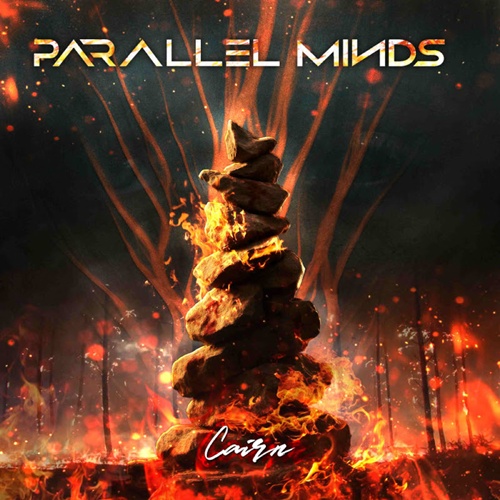
With “Cairn”, Parallel Minds shape a record that moves far beyond the boundaries of a conventional prog metal release. Built around stories drawn from different cultures and historical events, the album connects technical intensity, melodic depth and a strong narrative dimension, turning each track into a fragment of a broader human landscape. In this interview, guitarist Greg reflects on the ideas behind the album and the path that led the French band to craft their most ambitious work so far.
Hi Greg, and thanks for joining us! With your fourth album “Cairn” arriving on March 10, 2026, it’s described as an immersive journey through human resilience, culture, and emotion. Can you walk us through the core concept of the album and what you wanted listeners to experience?
You’re welcome! The album is a journey through different cultures, countries and human stories. Each song deals with a specific event related to a specific part of the world. Some of them are ancient, some are more contemporary. We used the symbol of the cairn in different ways. First for what it initially represents, which is a beacon for lost travellers. But we also used it in a more metaphorical way, to represent the idea of rebuilding something, piece by piece, even after being destroyed. A lot of the stories that we’re dealing with on the album are very tragic and show the darker side of our humanity, but our message is one of hope that humanity can still find a way of redeeming itself and rebuild itself in a better shape.
The album blends aggressive prog metal, thrash energy, and epic anthems, while featuring collaborations with artists from Togo and the French scene. How did these diverse voices shape the songwriting and overall sonic palette of “Cairn”?
The overall songwriting was done before any guests came into the picture, so they didn’t have an impact on the writing itself. We contacted them so they could bring more authenticity, texture and flesh to the songs, and they all delivered that wonderfully. It was a pleasure working with them on this project.
Each track is said to represent a country or culture, almost like a musical travelogue. How did you approach translating cultural and emotional elements into the compositions themselves?
We did some research on each culture’s music and history. I also bought this great VST that has a lot of ethnic instruments that sound very real. I used those sounds when writing the different instrumentations of the songs, making sure that they would blend well with the more traditional heavy metal elements. We wanted to make sure that the folkloric elements were not just gimmicks, but that they were integral and essential parts of the songs.
Production-wise, “Cairn” emphasizes first-class audio quality and a carefully crafted visual identity. How did the recording and mixing process contribute to the immersive storytelling you envisioned?
Thank you! I did the mixing, the mastering and the overall production. The sound quality is obviously a very important part of the process. We wanted to make sure that all the different ethnic instruments and choirs were not buried beneath the heavy guitars and drums, or the other way around. Everything had to be well balanced so that the listener would feel immersed from beginning to end. I think we achieved that.
Tracks like “Sufero” and “Fear Is The Pandemic” carry both technical mastery and intense emotion. Can you share the creative process behind balancing complexity with emotional impact?
We don’t want to overdo the technical aspect of our music. We don’t even think about it that way, it’s just a natural way of composing. Our main focus has always been the emotions that we want to evoke through the music. We want to take the listeners for a ride they will never forget. That’s always been our goal. The complexity of our music is just a means to an end, not the main focus. Some of our songs are very simple and straightforward; it all depends on the feel that the song is asking for.
Looking back at your previous albums, particularly “Echoes From Afar,” how has the band evolved in terms of musical ambition and lyrical depth on this record?
I think we grow as musicians and songwriters with every new album we do. I still love all our previous albums, especially “Echoes From Afar”. I feel like “Cairn” is more cohesive, more relatable, and feels more like a band playing. It sounds more organic, melodic and human than anything we’ve done before. It has a lot of soul to it. It’s also our most ambitious album in terms of instrumentation.
Parallel Minds has a reputation for bold experimentation and pushing boundaries. Are there any memorable moments or challenges during the making of “Cairn” that stand out to you?
The whole album was a lot of fun to make. Personally, I would say the writing of “On Both Sides” was the most memorable one for me because Steph and I were just on fire when we wrote this one. It’s a crazy song, with tons of things going on at all times and tons of layering. Plus I had the honor of sharing the vocal duties with Steph and it was amazing.
Considering the global scope of your collaborations and the rich diversity of influences, how do you see Parallel Minds’ role in the modern progressive and power metal landscape?
I don’t think that’s up to us to answer that question. I hope fans of those genres will find something really appealing in us, something they can’t find anywhere else. We’re making music we love and that we don’t really hear anywhere else anymore in newer bands, so I hope there’s an audience for that kind of thought-provoking, emotionally charged style of melodic metal.
Finally, after “Cairn,” what can fans expect next—future projects, touring plans, or new directions for the band’s sound and artistic vision?
We have some shows planned for the year in France, unfortunately no other countries yet. As for new music, we’re going to need some time to recharge our creative batteries, but I think we’ll be back in songwriting mode relatively soon! I can’t say anything yet, sorry!
 Il Raglio del Mulo