
ENGLISH VERSION BELOW: PLEASE, SCROLL DOWN!
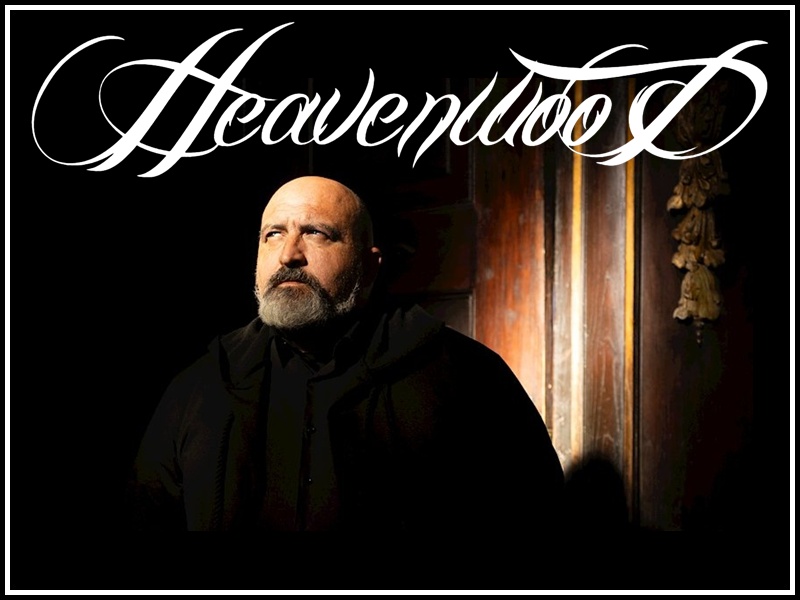
Dopo un decennio di silenzio e innumerevoli battaglie personali, gli Heavenwood tornano con “The Tarot Of The Bohemians Part II”, pubblicato da Mighty Music, completando un ambizioso viaggio artistico e spirituale iniziato nel 2016. In questa conversazione, Ricardo Dias Dos Santos apre le porte dell’universo oscuro e malinconico della band, riflettendo su simbolismo, rinascita, resilienza umana e sull’identità incrollabile che da oltre trent’anni definisce il nome degli Heavenwood nella scena gothic e dark metal.
Ricardo, grazie per essere qui con Il Raglio Del Mulo e per aver dedicato il tuo tempo. Dopo un silenzio durato un decennio, gli Heavenwood tornano con “The Tarot Of The Bohemians Part II”, il capitolo conclusivo di un lungo percorso concettuale ispirato agli scritti di Gérard Encausse e plasmato da decenni di identità gothic e dark metal: che sensazione si prova nel chiudere finalmente questo ciclo e quale spirito ha guidato la creazione di questo nuovo album?
È una sensazione legata al rispetto reciproco: rispetto per me stesso come compositore e rispetto per tutti i fan degli Heavenwood che continuano ad apprezzare e ascoltare la nostra musica fin dal 1996, anno in cui uscì il nostro album di debutto, “Diva”. Era un ciclo che doveva essere chiuso comunque, nel 2026 o nel 2036. Innanzitutto perché il concept di “The Tarot Of The Bohemians” è iniziato nel 2016 con l’uscita di “Part I”, contenente i primi dodici brani dedicati agli Arcani Maggiori, e sebbene gli Heavenwood non siano mai stati una band regolare nelle pubblicazioni o abbiano mai inciso un disco soltanto per obblighi contrattuali, personalmente avevo bisogno di vivere determinate esperienze per trovare l’ispirazione necessaria a scrivere qualcosa di più di una semplice raccolta di canzoni. Inoltre, in questi trent’anni di attività ho sempre percepito la presenza costante dei fan, sia quelli storici sia quelli più giovani. Per esempio, le ristampe di “Diva” e “Swallow” hanno avuto un successo tale che, quando ho iniziato a ricevere email da fan di tutto il mondo e ho contattato numerosi musicisti per raccogliere le loro testimonianze su “Diva”, mi sono trovato a leggere veri e propri frammenti di vita legati alla musica degli Heavenwood. Era qualcosa che andava ben oltre il semplice ascolto. Tutti questi musicisti ricordano ancora oggi l’emozione provata nello scoprire la nostra musica. È stato profondamente toccante e ha avuto un enorme impatto su di me perché, sinceramente, non avevo mai avuto prima una percezione così chiara di tutto questo. In questi dieci anni mi sono successe moltissime cose e, senza dubbio, hanno influenzato profondamente la scrittura di questo sesto album.
“The Tarot Of The Bohemians Part II” prosegue una storia iniziata nel 2016, ampliando il linguaggio esoterico e simbolico dei Tarocchi: come hai costruito la struttura narrativa di questo capitolo conclusivo e in che modo hai tradotto concetti spirituali così astratti nel linguaggio emotivo della musica?
Il tema non riguarda il tradizionale concetto dei Tarocchi, ma la visione e gli studi elaborati nel XVIII secolo dall’occultista Papus. In questo caso, scrivere musica che potesse essere ascoltata come una vera e propria colonna sonora per ciascun Arcano Maggiore ha rappresentato una sfida enorme. Esiste una ragione precisa per cui ogni brano possiede un proprio sound design, uno stile e persino un proprio carisma. Le canzoni funzionano anche come una sceneggiatura, raccontando le fondamenta e l’interpretazione di ciascun Arcano. Tutto deve combaciare e corrispondere perfettamente, come in una sorta di jukebox simbolico. In questo nuovo album, per esempio, “The Moon” doveva avere un’atmosfera emozionale e mistica, mentre “The Lightning-Struck Tower” doveva risultare fragorosa e imponente. Oppure “The World”, il brano conclusivo, che rappresenta contemporaneamente una fine e un nuovo inizio. Questo lavoro è molto più di un semplice album metal: è un’esperienza, un viaggio dentro sé stessi e nel proprio rapporto con la realtà. Ogni canzone funziona come uno specchio e, quando pensi di aver scelto di amare un brano piuttosto che un altro, in realtà hai semplicemente costruito un ponte invisibile verso quelle composizioni che riflettono il tuo essere interiore, la tua natura o le tue esperienze di vita. È un esercizio straordinario.
L’album viene descritto come una continuazione ma anche una trasformazione del sound degli Heavenwood, spingendosi verso territori più cinematografici e contemporanei pur mantenendo intatto il vostro DNA malinconico: quali elementi sonori avete deciso di evolvere e quali, invece, rappresentano la vostra identità a prescindere dall’epoca?
Credo che lavorare e registrare nel modo più tradizionale possibile, con una vera batteria, vere chitarre e moltissime take, sia stato fondamentale. Volevo che questo album suonasse il più umano e organico possibile. Soltanto all’inizio delle registrazioni ho deciso che non ci sarebbero stati arrangiamenti orchestrali né sintetizzatori, perché desideravo che le persone percepissero chiaramente che tutto il disco era stato creato da esseri umani e non da macchine. Anche chi ascolta è un essere umano. Preservare il DNA degli Heavenwood è qualcosa di essenziale per me e, ne sono certo, anche per i nostri fan. Non mi piace fare esperimenti musicali con chi segue e ama la mia musica. Gli Heavenwood sono gli Heavenwood. Non condivido la scelta di quegli artisti che cambiano completamente stile in nome dell’evoluzione o dell’esperienza. Se vuoi esplorare altri territori musicali puoi sempre creare un progetto parallelo e ampliare i tuoi orizzonti artistici, ed è assolutamente legittimo. Ma se hai dato vita a un’entità musicale con una propria personalità, allora dovresti lavorare per perfezionarla, non per snaturarla. Farlo sarebbe una grave mancanza di rispetto verso te stesso e verso il tuo pubblico.
Il primo assaggio di questa nuova era è arrivato con il singolo “Death”, che ha immediatamente definito una forte identità concettuale e atmosferica: quanto è stato importante questo brano nel delineare la direzione dell’intero album e cosa rappresenta all’interno del più ampio ciclo dei Tarocchi?
È un simbolo. Tutte le canzoni lo sono. Sia “Part I” sia “Part II” sono intrise di simbolismo. “Death” non rappresenta la fine, ma un nuovo inizio, incarnato qui come atto inaugurale di questo secondo capitolo. Naturalmente tutto era stato pianificato già nel 2016, dal momento che il disco precedente si concludeva con “The Hanged Man”. “Death” è la porta d’ingresso, ma bisogna possedere la chiave giusta per aprirla.
Il processo produttivo ha visto le registrazioni presso i Lucky Cat Studio e il missaggio e mastering ai Vamacara Studios insieme a Niko HK Krauss, noto per il suo lavoro con Loudblast e Sirenia: in che modo questa collaborazione ha influenzato il suono finale dell’album e cosa ha portato alla vostra visione artistica?
Le sessioni di registrazione si sono svolte in Portogallo, dove ho lavorato con Eduardo Sinatra in studio. Oltre a essere un batterista professionista, è anche insegnante di musica, e l’esperienza di lavoro condiviso è stata straordinaria. Abbiamo impiegato quasi un anno per perfezionare ogni singolo brano, scegliendo le migliori combinazioni tra chitarre e amplificatori, le take più efficaci e ogni altro dettaglio prima di inviare il materiale in Francia. Niko HK Krauss è un produttore metal francese di enorme talento che conosco dal 2011, ai tempi dell’uscita di “Abyss Masterpiece” tramite l’etichetta francese Listenable Records. Ho sempre seguito con interesse la sua evoluzione nel campo del mixaggio e del mastering e, ancora prima di iniziare a registrare il disco, avevo deciso di affidarmi alla sua visione e alla sua esperienza, permettendogli di imprimere il suo DNA, la sua anima e il suo approccio al sound design in questo nuovo lavoro degli Heavenwood. Il suo contributo è stato fondamentale nel definire lo spettro sonoro finale dell’album, conferendogli quella potenza e quella naturalezza organica che desideravo, senza rinunciare alla melodia, alla malinconia e al carisma musicale che hanno sempre caratterizzato la nostra identità.
I temi dell’album esplorano la dualità emotiva, la lotta spirituale e gli archetipi simbolici degli Arcani Maggiori: ci sono state esperienze personali o riflessioni particolari durante la scrittura che hanno plasmato la profondità emotiva di queste canzoni?
Ogni brano possiede una duplice interpretazione, alcuni sono neri e altri bianchi. Tutto può essere nero e tutto può essere bianco. Questo “The Tarot Of The Bohemians”, insieme al capitolo precedente, rappresenta un rituale e un’esperienza metafisica umana ermeticamente chiusa e sigillata all’interno di uno strumento fisico che può assumere forme differenti, un CD o un vinile, oppure persino un formato non materiale come la mente stessa.
Hai raccontato di un periodo particolarmente turbolento negli ultimi anni, segnato da un grave incidente e da profondi cambiamenti personali: in che modo queste esperienze hanno influenzato la scrittura e la registrazione di “The Tarot Of The Bohemians Part II”, sia dal punto di vista lirico sia musicale?
Quello è stato davvero un periodo oscuro della mia vita, nel 2022. All’improvviso tutto cambia e ti ritrovi a ricominciare quasi da zero, imparando di nuovo persino a camminare. Quegli oltre due anni di intense e quotidiane terapie di recupero hanno rappresentato anche un lungo viaggio dentro me stesso, durante il quale ho sperimentato pienamente il meglio e il peggio di una nuova realtà, continuando sempre a credere nella possibilità di tornare e di esprimere i miei pensieri attraverso la musica e tutto ciò che ruota attorno a questo nuovo album. Credo profondamente in quel vecchio detto secondo cui la speranza è l’ultima a morire. Gli Heavenwood non avevano un contratto discografico e questa nuova collaborazione con Mighty Music e Target Group Denmark si è rivelata fondamentale, perché una band come gli Heavenwood ha bisogno di una struttura solida e di persone che lavorino con esperienza e passione. Per me è stato molto importante ricevere la visita di Michael H Andersen qui in Portogallo durante la pianificazione dell’uscita del nuovo album. L’etichetta avrebbe potuto gestire tutto via email, ma Michael ha scelto di viaggiare dalla Danimarca, da Copenaghen fino a Porto, e questo per me ha significato moltissimo. Anche tutto il team della casa discografica sta svolgendo un lavoro eccezionale e la ricompensa arriva attraverso le splendide recensioni e il feedback proveniente da ogni parte del mondo, con vecchi e nuovi fan che acquistano il disco e lo stanno apprezzando.
Con una carriera che attraversa oltre trent’anni e album fondamentali come “Diva”, “Swallow”, “Redemption” e “Abyss Masterpiece”, come percepisci l’evoluzione degli Heavenwood ascoltando questo nuovo lavoro e quali elementi lo collegano alle vostre origini?
Penso e sento che questo sia il momento giusto per un album come questo e che tutto ciò che appartiene al passato sia ancora presente al suo interno. Credo inoltre che vi sia racchiuso anche il futuro, non tanto dal punto di vista concettuale, quanto attraverso texture musicali subliminali che anticipano già il prossimo capitolo e la direzione che potrebbe intraprendere la band.
Guardando oltre la conclusione di questo ciclo dedicato ai Tarocchi, quali nuove sfide creative o direzioni artistiche immagini per gli Heavenwood e come pensi che l’identità della band possa evolversi nel prossimo capitolo della sua storia?
È ancora troppo presto per iniziare a pensarci o a pianificarlo. Preferisco vivere pienamente questo momento legato all’uscita del disco. Gli Heavenwood terranno uno show simbolico e molto importante il prossimo autunno nel centro di Porto e stanno emergendo nuove opportunità e un crescente interesse per vedere la band dal vivo. Inoltre, stiamo collaborando con l’agenzia norvegese Allegro Talent Music, la casa professionale della mia cara e storica amica Liv Kristine.
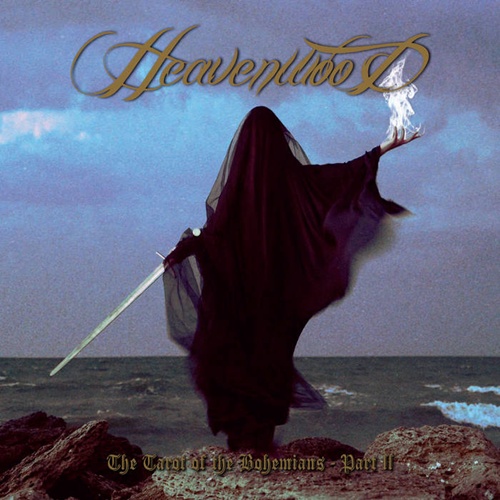
After a decade of silence and countless personal battles, Heavenwood return with “The Tarot Of The Bohemians Part II”, released through Mighty Music, bringing to completion an ambitious artistic and spiritual journey that began in 2016. In this conversation, Ricardo Dias Dos Santos opens the doors to the band’s dark and melancholic universe, reflecting on symbolism, rebirth, human resilience and the unwavering identity that has defined Heavenwood for more than three decades within the gothic and dark metal scene.
Ricardo, thank you for joining Il Raglio Del Mulo for this conversation and for taking the time. After a decade-long silence, Heavenwood return with “The Tarot Of The Bohemians Part II”, the concluding chapter of a long conceptual journey inspired by the writings of Gérard Encausse and shaped by decades of gothic and dark metal identity: how does it feel to finally close this cycle, and what vision guided the creation of this new album today?
It’s that kind of feeling of mutual respect: respect for myself as a music composer and respect for all the Heavenwood fans that still enjoy and listen to our music since 1996, when our debut album “Diva” was released. It was a cycle that had to be closed anyway, whether in 2026 or 2036. First because this “The Tarot Of The Bohemians” concept started back in 2016 with the “Part I” release, with the first 12 Major Arcana songs, and although Heavenwood have never been regular regarding album releases or recorded an album just because of contract obligations, I personally needed to experience some life episodes to feel inspired to write more than just a bunch of songs and release them. Second because I always felt throughout these 30 years of album releases that the fans were always here, the old ones and also the new ones. For example, the “Diva” and “Swallow” reissues were so successful that when I started receiving emails from fans all over the world and even contacted lots of musicians from different bands to write a statement regarding “Diva”, I was reading life experiences connected to Heavenwood music. It was much more than simply listening to it. All these musicians still remember their experience when discovering Heavenwood music. That was very emotional and had a powerful impact on me because, honestly, I didn’t have that notion or feedback before. A lot of stuff happened to me during this 10-year gap and surely that influenced me a lot while writing this sixth new album.
“The Tarot Of The Bohemians Part II” continues a story that began in 2016, expanding the esoteric and symbolic language of the Tarot: how did you approach the narrative structure of this final chapter, and how did you translate such abstract spiritual concepts into the emotional language of music?
Well, the subject is not the traditional Tarot concept, it’s the vision and studies made in the eighteenth century by the occultist Papus. In this case, writing music that can be listened to as a soundtrack for each Major Arcana card was a huge challenge. There’s a logical reason for each song to have its own sound design, style or even charisma. It’s because the songs also work as a script, telling stories about the basic foundations and interpretation of each one. Then you have a sort of jukebox where everything has to match and correspond as well. On this new album, for example, “The Moon” must sound emotional and mystical, while “The Lightning-Struck Tower” must sound thunderous and massive, or the last song on the album, “The World”, which is a sort of ending and starting point at the same time. This is much more than a metal album, it’s an experience and a voyage within yourself and your relationship with reality. Every song also works as a mirror and while you think you decided to like song A, B or C, or dislike D, E or F, no, you just created an invisible bridge, a road to the songs you felt reflected your inner being, your nature or your life experiences. It’s a great exercise indeed.
The album is described as both a continuation and a transformation of Heavenwood’s sound, pushing into more cinematic and contemporary territories while preserving your melancholic DNA: what were the key sonic elements you decided to evolve, and which ones define your identity no matter the era?
I think that working and recording it in the most old-fashioned way possible, with real drums, real guitars and a lot of takes, was very important. I wanted this album to sound as human and organic as possible. I decided, only when starting the recording process, that no orchestral arrangements or even synths would be used, because I wanted people to listen and feel that the whole album was made by humans and not machines. The listener is a human too. Preserving the Heavenwood DNA is very important for me and surely also for the fans. I don’t like to play musical experiments with people who enjoy and follow my music. Heavenwood is Heavenwood. I don’t believe in or appreciate when artists decide to change their musical style in the name of development or experience. No, for that you can always create a side project and expand your musical tastes, that’s fine, but if you created a musical entity with its own personality, you should work on it and perfect it, not adulterate it. That’s a huge disrespect towards yourself and the fans.
The first glimpse into this new era came with the single “Death”, which already set a strong conceptual and atmospheric tone: how important was this track in defining the direction of the entire album, and what does it represent within the broader Tarot cycle?
It’s symbolic. All the songs are. Both Part I and Part II are full of symbolism. “Death” is not the end, it’s a new beginning, here represented as the opening act for this Part II. Of course, everything was planned back in 2016, once the previous album ended with “The Hanged Man”. “Death” is the opening door, but you must have the key to open the right door.
The production process involved recording at Lucky Cat Studio and mixing and mastering at Vamacara Studios with Niko HK Krauss, known for his work with Loudblast and Sirenia: how did this collaboration influence the final sound of the album, and what did he bring to your artistic vision?
The recording sessions took place in Portugal, where I worked with Eduardo Sinatra at the studio. He’s also a professional drummer and music teacher, and it was a great teamwork experience that took almost a year, working and perfecting each song, choosing the best guitar and amp combinations, the best takes and so on before sending the album to France. Niko HK Krauss is a very talented French metal producer whom I have known since 2011, back when Heavenwood released “Abyss Masterpiece” via the French record label Listenable Records. I was always interested in his mixing and mastering developments throughout all these years and, even before recording the album, I decided to trust his vision and experience, allowing him to bring his DNA, soul and sound design approach into this new Heavenwood album. He was also very important in shaping the final sound spectrum, giving the album the powerful and organic feeling it needed while blending it with the melody, melancholy and musical charisma that define Heavenwood music.
The album’s themes explore emotional duality, spiritual struggle and symbolic archetypes across the Major Arcana: were there specific personal experiences or reflections during the writing process that shaped the emotional depth of these songs?
Every song has a dual interpretation, some are black and others are white. All can be black and all can be white. This “The Tarot Of The Bohemians”, together with the previous one, is a ritual and a human metaphysical experience hermetically closed and sealed within a physical instrument that can have different shapes, a CD or vinyl, or even a non-physical format such as your mind.
Ricardo, you have described a turbulent period in recent years, including a near-fatal accident and major life changes: in what way did these experiences impact the writing and recording of “The Tarot Of The Bohemians Part II”, both lyrically and musically?
That was a really dark time for me, back in 2022. Suddenly everything changes, you start everything almost from zero, learning to walk again, for example. Those more than two years of intense and daily recovery routines were also a long journey within myself, where I had the full experience of dealing with the best and the worst of a new reality, always believing and working to come back and speak my mind through music and everything related to this new album. I believe in that old sentence that says hope is the last thing to die. Heavenwood didn’t have a record deal and this new relationship with Mighty Music and Target Group Denmark was very important because a band like Heavenwood needs structure, needs people working with experience and passion as well. For me, it was very important to be visited in Portugal by Michael H Andersen while establishing and planning this new album release. The label could have done everything by email, but no, Michael travelled from Denmark, from Copenhagen to Porto, and that means a lot to me. The record label team is also doing an amazing job for this album. The reward comes through the awesome reviews and feedback from all over the world, with old and new fans buying the record and enjoying it.
With a career spanning over thirty years and milestones such as “Diva”, “Swallow”, “Redemption” and “Abyss Masterpiece”, how do you perceive Heavenwood’s evolution when listening to this new record, and what connects this release to your earliest work?
I think and feel that this is the right time for it and that everything related to the past is also present in this new album. I also believe that the future is included, not in terms of the album concept, but through subliminal musical textures that predict the next album and even its direction.
Looking ahead after completing this Tarot cycle, what creative directions or new challenges do you envision for Heavenwood, and how do you see the band’s identity evolving in the next chapter of its journey?
It’s a bit too soon to already think about or plan it. I prefer to live this moment of release. Heavenwood will perform a symbolic and important show this autumn in downtown Porto, and there are also plans and growing interest in seeing Heavenwood live. We are also working with the Norwegian booking agency Allegro Talent Music, home to my good old friend Liv Kristine.

