
ENGLISH VERSION BELOW: PLEASE, SCROLL DOWN!
Con il nuovo lavoro “Yetzer Hara”, i danesi Lotan spingono il loro blackened death metal verso territori ancora più oscuri, mescolando simbolismo religioso, riflessioni filosofiche e aggressività viscerale. Abbiamo parlato con Martin Rubini, cantante e membro fondatore della band, per approfondire le tematiche che alimentano il disco, pubblicato da Emanzipation Productions.
Ciao Martin, grazie per aver trovato il tempo di parlare con noi! Il vostro nuovo album “Yetzer Hara” è un tuffo furioso e provocatorio negli istinti più oscuri dell’umanità, che unisce death metal venato di black a tematiche simboliche e filosofiche profonde. Per cominciare, come presenteresti questo nuovo capitolo a chi si avvicina per la prima volta ai Lotan?
Grazie a voi – siamo entusiasti di poter condividere questo capitolo con nuovi ascoltatori. “Yetzer Hara” è allo stesso tempo un urlo e una riflessione. È un album nato dalla frustrazione, dall’osservazione e dal bisogno di affrontare ciò che si nasconde sotto la superficie patinata della nostra cosiddetta civiltà. Se stai conoscendo i Lotan ora, preparati a un viaggio che è tanto una punizione sonora quanto un invito a farsi domande scomode. Non offriamo risposte, ma mettiamo in discussione il silenzio.
Il titolo “Yetzer Hara” fa riferimento all’antico concetto dell’inclinazione distruttiva dell’uomo. Cosa vi ha spinto verso questa idea e in che modo ha influenzato la scrittura e il concept dell’album?
Viviamo in un’epoca in cui la distruzione si maschera da progresso. “Yetzer Hara” è un concetto antico, ma oggi sembra più attuale che mai. Parla della parte di noi che è egoista, violenta e assetata di potere, non perché siamo malvagi, ma perché siamo umani. Questa dualità attraversa tutto l’album. Dal punto di vista musicale, ci ha dato la libertà di esplorare il caos e la bellezza fianco a fianco. Nei testi, è diventata la lente con cui abbiamo guardato alla storia, ai miti e al presente.
Avete citato la storia biblica di Caino e Abele come base tematica. Che ruolo giocano la mitologia e il simbolismo religioso nella vostra visione lirica?
Sono metafore potenti. Il mito e la religione plasmano la nostra identità come culture, spesso senza che ce ne rendiamo conto. Caino e Abele non è solo una storia di fratricidio, è il modello di invidia, sacrificio e rifiuto. Queste storie sopravvivono perché toccano qualcosa di essenziale dentro di noi. Nei Lotan, le usiamo non per predicare, ma per stimolare il pensiero. I simboli hanno un peso, noi scegliamo di trascinarli con noi dentro il fuoco.
La musica dei Lotan va oltre i confini dei generi, il vostro suono è tanto un atto di resistenza quanto un assalto sonoro. Vi vedete come una voce di protesta, uno specchio della società o qualcos’altro ancora?
Tutte queste cose, e forse anche un avvertimento. Vediamo i Lotan come uno specchio, ma uno specchio incrinato. Riflettiamo le distorsioni del mondo che ci circonda. C’è protesta nel nostro suono, ma non si tratta di politica da comizio, è qualcosa di esistenziale. È una resistenza all’apatia, alla normalizzazione della crudeltà, all’annegamento del pensiero nel rumore. Se la nostra musica sembra un combattimento, è perché lo è davvero.
“Righteous Fury”, il primo singolo, è una dichiarazione grezza e intensa. Cosa vi ha ispirato per questo brano e perché lo avete scelto come primo assaggio del nuovo disco?
“Righteous Fury” è il punto di ebollizione. Parla del paradosso dell’indignazione morale, di quanto facilmente possa essere trasformata in violenza, di come il desiderio di fare del bene possa diventare un’arma. Lo abbiamo scelto come primo singolo perché in meno di quattro minuti cattura l’essenza dell’intero album: è pesante, veloce e pieno di domande scomode. È la scintilla che accende il rogo.
Il ritornello di “Righteous Fury” contiene un riferimento diretto a “Yetzer Hara”. Quanto è importante per voi che l’ascoltatore si confronti non solo con il suono, ma anche con la profondità lirica e concettuale del vostro lavoro?
È fondamentale. La musica arriva per prima, deve scuoterti il corpo e agitarti dentro, ma i testi sono la lama nascosta nel rumore. Non ci aspettiamo che tutti si tuffino nei riferimenti, ma per chi lo fa c’è un secondo album nascosto sotto il primo. Se i riff sono fuoco, le parole sono benzina.
I concerti sembrano essere parte essenziale dell’identità dei Lotan. Come riuscite a tradurre il peso filosofico ed emotivo della vostra musica in un’esperienza live così fisica e coinvolgente?
Dal vivo diventiamo sermone e tempesta. C’è qualcosa di primordiale in uno show, un rituale, una liberazione. L’intensità dei temi che trattiamo richiede che diamo tutto sul palco. Non suoniamo per il pubblico, suoniamo con il pubblico. È un momento condiviso di catarsi, dove la filosofia prende corpo e la furia diventa qualcosa che puoi sentire nelle ossa.
La vostra musica richiama influenze come Behemoth, Hate e Anaal Nathrakh, ma i Lotan hanno una voce tutta loro. Come tracciate il vostro percorso nella scena metal estrema?
Essendo brutalmente onesti. Certo, abbiamo delle influenze, ma non cerchiamo mai di imitare. I Lotan sono forgiati da ciò che siamo, da ciò che ci fa arrabbiare, da ciò che ci ispira e da ciò che ci tormenta. Questo mix è unico. Non inseguiamo le mode, scaviamo dentro le nostre verità e lasciamo che sia la musica a seguirle. È così che rimani distinto: non cercando mai di essere qualcun altro.
La Danimarca ha una scena metal forte e variegata. In che modo l’underground locale ha influenzato il vostro suono o la vostra visione artistica?
La scena danese è un crogiolo. Non è enorme, ma è appassionata e grezza. C’è un senso di comunità, ma anche la voglia di spingersi oltre i limiti. Questo attrito ti tiene sveglio. Siamo cresciuti in quell’ambiente, supportati ma anche messi alla prova. Ci ha insegnato a non accontentarci, a non stagnare. A quello spirito dobbiamo molto.
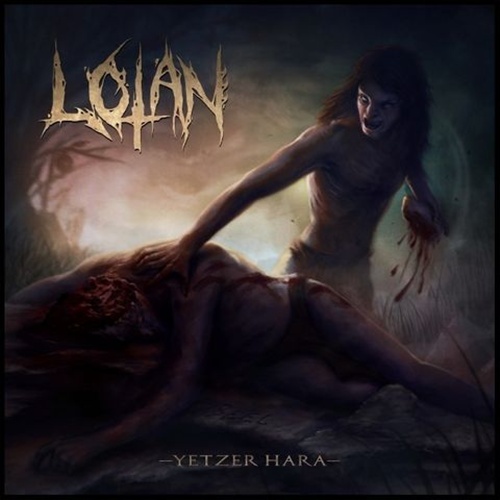
With their new release “Yetzer Hara”, Danish blackened death metal force Lotan push their sound further into darkness, blending religious symbolism, philosophical reflection, and raw aggression. We spoke with Martin Rubini, vocalist and founding member of the band, about the themes behind the record, out now via Emanzipation Productions, and what fuels their creative fire.
Hi Martin, and thanks for taking the time to speak with us! Your upcoming album “Yetzer Hara” is a furious and thought-provoking dive into humanity’s darker instincts, blending blackened death metal with deep philosophical and symbolic themes. To begin, how would you introduce this new chapter to those encountering Lotan for the first time?
Thank you – we’re thrilled to share this chapter with new ears. “Yetzer Hara” is both a scream and a reflection. It’s an album born out of frustration, observation, and the need to confront what lies beneath the polished surface of our so-called civilization. If you’re just meeting Lotan now, expect a journey that’s as much about sonic punishment as it is about asking uncomfortable questions. We don’t offer answers, but we challenge silence.
The album title “Yetzer Hara” refers to the ancient concept of mankind’s destructive inclination. What drew you to this idea, and how did it shape the songwriting and overall concept of the record?
We live in a time where destruction is dressed up in progress. “Yetzer Hara” is an old concept, but it feels more relevant than ever. It speaks to the part of us that is selfish, violent, and power-hungry—not because we’re evil, but because we’re human. This duality runs through the entire album. Musically, it gave us freedom to explore chaos and beauty side by side. Lyrically, it became the lens through which we viewed history, myth, and the present.
You’ve referenced the biblical story of Cain and Abel as a thematic foundation. What role do mythology and religious symbolism play in your lyrical vision?
They’re powerful metaphors. Myth and religion shape our identity as cultures, often without us realizing it. Cain and Abel isn’t just a story of fratricide—it’s the blueprint of envy, sacrifice, and rejection. These stories survive because they speak to something elemental in us. In Lotan, we use them not to preach, but to provoke thought. Symbols carry weight; we just choose to drag them into the fire with us.
Lotan’s music goes beyond genre boundaries—your sound is as much a form of resistance as it is a sonic assault. Do you see the band as a voice of protest, a mirror to society, or something else entirely?
All of that, and perhaps a warning. We see Lotan as a mirror, yes—but a cracked one. We reflect the distortions of the world around us. There is protest in our sound, but it’s not party-politics—it’s existential. It’s resistance against apathy, against the normalization of cruelty, against the drowning of thought in noise. If our music feels like a fight, that’s because it is.
“Righteous Fury”, the first single, is a raw and intense statement. What inspired this particular track, and why did you choose it as the first glimpse into the new album?
“Righteous Fury” is the boiling point. It’s about the paradox of moral outrage—how easily it can be twisted into violence, how the desire to “do good” can be weaponized. We chose it as the first single because it captures the essence of the album in under four minutes: heavy, fast, and loaded with uncomfortable questions. It’s the spark that lights the pyre.
The chorus of “Righteous Fury” includes a direct reference to “Yetzer Hara”. How important is it for you that listeners engage not just with the sound but also with the lyrical and conceptual depth of your work?
It’s essential. The music hits first—it’s meant to move your body and unsettle your spirit—but the lyrics are the blade hidden inside the noise. We don’t expect everyone to dive into the references, but for those who do, there’s a second album hidden beneath the first. If the riffs are fire, the words are fuel.
Live shows are clearly essential to Lotan’s identity. How do you translate the philosophical and emotional weight of your music into such a physical and immersive live experience?
Live, we become the sermon and the storm. There’s something primal about a show—a ritual, a release. The intensity of our themes demands that we give everything on stage. We don’t perform at people, we perform with them. It’s a shared moment of catharsis where philosophy turns to flesh, and fury becomes something you can feel in your bones.
Your music channels influences like Behemoth, Hate, and Anaal Nathrakh, yet Lotan has a distinct voice. How do you carve out your own path in the extreme metal scene?
By being brutally honest. We’re influenced, of course—but we never try to imitate. Lotan is forged from who we are, what enrages us, what inspires us, and what haunts us. That mixture is unique. We don’t chase trends—we dig into our own truths, and we let the music follow. That’s how you stay distinct: by not trying to be anyone else.
Denmark has a strong and diverse metal scene. How has the local underground shaped your sound or your perspective as artists?
The Danish scene is a cauldron. It’s not the biggest, but it’s passionate and raw. There’s a sense of community, but also a drive to push boundaries. That friction keeps you sharp. We’ve been lucky to grow in that environment—supported, but also challenged. It taught us not to settle, not to stagnate. We owe that spirit a lot.
 Il Raglio del Mulo