

ENGLISH VERSION BELOW: PLEASE, SCROLL DOWN!
Dopo più di vent’anni, i Mob Rules tornano a esplorare il concept dei loro primi due album, “Savage Land” e “Temple of Two Suns”, con il nuovo disco “Rise of the Ruler”, in uscita il 22 agosto 2024 per ROAR! / Rock of Angels Records. In questa intervista, Jan Christian Halfbrodt (tastiere e autore dei testi) ci racconta il processo creativo dietro questo ambizioso seguito epico.
Ciao Jan Christian, e grazie per averci dedicato un po’ del tempo! Partiamo dal concept del vostro nuovo album: tornare alla storia di “Savage Land” e “Temple of Two Suns” dopo più di vent’anni è una scelta importante. Lo vedete come una mossa strategica per riconnettervi con i fan storici che hanno amato quei dischi, oppure come un rischio, visto che chi ha nostalgia potrebbe inevitabilmente confrontare il nuovo materiale con i classici e preferire gli originali?
Per noi è semplicemente sembrato naturale, ed è stato questo il fattore decisivo. Sappiamo che molti fan apprezzano soprattutto i primi due album, e spesso leggiamo che negli anni successivi qualcuno ha perso un po’ di interesse in noi. Anche per la band questo percorso musicale è stato importante, ma soprattutto negli ultimi due album abbiamo sempre sentito il desiderio di tornare più alle nostre radici. Perciò questa volta abbiamo preso una decisione consapevole di farlo, collegando anche i contenuti alla saga originale. Siccome è venuto fuori tutto per convinzione e non per calcolo, speriamo di riuscire a rendere felici i fan dei primi dischi e tornare insieme nella Savage Land!
Concettualmente, “Rise of the Ruler” espande un mondo distopico segnato da decadenza e scarsità. Quanto di questo scenario immaginario è influenzato da preoccupazioni reali, e in che misura vedete l’album come uno specchio dei nostri tempi?
Il nostro approccio principale è stato prima di tutto raccontare una bella storia ambientata in un contesto che possa piacere a chi ama film come Mad Max, Waterworld o Dune. Il mondo è volutamente fittizio, senza paralleli intenzionali con l’attualità – almeno per quanto riguarda la storia principale. Quando scrivo i testi per me è sempre molto importante inserire un livello meta e un tema centrale, sia per la storia complessiva che per ogni singola canzone. Per esempio, nella storia “Back To Savage Land” si parla di un gruppo di ribelli esiliati nella Savage Land. Però loro vedono quell’esilio in modo positivo, come una sorta di liberazione; lo considerano un’opportunità per iniziare una vita nuova, autonoma, anche in un ambiente duro. In realtà, mentre scrivevo quel pezzo pensavo a una rottura difficile in un gruppo di amici, ma potrebbe altrettanto bene descrivere l’inizio di un nuovo lavoro o un trasferimento in un’altra città. Quello che mi piace dei testi è che sono abbastanza aperti e possono diventare una tela per le storie personali di ogni fan.
Il brano “Back to Savage Land” funziona sia come dichiarazione narrativa che musicale. Come avete affrontato la sfida di combinare la continuità della storia con l’evoluzione del vostro sound e del songwriting?
Sì, quella canzone è davvero una dichiarazione e voleva essere chiara: siamo tornati, e la saga di Savage Land continua! Sven e Klaus sono i nostri principali autori, e una volta definita la direzione, le idee sono cominciate a fluire spontaneamente. In realtà la musica è stata scritta tutta prima, poi sono arrivati i testi. Però si percepiva sempre che il concept era presente, fin dall’inizio e durante tutta la pre-produzione. Sven spesso scrive testi provvisori a caso, giusto per dare qualcosa su cui Klaus possa cantare. “Back To Savage Land” è stata la frase chiave fin dall’inizio del pezzo, e lo è rimasta! A parte questo, abbiamo lasciato che tutto venisse naturale, perché era sempre chiaro che stavamo tornando alle nostre radici, ma in un modo che riflettesse la nostra crescita e l’evoluzione come band. Tra l’altro, gli eventi sono volutamente ambientati 30 anni dopo “Temple of Two Suns”, quindi anche questo mondo immaginario è andato avanti nel tempo.
Tutti i testi sono stati scritti da te. Come hai lavorato per continuare la saga, e come ha contribuito il resto della band a definire l’identità concettuale e musicale dell’album?
Ho avuto completa libertà artistica, cosa che mi ha davvero aiutato molto. Quando scrivo i testi, spesso mi preparo per settimane o mesi facendo ricerche approfondite. Mi sono immerso nei primi due album e ho parlato con Matthias, che allora era il paroliere, per capire le sue idee e il background della storia. Come dicevo, volevo ambientare la storia 30 anni dopo, e il nostro protagonista centrale e mascotte della band, il “Ruler”, doveva attraversare una trasformazione, persino morire e rinascere. Volevo creare nuovi personaggi, stabilire un percorso da eroe, inserire molti riferimenti ai vecchi album ma anche nuovi luoghi. E volevo assolutamente che ci fosse una svolta oscura alla fine! Quando la musica era pronta, ho creato una mood board per ogni traccia per assicurarmi che la storia si adattasse bene all’atmosfera di ogni pezzo. Poi mi sono chiuso in me stesso per una settimana per mettere insieme tutti i pezzi del puzzle.
L’album ha una forte componente cinematica e drammatica, soprattutto in brani come “Dawn of Second Sun” e “Equilibrium (Rise of the Ruler)”. Quanto era importante per voi enfatizzare l’atmosfera e gli arrangiamenti epici, e come ha contribuito il produttore Markus Teske a questo obiettivo?
È fantastico avere una persona come Markus al nostro fianco! Tiene sempre tutto sotto controllo e ci dà molti suggerimenti e idee. Soprattutto durante le registrazioni vocali, riesce a spingere Klaus oltre i suoi limiti per ottenere performance al top. A parte questo, comunque, i pezzi vengono creati quasi interamente nello studio di Sven durante la pre-produzione. Per noi è molto importante creare atmosfera e avere un album vario. Deve essere divertente ascoltare il disco dall’inizio alla fine, e per questo servono dinamiche precise, arrangiamenti variegati e ovviamente una conclusione soddisfacente in cui diamo tutto per l’ultima volta.
Dal punto di vista visivo, “Rise of the Ruler” colpisce molto grazie all’artwork di Stan W. Decker. Il concept visivo si è sviluppato parallelamente alla musica, e quanto siete stati coinvolti nella definizione dell’estetica complessiva dell’album?
Mentre scrivevo i testi, ho anche pensato a idee per la grafica, che abbiamo poi inviato a Stan. Lui ha avuto completa libertà nel realizzarle, ma così aveva qualcosa a cui riferirsi, e potevamo assicurarci che artwork e musica fossero coerenti. Per esempio, la copertina mostra la Moving City, descritta nella canzone “Nomadic Oasis” e che rappresenta un punto centrale della nostra storia.
Giochiamo un attimo con un’idea: se avessi un budget illimitato, yi piacerebbe trasformare la storia di questi tre album in un film o in una serie? Oppure credi che la musica, combinata con i testi, rimanga il modo più potente e adatto per raccontare questo tipo di racconto?
(Ride) Mi piacerebbe moltissimo vedere questa storia trasformata in un film da grande blockbuster al cinema. Purtroppo non avevamo un budget illimitato, ma con l’aiuto del folle regista Rainer Fränzen siamo riusciti a girare quattro videoclip dal vivo che davvero hanno dato vita alla nostra storia. È stato un progetto molto ambizioso, e siamo più che grati a lui per la sua follia nel svilupparlo e realizzarlo con noi. E sono davvero orgoglioso di vedere finalmente i personaggi prendere vita. Quindi, se non li avete ancora visti, date un’occhiata su YouTube!
Oltre alla musica, l’edizione earbook offre un’esperienza immersiva con bonus track, video clip e persino una versione narrata del concept. Qual è stata l’ispirazione dietro questa uscita così elaborata, e come pensate che possa rafforzare il legame degli ascoltatori con la storia?
L’earbook è stato un progetto pazzesco che è continuato a crescere. Abbiamo scritto cinque canzoni completamente nuove che raccontano la storia da una prospettiva diversa. C’è un reportage fotografico di alta qualità dai video, e offriamo anche uno sguardo molto personale dietro le quinte, presentando le persone che ci hanno aiutato a realizzare tutto. Inoltre, c’è tanto da leggere: la storia completa, tutti i testi e i commenti per ogni canzone. E se volete davvero immergervi a fondo, c’è una versione narrata di 11 minuti della storia, letta da Timo Südhoff (ex-Regicide), che ha fatto un lavoro incredibile. Perché abbiamo fatto tutto questo? Semplicemente per chi vuole davvero esplorare a fondo. Non tutti leggono i testi o mettono insieme tutto, e non tutti si interessano al background. Ma noi abbiamo creato tanto, e per chi si chiede cosa significano i video, chi è questo “Ruler” o come tutto è connesso, qui c’è il pacchetto completo. E in più è praticamente mezzo nuovo album, perché le nuove canzoni non sono scarti ma sono state scritte apposta per l’earbook! contiene entrambe. Sono davvero curioso di vedere cosa succederà!
E infine, dopo “Beast Reborn” e la compilation per i vent’anni “Celebration Days”, dove collocate “Rise of the Ruler” nel vostro percorso complessivo: lo sentite come un ritorno alle radici o come l’inizio di un nuovo, audace capitolo per i Mob Rules?
Lo descriverei proprio così: un cerchio che si chiude e allo stesso tempo inizia un nuovo giro! Penso che sia un’immagine bellissima che sta per speranza e gioia, e in qualche modo include entrambe. Sono davvero eccitato di vedere cosa succederà!
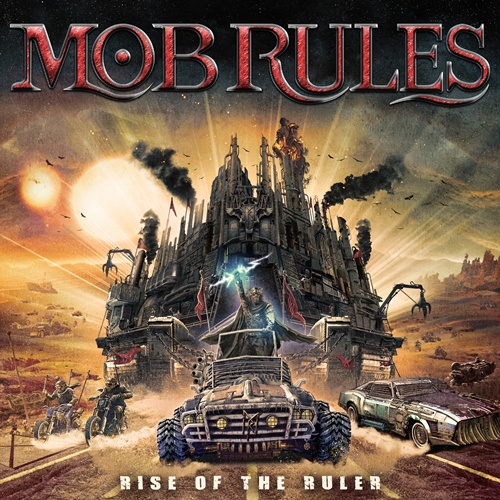
After more than twenty years, Mob Rules return to the concept storyline of their first two albums, “Savage Land” and “Temple of Two Suns”, with their new album “Rise of the Ruler”, set to be released on August 22, 2024 via ROAR! / Rock of Angels Records. In this interview, Jan Christian Halfbrodt (keys and lyricist) shares insights into the creative process behind this ambitious epic continuation.
Hi Jan Christian, and thank you for taking the time to answer our questions! Let’s start with the overarching concept of your new album: returning to the storyline of “Savage Land” and “Temple of Two Suns” more than two decades later is quite a statement. Do you see this as a strategic move to reconnect with longtime fans who loved those albums, or as a potential risk—since nostalgic listeners might instinctively compare the new material with the early classics and favor the originals?
It just felt right for us, and that was the decisive factor. We know that many of our fans especially appreciate the first two albums, and we often read that fans lost track of us in the years that followed. This musical journey was important for the band as well, but especially with the last two albums, we always felt the urge to return more to our roots. That’s why this time we made a conscious decision to do just that, also connecting the content back to the original saga. Since this happened out of conviction and not calculation, we hope that we can make the fans of the first records happy and return together to the Savage Land!
Conceptually, “Rise of the Ruler” expands a dystopian world marked by decay and scarcity. How much of this fictional setting is influenced by real-world concerns, and to what extent do you see the album as a reflection of our times?
Our main approach was, first and foremost, to tell a cool story in an exciting setting that fans of movies like Mad Max, Waterworld, or Dune will enjoy. The world is deliberately fictional, and there are no intentional parallels to current events—at least not in the main story. What’s always very important to me when writing lyrics is to include a meta-level and a central theme, both for the overall story and for each individual song. For example, in the story, “Back To Savage Land” tells of a group of rebels being banished to the Savage Land. However, they see this banishment in a positive light, as a kind of liberation; they see it as a chance to start a new, self-determined life—even in a harsh environment. In fact, when I wrote it, I was thinking about a tough breakup in my circle of friends, but it could just as well describe starting a new job or moving to another city. What I like about lyrics is that they have a certain openness and can serve as a canvas for every fan’s own stories.
The track “Back to Savage Land” serves both as a narrative and musical statement. How did you approach the challenge of combining storytelling continuity with the evolution of your sound and songwriting?
Yes, this song really is a statement and was meant to make it absolutely clear: we’re back, and the Savage Land saga continues! Sven and Klaus are our main songwriters, and once the direction was set, the ideas just started pouring out of them. In fact, the music was written completely first, and the lyrics came afterward. Still, you could always sense that the concept was present—from the start and even throughout pre-production. Sven often writes random placeholder lyrics at first, just to give Klaus something to sing over. “Back To Savage Land” was always the hook from the very beginning of the song, and it has stayed that way! Other than that, we just let things happen naturally, because it was always clear that we’re returning to our roots, but in a way that reflects how we’ve grown and evolved as a band. By the way, the events are deliberately set 30 years after Temple of Two Suns, so this fictional world has also moved forward in time.
All lyrics were written by you, Jan Christian. What was your process in continuing the saga, and how did the rest of the band contribute to shaping the conceptual and musical identity of the album?
I had complete artistic freedom for this, which really helped me a lot. When I write lyrics, I often prepare for weeks or even months and do thorough research. I took a deep dive into the first two albums and also spoke with Matthias, who was the lyricist back then, about his ideas and the background of the story. As I mentioned before, I wanted to set the story 30 years later, and our central character and band mascot, the “Ruler,” needed to go through a transformation—even to the point of dying and being reborn. I wanted to create new characters, establish a kind of hero’s journey, include lots of references to the old albums, but also introduce new places. And I definitely wanted there to be a dark twist at the end! Once the music for the songs was finished, I created a mood board for each track to make sure the story really fit the mood of every song. Then I locked myself away for a week and put all the puzzle pieces together!
There’s a strong cinematic and dramatic quality throughout the album, particularly in songs like “Dawn of Second Sun” and “Equilibrium (Rise of the Ruler)”. How important was it for you to emphasize atmosphere and epic arrangements, and how did producer Markus Teske contribute to that goal?
It’s great to have someone like Markus by our side! He keeps an overview and gives us a lot of input and ideas. Especially during the vocal recordings, he always manages to push Klaus beyond his limits to top performances. Apart from that, though, the songs are created almost entirely in Sven’s studio during pre-production. It’s very important to us to create atmosphere and to have an album that’s diverse. It should be fun to listen to the album from start to finish, and for that, it simply needs a certain dynamic, varied arrangements, and of course a satisfying ending where we give it our all one last time.
Visually, “Rise of the Ruler” makes a strong impression thanks to Stan W. Decker’s artwork. Did the visual concept evolve alongside the music, and how involved were you in shaping the overall aesthetic of the album?
While writing the lyrics, I also came up with ideas for the artwork, which we then sent to Stan. He had complete freedom in how he brought them to life, but this way he had something to refer to, and we could make sure that the artwork and music would fit together. For example, the cover shows the Moving City, which is described in the song “Nomadic Oasis” and marks a central turning point in our story.
Let’s play with an idea for a moment: if you had access to an unlimited budget, would you have liked to turn the storyline of these three albums into a movie or a series? Or do you believe that music, combined with lyrics, remains the most powerful and fitting way to tell this kind of story?
(Laughs) I would absolutely love to see the story as a blockbuster movie in theaters. Unfortunately, we didn’t have an unlimited budget, but with the help of the crazy director Rainer Fränzen, we actually managed to shoot four live-action music videos that really brought our story to life. It was a very ambitious project, and we’re more than grateful to him for his madness in developing and pulling this off with us. And I’m more than proud to finally see the characters come to life. So, if you haven’t seen them yet, be sure to check them out on YouTube!
Beyond the music, the earbook edition offers an immersive fan experience with bonus tracks, video clips, and even a narrated version of the concept. What was the inspiration behind such an elaborate release, and how do you see it enhancing the listener’s connection to the story?
So why did we do all this? Simply for everyone who really wants to explore it in depth. Not every listener reads the lyrics or puts everything together, and not everyone cares about the background. But we’ve created a lot, and for anyone who’s wondering what the videos mean, who this “Ruler” is, or how everything is connected, here you get the complete package. And on top of that, it’s basically half a new album, because the new songs aren’t leftovers—they were written specifically for the earbook!
And finally, after “Beast Reborn” and the “Celebration Days” anniversary compilation, where do you position “Rise of the Ruler” in your overall journey—does it feel like a return to your roots, or the beginning of a bold new chapter for Mob Rules?
I would describe it as a circle closing and at the same time beginning a new round! I think it’s a beautiful image that stands for hope and joy, and somehow includes both. I’m really excited to see what happens next!
 Il Raglio del Mulo
Bella inrervista e ottimo album
"Mi piace""Mi piace"
Grazie mille!
"Mi piace""Mi piace"