
ENGLISH VERSION BELOW: PLEASE, SCROLL DOWN!
I pionieri italiani del doom/death atmosferico Novembre tornano con il loro nono album, “Words of Indigo”, in uscita il 7 novembre 2025 per Peaceville. A parlare del disco è il cantante e compositore Carmelo Orlando, che racconta di un lavoro più elaborato e raffinato, tra riff di death metal intenso e passaggi melodici suggestivi, con la partecipazione della cantante Ann-Mari Edvardsen in “House of Rain”.
Ciao Carmelo, grazie per essere qui con noi! “Words of Indigo” è il vostro album dopo quasi dieci anni da “Ursa”, un lavoro molto atteso che mostra una cura sonora e un’elaborazione compositiva ancora più raffinate. Cosa ti ha spinto a tornare in studio dopo questo lungo silenzio e in che modo questi anni hanno influenzato la tua scrittura?
Ciao, ti ringrazio molto. È davvero difficile rispondere a questa domanda. Credo che la scrittura pura dei brani, nella sua essenza, sia rimasta più o meno la stessa. Quello che invece penso sia migliorato è l’accuratezza negli arrangiamenti e l’equilibrio tra le parti più aggressive e quelle più soft. C’è una maggiore armonia, una fluidità complessiva dell’album che prima forse mancava. Tutto questo è possibile solo quando acquisisci una buona pratica con l’home recording e hai il tempo necessario per lavorare con calma. Solo in quel caso puoi davvero valutare se l’album funziona o se servono cambiamenti radicali, a volte così radicali che, se sei di fretta, finisci per rinunciarvi. Il sogno sarebbe riuscire a realizzare un album come questo nell’arco di un paio d’anni.
Il disco segna l’ingresso di nuovi musicisti nella band: quanto hanno inciso sul processo creativo e sull’atmosfera complessiva dell’album?
Tutta la band ha avuto un ruolo fondamentale nella costruzione del disco. Alessio, coi suoi soli, ha dato una nuova impronta al sound dei Novembre; lo stesso vale per Federico. Fabio, al basso, riesce con i suoi fraseggi a portare certi passaggi a livelli altissimi, il suo fretless su “Onde” è semplicemente indimenticabile. E poi c’è Yuri, un batterista straordinario, che più che accompagnare sembra aggiungere uno strumento in più alla musica. È una formazione potente, compatta, con una chimica che dà l’impressione di suonare insieme da trent’anni.
“Words of Indigo” è un titolo evocativo: qual è il significato che gli attribuisci e come si lega ai temi dei testi?
Non so esattamente perché, ma per questo album tenevo che il titolo fosse in inglese. Nessun latinismo, nessuna parola italiana, niente termini criptici. Un giorno forse capirò il motivo, ma per ora è così. Penso che il concetto alla base sia quello di sostituire le sensazioni alle parole. Non ho mai avuto grandi messaggi razionali da trasmettere, e “Words of Indigo” rappresenta bene questa idea: lasciare che siano le sensazioni a parlare.
Il brano “Your Holocene” nasce da un riff che definisci radicato negli anni ’80: che ruolo hanno avuto le tue influenze extra-metal nella genesi di questo lavoro?
Le mie influenze restano quelle degli anni ’70 e ’80, che continuano a essere fondamentali nel modo in cui scrivo musica. È quell’impalcatura di songwriting tipica di quel periodo a darci, probabilmente, qualcosa in più.
Uno dei brani che ho apprezzato di più è “Neptunian Hearts”: cosa puoi dirmi di questa canzone?
Uno dei brani più rappresentativi del disco, secondo me, anche uno dei più vari. Le sue radici affondano nel death metal europeo dei primi anni ’90. La sua impalcatura richiama i primi The Cure, almeno nella sua parte centrale. È uno dei pezzi meglio riusciti, e sicuramente uno di quelli di cui andiamo più fieri.
Nel disco compare Ann-Mari Edvardsen, nome legato a una band di culto come The 3rd & the Mortal: come è nata questa collaborazione e cosa ha portato alla visione del brano “House of Rain”?
Avevo sempre ammirato i The 3rd & the Mortal: li ho adorati con entrambe le line-up, sia nel periodo con Kari Rueslåtten che in quello successivo con Ann Mari. Tuttavia, furono proprio gli album incisi con lei a lasciarmi un segno più profondo. “Painting on Glass”, per esempio, lo considero un lavoro di una raffinatezza tale da poter stare accanto ai migliori dischi dei Dead Can Dance. Quando venni a sapere che Ann Mari si era trasferita a Catania, la mia città, per motivi legati alla sua carriera lirica, rimasi sorpreso: lì si trova infatti il Teatro Massimo Bellini, dove svolgeva la sua attività. Ci siamo poi ritrovati online, abbiamo iniziato a scriverci e, quasi naturalmente, le proposi di collaborare. Accettò con entusiasmo. Presi un volo per Catania e registrammo insieme quel brano. Ancora oggi lo considero uno dei miei lavori più riusciti: un incontro artistico che mi riempie d’orgoglio, reso speciale soprattutto dalla magia della sua voce.
Avete scelto di affidarvi nuovamente a Dan Swanö per mix e mastering: cosa rende il suo tocco unico per la musica dei Novembre e in che modo ha contribuito a definire il suono di questo album?
Nella maggior parte delle produzioni musicali, le band arrivano in studio con tutto già definito: i suoni delle chitarre, della batteria, del basso sono quasi pronti e il fonico deve soltanto bilanciarli nel mix finale. Con noi, invece, il processo è diverso. Dan Swanö non è semplicemente un tecnico del suono, ma un vero e proprio architetto. A lui inviamo soltanto le tracce spoglie, le linee: le note nude. Da quel materiale grezzo, Dan costruisce ogni dettaglio. È lui a inventare i suoni delle chitarre, a modellare la profondità della batteria, a dare corpo e calore al basso. In pratica, crea la pelle e il respiro del disco. Il suo lavoro non si limita al mixaggio: è un processo di creazione parallelo, in cui il suono stesso diventa una forma d’arte. Il “vestito” dell’album lo cuce Dan, con una abilità che non ha eguali.
Ho notato che da “The Blue” in poi il colore predominante (anche se in “Ursa” meno) nelle copertine è, appunto, il blu/azzurro. È un caso oppure sta diventando il vostro colore di riferimento, come il verde per gli Overkill o i Type O Negative?
Per quanto riguarda la copertina, sai, i colori sono sette — non si possono inventare tonalità nuove — quindi capita che due artwork risultino cromaticamente simili. Travis è un artista incredibile, oltre che una persona eccezionale. Gli abbiamo inviato il demo dell’album, i titoli e i testi, e in due o tre giorni ci ha consegnato questa copertina insieme ad alcune alternative. Ma ti dirò, non abbiamo nemmeno preso in considerazione le altre, tanto forte è stato l’incanto che ci ha trasmesso questa immagine. È una certezza assoluta.
Qual è il ruolo della voce oggi nei Novembre? Mi sembra che rispetto al passato l’aspetto musicale abbia un ruolo predominante.
Probabilmente hai ragione, l’aver dato alla musica il suo spazio ha fatto sì di far tornare la voce ai suoi giusti ranghi. Magari in passato ha un po’ ecceduto nel suo ruolo. È giusto che ogni strumento copra la sua area. In queste cose è tutta una questione di equilibrio, e devi saper dosare col bilancino.
L’impressione che ho da fuori è che ormai i Novembre siano completamente avulsi dai meccanismi della macchina commerciale musicale. Non fate dischi a getto continuo, l’attività live non è estensiva né continua. Se questa impressione è corretta, cosa rappresentano per te i Novembre oggi e come si vive da outsider nel music business?
Posso darti ragione sul fatto che non siamo interessati a che le cose vadano necessariamente avanti come un treno. Ma non siamo neanche interessati al contrario. Le cose accadono, punto. La distanza temporale fra “The Blue” e “Ursa” aveva dei motivi. Quella fra “Ursa” e “Words of Indigo” ne ha altri, questo non vuol dire che l’anno prossimo non esca ancora un altro album. Del resto, la distanza fra “Materia” e “The Blue” è stata brevissima.
Cosa possiamo aspettarci dai live dei Novembre dopo l’uscita di “Words of Indigo”? Ci sarà un tour vero e proprio o preferite date selezionate?
Sicuramente ci saranno delle date: ci stiamo lavorando, ma è ancora presto per dare annunci ufficiali. Restate aggiornati sui nostri social, e speriamo davvero di vederci presto dal vivo.
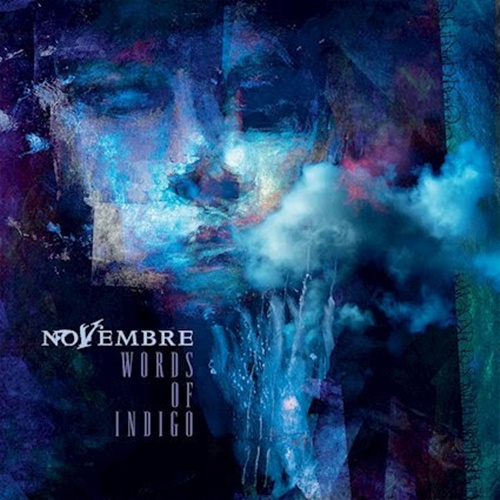
The Italian pioneers of atmospheric doom/death Novembre are back with their ninth album, “Words of Indigo”, set to be released on November 7, 2025, via Peaceville. Speaking about the record is singer and composer Carmelo Orlando, who talks about a more elaborate and refined work, blending intense death metal riffs with evocative melodic passages, featuring singer Ann-Mari Edvardsen on “House of Rain”.
Hi Carmelo, thanks for joining us! “Words of Indigo” comes almost ten years after “Ursa”, a highly anticipated album that shows even more refined sound care and compositional development. What pushed you to get back into the studio after such a long silence, and how did these years influence your writing?
Hi, thank you very much. That’s a really tough question. I think the pure writing of the songs, at its core, has stayed more or less the same. What I think has improved is the precision in the arrangements and the balance between the more aggressive parts and the softer ones. There’s more harmony, an overall fluidity in the album that maybe wasn’t there before. All of this is only possible when you get good practice with home recording and have enough time to work calmly. Only then can you really judge whether the album works or if radical changes are needed—sometimes changes so radical that, if you’re in a hurry, you end up giving up on them. The dream would be to make an album like this over the span of a couple of years.
The album sees new musicians joining the band: how much did they influence the creative process and the overall atmosphere of the album?
The whole band played a fundamental role in building the album. Alessio, with his solos, gave a new imprint to Novembre’s sound; the same goes for Federico. Fabio, on bass, manages with his phrasing to elevate certain passages to the highest levels—his fretless on “Onde” is simply unforgettable. And then there’s Yuri, an extraordinary drummer, who seems to add another instrument to the music rather than just accompany it. It’s a powerful, tight-knit lineup, with a chemistry that makes it feel like we’ve been playing together for thirty years.
“Words of Indigo” is an evocative title: what meaning do you give it, and how does it connect to the lyrical themes?
I don’t know exactly why, but for this album, I wanted the title to be in English. No Latinisms, no Italian words, no cryptic terms. Maybe one day I’ll understand why, but for now, that’s how it is. I think the concept behind it is about replacing words with feelings. I’ve never had big rational messages to convey, and “Words of Indigo” represents this idea well: letting the feelings speak.
The track “Your Holocene” comes from a riff you say is rooted in the ’80s: what role did your extra-metal influences play in shaping this work?
My influences remain those from the ’70s and ’80s, which are still fundamental in the way I write music. That songwriting framework typical of that period probably gives us something extra.
One of the tracks I enjoyed most is “Neptunian Hearts”: what can you tell me about this song?
It’s one of the most representative tracks on the album, in my opinion, and also one of the most varied. Its roots lie in the European death metal of the early ’90s. Its structure recalls early The Cure, at least in its central part. It’s one of the best-executed pieces, and definitely one we’re most proud of.
The album features Ann-Mari Edvardsen, a name tied to a cult band like The 3rd & the Mortal: how did this collaboration come about, and what did she bring to the vision of “House of Rain”?
I’ve always admired The 3rd & the Mortal: I loved both line-ups, both the Kari Rueslåtten period and the one with Ann-Mari. However, it was the albums recorded with her that left a deeper mark on me. “Painting on Glass”, for example, I consider an album so refined it can stand next to the best works of Dead Can Dance. When I found out Ann-Mari had moved to Catania, my city, for her opera career—I was surprised. She was there at the Teatro Massimo Bellini, where she performed. We then reconnected online, started chatting, and almost naturally, I suggested collaborating. She accepted enthusiastically. I flew to Catania, and we recorded the track together. I still consider it one of my most successful works: an artistic meeting that fills me with pride, made special above all by the magic of her voice.
You decided to work again with Dan Swanö for mixing and mastering: what makes his touch unique for Novembre’s music, and how did he help define the sound of this album?
In most music productions, bands arrive at the studio with everything already defined: guitar sounds, drums, bass are almost ready, and the engineer just balances them in the final mix. With us, it’s different. Dan Swanö isn’t just a sound engineer; he’s a real architect. We send him only the bare tracks, the lines: the naked notes. From that raw material, Dan builds every detail. He invents the guitar sounds, shapes the drum depth, gives body and warmth to the bass. He basically creates the skin and breath of the album. His work isn’t limited to mixing: it’s a parallel creative process, where the sound itself becomes art. The “outfit” of the album is sewn by Dan, with unparalleled skill.
I noticed that since “The Blue”, the predominant color (even if less so in “Ursa”) on the covers has been blue/azure. Is this a coincidence, or is it becoming your signature color, like green for Overkill or Type O Negative?
Regarding the cover, you know, there are seven colors—you can’t invent new shades—so it happens that two artworks are chromatically similar. Travis is an incredible artist, and an exceptional person. We sent him the album demo, titles, and lyrics, and in two or three days, he delivered this cover along with some alternatives. But honestly, we didn’t even consider the others, so strong was the enchantment this image gave us. It’s an absolute certainty.
What is the role of vocals in Novembre today? It seems that compared to the past, the music takes a more predominant role.
You’re probably right. Giving space to the music has restored the voice to its proper rank. Maybe in the past, it overstepped a bit. It’s right that each instrument covers its area. With these things, it’s all about balance, and you have to know how to measure it precisely.
From the outside, it seems Novembre is completely detached from the mechanisms of the commercial music machine. You don’t release albums in rapid succession, and live activity isn’t extensive or continuous. If this impression is correct, what do Novembre represent for you today, and what’s it like living as outsiders in the music business?
I can agree that we’re not interested in things necessarily moving like a train. But we’re not interested in the opposite either. Things happen, period. The time gap between “The Blue” and “Ursa” had reasons. The one between “Ursa” and “Words of Indigo” has others. That doesn’t mean another album won’t come out next year. After all, the gap between “Materia” and “The Blue” was very short.
What can we expect from Novembre live shows after the release of “Words of Indigo”? Will there be a proper tour, or do you prefer selected dates?
There will definitely be some dates: we’re working on it, but it’s still too early for official announcements. Stay tuned on our social media, and we really hope to see you live soon.
 Il Raglio del Mulo