
ENGLISH VERSION BELOW: PLEASE, SCROLL DOWN!
I paladini dell’heavy metal statunitense Kill Ritual tornano con il loro nuovo album in studio “In My Head”, la cui uscita è prevista per il 21 novembre 2025 tramite Massacre Records. Registrato nell’arco di un anno, l’album vede il chitarrista, bassista e compositore Steven D. Rice assumere il pieno controllo creativo — occupandosi della produzione, degli arrangiamenti e dei testi — mentre Andy LaRocque ha modellato il suono finale ai Sonic Train Studio. Reso visivamente attraverso il lavoro di Jobert Mello di Sledgehammer Graphix, “In My Head” si dispiega come un viaggio oscuro e dinamico attraverso follia, vendetta, amore e sopravvivenza.
Ciao Steve, ti sei occupato della produzione, degli arrangiamenti e dei testi. Come ha influenzato avere un controllo creativo così completo il suono finale e la visione dell’album rispetto alle precedenti uscite?
Ciao e grazie per l’intervista. Semplicemente per necessità. Le cose devono essere fatte, e nessuno lo farà al posto mio, quindi devo rendere tutto possibile. Posso contare solo su una persona, e quella persona sono io. Dal momento che si tratta della mia musica e delle mie idee, devo assumermi quella responsabilità e quel ruolo. Sono sempre stato fortunato a lavorare con ottimi musicisti, grazie alla qualità delle canzoni a cui tengo molto, e Seamus e il cantante hanno contribuito a renderlo realtà.
L’album è stato registrato nell’arco di un anno. Il processo di scrittura è stato continuo oppure hai lavorato per fasi distinte? Questo periodo prolungato ha permesso maggiore sperimentazione o perfezionamento?
Scrivo e registro in continuazione. Poiché mi occupo di scrivere musica e testi, arrangiare, registrare e produrre, il processo richiede tempo. Ho sempre in mente una direzione piuttosto precisa mentre lavoro a un nuovo album o brano. Per me è come un puzzle infinito, o una sorta di missione. Essere un artista è quasi una malattia, perché non sei mai davvero soddisfatto di ciò che fai.
La scaletta mostra una grande varietà di dinamiche. Oltre agli strumenti principali, ti sei occupato anche di synth e basso. Puoi spiegare come l’uso dei sintetizzatori e l’interazione tra basso e chitarra hanno contribuito all’atmosfera e alla potenza di brani come “In My Head” o “Our Elegant Demon”?
Ogni canzone parte da un semplice riff o da una progressione di accordi, che poi si trasforma in un brano completo grazie alla produzione e all’esecuzione. I synth e le orchestrazioni servono a esaltare ciò che già esiste, ma aiutano a definire l’atmosfera. Dal momento che suono anche il basso, mi assicuro che abbia una sua identità. L’interazione con la chitarra è fondamentale: deve essere un contrappunto, non un ripensamento. Deve essere sincronizzato, ma legato alla batteria, con un proprio punto di vista melodico. Il basso è molto importante per me in fase di scrittura, lo uso spesso per creare riff.
“In My Head” è descritto come un viaggio attraverso follia, vendetta, amore e sopravvivenza. Puoi approfondire il concetto o i temi che collegano questi stati emotivi così diversi? Inoltre, con titoli come “The Head Of Judas” e “Our Elegant Demon”, quale canzone ritieni la più intensa o personale, e cosa ne ha ispirato la creazione?
Tutti noi proviamo queste emozioni nella vita, giusto? È parte dell’essere vivi e umani. Sono esperienze personali e uniche, perché la tua vita non è la mia e viceversa. Tutti vediamo le cose attraverso una lente diversa. Perciò è importante trattare questi temi, perché toccano ciò che accade ogni giorno. Il mondo è caotico e lo sarà sempre, e deve esserlo: ti costringe a lottare per esistere e per essere ascoltato. “The Head Of Judas” è sicuramente un brano con cui tutti possono identificarsi, perché parla di tradimento. Ci sono persone che danno e altre che prendono: è la storia più vecchia del mondo, quella dell’essere sfruttati.
Il comunicato stampa parla di una combinazione di “aggressione e atmosfera, oscurità e melodia”. Come riesci a bilanciare consapevolmente queste forze apparentemente opposte quando scrivi una canzone come “Fire Bird” o “More Than Pain”?
Cerco sempre di mescolare luce e oscurità in una canzone, con un’attitudine aggressiva ma capace anche di dare un senso di gioia. Ci riesco sempre? No. Un brano come “More Than Pain” è ironico, parla del portare a casa la donna sbagliata. Divertente, ma realistico. “Fire Bird”, invece, è un parallelo sul ritrovare la strada verso casa, verso un luogo in cui si è felici. Può riferirsi a molti aspetti della vita.
Con la formazione che ti vede impegnato su più strumenti e voci, Seamus Gleason alla batteria e Judas alla voce principale, come ha funzionato la dinamica collaborativa in studio per dare vita ai brani, in particolare per quanto riguarda le voci?
Per quanto riguarda le voci, scrivo tutti i testi e le melodie, quindi devo trasmettere al cantante ciò che immagino e farglielo interpretare come l’ho pensato. Ci riesco sempre? No. Ma ho imparato da tempo che ogni persona lascia la propria impronta su ciò che fa, e se funziona, è giusto così. È ciò che rende la musica autentica. Seamus, invece, è un batterista che mette sempre la canzone al primo posto, e lavoriamo a stretto contatto per fare in modo che l’interazione ritmica tra batteria e strumenti sia fluida e naturale.
Hai coinvolto Andy LaRocque per il mixaggio e il mastering. Considerando la sua reputazione e la sua esperienza, quali qualità sonore o elementi specifici ha portato a “In My Head” che hanno contribuito a definirne l’atmosfera e la potenza?
Lavoro con Andy da oltre vent’anni, tra Kill Ritual e la mia vecchia band, Imagika. Ci conosciamo molto bene ormai. Lui è un tipo da metal, io pure, e sappiamo entrambi cos’è il buon metal. Molte cose non hanno bisogno di essere dette. Io gli porto tracce ben registrate e con buone performance, e lui le mixa con un orecchio fresco, dando loro vita. È semplice quando si è sulla stessa lunghezza d’onda.
L’artwork di Jobert Mello per l’album è visivamente d’impatto. Quale è stata la vostra indicazione o ispirazione per creare l’identità visiva di “In My Head”?
È un altro artista con cui collaboro da anni. Le sue opere sono sempre fantastiche. Sono un suo fan. Riesce a cogliere il senso dei testi in modo naturale. La sua arte è cinematografica e di grande impatto.
Dopo aver pubblicato un album che il comunicato stampa definisce “uno dei lavori più dinamici della carriera della band”, cosa speri che i fan di lunga data dei Kill Ritual, e i nuovi ascoltatori, colgano dal loro primo ascolto di “In My Head”?
Prima di tutto, gioia. Qualunque cosa ti piaccia musicalmente, dovrebbe farti provare qualcosa, giusto? Qual è il senso, altrimenti? Detto ciò, alla fine dovresti sempre provare gioia, indipendentemente da ciò di cui parla la musica.
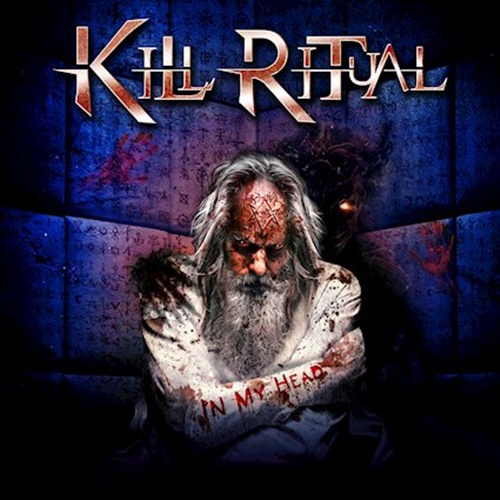
US heavy metal hardliners Kill Ritual return with their new studio album “In My Head”, set for release on November 21st, 2025 via Massacre Records. Recorded over the course of a year, the album sees guitarist, bassist, and songwriter Steven D. Rice taking full creative command — handling production, arrangements, and lyrics — while Andy LaRocque shaped the final sound at Sonic Train Studio. Visually brought to life by Jobert Mello at Sledgehammer Graphix, “In My Head” unfolds as a dark and dynamic journey through madness, vengeance, love, and survival.
Hi Steve, you handled the production, arrangements, and lyrics—how did having such comprehensive creative control impact the final sound and vision of the album compared to past releases?
First off hello and thanks for the interview. Plain and simple, necessity. Things have to get done and no one is wiping my ass anytime soon so I need to make it happen. I can only count on one person and expect only one person to make it happen and that’s me. Since it’s my music and my ideas I have to take on that responsibility and role. I have always been fortunate to work with some great players because of the song qualities I hold myself to so Seamus and the vocalist made that happen.
The album was recorded over the course of a year. Was the songwriting process continuous, or did you approach it in distinct phases? Did this extended timeline allow for more experimentation or refinement?
I’m always writing, always recording, etc. Since I’m always writing music, lyrics along with arranging, engineering and producing it takes a minute. I always have a pretty full concept of a direction in mind as I work on a new album or song. To me the process is like an endless puzzle or quest. It’s a disease really being an artist because you are never happy or satisfied in what you do.
The track listing showcases a diverse range of dynamics. Beyond the main instruments, you also handled synths and bass. Can you detail how the specific use of synthesizers and the interplay between bass and guitar contributed to the atmosphere and power of tracks like “In My Head” or “Our Elegant Demon”?
Well every tune starts with just a simple riff or chord structure that turns into a full production song that comes to life on an album through production and performance. Synths and orchestrations just enhance what’s already there, but help define the atmosphere. Since I’m playing bass also I make sure it’s a thing of its own. Its interplay with the guitar is huge. It needs to be a counterpoint and not an afterthought. It needs to be in sync, but tied to the drums with its own melodic viewpoint. The bass is huge to me writing wise as I use it all the time for riff ideas.
“In My Head” is described as a journey through madness, vengeance, love, and survival. Can you elaborate on the core concept or themes that tie these diverse emotional states together? Furthermore, with track titles like “The Head Of Judas” and “Our Elegant Demon,” which specific song do you feel is the most intense or personal, and what inspired its creation?
We all feel these emotions in our lives right? It’s part of being alive and human. It’s personal and exclusive to everyone because your life is not mine and vice versa. We all see things through a different lens. So having those topics available when writing is important because it touches on things that happen every day. The world is chaotic and will always be that because it has to be. It makes you fight to exist and want to be heard. “The Head Of Judas” is definitely a song that everyone can relate to because it’s all about betrayal. There are people who give and those that take. It’s the age-old tale of being taken advantage of.
The press release mentions a combination of “aggression with atmosphere, darkness with melody.” How do you consciously balance those seemingly opposing forces when writing a song like “Fire Bird” or “More Than Pain”?
I always strive to mix light and dark in a song with an aggressive feel that also gives you a bit of joy. Does that always happen? No. A song like “More Than Pain” is tongue in cheek about taking the wrong so-called woman home. Funny stuff, but relatable. “Fire Bird” is just a parallel about finding your way home to a place you are happy. This could address many things in our lives.
With the lineup featuring you on multiple instruments and vocals, Seamus Gleason on drums, and Judas on lead vocals, how did the collaborative dynamic work in the studio to bring the songs to life, particularly concerning the vocal interplay?
Well addressing the vocals first since I write all the lyrics and melodies. I have to convey that to whoever sings on my songs and get them to perform it like I imagined. Does it always happen? No. I learned a long time ago that you need to understand that a person will always put their mark on everything and to let it happen if it’s good. It’s what makes music real. Seamus has always been a song-first type player and we work closely to make sure the interplay rhythmically between drums and instrumentation is seamless and natural.
You enlisted Andy LaRocque for mixing and mastering. Given his reputation and history, what specific sonic qualities or elements did he bring to “In My Head” that helped shape its atmosphere and power?
I’ve been working with Andy for over 20 years between Kill Ritual and my old band Imagika. We know each other pretty well at this point. He’s a metal dude, I’m a metal dude and we both know good metal. So a lot goes unsaid. I make sure to bring him well-engineered tracks with good performances and he mixes with a fresh set of ears to help it all come to life. Pretty simple when you’re on the same page.
Jobert Mello’s artwork for the album is visually striking. What was the band’s directive or inspiration to him for creating the visual identity of “In My Head”?
Again another person I’ve been working with for years. His art is always great. I’m a fan. He just gets it from a lyrical point of view. His art is cinematic and striking.
After delivering an album that the press release calls “one of the most dynamic works of the band’s career,” what do you hope longtime Kill Ritual fans, and new listeners, will take away from their first full listen of “In My Head”?
Joy first and foremost. Whatever you like musically it should make you feel something right? What’s the point unless it has that effect? All being said, you should always in the end feel joy no matter what the music is about.
 Il Raglio del Mulo