
ENGLISH VERSION BELOW: PLEASE, SCROLL DOWN!
In occasione dell’uscita del debutto omonimo dei Nel Buio per Avantgarde Music, abbiamo parlato con Clod, voce e mente del progetto, per entrare nel cuore della loro “pure Italian blackwave”. Tra atmosfere cinematografiche, tragedie emotive e concetti che fondono black metal e darkwave, l’intervista racconta come ogni dettaglio, dalla narrazione dei brani all’artwork, sia pensato per guidare l’ascoltatore dentro un abisso di sentimenti ed emozioni.
Benvenuto, Clod! Partiamo subito dal vostro debut album omonimo, uscito lo scorso 5 dicembre. Il vostro genere è definito “pure Italian blackwave”. Puoi spiegarci esattamente cosa si intende con questo termine?
È la fusione naturale tra le due anime che definiscono il nostro suono: la componente estrema, viscerale e abrasiva del black metal e l’aspetto emotivo, atmosferico e cinematografico della darkwave. C’è anche una componente identitaria: volevamo omaggiare la storica espressione “true norwegian black metal”, ma riportandola nel nostro contesto culturale e artistico. Non stiamo imitando una scena, stiamo dichiarando una provenienza emotiva diversa. Da qui “pure Italian blackwave”. Soprattutto, è una vostra definizione interna, una scelta stilistica emersa spontaneamente, oppure è stata individuata e attribuita alla band da esterni, come l’etichetta o gli addetti ai lavori, per descrivere la fusione di black metal e darkwave? Lo abbiamo coniato noi. È nato dall’esigenza di dare un nome preciso a un suono che non era né solo black metal né solo darkwave. Più che un’etichetta, è una dichiarazione di identità.
Avete rilasciato un EP di debutto che è andato esaurito in poche settimane. Sentivate la pressione di dover superare questo successo con l’album, e in che modo questo debutto omonimo conferma la vostra “traiettoria netta e senza compromessi”?
La pressione è soprattutto interna. Sono una persona molto esigente, quindi ogni uscita è una sfida personale prima ancora che artistica. Non ci interessa “superare” qualcosa in termini numerici: vogliamo che questo disco venga compreso come un’opera, ascoltato dall’inizio alla fine. È stato pensato così. In un’epoca di ascolto veloce e frammentato, questo album va nella direzione opposta: richiede immersione, non consumo.
L’album di debutto racconta una “tragedia in due atti” e la tracklist forma una poesia intera. Considerate il disco come un unico, lungo brano con movimenti distinti, o le otto tracce sono state concepite comunque come entità musicali distinte?
Per la prima volta siamo partiti dal concept narrativo e solo dopo abbiamo costruito la musica. È stato un processo nuovo anche per me: di solito nasce prima il suono, qui invece è stata la storia a guidare tutto. Questo ha reso il lavoro più coeso: sapevamo già quale atmosfera emotiva serviva in ogni momento del disco. Le tracce possono vivere singolarmente, ma insieme formano un unico flusso narrativo.
La tracklist forma una poesia toccante, che termina con la parola “perdona”. Ci puoi raccontare qualcosa sul significato profondo di questo “perdono” e a chi è rivolto all’interno del concept?
Il concept racconta una relazione tossica: una ragazza pura, fuori contesto, che si ritrova intrappolata in un amore che degenera fino alla tragedia. Nell’ultima traccia sentiamo finalmente la sua voce, dopo il monologo devastante della canzone precedente in cui lui, subito dopo averle tolto la vita, crolla nel rimorso e nella disperazione. Le parole di lei sono: “respira, non piangere. io ti capisco, sono ormai luce, esci dall’oscurità… per me.” È un perdono che destabilizza, perché non cancella il gesto, ma supera il dolore umano. E lascia volutamente un dubbio: lo sta invitando a risollevarsi e dunque uscire dall’oscurità… o a raggiungerla nell’aldilà? La tragedia vera non dà risposte rassicuranti.
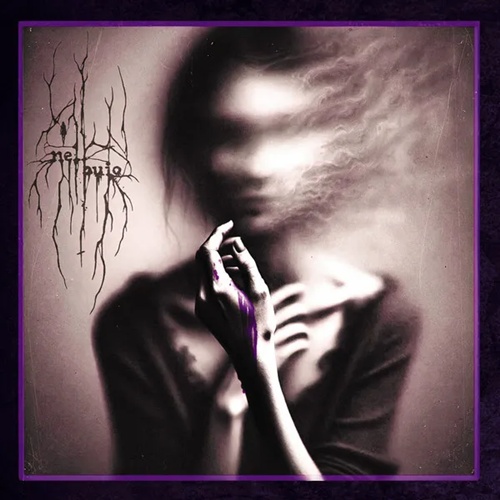
L’artwork è stato curato da te, tatuatore di professione, e “visivamente incarna la dipendenza dalla tragedia”. Puoi approfondire il legame tra questa immagine, il concetto di “abisso” da cui l’album prende forma, e la visione che hai voluto trasmettere?
Volevo rappresentare le donne vittime di violenza come figure senza volto, perché diventano simbolo, non solo individuo. La mano tesa verso l’aguzzino — che è anche l’amato — è il centro dell’immagine: il legame malato tra amore e distruzione. L’abisso dell’album nasce proprio da questo cortocircuito emotivo, dove affetto e annientamento convivono.
“Oramai…” è un brano strumentale firmato da Ville Pallonen. Come è nata questa collaborazione e in che modo il suo contributo ha plasmato l’atmosfera “retrosynth da film horror anni ottanta” del pezzo?
Stimo moltissimo Ville come compositore. Quando ho ascoltato il suo lavoro retrosynth come Destro ho sentito subito un’affinità con l’atmosfera che volevamo per “Oramai…”. Il suo brano non è solo un intermezzo: introduce perfettamente il secondo atto del concept, dove cambia il registro sia musicale sia narrativo. Le metafore naturali lasciano spazio a un paesaggio più freddo e urbano, e ci addentriamo nella fase in cui lei vive ormai in città e ha compreso che quell’amore è malato. L’atmosfera sospesa, quasi da horror anni ’80, prepara proprio quell’ingresso nella tragedia.
I singoli che hanno preceduto l’album sono stati accompagnati dai volti di un solo componente per volta. Qual è la strategia dietro questa scelta visuale e come si lega al ruolo di ogni singolo membro? In particolare, come contribuisce la presenza scenica di Telly Lale (performer live e in copertina di “Oramai…”) a dare forma e corpo all’idea di “tragedia” dei brani sul palco?
La scelta è semplice: quattro singoli, quattro volti. Ci piace l’idea anni ’80 della band come insieme di identità forti. Oggi spesso l’immagine è uniforme o anonima. Noi invece vogliamo che ogni membro abbia una presenza riconoscibile. Telly Lale dal vivo incarna fisicamente la tragedia: la brama, il desiderio, la bellezza che porta all’insicurezza, al desiderio, alla violenza.
L’anteprima assoluta dal vivo del vostro album al Black Winter Fest di Milano il 13 dicembre è stata un evento unico. Com’è andata l’esecuzione integrale del disco e quali sono le vostre sensazioni a caldo dopo lo show?
Emotivamente fortissima, tecnicamente frustrante. Organizzazione ottima, pubblico incredibile — sold out e attenzione totale — ma sul palco abbiamo avuto problemi tecnici non dovuti a noi che, quando porti uno show così strutturato e narrativo, pesano tantissimo. È il lato più brutale del live: a volte l’intensità artistica e la realtà tecnica si scontrano.
Le versioni digitali e CD dell’album sono uscite a dicembre 2025, mentre l’LP è atteso per l’inizio del 2026. Quali motivazioni ci sono dietro questa scelta di rilascio scaglionato tra i diversi formati?
È una scelta strategica ma realistica: oggi l’attenzione del pubblico è frammentata. Distribuire i formati nel tempo permette al disco di avere più momenti di vita, invece di concentrare tutto in una sola finestra.
On the occasion of the release of the self-titled debut by Nel Buio on Avantgarde Music, we spoke with Clod, the voice and mind behind the project, to dive into the heart of their “pure Italian blackwave.” Between cinematic atmospheres, emotional tragedies, and concepts that blend black metal and darkwave, the interview reveals how every detail, from the storytelling in the tracks to the artwork, is designed to lead the listener into an abyss of feelings and emotions.
Welcome, Clod! Let’s start right away with your self-titled debut album, released last December 5th. Your genre is described as “pure Italian blackwave.” Can you explain exactly what that term means? It’s the natural fusion of the two souls that define our sound: the extreme, visceral, abrasive side of black metal and the emotional, atmospheric, cinematic side of darkwave. There’s also an identity aspect: we wanted to pay tribute to the historic phrase “true norwegian black metal,” but bring it into our own cultural and artistic context. We’re not copying a scene — we’re declaring a different emotional origin. That’s where “pure Italian blackwave” comes from. Above all, it’s your own internal definition, a stylistic choice that came out naturally — or was it coined by outsiders like the label or industry people to describe your blend of black metal and darkwave? We coined it ourselves. It came from the need to give a precise name to a sound that wasn’t just black metal and wasn’t just darkwave. More than a label, it’s a statement of identity.
You released a debut EP that sold out in just a few weeks. Did you feel pressure to top that success with the album, and how does this self-titled debut confirm your “clear and uncompromising trajectory”? The pressure is mainly internal. I’m a very demanding person, so every release is a personal challenge before it’s an artistic one. We’re not interested in “beating” anything in terms of numbers — we want this record to be understood as a work, listened to from start to finish. That’s how it was designed. In an age of fast, fragmented listening, this album goes in the opposite direction: it asks for immersion, not consumption.
The debut album tells a “tragedy in two acts,” and the tracklist forms a complete poem. Do you see the record as one long piece with different movements, or were the eight tracks still conceived as separate musical entities? For the first time we started from the narrative concept and only built the music afterward. It was a new process for me too: usually the sound comes first, but here the story guided everything. That made the work more cohesive — we already knew what emotional atmosphere was needed at every moment of the record. The tracks can stand on their own, but together they form a single narrative flow.
The tracklist forms a touching poem that ends with the word “forgive.” Can you tell us more about the deeper meaning of this “forgiveness” and who it’s directed to within the concept? The concept tells the story of a toxic relationship: a pure girl, out of place, who ends up trapped in a love that degenerates into tragedy. In the final track we finally hear her voice, after the devastating monologue in the previous song where he — right after taking her life — collapses into remorse and despair. Her words are: “breathe, don’t cry. I understand you, I am light now, come out of the darkness… for me.” It’s a forgiveness that shakes you, because it doesn’t erase the act, but goes beyond human pain. And it deliberately leaves a doubt: is she inviting him to rise and leave the darkness… or to reach her in the afterlife? True tragedy doesn’t give comforting answers.
The artwork was created by you — you’re a professional tattoo artist — and it “visually embodies addiction to tragedy.” Can you go deeper into the connection between this image, the idea of the “abyss” the album comes from, and the vision you wanted to convey? I wanted to represent women who are victims of violence as faceless figures, because they become symbols, not just individuals. The outstretched hand toward the aggressor — who is also the loved one — is the core of the image: the sick bond between love and destruction. The album’s abyss is born exactly from this emotional short circuit, where affection and annihilation coexist.
“Oramai…” is an instrumental track written by Ville Pallonen. How did this collaboration come about, and how did his contribution shape the track’s “retro-synth 80s horror movie” atmosphere? I really respect Ville as a composer. When I heard his retrosynth work as Destro, I immediately felt a connection with the atmosphere we wanted for “Oramai…”. His piece isn’t just an interlude — it perfectly introduces the second act of the concept, where both the musical and narrative tone shift. Natural metaphors give way to a colder, more urban landscape, and we move into the phase where she’s now living in the city and has realized that this love is unhealthy. The suspended, almost 80s-horror vibe sets up that descent into tragedy perfectly.
The singles that came before the album were each accompanied by the face of just one band member at a time. What’s the strategy behind this visual choice, and how does it connect to each member’s role? In particular, how does Telly Lale’s stage presence (live performer and cover model for “Oramai…”) help give shape and body to the idea of “tragedy” on stage? The choice is simple: four singles, four faces. We like the 80s idea of a band as a set of strong individual identities. Today the image is often uniform or anonymous. We want every member to have a recognizable presence instead. Live, Telly Lale physically embodies tragedy: craving, desire, beauty that turns into insecurity, desire, violence.
The absolute live premiere of your album at Black Winter Fest in Milan on December 13th was a unique event. How did performing the whole record go, and what are your immediate feelings after the show? Emotionally incredibly powerful, technically frustrating. Great organization, amazing crowd — sold out and fully attentive — but on stage we had technical problems that weren’t our fault and, when you’re putting on such a structured and narrative show, they weigh heavily. That’s the most brutal side of live performance: sometimes artistic intensity and technical reality clash.
The digital and CD versions of the album came out in December 2025, while the LP is expected in early 2026. What’s behind this staggered release choice across formats? It’s a strategic but realistic choice: today the audience’s attention is fragmented. Spacing out the formats over time gives the record more life moments instead of concentrating everything into a single window.
 Il Raglio del Mulo