
ENGLISH VERSION BELOW: PLEASE, SCROLL DOWN!
Demian De Saba ci guida nel cuore oscuro dei Death Dies con il nuovo album “Maledicti In Aeternvm”, pubblicato il 3 aprile 2026 da My Kingdom Music. Tra blast beat implacabili, riff diretti e un’estetica che fonde l’eredità primordiale del black metal con hardcore e thrash death, il disco è un vero e proprio assalto sonoro senza compromessi. In questa intervista, Demian ci racconta come il quintetto ha plasmato un lavoro feroce e viscerale, dove ogni traccia – da “Asmodevs” a “Destroyer” – diventa un colpo diretto allo stomaco, un rito estremo di pura essenza black.
Ciao e grazie per essere di nuovo con noi su Il Raglio Del Mulo! Il vostro ultimo album “Maledicti in Aeternvm” promette un viaggio senza ritorno nelle viscere più oscure del black metal, mescolando ferocia old school e sperimentazioni estreme di hardcore e thrashdeath. Raccontaci come è nato questo lavoro e quali ossessioni o visioni vi hanno guidato durante la scrittura e la registrazione.
Ciao e grazie a voi per lo spazio che ci dedicate. Questo lavoro prende forma nel 2024, a pochi mesi dalla pubblicazione del precedente album “Stregoneria”. Il processo di scrittura (totalmente affidato a Samael tranne che nel brano di chiusura “Destroyer”) è stato piuttosto rapido e spontaneo. C’era una volontà, inizialmente non dichiarata, di produrre un disco che guardasse al passato, che riprendesse le nostre radici musicali e le riattualizzasse. Il fatto di avere un’unica “penna” alla composizione ha sicuramente dato una coerenza generale al disco. Grazie poi al lavoro fatto in studio che mirava proprio a riprodurre un sound più primitivo, è stato messo “l’abito” perfetto a delle canzoni viscerali.
Black, hardcore, thrash e death metal in un’unica miscela devastante. Come giudichi oggi l’evoluzione della vostra identità sonora e cosa vi distingue davvero dalla marea di band estreme?
A mio parere, lì dove tutti cercano di essere più veloci, più tecnici o ricchi di arrangiamenti sofisticati, noi ci presentiamo con un sound “semplice”, grezzo, riff diretti e pochi arrangiamenti miratissimi. Questa è una nostra personale “ricerca”, le prime reazioni al disco mettono in luce questo aspetto definendolo un atto di “verità” e devo dire che è quello che volevamo.
L’album pulsa come un cuore oscuro che non smette mai di battere, tra furia cieca e dettagli quasi rituali. Come avete deciso quali passaggi trasformare in attacchi frontali e quali invece lasciare respirare nell’ombra, creando quell’impatto che colpisce dritto allo stomaco?
Ogni canzone prima di essere registrata è stata provata più e più volte cercando la dimensione migliore per ogni brano. A volte basta la spontaneità a sistemare tutto, a volte ci si deve ragionare sopra ma il tutto seguendo un flusso coerente. Alla fine “senti” quando il pezzo gira o meno.
Tracce come “Asmodevs” e “Destroyer” portano l’impronta dei pionieri del black metal anni ’90. Cosa avete scelto di ereditare dalla scena primordiale e dove avete deciso di spingere il vostro sound verso territori nuovi e più letali?
“Destroyer” è l’unica traccia che viene realmente dagli anni ’90. È un pezzo che scrissi io per il nostro primo album “The Sound Of Demons” ma abbiamo deciso di riregistrarla per darle finalmente il giusto suono. “Asmodevs”, così come altre canzoni del disco, eredita una “basicità” di fondo che, a mio parere, è la sua carta vincente… I riff richiamano il thrash death anche anni ’80, quello scarno e diretto che potevi sentire nei demo o nei primissimi album di molte band, così come alcuni arrangiamenti, che pur essendo minimali “riempiono” moltissimo la scena strumentale. Di territori nuovi non ce ne sono in questo disco, la novità sta proprio nel fatto che non c’è evoluzione ma strenua difesa del passato.
L’album suona potente ma nitido, un equilibrio difficile da ottenere in un black metal così feroce. Come avete affrontato le registrazioni per far emergere ogni dettaglio, dal blast beat alle linee di chitarra più sottili, senza smussare la violenza complessiva?
Il lavoro svolto dal nostro fonico Daniele Ferretto è stato eccellente! Sono entrato nella fase del missaggio con la chiara idea di riprendere il suono delle seminali band anni ’80 e renderlo attuale. Le chitarre sono molto distorte ma di una distorsione assolutamente vintage che nel magma sonoro dell’album diventano un pugno in faccia. Quindi ogni strumento trova la sua dimensione perché si è lavorato molto sul singolo suono ed è tutto “pulito” perché non si è cercato l’estremo a tutti i costi.
I testi, in italiano, scavano tra blasfemia, demoni e oscurità assoluta. Quanto il concept lirico ha guidato la struttura delle canzoni e come avete fatto in modo che la musica rispecchiasse fedelmente le atmosfere più estreme?
Il processo dei testi è stato inverso nel senso che Krom, il nostro cantante, li ha scritti ispirato dal mood della singola canzone. Ovviamente la sensibilità di scrittura musicale collima perfettamente con lo scenario poetico dei testi, questo perché anche a livello spirituale nella band c’è grande sintonia.
Alcune tracce presentano assoli e inserti vocali particolari che spezzano l’assalto sonoro. Come decidete quali “interruzioni” inserire per aumentare tensione e pathos senza far calare la pressione dell’album?
Samael racconta spesso che pensa e ripensa ai pezzi che scrive e che proviamo, in qualsiasi momento della giornata. È un processo continuo che poi sfocia in idee spontanee e funzionali al brano. Ci sono richiami ai Celtic Frost, a Burzum… come dicevo prima è un lavoro che guarda “indietro” anche in questi arrangiamenti.
Durante la lavorazione di “Maledicti in Aeternvm”, ci sono stati momenti o incidenti in studio che hanno cambiato la direzione di qualche brano o lasciato un segno indelebile sul disco?
No, nulla di tutto ciò, ogni cosa ha seguito il suo corso senza incidenti di sorta.
Guardando al futuro, Death Dies continuerà a scavare sempre più a fondo nell’oscurità o state già pensando a nuove sfide stilistiche? Quali progetti e direzioni artistiche avete in mente per i prossimi anni?
Come accennato all’inizio, la nostra idea è quella di “tornare indietro” alle nostre radici musicali per cui, in prospettiva, il prossimo album sarà una sfida ancora maggiore perché farà uno “scatto” rispetto al concetto di estremo. Ma di più non voglio dire.
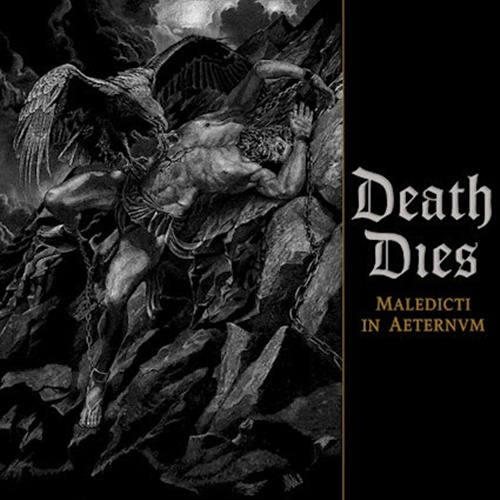
Demian De Saba leads us into the dark heart of Death Dies with their new album “Maledicti In Aeternvm”, released on April 3, 2026 via My Kingdom Music. Drawing on primordial black metal roots and lacing them with hardcore and thrash‑death aggression, the record is an uncompromising sonic assault that never lets up. In this interview, Demian breaks down how the band forged a visceral, unrelenting work where every track — from “Asmodevs” to “Destroyer” — hits like a blade to the gut and channels the purest essence of extreme black metal.
Hi and thanks for joining us again on Il Raglio Del Mulo! Your latest album “Maledicti in Aeternvm” promises a one-way journey into the darkest depths of black metal, blending old-school ferocity with extreme hardcore and thrash-death experiments. Can you tell us how this record came to life and which obsessions or visions guided you during the writing and recording process?
Hi, and thanks to you for the space you give us. This record took shape in 2024, just a few months after the release of our previous album “Stregoneria”. The writing process (entirely handled by Samael except for the closing track “Destroyer”) was rather quick and spontaneous. There was an initial, unspoken intention to create an album that looked to the past, revisiting our musical roots and bringing them up to date. Having a single “pen” for composition certainly gave the record a coherent overall feel. Thanks also to the work done in the studio, which aimed to reproduce a more primitive sound, the songs were given the perfect “outfit” to make them truly visceral.
Black, hardcore, thrash, and death metal in a single devastating blend. How do you see the evolution of your sonic identity today, and what really sets you apart from the flood of extreme bands?
In my opinion, where everyone else tries to be faster, more technical, or loaded with sophisticated arrangements, we come forward with a “simple,” raw sound, direct riffs, and a few highly targeted arrangements. This is our personal “quest,” and the early reactions to the album highlight this aspect, defining it as an act of “truth,” which is exactly what we aimed for.
The album pulses like a dark heart that never stops beating, between blind fury and almost ritualistic details. How did you decide which passages to turn into full-on attacks and which to let breathe in the shadows, creating that gut-punch impact?
Each song was rehearsed multiple times before recording, searching for the best dimension for each track. Sometimes spontaneity is enough to fix everything, sometimes you need to think it through, but always following a coherent flow. In the end, you just “feel” when a piece is working or not.
Tracks like “Asmodevs” and “Destroyer” carry the imprint of the early ’90s black metal pioneers. What did you choose to inherit from the primordial scene, and where did you push your sound toward new and deadlier territories?
“Destroyer” is the only track that actually comes from the ’90s. It’s a piece I wrote for our first album “The Sound Of Demons”, but we decided to re-record it to finally give it the right sound. “Asmodevs”, like other songs on the album, inherits a fundamental “basicity” which, in my opinion, is its winning card… The riffs recall thrash death from the ’80s, raw and direct, like you could hear on demos or the very first albums of many bands, as well as some arrangements, which, while minimal, “fill” the instrumental scene immensely. There are no new territories on this record; the novelty lies precisely in the fact that there is no evolution, only a stubborn defense of the past.
The album sounds powerful yet clear, a difficult balance to achieve in such fierce black metal. How did you approach the recordings to bring out every detail, from blast beats to the subtlest guitar lines, without dulling the overall aggression?
The work done by our engineer Daniele Ferretto was excellent! I entered the mixing phase with the clear idea of capturing the sound of seminal ’80s bands and making it contemporary. The guitars are heavily distorted but with an absolutely vintage distortion that punches you in the face within the album’s sonic magma. Each instrument finds its own space because we worked a lot on individual sounds, and everything is “clean” because we weren’t chasing extremity at all costs.
The lyrics, in Italian, delve into blasphemy, demons, and absolute darkness. How much did the lyrical concept guide the structure of the songs, and how did you ensure the music faithfully reflected the most extreme atmospheres?
The lyrics process worked in reverse: Krom, our vocalist, wrote them inspired by the mood of each song. Naturally, the musical writing sensibility perfectly aligns with the poetic scenario of the lyrics, also because at a spiritual level there is great synergy within the band.
Some tracks feature solos and vocal inserts that break up the sonic assault. How do you decide which “interruptions” to include to increase tension and pathos without letting the album’s pressure drop?
Samael often says he thinks and rethinks the pieces he writes and we rehearse, at any time of the day. It’s a continuous process that then leads to spontaneous ideas functional to the track. There are nods to Celtic Frost, Burzum… as I said before, it’s a work that also “looks back” even in these arrangements.
During the making of “Maledicti in Aeternvm”, were there any moments or studio incidents that changed the direction of a track or left an indelible mark on the record?
No, nothing of the sort, everything followed its course without any incidents.
Looking to the future, will Death Dies continue to dig ever deeper into darkness, or are you already thinking about new stylistic challenges? What projects and artistic directions do you have in mind for the coming years?
As I mentioned at the beginning, our idea is to “go back” to our musical roots, so in perspective, the next album will be an even greater challenge because it will make a “leap” compared to the concept of extreme. But I won’t say more.
 Il Raglio del Mulo