
ENGLISH VERSION BELOW: PLEASE, SCROLL DOWN!
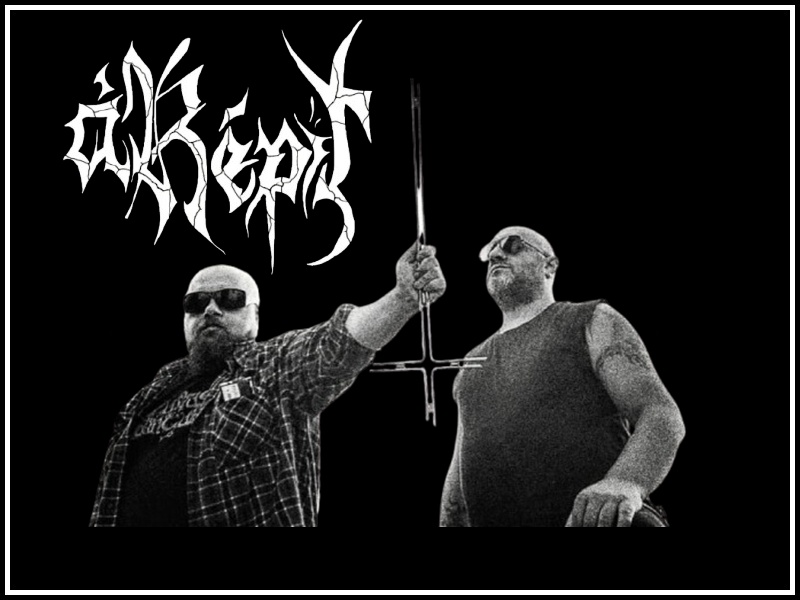
Ci sono sentieri che non conducono semplicemente da un luogo a un altro, ma attraversano secoli di memoria, superstizioni e antiche credenze. Con “Oltre Il Sentiero Del Tempo“, quarto full-length degli À Répit, il duo prosegue il proprio viaggio nel cuore del Black Metal alpino, intrecciando natura, mitologia e tradizioni dimenticate. Abbiamo incontrato Skarn e Gypaetus per approfondire la genesi del disco, le storie che ne alimentano l’immaginario e l’evoluzione di un progetto che trova nelle montagne la propria dimensione espressiva. Pubblicato da Naturmacht Productions, l’album è un invito a oltrepassare il presente e riscoprire ciò che il tempo non è riuscito a cancellare.
Prima di entrare nei dettagli, benvenuti sulle pagine de Il Raglio Del Mulo e grazie per questa intervista. Con “Oltre Il Sentiero Del Tempo” tornate con il vostro quarto full-length, continuando a esplorare il rapporto tra Black Metal, natura, miti e tradizioni alpine. Qual è il mondo che avete voluto evocare questa volta attraverso il disco e come ci introdurreste nel suo percorso?
Innanzitutto grazie a voi per lo spazio e per l’interesse nei nostri confronti. Con questo album abbiamo voluto proseguire un percorso che ci accompagna fin dagli inizi, cercando però di esplorare alcuni aspetti più profondi del nostro legame con la montagna, la sua storia e le sue antiche credenze. Non volevamo semplicemente raccontare dei luoghi, ma evocare ciò che questi luoghi custodiscono. Le Alpi sono state testimoni di innumerevoli generazioni, di culti dimenticati, di vite trascorse nell’isolamento e di tradizioni che lentamente stanno scomparendo. “Oltre Il Sentiero Del Tempo” è un viaggio attraverso questa memoria, dove la natura non rappresenta soltanto uno scenario, ma diventa protagonista. Musicalmente abbiamo cercato di dare forma a queste sensazioni, alternando momenti più violenti ad altri contemplativi, senza perdere le nostre radici Black Metal.
Già dal titolo, “Oltre Il Sentiero Del Tempo”, emerge l’idea di un viaggio che supera una dimensione puramente temporale. Quale significato ha per voi questo “sentiero” e in che modo il concetto del tempo attraversa i testi e l’atmosfera dell’album?
Il sentiero rappresenta un collegamento tra ciò che siamo oggi e ciò che ci ha preceduto ed è anche la via che non sai dove ti porterà. Quando percorriamo certi luoghi di montagna, spesso attraversiamo gli stessi passaggi utilizzati per secoli da pastori, viandanti e popolazioni ormai scomparse. Cambiano gli uomini, cambiano le epoche, ma le montagne continuano a essere lì. Il tempo, in questo senso, assume un significato differente da quello che gli attribuiamo quotidianamente. Non è soltanto qualcosa che scorre, ma anche qualcosa che lascia tracce. Abbiamo cercato di tradurre musicalmente questa sensazione: la possibilità di allontanarsi per un momento dal presente e ritrovare un legame con un passato che, in determinati luoghi, sembra non essersene mai andato.
La vostra musica nasce da un legame molto forte con il territorio alpino e con il suo patrimonio di leggende e tradizioni. In “Oltre Il Sentiero Del Tempo” compaiono titoli come “Pietra Manialis” e “Ypa Dea Dei Salassi”, quest’ultimo diviso in due parti: quali storie, figure o aspetti della memoria alpina avete voluto riportare alla luce attraverso questi brani?
La riscoperta delle antiche credenze e delle leggende locali è sempre stata una componente fondamentale degli À Répit. Ci interessa particolarmente quel confine dove storia, tradizione orale e superstizione finiscono per confondersi. Sono racconti che spesso sopravvivono soltanto attraverso piccoli frammenti, ma che conservano qualcosa di estremamente affascinante. Con “Pietra Manialis” abbiamo voluto richiamare il rapporto tra il mondo materiale e quello spirituale, tra i vivi e ciò che appartiene alla memoria dei morti. La Pietra Manialis era una pietra ritualistica di origine romana, considerata la roccia che copriva l’antico pozzo che connetteva la dimensione reale direttamente con l’Ade nella contestualizzazione alpina. Era una roccia rituale, anche sacrificale, atta a esorcizzare coloro ritenuti posseduti da entità oscure e antiche; però, tali persone erano perlopiù malati mentali. “Ypa Dea Dei Salassi”, invece, ci porta verso un passato ancora più remoto, legato alle popolazioni che abitavano queste terre prima della romanizzazione. La figura di Ypa appartiene a quel patrimonio leggendario nel quale elementi storici e mitologici si intrecciano. Ypa era una leggendaria regina e sacerdotessa di un’antica popolazione celto-ligure che abitava il Canavese e la Valle d’Aosta; era votata al culto della Dea Mattiaca, dea della battaglia e della furia. Secondo la leggenda, Ypa sarebbe morta annegata nella Dora Baltea. La scelta di sviluppare il brano in due parti ci ha permesso di affrontare musicalmente il racconto con atmosfere differenti, dando maggiore spazio alla sua componente evocativa.
Il disco è stato registrato e mixato all’Obscura Studio e conserva una forte impronta old-school, ma presenta anche synth, voci rituali, cori e momenti più atmosferici. Quanto è importante per voi costruire non soltanto un suono, ma un vero ambiente nel quale l’ascoltatore possa immergersi?
Per noi l’atmosfera è sempre stata importante quanto il riff. Il Black Metal deve mantenere una propria identità, una certa ruvidità e un’aggressività che non abbiamo alcuna intenzione di abbandonare. Questo però non significa rinunciare ad altri strumenti espressivi. Synth, cori e voci rituali ci permettono di aggiungere profondità alle composizioni, soprattutto quando vogliamo trasmettere sensazioni difficili da esprimere attraverso le sole chitarre. Non ci interessa ottenere una produzione eccessivamente pulita o moderna. Preferiamo conservare un suono organico, talvolta imperfetto, ma capace di trasmettere qualcosa. L’ideale sarebbe che l’ascoltatore riuscisse a isolarsi per la durata del disco, lasciandosi trasportare dalla musica senza necessariamente cercare una spiegazione per ogni passaggio. A titolo informativo, l’album è stato registrato nel nostro piccolo studio personale e poi il mastering è stato curato direttamente da Naturmacht in Finlandia, ma quello che è importante per noi è come viene recepito, assimilato, cosa trasmette… e non che strumenti sono stati utilizzati. È una cosa che proprio non abbiamo mai guardato e non ci interessa farlo.
“Oltre Il Sentiero Del Tempo” amplia la tavolozza vocale degli À Répit con la partecipazione di Lebensnacht in “Crossing The Magician’s Doors” e di Masca Nivalis in “Voces In Umbra” e “Ypa Dea Dei Salassi (Part II)”, oltre alle voci rituali di Emma e Skarn. Come avete scelto questi interventi e cosa cercavate nelle diverse voci rispetto alla vostra dimensione abituale?
Le diverse voci presenti nell’album rappresentano un modo per ampliare le possibilità espressive dei brani, senza snaturare ciò che siamo. Lebensnacht, Masca Nivalis, Emma e Skarn contribuiscono a creare sfumature differenti, passando da interpretazioni più propriamente Black Metal a momenti che assumono una dimensione quasi rituale. In particolare, l’alternanza tra timbri maschili e femminili permette di introdurre contrasti interessanti, soprattutto nelle parti maggiormente atmosferiche. Non volevamo inserire degli ospiti soltanto per arricchire i crediti del disco. L’esempio massimo è proprio Masca Nivalis, che non fa nemmeno parte del mondo metal e ha voluto mantenere l’anonimato. Ogni intervento doveva avere un senso all’interno della composizione e contribuire alla sensazione generale che cercavamo di trasmettere.
Nel vostro percorso avete attraversato album, split e differenti interpretazioni della vostra idea di Black Alpine Art. Guardando oggi all’evoluzione degli À Répit, cosa sentite di aver cambiato maggiormente nel modo di comporre e costruire un album rispetto ai vostri primi lavori, e cosa invece considerate ancora intoccabile?
Crediamo che l’evoluzione sia qualcosa di inevitabile, soprattutto quando si porta avanti un progetto per molti anni. Con il tempo abbiamo probabilmente acquisito una maggiore consapevolezza nella costruzione dei brani e nella gestione delle diverse atmosfere. Oggi riusciamo a sviluppare determinate idee con più naturalezza, senza sentire la necessità di riempire ogni spazio. Ciò che non è cambiato è il motivo per cui abbiamo iniziato a fare questa musica. Anche il modo in cui la facciamo non è cambiato: non abbiamo scadenze o tempi prestabiliti. Quando abbiamo la giusta ispirazione, lasciamo che un semplice riff crei la base e poi ci interfacciamo e lasciamo crescere ogni idea senza forzature. La distanza tra noi due ci aiuta anche a creare con calma e in modo naturale le varie esperienze e sensazioni che vogliamo tradurre in musica. Gli À Répit continuano a essere una forma di espressione estremamente personale, legata alla natura, alle montagne e a tutto ciò che rappresentano per noi. Non abbiamo mai cercato di inseguire particolari tendenze o di modificare il nostro suono per renderlo più accessibile. Se qualcosa ci rappresenta, trova spazio nella nostra musica. Altrimenti non ne abbiamo bisogno.
Una caratteristica della vostra musica è il modo in cui momenti molto atmosferici possono convivere con passaggi decisamente più aggressivi, lasciando spesso spazio anche a lunghi sviluppi strumentali. Quando componete, partite da un’immagine, da una storia, da un riff oppure lasciate che sia la musica stessa a suggerire progressivamente il paesaggio e il racconto?
Non seguiamo necessariamente un metodo prestabilito. A volte tutto nasce da un riff, altre volte da un’atmosfera o da una sensazione che cerchiamo di trasformare in musica. Il rapporto con la natura è talmente radicato in ciò che facciamo che spesso non abbiamo bisogno di partire da un’immagine precisa. Sono esperienze, luoghi e ricordi che fanno già parte di noi e che inevitabilmente finiscono nelle composizioni. Ci piace anche lasciare che i brani si sviluppino liberamente. Non sentiamo la necessità di rispettare strutture rigide o durate prestabilite. Se una parte strumentale richiede più spazio per esprimere ciò che vogliamo, non vediamo perché dovremmo limitarla. Naturalmente il risultato deve mantenere una propria coerenza, ma preferiamo seguire l’istinto piuttosto che una formula.
C’è un brano di “Oltre Il Sentiero Del Tempo” che, durante la sua realizzazione, vi ha portato in una direzione diversa da quella inizialmente immaginata, magari per un’idea nata in studio, un particolare strumentale o una soluzione vocale? Se sì, quale episodio ricordate con maggiore piacere?
Durante la realizzazione di un album capita spesso che alcune composizioni cambino rispetto all’idea iniziale. A volte basta modificare un arrangiamento, introdurre una voce differente o lasciare maggiore spazio a una sezione strumentale per trasformare completamente l’atmosfera di un brano. È uno degli aspetti più interessanti del lavoro in studio: ascoltare un’idea prendere forma e accorgersi che può raccontare qualcosa di diverso da ciò che avevamo immaginato. Preferiamo non forzare queste situazioni. Quando una modifica funziona e conserva lo spirito della composizione, siamo ben felici di seguirla, anche se significa abbandonare la direzione iniziale.
Ora che “Oltre Il Sentiero Del Tempo” sta per essere pubblicato, quali sono i prossimi passi per gli À Répit? Avete intenzione di portare questo nuovo materiale dal vivo, state già lavorando a nuove composizioni oppure preferite lasciare che questo album compia il proprio viaggio prima di iniziare un nuovo capitolo?
Per il momento la nostra attenzione è rivolta a “Oltre Il Sentiero Del Tempo” e siamo naturalmente curiosi di vedere come verrà accolto. Ma, in qualunque maniera verrà accolto, noi siamo soddisfatti: siamo i primi ascoltatori di noi stessi. Non abbiamo mai vissuto questo progetto con la necessità di rispettare scadenze o di pubblicare continuamente nuovo materiale. La musica degli À Répit nasce da esigenze personali e vogliamo che continui a essere così. Ci saranno sicuramente altre idee e altri sentieri da percorrere, ma preferiamo lasciare che le cose maturino con naturalezza. Le montagne non hanno fretta, e nemmeno noi.
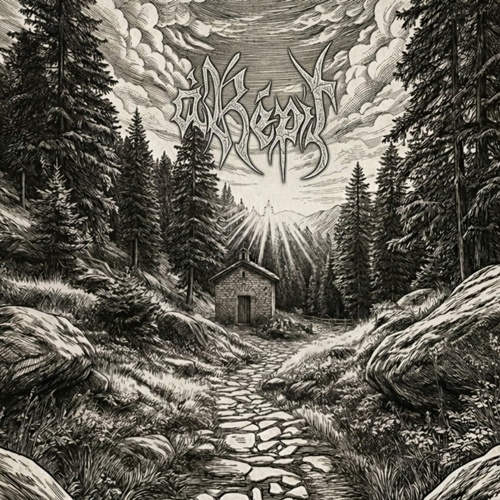
Some paths don’t simply lead from one place to another. They cross centuries of memory, superstition and ancient beliefs. With “Oltre Il Sentiero Del Tempo”, the fourth full-length album by À Répit, the duo continues its journey into the heart of Black Alpine Metal, weaving together nature, mythology and forgotten traditions. We caught up with Skarn and Gypaetus to delve into the making of the album, the stories behind its imagery and the evolution of a project that finds its true expression in the mountains. Released by Naturmacht Productions, this record is an invitation to step beyond the present and rediscover what time has failed to erase.
First of all, welcome to the pages of Il Raglio Del Mulo, and thanks for taking the time to do this interview. With “Oltre Il Sentiero Del Tempo”, you’re back with your fourth full-length album, continuing to explore the relationship between Black Metal, nature, myths and Alpine traditions. What kind of world did you want to evoke this time around, and how would you introduce us to the journey behind the record?
First of all, thanks to you for giving us this space and for your interest in what we do. With this album, we wanted to continue along the path we’ve been following since the very beginning, while also exploring some deeper aspects of our connection with the mountains, their history and their ancient beliefs. We didn’t simply want to tell stories about places, but to evoke what these places hold within them. The Alps have witnessed countless generations, forgotten cults, lives spent in isolation and traditions that are slowly disappearing. “Oltre Il Sentiero Del Tempo” is a journey through this memory, where nature is not merely a backdrop but becomes the protagonist. Musically, we tried to give shape to these feelings, alternating more violent passages with others that are more contemplative, without losing our Black Metal roots.
Even from its title, “Oltre Il Sentiero Del Tempo” suggests a journey that goes beyond a purely temporal dimension. What does this “path” represent to you, and how does the concept of time run through the lyrics and the atmosphere of the album?
The path represents a connection between who we are today and those who came before us. It’s also a road whose destination you can never know. When we walk through certain mountain areas, we often follow the same routes used for centuries by shepherds, travellers and populations that have long since disappeared. People change, eras change, but the mountains are still there. In this sense, time takes on a different meaning from the one we usually give it in our everyday lives. It’s not just something that flows, but also something that leaves its traces. We tried to translate this feeling into music: the possibility of stepping away from the present for a while and reconnecting with a past that, in certain places, seems never to have gone away.
Your music stems from a deep connection with the Alpine territory and its heritage of legends and traditions. “Oltre Il Sentiero Del Tempo” features titles such as “Pietra Manialis” and “Ypa Dea Dei Salassi”, the latter divided into two parts. Which stories, figures or aspects of Alpine memory did you want to bring back to light through these tracks?
Rediscovering ancient beliefs and local legends has always been a fundamental part of À Répit. We’re particularly interested in that boundary where history, oral tradition and superstition end up blending together. These are stories that often survive only in small fragments, yet they retain something extremely fascinating. With “Pietra Manialis”, we wanted to evoke the relationship between the material and spiritual worlds, between the living and everything connected to the memory of the dead. The Pietra Manialis was a ritual stone of Roman origin, believed to be the rock covering an ancient well that connected the earthly dimension directly to Hades within the Alpine context. It was a ritual stone, also used for sacrifices, intended to exorcise those believed to be possessed by dark and ancient entities; however, these people were mostly suffering from mental illnesses. “Ypa Dea Dei Salassi”, on the other hand, takes us back to an even more remote past, connected to the populations that inhabited these lands before Romanisation. The figure of Ypa belongs to that body of legends in which historical and mythological elements intertwine. Ypa was a legendary queen and priestess of an ancient Celto-Ligurian population that inhabited the Canavese area and the Aosta Valley. She was devoted to the worship of the Goddess Mattiaca, the goddess of battle and fury. According to legend, Ypa drowned in the Dora Baltea river. Developing the track in two parts allowed us to approach the story musically through different atmospheres, giving more room to its evocative dimension.
The album was recorded and mixed at Obscura Studio and retains a strong old-school imprint, while also incorporating synths, ritual vocals, choirs and more atmospheric passages. How important is it for you to build not just a sound, but an actual environment in which the listener can immerse themselves?
For us, atmosphere has always been just as important as the riff. Black Metal must retain its own identity, a certain rawness and an aggression that we have absolutely no intention of abandoning. That doesn’t mean, however, that we have to give up other forms of expression. Synths, choirs and ritual vocals allow us to add depth to our compositions, especially when we want to convey feelings that are difficult to express through guitars alone. We’re not interested in achieving an excessively clean or modern production. We’d rather preserve an organic sound, sometimes imperfect, but capable of conveying something. Ideally, the listener should be able to isolate themselves for the duration of the album, allowing the music to carry them away without necessarily looking for an explanation behind every passage. Just for the record, the album was recorded in our own small studio, and the mastering was then handled directly by Naturmacht in Finland. But what really matters to us is how the album is received, how it’s absorbed, what it conveys… not which instruments were used. That’s something we’ve never really paid attention to, and we’re simply not interested in it.
“Oltre Il Sentiero Del Tempo” expands À Répit’s vocal palette with the participation of Lebensnacht on “Crossing The Magician’s Doors” and Masca Nivalis on “Voces In Umbra” and “Ypa Dea Dei Salassi (Part II)”, alongside the ritual vocals of Emma and Skarn. How did you choose these contributions, and what were you looking for in these different voices compared to your usual approach?
The different voices featured on the album represent a way of expanding the expressive possibilities of the tracks without changing who we are. Lebensnacht, Masca Nivalis, Emma and Skarn contribute different shades, ranging from more traditionally Black Metal performances to passages that take on an almost ritualistic dimension. In particular, the alternation between male and female vocal timbres allows us to introduce interesting contrasts, especially in the more atmospheric sections. We didn’t want to bring in guest musicians simply to make the album’s credits look more impressive. The clearest example is Masca Nivalis, who isn’t even part of the metal world and wanted to remain anonymous. Every contribution had to serve a purpose within the composition and contribute to the overall feeling we were trying to convey.
Throughout your career, you’ve explored different albums, splits and interpretations of your own vision of Black Alpine Art. Looking at the evolution of À Répit today, what do you feel has changed the most in the way you write and put an album together compared to your early releases, and what do you still consider untouchable?
We believe evolution is inevitable, especially when you’ve been carrying on a project for many years. Over time, we’ve probably gained greater awareness in the way we structure songs and handle different atmospheres. Today, we’re able to develop certain ideas more naturally, without feeling the need to fill every space. What hasn’t changed is the reason why we started making this music. The way we make it hasn’t changed either: we have no deadlines or fixed schedules. When the right inspiration comes along, we let a simple riff lay the foundations, then we interact with each other and allow every idea to grow without forcing anything. The distance between the two of us also helps us create calmly and naturally, developing the various experiences and feelings we want to translate into music. À Répit remains an extremely personal form of expression, connected to nature, the mountains and everything they represent to us. We’ve never tried to chase particular trends or change our sound to make it more accessible. If something represents us, it finds its way into our music. If it doesn’t, we have no need for it.
One of the defining features of your music is the way highly atmospheric passages coexist with much more aggressive sections, often leaving room for lengthy instrumental developments. When you write, do you start from an image, a story, a riff, or do you let the music itself gradually suggest the landscape and the narrative?
We don’t necessarily follow a set method. Sometimes everything starts with a riff, other times with an atmosphere or a feeling that we try to turn into music. Our connection with nature is so deeply rooted in what we do that we often don’t need to start from a specific image. These are experiences, places and memories that are already part of us and inevitably find their way into our compositions. We also like letting the tracks develop freely. We don’t feel the need to stick to rigid structures or predetermined lengths. If an instrumental section needs more room to express what we want, we don’t see why we should limit it. Naturally, the result has to maintain its own coherence, but we’d rather follow our instincts than a formula.
Is there a track on “Oltre Il Sentiero Del Tempo” that took you in a different direction from the one you originally had in mind during its creation, perhaps because of an idea that came up in the studio, a particular instrumental detail or a vocal solution? If so, which episode do you remember most fondly?
During the making of an album, it’s quite common for some compositions to change from their original concept. Sometimes all it takes is a different arrangement, the introduction of another vocal part or giving more space to an instrumental section to completely transform the atmosphere of a track. That’s one of the most interesting aspects of working in the studio: watching an idea take shape and realising that it can tell a different story from the one we originally imagined. We prefer not to force these situations. When a change works and preserves the spirit of the composition, we’re more than happy to follow that direction, even if it means abandoning the original idea.
Now that “Oltre Il Sentiero Del Tempo” is about to be released, what are the next steps for À Répit? Are you planning to take this new material on stage, are you already working on new compositions, or would you rather let this album complete its own journey before starting a new chapter?
For the time being, our attention is focused on “Oltre Il Sentiero Del Tempo”, and we’re naturally curious to see how it will be received. But no matter how it’s received, we’re satisfied with it: we’re our own first listeners. We’ve never approached this project with the need to meet deadlines or constantly release new material. À Répit’s music comes from personal needs, and we want it to stay that way. There will certainly be other ideas and other paths to explore, but we’d rather let things develop naturally. The mountains are in no hurry, and neither are we.

