
ENGLISH VERSION BELOW: PLEASE, SCROLL DOWN!
Quarant’anni trascorsi nelle viscere dell’underground non sono bastati a domare la bestia. Nati durante gli albori della scena death metal svedese, i Sorcery hanno attraversato cambi di formazione, lunghi periodi di silenzio e le inevitabili trasformazioni del panorama extreme metal, conservando intatta la propria identità. Dalle grezze fondamenta di “Arrival” all’attacco senza compromessi di “The Immaculate Sin”, pubblicato il 1° ottobre per Xtreem Music, la band continua a brandire la propria miscela di death metal oscuro e selvaggio. Abbiamo incontrato Ola per parlare dell’evoluzione del gruppo, dell’intesa creativa alla base del nuovo album e di cosa significhi portare il nome Sorcery nel quinto decennio di attività.
Ciao Ola e benvenuto su Il Raglio Del Mulo e grazie per aver trovato il tempo di rispondere alle nostre domande. Il 1° ottobre i Sorcery hanno pubblicato “The Immaculate Sin” per Xtreem Music, aggiungendo un nuovo capitolo a una storia iniziata più di quarant’anni fa con il demo “Arrival”. Dagli esordi della scena death metal svedese al ritorno sulle scene con “Arrival At Six” nel 2013, i Sorcery hanno continuato a mantenere un approccio senza compromessi. Che cosa rappresenta oggi “The Immaculate Sin” per la band e qual è stato il principale obiettivo creativo alla base di questo nuovo album?
Ciao e grazie per avermi ospitato. Penso che “The Immaculate Sin” rappresenti l’apice della band. Tutti quegli anni trascorsi a suonare, tutte le influenze che sono arrivate e poi scomparse e tutto quello che ci è successo si sono, in un certo senso, fusi in ciò che è “The Immaculate Sin”. Anche gli album precedenti hanno rappresentato il momento più alto della band nelle rispettive epoche e immagino che sarà lo stesso per il prossimo. Ma questo è ciò che siamo oggi.
La storia dei Sorcery è stata caratterizzata da diversi cambi di formazione, un lungo periodo di inattività e un ritorno che ha portato alla pubblicazione di tre album in studio prima di “The Immaculate Sin”. Con un percorso così lungo e movimentato alle spalle, come si è evoluto nel corso degli anni il vostro approccio alla composizione e quali elementi dell’identità originaria della band rimangono fondamentali quando create nuova musica?
Agli inizi scrivevamo tutto il nostro materiale insieme in sala prove, mentre oggi qualcuno porta dei riff o addirittura una canzone intera e poi la completiamo tutti insieme. Viviamo piuttosto lontani gli uni dagli altri, quindi non abbiamo la possibilità di provare così spesso. Possiamo anche scambiarci dei file, ma più frequentemente ci incontriamo, registriamo le idee che abbiamo e poi le sviluppiamo fino a trasformarle in una canzone. Naturalmente, nel corso degli anni, la band ha subito molte influenze da parte delle persone che sono entrate e uscite dalla formazione, ma il nostro obiettivo principale è sempre quello di realizzare un album dei Sorcery. Senza ripetere noi stessi, ovviamente, ma ascoltando i nostri nuovi brani si può forse riconoscere il nucleo dei Sorcery, insieme all’evoluzione della band.
Il nuovo album si apre con il sinistro motivo chitarristico di “Shadowborn”, prima di lanciarsi in un aggressivo attacco death metal, mentre “Set The World Ablaze” e “Slice It Up” sfoderano riff da motosega e una violenza ritmica incessante. Come affrontate l’equilibrio tra atmosfera e pura aggressività? E come fate in modo che i brani rimangano memorabili, senza affidarsi esclusivamente alla velocità e alla brutalità?
Penso che sia qualcosa che ci viene abbastanza naturale. Quando iniziamo a scrivere una canzone, non ci sediamo a tavolino con l’intenzione di comporne una aggressiva, lenta o melodica. Partiamo da un riff e poi seguiamo la direzione che ci suggerisce, costruendo il brano a partire da lì. Se sentiamo che serve una particolare sezione, la proviamo finché non ci sembra quella giusta. Raramente sappiamo dove ci porteranno un paio di riff finché la canzone non è terminata. Nella maggior parte dei casi funziona bene. Altrimenti, smontiamo il brano e utilizziamo le parti migliori in altre canzoni.
Sebbene “The Immaculate Sin” attinga profondamente alle atmosfere del death metal svedese dei primi anni Novanta, l’album presenta anche momenti in cui la melodia assume un ruolo importante, in particolare verso la conclusione di “Die In Retribution”. Come riuscite a inserire passaggi melodici in un sound così intransigente e cosa rende tanto efficace la combinazione di melodia e brutalità nel linguaggio musicale dei Sorcery?
Penso che per noi sia importante trovare le giuste dinamiche all’interno di una canzone. Ascoltare una buona canzone dovrebbe essere come fare un giro sulle montagne russe. La combinazione tra brutalità e parti più melodiche sembra funzionare molto bene per noi. Rende il brano interessante e ti fa venire voglia di ascoltarlo tutto, piuttosto che saltare direttamente a quello successivo.
Nelle battute conclusive dell’album troviamo “The Exorcist”, caratterizzata da ritornelli potenti, e “Die In Retribution”, che combina elementi melodici e pura forza d’urto. Quando si definisce la scaletta di un album, quanto è importante costruire un percorso che conduca a un finale decisivo? Avete deliberatamente modellato i brani conclusivi per creare un senso di crescendo e di chiusura?
È molto importante mettere le canzoni nell’ordine giusto. Ci piace avere un paio di brani davvero diretti e aggressivi all’inizio, per poi arrivare a un climax finale. Scegliamo anche con attenzione quale canzone collocare per prima sul lato B del vinile. Cerchiamo di non mettere uno dopo l’altro brani troppo simili. Questa volta abbiamo provato parecchie combinazioni prima di essere soddisfatti. Non vogliamo che qualcuno trovi una parte noiosa nell’album, ma preferiamo costruire l’eccitazione attraverso una composizione dinamica della scaletta.
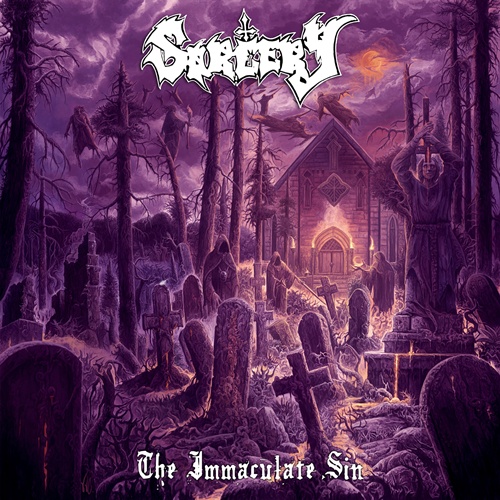
Per “The Immaculate Sin”, i Sorcery hanno collaborato con William Blackmon per il processo di registrazione, mentre Juanjo Castellano Rosado ha realizzato la copertina. Entrambi vantano esperienze di lavoro con nomi affermati dell’extreme metal. Come sono nate queste collaborazioni e quanto era importante trovare un sound produttivo e un’identità visiva capaci di trasmettere l’atmosfera oscura dell’album senza sacrificare il carattere grezzo associato al death metal svedese?
Questa è stata la prima volta che abbiamo lavorato con William. Vive non lontano dalla nostra base e avevamo ascoltato alcune ottime cose a cui aveva lavorato in precedenza. Abbiamo registrato la batteria nel suo studio e tutto il resto per conto nostro. Poi abbiamo riportato tutto da William per il missaggio e il mastering. Il risultato è stato migliore di quanto potessimo immaginare. Ha fatto un lavoro magistrale e siamo davvero soddisfatti di come è andata. Questo è il terzo album per il quale Juanjo ha realizzato la copertina. È un artista davvero talentuoso e riesce a mettere su carta quello che ho in mente persino meglio dell’immagine che ho nella mia testa. Questa volta ci ha regalato un altro capolavoro. L’intero lavoro è fantastico. Siamo davvero soddisfatti dell’album e abbiamo anche una copertina di una bellezza straordinaria. Non potrebbe andare meglio.
I Sorcery sono emersi parallelamente a band come Entombed e Dismember, contribuendo a definire un sound che avrebbe influenzato intere generazioni di musicisti death metal. A più di tre decenni dalla pubblicazione di “Bloodchilling Tales”, come guardi oggi all’eredità della prima scena death metal svedese? Pensi che lo spirito originario del genere sia ancora vivo nell’attuale underground extreme metal?
Ci sono stati periodi in cui pensavo che fosse tutto finito e che fosse diventato quasi qualcosa appartenente al passato, ma negli ultimi dieci-quindici anni il movimento è cresciuto più che mai e l’interesse nei confronti delle vecchie band come la nostra è stato fondamentale, perché tanti giovani hanno raccolto il testimone. Almeno qui in Svezia, oggi vedo una scena in ottima salute ed è fantastico farne parte ancora dopo quarant’anni.
Dopo il ritorno, la band ha continuato a pubblicare nuovo materiale, passando da “Arrival At Six” a “Garden Of Bones” e “Necessary Excess Of Violence”, fino ad arrivare al nuovo album. Dopo tanti anni di attività e cambiamenti, cosa continua a motivare i Sorcery a scrivere e registrare nuova musica? E in che modo l’esperienza dei concerti influenza il vostro approccio al materiale in studio?
Penso che la cosa che ci motiva maggiormente sia il fatto che ci divertiamo ancora. Siamo tutti grandi amici all’interno della band e ogni volta che facciamo qualcosa è una gioia autentica. Poi, come ulteriore bonus, sembra che le persone intorno a noi apprezzino quello che facciamo e questo rappresenta uno stimolo in più per continuare. Penso che il risultato si possa sentire nell’album. È un disco realizzato da una band che si diverte davvero.
Con “The Immaculate Sin”, i Sorcery riaffermano il proprio legame con un death metal oscuro, aggressivo e profondamente radicato nella tradizione svedese. Guardando al futuro, quali obiettivi deve ancora raggiungere la band? Immaginate le prossime pubblicazioni alla scoperta di nuovi territori musicali oppure preferite spingere ulteriormente il sound dei Sorcery verso i suoi limiti più estremi?
Oggi siamo in una fase in cui ci piacciono le canzoni che componiamo e suoniamo, e sono anche molto rappresentative della band. Naturalmente in futuro faremo qualche passo avanti, ma potete essere certi che continueremo a suonare come i Sorcery e non abbiamo alcuna intenzione di cambiare. Nel corso degli anni ci sono stati piccoli cambiamenti da un album all’altro, ma non ci allontaneremo mai troppo dal percorso che è stato tracciato per noi tanto tempo fa.
Forty years underground have done nothing to tame the beast. Born in the early days of the Swedish death metal scene, Sorcery have survived changing lineups, long periods of silence and the inevitable transformations of the extreme metal landscape, emerging with their identity still firmly intact. From the raw foundations of “Arrival” to the uncompromising attack of “The Immaculate Sin”, released on October 1 through Xtreem Music, the band continues to wield its own brand of dark, savage death metal. We caught up with Ola to talk about the band’s evolution, the creative chemistry behind the new album and what it means to carry the Sorcery name into a fifth decade of darkness.
Hello Ola, and welcome to Il Raglio Del Mulo. Thank you for taking the time to answer our questions. On October 1, Sorcery released “The Immaculate Sin” through Xtreem Music, marking another chapter in a history that began more than forty years ago with the “Arrival” demo. From the early days of the Swedish death metal scene to the band’s return with “Arrival At Six” in 2013, Sorcery have continued to preserve their uncompromising approach. What does “The Immaculate Sin” represent for the band today, and what was the main creative goal behind this new album?
Hello and thank you for having me. I think “The Immaculate Sin” represents the pinnacle of the band. All those years of playing, all those influences that have come and gone, and everything that has happened to us are, in a way, melted down into what is “The Immaculate Sin”. The earlier albums were also the highlights of the band in their time, and I guess the next album will be as well. But this is what we are today.
Sorcery’s history has included several lineup changes, a long period of inactivity and a return that eventually led to three studio albums before “The Immaculate Sin”. With such a long and eventful journey behind you, how has your approach to songwriting evolved over the years, and what elements of the band’s original identity remain essential when creating new music?
In the early days, we wrote all of our material together in the rehearsal room, but nowadays someone brings some riffs or even a whole song, and we then finish it together. We live quite far away from each other, so there is no possibility of rehearsing that often. We can send files to each other as well, but more often we meet up and record the ideas we have, then finalise a song from them. There have, of course, been many influences on the band from people who have come and gone over the years, but our main goal is always to make it into a Sorcery album. Not to repeat ourselves, of course, but when you listen to our new songs, you might be able to hear the core of Sorcery in them, as well as the band’s evolution.
The new album opens with the sinister guitar motif of “Shadowborn” before launching into an aggressive death metal attack, while “Set The World Ablaze” and “Slice It Up” deliver chainsaw riffs and relentless rhythmic violence. How do you approach the balance between atmosphere and sheer aggression, and how do you make sure that the songs remain memorable rather than relying exclusively on speed and brutality?
I think it is something that comes quite naturally to us. When we start to write a song, we don’t sit down just to write an aggressive one, a slow one or a melodic one. We start with a riff and then just follow it, constructing the song from there. If we feel that there is a need for a special segment, we try it out until it feels right. We seldom know where a couple of riffs will take us until the song is finished. It works out well most of the time. If not, we deconstruct the song and use the parts that are good in other songs.
Although “The Immaculate Sin” draws heavily on the atmosphere of early-Nineties Swedish death metal, the album also features moments where melody plays an important role, particularly towards the end of “Die In Retribution”. How do you incorporate melodic passages into such an uncompromising sound, and what makes the combination of melody and brutality so effective within Sorcery’s musical language?
I think it is important for us to find the right dynamics in a song. Listening to a good song should be like a roller-coaster ride. The combination of brutality and more melodic parts seems to work out very well for us. It makes the song interesting, and you would rather want to listen to the whole song than just skip it for the next one.
The album’s closing stages include “The Exorcist”, with its powerful hooks, and “Die In Retribution”, which combines melodic elements with brute force. When sequencing an album, how important is it to build towards a decisive finale, and did the band deliberately shape the final tracks to create a sense of escalation and closure?
It is very important to put the songs in the right order. We like to have a couple of really “in your face” songs at the beginning and then end up with a climax at the end. We also choose carefully which song will be the first song on the vinyl B-side. We try not to place similar songs after each other. We went through quite a lot of combinations until we were satisfied this time. We don’t want anyone to find a boring segment on the album, but to build up the excitement with a dynamic composition of songs.
For “The Immaculate Sin”, Sorcery worked with William Blackmon on the recording process, while Juanjo Castellano Rosado created the cover artwork. Both have experience working with established names in extreme metal. How did these collaborations develop, and how important was it to find a production sound and visual identity capable of conveying the album’s dark atmosphere without sacrificing the raw character associated with Swedish death metal?
This time was the first time we worked with William. He lives not far from our home base, and we had heard some great stuff that he had worked on before. We recorded the drums there and recorded everything else on our own. Then we took it all back to William for mixing and mastering. The result was better than we could have imagined. He did a masterful job, and we are very pleased with how it worked out. This is the third album for which Juanjo has created the artwork. He is such a talented artist, and he can put my mind onto paper better than the picture inside my head. This time he made us another masterpiece. The whole package is great. An album that we are really pleased with, together with a perfectly beautiful cover. It can’t be better.
Sorcery emerged alongside bands such as Entombed and Dismember, helping establish a sound that would influence generations of death metal musicians. More than three decades after the release of “Bloodchilling Tales”, how do you view the legacy of the early Swedish death metal scene, and do you feel that the genre’s original spirit is still alive in today’s extreme metal underground?
There were times when I thought it was over and had almost become something of the past, but over the last ten to fifteen years it has grown stronger than ever, and the interest in old bands like us has been vital, as many youngsters have picked up the torch. At least here in Sweden, I see a healthy scene nowadays, and it is great to be a part of it forty years later.
The band has continued to release new material since its return, moving from “Arrival At Six” through “Garden Of Bones” and “Necessary Excess Of Violence” to the new album. After so many years of activity and change, what keeps Sorcery motivated to write and record new music, and how does the experience of performing live influence the way you approach your material in the studio?
I think what motivates us the most is that we still find this fun. We are all the best of friends in the band, and every time we do something, it is pure joy. Then, as a bonus, people around us seem to appreciate what we do, and there is an extra boost to continue doing what we do. I think you can hear the result on the album. That is an album made by a band that enjoys itself.
With “The Immaculate Sin”, Sorcery reaffirm their commitment to a death metal sound that remains dark, aggressive and deeply rooted in the Swedish tradition. Looking ahead, what ambitions does the band still want to fulfil, and do you see future releases exploring new musical territory or pushing the established Sorcery sound even further towards its most extreme limits?
We are in a place today where we like the songs that we make and play, and they are also very representative of the band. We will, of course, progress somewhat in the future, but you can be sure that we will still sound like Sorcery, and we have no intention of changing that. Over the years, there have been small changes from album to album, but we will never stray too far from the path that was laid out for us a long time ago.

