
ENGLISH VERSION BELOW: PLEASE, SCROLL DOWN!
Nato quasi per caso durante il lockdown, l’ultimo album rappresenta una nuova sfida per i danesi Sylvatica: “Cadaver Synod” (Mighty Music) è un’oscura raccolta di storie medievali sorrette da un tappeto sonoro che va oltre la musica estrema per abbracciare sonorità anni ’70, folk e doom.
Benvenuti, qualche settimana fa è uscito “Cadaver Synod”, che presenta grandi novità stilistiche. Vi piacerebbe presentare il vostro nuovo album ai nostri lettori?
Thomas: Grazie per averci ospitato! Assolutamente. Quindi, il nostro nuovo album, “Cadaver Synod”, è una specie di grande balzo in avanti in termini di stile musicale. Questa volta abbiamo preso una strada diversa, immergendoci in storie medievali che pongono sotto i riflettori le assurdità della chiesa cattolica e gli eventi risalenti al Medioevo. Per ravvivare il lato sinfonico, abbiamo aggiunto elementi come l’organo da chiesa, voci pulite e abbiamo anche aggiunto il theremin per creare un’atmosfera inquietante. Oh, e abbiamo preso in prestito un po’ dalla scena degli anni ’70, come Uriah Heep, inserendo l’organo Hammond.
Quando avete iniziato a comporre, avevate già in mente il suono finale di “Cadaver Synod”? E quanto si avvicina alle vostre aspettative?
Jardén: Non avevamo nessun piano per l’album. Quindi, abbiamo scoperto come avrebbe suonato lungo il percorso. Sapevo fin dall’inizio che non volevo realizzare un album complesso come il nostro precedente, “Ashes and Snow”. È stato necessario un processo lungo per scriverlo e registrarlo e avevo bisogno di una pausa. Durante il blocco dovuto alla pandemia, ho iniziato ad ascoltare molto rock degli anni ’70, quindi ho iniziato a scrivere della musica segundo quella ispirazione, solo per divertimento. Non era nemmeno parte del piano che le canzoni venissero usate per Sylvatica. Dato che non avevo davvero alcuna aspettativa, non potevo essere deluso dai risultati. E in realtà penso che quella mentalità abbia aiutato a creare le canzoni così uniche che trovi in “Cadaver Synod”. Alla fine, sono davvero orgoglioso di ciò che abbiamo ottenuto con l’album.
Avete paura di deludere qualche fan con queste novità stilistiche?
Jardén: Oh sì! Penso che molte persone si aspettassero un “Ashes and Snow Vol. 2” con chitarre e bassi veloci, ritmi esplosivi ovunque e 200 livelli di orchestrazione. Tuttavia, abbiamo ricevuto per lo più feedback davvero positivi. Alla maggior parte delle persone sembra piacere davvero, quindi è fantastico! Naturalmente abbiamo ricevuto anche alcune recensioni negative. Ma questo era previsto. Questo non è un album per tutti e lo capiamo perfettamente. Alla fine, non scriviamo musica per nessun altro che per noi stessi. Facciamo la musica che ci piace, che ci piace suonare e che ci piace ascoltare. Ma ovviamente è ancora più bello se piace anche agli altri, ahah.
Qual è stata la prima canzone di “Cadaver Synod” che avete composto?
Jardén: La composizione iniziale è stata “Papa Poltergeist”. Che tu ci creda o no, è stato scritto nel 2009 e abbiamo apportato solo poche modifiche per la cronaca. Originariamente prevista per il nostro primo EP, “Sagn og Sagaer”, del 2010, abbiamo esaurito il tempo in studio, quindi abbiamo deciso di lasciarla fuori. Tredici anni dopo, ho provato a registrare un demo a casa, incorporando un po’ di organo Hammond e orchestrazioni, e suonava in modo fantastico! Haxen ha scritto nuovi testi e questo è stato tutto ciò che è bastato per creare quella che, secondo me, è una delle migliori canzoni dell’album.
Ho apprezzato molto le parti folk, ma soprattutto il feeling anni ’70 che traspare in alcuni brani. Siete degli un amanti del rock progressivo?
Jardén: Sicuramente sì! Per quanto riguarda il progressive, mi piacciono molto gruppi come Jethro Tull e Pink Floyd. Ma in generale mi piacciono i gruppi rock degli anni ’60 e ’70. Sai, Uriah Heep, Deep Purple, Black Sabbath. Hanno dato un contributo significativo al suono del nostro nuovo album. Senza quelle band, non avrei scoperto l’organo Hammond, e non avrebbe fatto parte del nostro ventaglio sonoro.
Di cosa parlano i testi?
Thomas: I testi ci guidano in un viaggio sfrenato attraverso folli storie del Medioevo. Uno di questi riguarda “Papa Innocenzo VIII”, che presumibilmente consumò sangue di bambino nel maldestro tentativo di prevenire l’invecchiamento. il sangue gli fu servito dal suo inquietante medico personale. La leggenda narra che entrambi incontrarono una fine raccapricciante, con la testa del medico tagliata. Abbiamo scelto questi temi perché sono affascinanti e si adattano perfettamente all’atmosfera della musica.
Non ti nascondo che quando ho letto il titolo “Pope Poltergeist”, ho pensato che contenesse un pizzico di ironia, vero?
Thomas: Sì, il titolo è un po’ divertente, ne siamo pienamente consapevoli. Ma sai una cosa? È anche piuttosto bello e si adatta perfettamente all’atmosfera che stavamo cercando. La canzone si tuffa nella storia di Papa Formoso, il cui corpo in decomposizione venne dissotterrato ed esposto durante un processo. La gente a Roma era spaventata, poiché pensava che il fantasma del papa avrebbe iniziato a vagare per le strade. L’uomo che ha organizzato l’intero processo è finito in prigione e ha fatto la sua fine perché l’opinione pubblica si è rivoltata contro di lui. Lo chiamano il “Sinodo del cadavere”. Certo, avremmo potuto intitolare così la canzone, ma abbiamo pensato che “Papa Poltergeist” suonasse meglio e si adattasse perfettamente al theremin e alla atmosfera horror. Sì, forse è un po’ Scooby-Doo, ahah! Penso che sia davvero fantastico.
Perché avete deciso di includere anche una versione acustica di “Song of the Leper”?
Jardén: Ci siamo semplicemente detti: “perché no?” Aveva il potenziale per suonare bene in versione acustica e volevamo provarla. Dal punto di vista dei testi, ha anche il feeling di una canzone da bardo del Medioevo. Ci sono piaciute entrambe le versioni, quindi sono finite entrambe nell’album. Il problema più grande è stato che non sono un bravo cantante. Abbiamo provato a contattare un famoso cantante e cantautore danese, ma non ci ha mai risposto. Quindi ho dovuto farla io e ho dato del mio meglio. Potrebbe non essere un granché, ma alla fine penso che si adatti alla canzone.
Avete qualche data in giro per l’Europa nei prossimi mesi?
Thomas: Sì, però solo in Danimarca. Abbiamo uno spettacolo a Copenhagen il 22 dicembre, insieme a Nicklas Sonne e Big Sun. Si terrà in un locale chiamato “Store Vega”, un posto fantastico qui in Danimarca. Facciamo anche parte del catellone dell’“Udgårdsfest”, sempre a Copenaghen, al Pumpehuset, dove condivideremo il palco con Elvenking, Skyforger, Trold, Ættir e Pafund. Dopodiché c’è il Næstved Metal Fest, con headliner Tiamat, Asinhell, Baest e Necrophobic. Sarà fantastico! E ci sono altri spettacoli in cantiere!
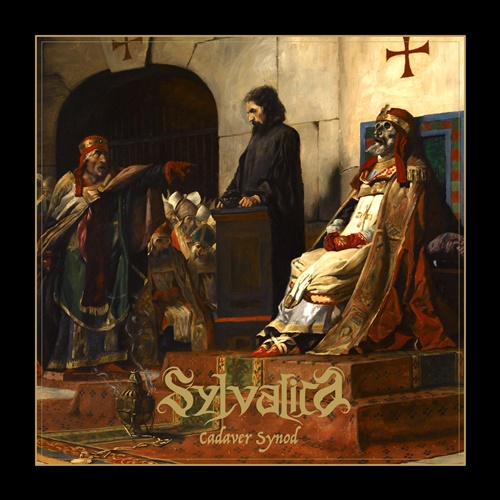
Born almost by chance during the Covid lockdown, the last album represents a new challenge for the Danish band Sylvatica: “Cadaver Synod” (Mighty Music) is a dark collection of Medieval stories accompanied by a carpet of sound that goes beyond extreme music to embrace 70s, folk and doom sounds.
Welcome, “Cadaver Synod” was released a few weeks ago, which presents great stylistic innovations. Would you like to present your new album to our readers?
Thomas: Thanks for having us! Absolutely. So, our new album, “Cadaver Synod,” is kind of a big leap for us in terms of our music style. We took a different route this time, diving into medieval stories that shine a light on the absurdities of the Catholic Church and events from back in the medieval times. To spice up the symphonic side, we added stuff like the church organ, clean vocals, and even threw in the theremin for that eerie vibe. Oh, and we borrowed a bit from the 70s scene, like Uriah Heep, by throwing in the Hammond organ into the mix.
When you started composing, did you already have the final sound of “Cadaver Synod” in mind? And how close does it come to your expectations?
Jardén: We didn’t really have a plan for the album. So, we kind of discovered how it was going to sound along the way. I knew from the beginning that I didn’t want to make such a complex album as our previous one, “Ashes and Snow.” It was such a long process to write and record it that I just needed a break. During the pandemic lockdown, I started to listen to a lot of ’70s rock, so I began writing some music inspired by that, just for fun. It wasn’t even part of the plan that the songs should be used for Sylvatica. Since I didn’t really have any expectations, I couldn’t be disappointed by the results. And I actually think that mindset helped in creating such unique songs that you’ll find on “Cadaver Synod.” In the end, I’m really proud of what we achieved on that album.
Are you afraid of disappointing some fans with these stylistic innovations?
Jardén: Oh yes! I think a lot of people were expecting an “Ashes and Snow Vol. 2” with fast guitars and bass, blast beats all over the place, and 200 layers of orchestration. However, we have mostly received really positive feedback. Most people seem to really like it, so that’s awesome! Of course, we’ve also received some negative reviews. But that was expected. This is not an album for everyone, and we totally get that. In the end, we are not writing music for anyone else except ourselves. We make music that we like, enjoy playing, and enjoy listening to. But, of course, it’s even nicer if other people like it as much as we do, ha ha.
What was the first song of “Cadaver Synod” that you composed?
Jardén: The initial composition was “Papa Poltergeist.” Believe it or not, it was written in 2009, and we made only a few changes to it for the record. Originally intended for our first EP, “Sagn og Sagaer,” in 2010, we ran out of time in the studio, so we decided to omit it. Thirteen years later, I attempted to record a demo at home, incorporating some Hammond organ and orchestration, and it sounded fantastic! Haxen wrote new lyrics for it, and that was all it took to create what, in my opinion, is one of the best songs on the album.
I really appreciated the folk parts, but above all the 70s feeling that shines through in some tracks. Are you a lover of progressive rock?
Jardén: Definitely, yes! On the progressive side, I really like bands such as Jethro Tull and Pink Floyd. But in general, I enjoy rock bands from the ’60s and ’70s. You know, Uriah Heep, Deep Purple, Black Sabbath. They have all made a significant contribution to how our new album ended up sounding. Without those bands, I wouldn’t have discovered the Hammond organ, and it wouldn’t be a part of our soundscape.
What are the lyrics about?
Thomas: So, the lyrics take us on a wild ride through these crazy stories from the Middle Ages. One of them is about “Pope Innocent VIII,” who supposedly consumed the blood of children in a misguided attempt to stave off aging. the blood was served up by his unsettling personal physician. The legend goes that they both met a gruesome end, with the physician getting his head chopped off. We went for these themes because they’re fascinating, and they mesh perfectly with the vibe of the music.
I won’t hide from you that when I read the title “Pope Poltergeist”, I thought it contained a pinch of irony, is that right?
Thomas: Yeah, the title’s a bit on the funny side, we’re totally aware of that. But you know what? It’s kind of cool too, and it just meshes so well with the vibe we were going for. The song dives into the story of Pope Formosus, whose decaying body got dug up and dragged into a trial. The folks in Rome were freaked out, thinking the pope’s ghost would start wandering the streets. The guy who set up the whole trial ended up in jail and met his end because public opinion turned against him. They call it the “Cadaver Synod”. Sure, we could’ve named the song after that, but we thought “Papa Poltergeist” had a better ring to it and just clicked with the whole theremin and horror vibe we’ve got going on. Yeah, it’s a bit Scooby-Doo-ish maybe, haha! I think it’s pretty rad.
Why did you decide to also include an acoustic version of “Song of the Leper”?
Jardén: I think we just thought, “why not?” It had the potential to sound good acoustically, and we really wanted to try it out. Lyrically, it also has the vibe of a bard song from the Middle Ages. We liked both versions, so they both ended up on the album. The biggest issue was that I am not a very good singer. We tried to reach out to a famous Danish singer and songwriter, but he never answered us. So, I had to do it and did my best. It might not be beautiful, but I actually think it fits the song.
Do you have any dates around Europe in the next few months?
Thomas: Yes, only in Denmark, though. We have a show in Copenhagen on the 22nd of December, along with Nicklas Sonne and Big Sun. It’s at a venue called “Store Vega,” a great spot here in Denmark. We’re also part of “Udgårdsfest,” also in Copenhagen, at the venue Pumpehuset, where we’ll be sharing the stage with Elvenking, Skyforger, Trold, Ættir, and Pafund. After that, there’s the Næstved Metal Fest, headlined by Tiamat, Asinhell, Baest, and Necrophobic. It’s gonna be fantastic! And there are more shows in the pipeline!
 Il Raglio del Mulo