
ENGLISH VERSION BELOW: PLEASE, SCROLL DOWN!
Chiacchierare con Anton Reisenegger (Brujeria, Criminal, Lock Up) dei suoi Pentagram Chile è stato un piacere, perché mi ha permesso di ripercorrere la lunga carriera di uno dei capostipiti del metal sudamericano e di togliermi qualche curiosità sul nuovo album “Eternal Life of Madness” (Listenable Records) e sulla band orginaria di Santiago.
Anton, benvenuto su Il Raglio del Mulo. Come è iniziato per te il 2024?
Piuttosto impegnativo. Siamo stati contattati all’ultimo minuto per suonare sulla crociera 70.000 Tons e volevano che eseguissimo parte del nuovo materiale, quindi abbiamo dovuto prepararci in brevissimo tempo. Poi sono andato in Brasile per suonare un paio di spettacoli con i Brujeria, e ora mi sto preparando per l’uscita del nuovo album e per un breve tour in Cile per promuoverlo.
Ti piacerebbe fare un viaggio indietro nel tempo e tornare al 1985, anno in cui sono nati i Pentagram? Che ricordi hai di quei giorni?
Era solo l’inizio, allora non sapevamo davvero cosa stavamo facendo, volevamo solo emulare i nostri eroi Venom e Slayer, le canzoni erano molto semplici e primitive, ma era tutto molto divertente.
Nel 1987 la band pubblica il 7″ Fatal Prediction / Demoniac Possession” su Chainsaw Murder. Cosa hai provato in quel momento? Ti sentivi ad un punto di svolta nella tua carriera?
Sì, voglio dire, stavamo già andando abbastanza bene in Cile, sempre più gente veniva ai nostri concerti, e i nostri demo ricevevano ottime recensioni sulle fanzine di tutto il mondo, ma attirare l’attenzione di un’etichetta europea sembrava aver raggiunto un livello completamente diverso per noi.
Che cosa è andato storto?
Alcune cose. Prima di tutto sono andato in Brasile e ho firmato il primo contratto che mi è stato offerto, quando avrei dovuto aspettare per vedere quali opzioni avevamo realmente. In secondo luogo, sentivo che alcuni membri della band stavano perdendo interesse per questo tipo di musica e volevano fare qualcosa di più accessibile e commerciale. In terzo luogo, c’erano alcuni problemi personali all’interno della band che coinvolgevano una certa donna. E, cosa non meno importante, ci siamo stufati del pubblico che ci sputava addosso mentre suonavamo, cosa che purtroppo era una pratica comune negli anni ’80. Quindi immagino che sia stato un mix di inesperienza, ingenuità e pura stupidità.
Nel 2012 avete cambiato nome da Pentagram a Pentagram Chile. Avete avuto problemi legali con l’omonima band americana? Quanto vi ha influenzato l’aver cambiato il vostro moniker?
L’abbiamo modificato preventivamente, in modo da evitare problemi legali prima ancora che iniziassero. Ma anche perché c’era un po’ di confusione in alcuni concerti in Europa, dove i fan si aspettavano Bobby Liebling e Co. e invece trovavano noi. Non credo che ci abbia influenzato affatto, i nostri fan sanno chi siamo e non credo che gli importi troppo.
Finalmente nel 2013 è uscito il vostro primo full length ufficiale, “Malefice”, ascolti spesso quell’album? Sei ancora soddisfatto del risultato ottenuto?
A dire il vero non lo ascolto molto spesso, ma ne sono comunque soddisfatto, anche se mi piace molto di più il nuovo.
Perché ci sono voluti 11 anni dall’uscita di “The Malefice” per poter ascoltare un nuovo album dei Pentagram Chile?
In realtà abbiamo iniziato a scrivere canzoni circa cinque o sei anni fa, ma non è stato un processo molto veloce, e si è bloccato quando è scoppiata la pandemia, che col senno di poi si è rivelata una benedizione sotto mentite spoglie, perché mi ha dato il tempo necessario per lavorare sulle canzoni. Poi anche la registrazione ha richiesto un po’ di tempo, quindi sì, c’è voluto molto di più di quanto avremmo voluto.
Vorresti presentare la formazione attuale?
La formazione attuale è composta da JP Donoso alla batteria, che è anche il batterista e leader di un altro gruppo death metal cileno old school chiamato Sadism. Al basso abbiamo JF Cueto, che suonava con me nei Criminal. E poi abbiamo i due membri originali, JP Uribe alla chitarra solista e me alla chitarra solista e alla voce.
Quali sono le principali differenze tra “Il Malifice” e “Eternal Life of Madness“?
Penso che, senza perdere una certa complessità, le canzoni scorrono meglio, sono più dirette. E anche il suono è più naturale e organico.
Il processo di scrittura delle canzoni è stato impegnativo o l’ispirazione è arrivata spontaneamente?
Beh, in realtà stavo lavorando al nuovo album dei Lock Up che è uscito nel 2022 chiamato “The Dregs of Hades” quando mi venivano di continuo fuori riff che per me suonavano più come Pentagram. Così li ho messi da parte in una cartella e hanno iniziato ad accumularsi finché non ho notato che avevo materiale quasi sufficiente per un album.
Avete già qualche data in programma? Vi vedremo qui in Europa?
Sì, suoneremo alcuni concerti in Cile la prossima settimana, finendo con degli slot di supporto per i Carcass. E a luglio andremo in Europa per un paio di festival e qualche concerto nei club, e posso dirvi che suoneremo anche in Italia, il 19 luglio al Freakout Club di Bologna e il 20 luglio al Centrale Rock Pub di Como !
Ti ringrazio per la disponibilità e chiudo questa piacevole chiacchierata togliendomi una curiosità: qui in Italia gli Inti-Illimani sono molto famosi, ne sei fan?
Non proprio. C’è una band, che fonde quel tipo di folkl andino con la musica rock, chiamata Los Jaivas e mi piacciono davvero. Potrebbe anche esserci una loro piccola influenza nei Pentagram.
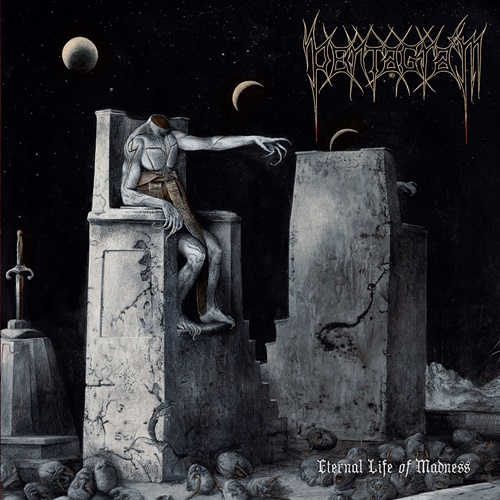
Chatting with Anton Reisenegger (Brujeria, Criminal, Lock Up) of his band Pentagram Chile was a pleasure, because it allowed me to retrace the long career of one of the founders of South American metal and to satisfy some curiosities about the new album “Eternal Life of Madness” (Listenable Records) and about the band from Santiago.
Anton, welcome to the interview with Il Raglio del Mulo. How did 2024 start for you?
Pretty busy. We were contacted at the last minute to play on the 70,000 Tons cruise and they wanted us to play some of the new material, so we had to prepare for that in a very short time. Then I went to Brazil to play a couple shows with Brujeria, and now I’m gearing up for the release of the new album and a short tour of Chile to promote it.
Would you like to take a trip back in time and go back to 1985, the year Pentagram was born? What memories do you have of those days?
It was just the start, back then we didn’t really now what we were doing, we just wanted to emulate our heroes in Venom and Slayer, the songs were very simple and primitive, but it all was a lot of fun.
1987 the band releases the 7″ Fatal Prediction / Demoniac Possession” via Chainsaw Murder. What did you feel at that moment? Did you feel at a turning point in your career?
Yeah, I mean we were already doing pretty well in Chile, more and mopre people were coming to our shows, and our demos were getting great reviewsin fanzines worldwide, but getting the attention of a European label seemed like a totally different level for us.
What went wrong?
A few things. First of all, I went to Brazil and signed the first contract I got offered, when I should have waited to see what options we really had. Secondly, I felt that some of the band members were losing interest in this kind of music and wanted to do something more easily accessible and commercial. Thirdly, there were some personal problems within the band involving a certain female. And, ñast but not least, we got tired of audiences spitting at us when we were playing, which unfortunately was comm,on practice in the 80s. So I guess it was a mix of inexperience, naiveté and plain stupidity.
In 2012 you changed your name from Pentagram to Pentagram Chile. Have you had any legal problems with the American band of the same name? How much did changing your moniker affect you?
We changed it kind of preemptively, so we would avoid legal trouble before it even started. But also because there was some confusion at some shows in Europe, where fans turned up expecting Bobby Liebling and Co. but got us instead. I don’t think it has affected us at all, our fans know who we are and I don’t think they care too much.
Finally in 2013 the first official full length, “Malefice” was released, do you often listen to that album? Are you still satisfied with the result obtained?
I don’t listen to it very often to be honest, but I’m still satisfied with it, although I like our new one much better.
Why did it take 11 years after the release of “The Malefice” to be able to listen to a new Pentagram Chile album?
We actually started writing songs around five or six years ago, but it wasn’t a very expedited process, and it got stalled when the pandemic hit, which in hindsight turned out to be like a blessing in disguise, because it gave me time to actually st down and work on the songs. But then the recording took a while, too, so yeah, it took much longer than we would have wanted.
Would you like to introduce the current line up?
The current line-up is comprised of JP Donoso on drums, who is also the drummer and band leader in another old-school Chilean death metal called Sadism. On bass we have JF Cueto, who used to play with me in a band called Criminal. And then we have the two original members, JP Uribe on lead guitar and myself on lead guitar and vocals.
What are the main differences between “the Malifice” and “Eternal Life of Madness”?
I think, without losing a certain complexity, the songs kinda flow better, they are more straight forward. And also the sound is more natural and organic.
Was the songwriting process challenging or did the inspiration come spontaneously?
Well, I was actually working on a new Lock Up album which came out in 2022 called “The Dregs of Hades” when I kept coming up with riffs that to me sounded more like Pentagram. So I put those aside in a folder and they started piling upuntil I noticed I had nearly enough material for an album.
Do you already have any dates scheduled? Will we see you here in Europe?
Yes, we will be playing a few shows in Chile next week, finishing with a support slot for Carcass. And in July we’ll go to Europe for a couple festivals and some club shows, and I can tell you we’ll be playing in Italy as well, July 19th at the Freakout Club in Bologna and July 20th at Centrale Rock Pub in Como!
I thank you for your availability and I close this pleasant chat by solving a curiosity of mine: here in Italy Inti-Illimani are very famous, are you a fan?
Not really. There is a band which fuses that kind of Andean folklore with rock music called Los Jaivas and I realy like them. There might even be a little influence of theirs in Pentagram.
 Il Raglio del Mulo