
ENGLISH VERSION BELOW: PLEASE, SCROLL DOWN!
Norvegese multi-strumentista, compositore e produttore, Morten Veland è una delle figure più influenti nella scena gothic e symphonic metal. Attivo da oltre venticinque anni, ha raggiunto il riconoscimento internazionale come membro fondatore dei Tristania, contribuendo al successo iniziale della band e definendone lo stile. Dopo l’uscita, ha creato Sirenia, trasformando il progetto in una creatura di fama mondiale e facendo della musica la sua professione a tempo pieno. Con Mortemia, Veland ha scelto la completa indipendenza — occupandosi di composizione, performance, produzione e gestione dell’etichetta — continuando a esplorare atmosfere oscure e collaborazioni ambiziose.
Ciao Morten, è un piacere farti qualche domanda! Sei attivo nella scena da più di venticinque anni e hai creato progetti importanti come Tristania, Sirenia e Mortemia. Guardando indietro, quali consideri i momenti più importanti della tua carriera?
Se guardo indietro, fondare i Tristania è stato l’inizio di tutto, quindi è sicuramente uno dei momenti più importanti. Con i Sirenia sono riuscito a portare la mia musica al livello successivo e a trasformarla in un lavoro a tempo pieno. Aprire il mio studio è stata un’altra scelta molto importante, perché mi ha permesso di lavorare in modo più efficace e di esprimermi al massimo musicalmente. Riprendere il progetto Mortemia è stato un altro momento fondamentale, insieme all’avviare la mia etichetta.
Dopo i Tristania, hai deciso di fondare i Sirenia. Cosa ti ha spinto a voltare pagina e iniziare un nuovo percorso musicale?
Fermarmi con la musica non è mai stata un’opzione per me, sarò sempre coinvolto in un modo o nell’altro. È la mia passione da sempre, fin da quando ero piccolo passavo ore ad ascoltare musica. A 14 anni ho comprato la mia prima chitarra elettrica e da lì non mi sono più fermato. Ho avuto la fortuna di lavorare a tempo pieno con la musica per circa 20 anni e intendo continuare finché avrò questa passione e devozione.
Poi è arrivato Mortemia, un progetto completamente solista. Cosa ti ha spinto a prendere il controllo totale, dalla scrittura alla produzione?
Ho sempre cercato di imparare cose nuove e migliorarmi. Potermi occupare di tutto mi dà una libertà artistica totale e non dipendo più dall’aiuto o dai tempi di altre persone. Ho notato che questo ha aumentato molto la mia produttività e ha anche ridotto lo stress dovuto a mille scadenze impossibili. A questo punto della mia carriera posso davvero godermi il percorso su un livello completamente diverso.
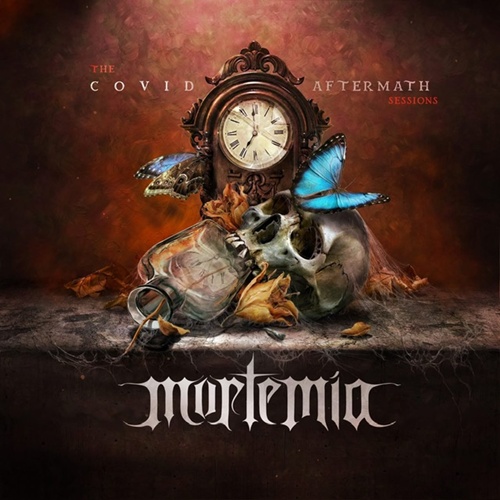
Le “Pandemic Pandemonium Sessions” e le “Covid Aftermath Sessions” sono state una sorpresa: ogni brano ha una vocalist diversa da paesi e scene differenti. Come è nata l’idea di un format così unico?
È stata un’esperienza fantastica con i Mortemia negli ultimi anni, lavorando con amici e colleghi e anche scoprendo nuove cantanti e musicisti. L’idea di rilanciare Mortemia con un nuovo concept mi è venuta in mente durante il Covid. Quando sono scoppiate le restrizioni e i viaggi erano bloccati, improvvisamente avevo molto tempo libero. Fino a quel momento non riuscivo a trovare spazio per Mortemia, perché Sirenia occupava la maggior parte del mio tempo. Durante la pandemia ho potuto fare tante cose che volevo da tempo: aggiornare lo studio, studiare più audio engineering e avviare la mia etichetta.
Immagino che lavorare con così tante cantanti diverse non sia sempre facile. Quanto adatti i tuoi brani al loro stile vocale?
Faccio il contrario, scrivo la canzone e poi scelgo la cantante che secondo me calza perfettamente su quel pezzo. Finora ha funzionato benissimo. Avere il privilegio di lavorare con cantanti internazionali incredibili rende il mio lavoro facile e piacevole.
Alcune delle “Covid Aftermath Sessions” sono cover di canzoni pop o mainstream, rivisitate in chiave gotica. Cosa ti ha spinto a reinterpretarle?
A questo punto della mia carriera ho scritto e composto tantissime canzoni, quindi mi è sembrata una bella variazione. Prendere alcune delle mie canzoni preferite e farle a modo mio è stato un progetto molto bello e divertente, una vera boccata d’aria fresca. Mi piace anche scegliere pezzi di generi diversi, perché posso cambiare tanto negli arrangiamenti. In questo modo riesco a restare creativo, anche lavorando su cover.
Hai sempre prodotto la tua musica a casa, occupandoti di tutto: strumenti, voce, mix. Cosa ti affascina di più dello studio? È lì che ti senti più a tuo agio?
Sì, assolutamente. Sono sempre stato affascinato da tutto il processo della musica, dall’idea iniziale fino al prodotto finito. Partecipare a tutto questo lo rende molto più interessante per me. Ci sono pochi posti dove mi sento a casa come nel mio studio. Lì ho tutto ciò di cui ho bisogno e per me è il posto migliore in cui lavorare. Potrei avere bisogno di più spazio, ma a parte questo non ho nulla da lamentarmi.
Parlando di session digitali: pensi che progetti come le “Pandemic Pandemonium Sessions” o le “Covid Aftermath Sessions” sarebbero stati possibili prima dell’era digitale, prima dello streaming e della musica digitale? Quanto ha influito il contesto digitale sul loro sviluppo?
No, prima dell’era digitale sarebbe sembrato un compito futuristico e impossibile. All’inizio della mia carriera non avrei mai sognato possibilità del genere. È sicuramente una delle cose positive che l’era digitale ha portato ai musicisti. Anche gestire una propria etichetta sembrava un’impresa enorme, prima avresti avuto bisogno di un grande team per avere tempo per tutto.
In generale, cosa pensi delle nuove tecnologie musicali? Ti incuriosiscono cose come l’intelligenza artificiale o le affronti con cautela?
Non ho ancora usato l’IA, non so bene cosa pensare al momento. Ma un’IA che scrive e suona tutta la musica non ha molto senso per me, a quel punto il senso del musicista si perde. Per ora sono felice di scrivere, comporre, suonare e produrre la mia musica, oltre a riorganizzare e registrare alcune cover. Sarà interessante vedere dove ci porterà l’IA, ma al momento mi preoccupa un po’.
Tornando ai tuoi gusti personali: ci sono artisti o generi musicali — anche lontani dal metal — che ti ispirano oggi?
Sì, e lo è sempre stato. Ho sempre ascoltato musica in tutte le forme e generi. Non mi piace limitarmi: la musica bella si trova in ogni genere, basta cercare un po’. Posso ascoltare classica, pop (soprattutto anni ’70 e ’80), musica latina, ambient, cinematica, blues, rock classico e così via.
I fan spesso chiedono se queste session digitali usciranno anche in formato fisico, tipo CD o vinile. Hai mai pensato a una pubblicazione tradizionale?
Mortemia sta crescendo abbastanza costantemente, quindi c’è una buona possibilità che in futuro faccia anche uscite fisiche. È qualcosa che tengo a mente. Se Mortemia fosse stato un progetto da live, l’avrei fatto sicuramente molto prima.
Parlando del futuro: hai già in programma una nuova serie di brani o un album completo di Mortemia?
Al momento sto lavorando a “The Cover Collab Sessions”, un album con 12 cover, ognuna con una cantante diversa. Il 10 ottobre pubblicato la terza, “Wicked Game”, con Leah alla voce. Quindi invito tutti i miei fan a dargli un ascolto.
Norwegian multi-instrumentalist, composer, and producer Morten Veland is one of the most influential figures in the gothic and symphonic metal scene. Active for more than twenty-five years, he first gained international recognition as a founding member of Tristania, contributing to the band’s early success and pioneering style. After departing, he created Sirenia, transforming the project into a long-running global presence and making music his full-time profession. With Mortemia, Veland embraced complete independence — taking on songwriting, performance, production, and label management — while continuing to explore dark atmospheres and ambitious collaborations.
Hi Morten, it’s a pleasure to ask you a few questions! You’ve been active on the scene for over twenty-five years and have created key projects like Tristania, Sirenia, and Mortemia. Looking back, what do you consider the most important moments in your career?
Looking back at my career, forming Tristania was what got it all started, so that was definitely one of the more important moments. With Sirenia I was able to take it to the next level and turn my music into a full-time job. Starting my own studio has also been a very important decision for me, as it has allowed me to work more effectively and be able to express myself to the fullest musically. Restarting my Mortemia project was also a very important moment in my career, along with starting my own label.
After your time with Tristania, you decided to start Sirenia. What pushed you to turn the page and begin a new musical path?
Stopping with music was never an option for me, I will always stay involved with music on one level or another. It has been my passion for as long as I can remember, I’ve always spent a lot of time listening to music since I was a little kid. At age 14 I bought my first electric guitar, and since then I never looked back. I’ve been lucky enough to work with music full-time for about 20 years now, and I intend to keep on going for as long as I feel this passion and devotion towards music.
Then came Mortemia, a completely solo project. What led you to take full control over everything, from songwriting to production?
I have always strived towards learning new things, and to improve myself. Being able to take care of all the tasks in the chain gives me full artistic freedom, and I am no longer dependent on other people’s help and their time. I find that it has really increased my productivity a lot, and also reduced the stress level that comes with countless merciless deadlines etc. At this point in my career I am able to really enjoy the journey on a whole different level.
The “Pandemic Pandemonium Sessions” and “Covid Aftermath Sessions” were quite a surprise: each track featured a different female vocalist from various countries and scenes. How did the idea for such a unique format come about?
It has been an amazing journey with Mortemia over the last years, working with friends and colleagues in music, and also getting in touch with new singers and musicians. The idea of reviving Mortemia with a new concept came to mind during Covid. As Covid broke out and all the travel restrictions etc. came into being, I all of a sudden had a lot of time on my hands. The problem up to this point was that I did not really find time for Mortemia, as Sirenia took up most of my time. So during the pandemic I found time to do a lot of things that I wanted to do for some time. Also upgrading my studio, studying more audio engineering and starting my own label were done during this time.
I imagine working with so many different singers isn’t always easy. How much do you adapt your writing to fit their vocal style?
I do it the opposite way, I just write the song and then I pick the singer that I feel will fit perfectly to each song. So far that has turned out to be a great way of working. Having the privilege to work with such amazing international singers also makes my job very easy and enjoyable.
Some of the “Covid Aftermath Sessions” are covers of pop or mainstream songs, reimagined in a gothic key. What inspired you to reinterpret those songs and show them in a new light?
At this point in my career I have written and composed so many songs, so I thought it would be great with some variation. Picking some of my favourite songs and making my own versions of them has been a very nice and enjoyable project. It feels like a breath of fresh air. I also enjoy picking songs from different genres, because then I have the possibility to do lots of changes with the arrangements etc. In this way I can still keep things creative, even if I work on cover songs.
You’ve always produced your music at home, handling everything: instruments, vocals, mixing. What fascinates you most about working in the studio? Is that where you feel most at ease?
Yes, definitely. I have always been fascinated about the whole process of making music, from the first ideas of a song and all the way until the finished product. Being a part of that whole process also makes it so much more interesting for me on every level. There are few places where I feel as much at home as in my studio. There I got everything that I need, and for me it’s the best place I could possibly work. I could use some more space at this point, but apart from that I have no complaints at all.
Speaking of digital sessions: do you think projects like “Pandemic Pandemonium Sessions” or “Covid Aftermath Sessions” would have been possible in a pre-digital era, before the rise of streaming and digital music? How much did the digital context influence their development?
No, before the digital era this seemed like a futuristic and impossible task. I never even dreamed of possibilities like this in the start of my career. So this is definitely one of the very positive things that the digital era has offered to us musicians. Also running my own label seemed like an overwhelming task back in the day, at least you would need a big team with you in order to have time for everything.
More generally, what’s your take on new music technologies? Are you curious about things like artificial intelligence, or do you approach them with caution?
I have not used AI yet, I’m not really sure what to make of it as of now. But with AI that basically writes and performs the entire music does not make much sense to me, then the whole point seems to be lost from a musician’s point of view. For now I am happy to write, compose, perform and produce my own music, in addition to re-arranging and re-recording some cover songs etc. It will be interesting to see where this AI takes us, but it seems a bit worrying at this point.
Going back to your personal tastes: are there any artists or music genres — maybe even far from metal — that inspire you today?
Yes, there is, and there always has been. I have always been listening to music in all its forms and genres. I don’t like to limit myself in that sense, beautiful music can be found in every genre with a bit of determined search. I can listen to classical, pop music (especially from the seventies and eighties), Latin music, ambient music, cinematic music, blues, classic rock etc.
Fans often ask if those digital sessions will ever be released in a physical format, like CD or vinyl. Have you ever thought about putting everything together in a traditional release?
Mortemia seems to be growing quite steadily, so there’s a big possibility that I will make the physical releases down the road too. It’s definitely something that I keep in mind. If Mortemia was a touring project I would have done it much earlier for sure.
Speaking of the future: do you already have plans for a new series of tracks or maybe a full-length Mortemia album?
Right now I am working on “The Cover Collab Sessions”, which is an album consisting of 12 cover songs, featuring 12 different session singers. On 10th October I released the third song, “Wicked Game” featuring Leah on vocals. So I’d like to encourage all my fans to check it out.
 Il Raglio del Mulo