
ENGLISH VERSION BELOW: PLEASE, SCROLL DOWN!
Gli A Tear Beyond tornano con “Afterthought”, un nuovo capitolo nel loro percorso musicale e concettuale. Dopo lavori come “Beyond”, “Maze of Antipodes” e “Humanitales”, la band approfondisce il proprio sound gothic/industrial senza perdere i tratti distintivi che ne hanno definito l’identità. In questa intervista, Cance e Claude che ci hanno illustrato la genesi dell’album e approfondito i temi legati all’immaginario simbolico della band.
Benvenuti su queste pagine! “Afterthought” viene presentato come un nuovo passo evolutivo nel percorso dei A Tear Beyond, sia a livello sonoro che concettuale, dopo lavori molto apprezzati come “Beyond”, “Maze of Antipodes” e “Humanitales”. In che modo questo album segna una svolta per la band, e quali sono stati i punti fermi che avete voluto mantenere nella vostra identità gothic/industrial?
Cance: La maggior parte delle canzoni che compongono “Afterthought” sono nate e cresciute nel 2020, che, come ben sappiamo, è stato il primo anno tristemente segnato dalla pandemia di Coronavirus. Il lockdown e le varie restrizioni ci hanno portati a elaborare un nuovo metodo per la composizione, basato essenzialmente sull’home recording e sullo scambio online del materiale, che sono andati necessariamente a sostituire le massicce sessioni di composizione in studio che hanno caratterizzato i precedenti lavori. L’intenzione nostra era quella di non perdere quella cooperatività che ha sempre segnato la stesura di ogni brano della nostra discografia. Quindi, seppur a distanza, abbiamo cercato di far sì che ognuno potesse dire la sua, così da sviluppare comunque tutti insieme le varie idee. A livello prettamente sonoro c’è stato un ritorno a una dimensione più gotica, cercando comunque di non perdere la vena sperimentale portata in auge con “Humanitales”.
Il nuovo album prende forma anche attraverso una serie di singoli e lyric video: “A Sad Old Story”, “Unravel”, “End This Farce”, fino ad arrivare al videoclip di “Deliverance”. Come avete pensato la sequenza di questi brani e video in relazione al racconto emotivo complessivo di “Afterthought”?
Cance: In realtà “Afterthought” è un concept album che parte da una storia ambientata nel presente e che finisce per trovare il suo culmine narrativo nell’incontro con il passato. L’idea era quella di usare un sistema più moderno e diretto, come può essere quello dei lyric video (creati ad hoc dal videomaker svedese Martin Wrigsjo), per narrare la storia ambientata ai giorni d’oggi, per poi sfociare nel “classico” videoclip (realizzato da Michele Piazza con la collaborazione di Simone Bressello) per la grande chiusura, in cui presente e passato arrivano finalmente a scontrarsi.
“Deliverance (The Forgiveness Saga – Ending Act)” rappresenta la chiusura di un viaggio iniziato con “Forgiveness” e proseguito con “Sentence”. Che legame c’è tra la struttura di “Afterthought” e questo epilogo della Forgiveness Saga, sia dal punto di vista narrativo che da quello musicale?
Claude: Avevamo la necessità di concludere con “Deliverance” la Forgiveness Saga, ma avevo già iniziato a concepire la costruzione narrativa del nuovo album, che sarebbe diventato “Afterthought”, inserendo quello che avevamo indicato e composto apposta per essere l’ending act della saga. Mi sono ritrovato in mano un concept album con un pezzo, che ancora non era “Deliverance”, che avrebbe dovuto essere collegato a tutt’altro, e mi è venuta l’idea di costruire la narrazione di “Afterthought” con un finale che fosse comune con quello della saga. Ed è così che è nata la storia ambientata ai giorni nostri che si intreccia con quella del passato. C’è da notare una cosa importante: la saga, nella stesura originale, non aveva un finale “positivo”, ma il tempo, l’esperienza e la vita mi hanno fatto cambiare idea e sono salito sul treno del cambiamento, partorendo appunto questo finale. Musicalmente, invece, il legame è fortemente sentito in “Deliverance” con il resto della saga. Il disco intero si è probabilmente nutrito di questo ambiente, ricollegandosi a questa nuova storia d’amore e dolore e prendendone i tratti. Per il resto abbiamo cercato comunque di mantenere le nostre caratteristiche di ambiente sonoro, come in “Reflection”, che sposa melodie orientali, legandosi all’amata Venezia, ed elettronica alla nostra maniera.
Nel vostro statement spiegate di voler raccontare, con “Deliverance”, l’emozionale confusione di uomini e donne sottoposti a forze abissali, e come un atto di male generi altro male finché non interviene un enorme sforzo verso il Bene. In che modo queste tematiche di colpa, coscienza e perdono hanno influenzato la scrittura dei testi e delle musiche dell’intero “Afterthought”?
Claude: Riallacciandoci alla domanda precedente, e come in ogni nostra produzione, musica, concetti e testi sono molto legati tra loro. In questo specifico caso, vista anche la necessità di fare home recording, la cosa ha richiesto uno sforzo ulteriore per riuscire a “capirci” tra di noi. Direi che la buona riuscita di tutto renda onore, per l’ennesima volta, al fortissimo legame musicale ed emotivo che c’è tra di noi negli A Tear Beyond. Il confronto e le nostre esperienze di vita, mescolate nel grande calderone, ci offrono sempre un prodotto raffinato, da cui estrarre ogni colore e sapore emotivo che inseriamo nei nostri pezzi.
A Tear Beyond viene descritta come un’entità fisica e spirituale, teatrale e musicale, sospesa tra maschera e volto, fatta di simboli come la Rosa, la Bilancia, il Fuoco, il Vino e il Tarocco del Folle. Come si riflette questo immaginario simbolico nelle canzoni di “Afterthought” e nel mondo visivo costruito attorno alla Forgiveness Saga e a “Deliverance”?
Claude: Tutto quello a cui fai riferimento trova in realtà un riscontro nelle persone che siamo, nei personaggi che interpretiamo e negli artisti che danno vita alle nostre produzioni. In modo indiretto tutto questo influenza ciò che percepisce l’utente finale, “Afterthought” compreso, perché non possiamo staccarci dai nostri elementi, accuratamente scelti in origine attraverso un lavoro di introspezione. Siamo una famiglia e ognuno di noi mette il suo ingrediente speciale in quello che facciamo. Anche con i cambi di musicisti che abbiamo dovuto affrontare, abbiamo sempre avuto la fortuna di trovare nuove anime sensibili a tutto ciò.
Nel videoclip di “Deliverance” tornate a collaborare con Michele Piazza, insieme a Kristian Anderson Cosplay e a un team tecnico molto coinvolto. In cosa questa nuova produzione rappresenta un passo avanti rispetto ai precedenti capitoli della saga, sia dal punto di vista registico che da quello performativo?
Claude: I passi avanti credo siano stati fatti soprattutto nella prontezza con cui abbiamo affrontato ogni scelta di stile, registica e performativa, più che nel risultato finale, che è coerente con il resto della saga. L’esperienza è stata centrale, sia per noi che per tutto lo staff, che aveva già partecipato e conosceva bene il proprio ruolo. Faccio un grandissimo complimento ai due ragazzi che hanno interpretato questi giovani amanti del presente, Ambra e Alessandro, che si sono trovati catapultati in un ruolo compreso immediatamente e reso in modo impeccabile, esattamente come lo avevo immaginato. Questa capacità di gestione e di trasmissione dell’emozione necessaria al personaggio è stato probabilmente il passo avanti più grande da parte nostra, e una splendida conferma da parte loro. Tutto è gestito internamente: niente attori di spicco o grande esperienza, solo tantissima passione e una spruzzata di talento.
La dimensione live è centrale per gli A Tear Beyond: costumi, performer, intermezzi teatrali, luci, scenografie e maschere veneziane trasformano il concerto in uno show a trecentosessanta gradi. Come immaginate di portare sul palco il mondo di “Afterthought” e dell’intera Forgiveness Saga, e che tipo di evoluzione volete proporre rispetto ai vostri tour precedenti?
Claude: La trasposizione live di “Afterthought”, intesa come spettacolo, è ancora in fase di perfezionamento, perché abbiamo concentrato tutte le energie nella gestione mastodontica del video di “Deliverance”. Le idee però ci sono, e vi invitiamo a scoprirle direttamente ai prossimi live. Da notare che i nostri concerti sono completamente automatizzati, sia per quanto riguarda le sequenze sia per lo spettacolo di luci e fumo, ed è tutto gestito da noi, in particolare da Skano. Questo serve anche a far capire come l’essere umano, noi e i nostri performer, sia ben allenato a muoversi sul palco insieme a questi automatismi.
Nel vostro percorso live c’è stato anche il palco condiviso con i Nightwish al Romexpo di Bucarest. C’è qualche aneddoto legato a quella serata, o a uno dei grandi festival a cui avete partecipato, che col senno di poi sentite abbia cambiato il vostro modo di vivere la dimensione live?
Cance: Trovarsi a suonare davanti a migliaia di persone non è qualcosa di quotidiano per una realtà come la nostra, e l’emozione di quell’esperienza resta impressa per tutta la vita. Durante il live abbiamo dovuto affrontare un piccolo inconveniente tecnico, durato pochi secondi, ma che in quel momento ci è sembrato interminabile. Il calore e la spinta del pubblico ci hanno aiutati a riprendere subito il controllo e a chiudere il concerto con ancora più grinta e determinazione. Anche quell’episodio ci ha fatto crescere a livello professionale, soprattutto nella gestione degli imprevisti che possono sempre capitare durante uno show.
Tra maschere, simboli e scelte scenografiche che caratterizzano i vostri show, c’è un elemento visivo o teatrale nato quasi per caso, o da un episodio curioso dietro le quinte, che è poi diventato irrinunciabile nell’immaginario di A Tear Beyond?
Cance: Senza dubbio il sodalizio artistico con Morgana e Yuna. Con Morgana, non avendo più la possibilità di collaborare stabilmente con le performer dei primi spettacoli, le abbiamo chiesto di aiutarci per qualche data. Da lì non ci siamo praticamente più separati e ci ha accompagnati in quasi tutti gli show, partecipando attivamente anche alla realizzazione degli spettacoli e dei costumi di scena. Con Yuna, invece, abbiamo iniziato a collaborare durante le registrazioni di “Maze of Antipodes” e, nello stesso periodo, abbiamo condiviso il palco con la sua band di allora, i Last Will. La sua presenza come guest è diventata sempre più preziosa, fino a diventare una presenza fissa nei nostri lavori in studio, in molte esibizioni dal vivo e nella maggior parte dei videoclip. Oltre al feeling artistico, la grande amicizia che ci lega a loro è un valore aggiunto, ed è impossibile parlare degli A Tear Beyond senza chiamarle in causa.
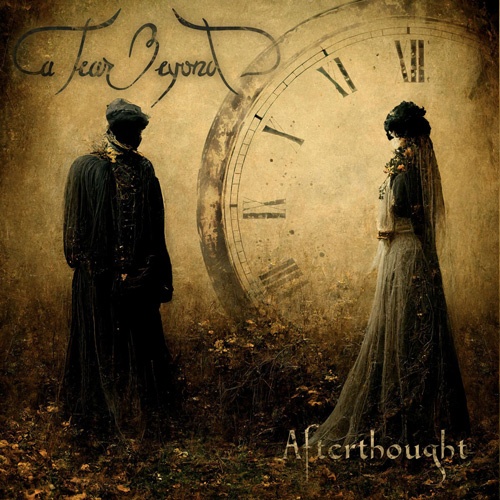
A Tear Beyond are back with “Afterthought”, a new chapter in their musical and conceptual journey. Following releases like “Beyond”, “Maze of Antipodes”, and “Humanitales”, the band dives deeper into their gothic/industrial sound without losing the signature traits that define their identity. In this interview, Cance and Claude walked us through the making of the album and explored the themes tied to the band’s symbolic imagery.
Welcome to these pages! “Afterthought” marks a new evolutionary step for A Tear Beyond, both sonically and conceptually, following well-received works like “Beyond”, “Maze of Antipodes”, and “Humanitales”. How does this album represent a turning point for the band, and what key elements of your gothic/industrial identity did you want to preserve?
Cance: Most of the songs on “Afterthought” were born and developed in 2020, which, as we all know, was the first year sadly marked by the Coronavirus pandemic. Lockdowns and restrictions forced us to develop a new approach to composing, mainly based on home recording and online sharing of material, which had to replace the massive in-studio writing sessions that characterized our previous albums. Our goal was to not lose the cooperative spirit that’s always been at the heart of how we create each track. So, even at a distance, we made sure everyone could have their say, so we could develop the ideas together. Sonically, there’s a return to a more gothic dimension, while still keeping the experimental edge we explored with “Humanitales”.
The new album also comes with a series of singles and lyric videos: “A Sad Old Story”, “Unravel”, “End This Farce”, and the music video for “Deliverance”. How did you plan the sequence of these tracks and videos in relation to the overall emotional story of “Afterthought”?
Cance: Actually, “Afterthought” is a concept album that starts with a story set in the present and eventually reaches its narrative climax by connecting with the past. The idea was to use a more modern and direct format, like lyric videos (created by Swedish videomaker Martin Wrigsjo), to tell the story set in today’s world, then move into the “classic” music video (made by Michele Piazza with Simone Bressello) for the grand finale, where present and past finally collide.
“Deliverance (The Forgiveness Saga – Ending Act)” closes the journey that began with “Forgiveness” and continued with “Sentence”. What’s the link between the structure of “Afterthought” and this conclusion of the Forgiveness Saga, both narratively and musically?
Claude: We needed to conclude the Forgiveness Saga with “Deliverance”, but I had already started shaping the narrative of the new album, which would become “Afterthought”, incorporating what we had planned and written specifically to be the saga’s ending act. I found myself holding a concept album with a track, which wasn’t yet “Deliverance”, that needed to connect to something else, and the idea came to me to build “Afterthought”’s story with a finale that overlapped with the saga. That’s how the present-day story intertwined with the past came about. One important thing: originally, the saga didn’t have a “positive” ending, but time, experience, and life made me change my mind, and I hopped on the change train, giving us this ending. Musically, the link is very strong in “Deliverance”, connecting it to the rest of the saga. The whole album probably fed off this atmosphere, tying into this new story of love and pain and borrowing its traits. Beyond that, we still aimed to maintain our sonic identity, like in “Reflection”, which blends Eastern melodies inspired by our beloved Venice with electronics in our style.
In your statement, you mention wanting to tell with “Deliverance” the emotional confusion of men and women subjected to abyssal forces, and how one act of evil generates more evil until a great effort toward Good intervenes. How did these themes of guilt, conscience, and forgiveness influence the writing of lyrics and music across “Afterthought”?
Claude: Linking back to the previous question, as with all our productions, music, concepts, and lyrics are deeply intertwined. In this case, given the need for home recording, it took extra effort to really “get on the same page” with each other. I’d say that the success of the album once again honors the strong musical and emotional bond we share in A Tear Beyond. Our discussions and life experiences, mixed in the big melting pot, always produce a refined result, allowing us to extract every emotional color and flavor we insert into our songs.
A Tear Beyond is described as a physical and spiritual entity, theatrical and musical, suspended between mask and face, made of symbols like the Rose, the Scales, Fire, Wine, and the Fool Tarot. How is this symbolic imagery reflected in the songs on “Afterthought” and in the visual world built around the Forgiveness Saga and “Deliverance”?
Claude: Everything you mention really reflects who we are as people, the characters we play, and the artists bringing our work to life. Indirectly, this influences what the audience perceives, including on “Afterthought”, because we can’t separate ourselves from these elements, carefully chosen through introspection. We’re a family, and each of us contributes a special ingredient to what we do. Even with the lineup changes we’ve faced, we’ve always been lucky to find new souls who resonate with this vision.
In the “Deliverance” video, you reunite with Michele Piazza, along with Kristian Anderson Cosplay and a deeply involved technical team. How does this new production represent a step forward compared to previous chapters of the saga, both director-wise and performance-wise?
Claude: I think the real step forward was in how swiftly we handled each stylistic, directing, and performance choice, more than the final result, which is consistent with the rest of the saga. Experience was key, for us and the team, who already knew their roles. Huge props to the two actors playing these young lovers, Ambra and Alessandro, who were thrown into the roles and immediately got them, delivering exactly what I imagined. This ability to manage and convey the emotions needed for the characters was probably our biggest step forward, and a brilliant confirmation of their talent. Everything is handled internally, no big-name actors, just passion and a dash of talent.
The live dimension is central for A Tear Beyond, costumes, performers, theatrical interludes, lights, stage sets, and Venetian masks turn concerts into full 360-degree shows. How do you plan to bring the world of “Afterthought” and the entire Forgiveness Saga to the stage, and what kind of evolution are you aiming for compared to your previous tours?
Claude: The live adaptation of “Afterthought” as a show is still being perfected, as we’ve focused all our energy on the massive “Deliverance” video production. But the ideas are there, and we invite everyone to see them at upcoming shows. Worth noting: our concerts are fully automated, from sequences to lights and smoke, all managed by us, particularly Skano. This also shows how well-trained we, and our performers, are in moving on stage alongside these automations.
During your live journey, you shared the stage with Nightwish at Romexpo in Bucharest. Any stories from that night, or from other big festivals you’ve played, that in hindsight changed the way you experience live shows?
Cance: Playing in front of thousands of people isn’t everyday stuff for a band like ours, and the excitement of that experience sticks with you for life. During the show, we hit a small technical snag, just for a few seconds, but it felt endless in the moment. The energy and push from the audience helped us regain control immediately and finish the concert with even more determination. That incident also helped us grow professionally, especially in handling unforeseen situations during a show.
Among the masks, symbols, and stage choices defining your shows, is there a visual or theatrical element that started almost by accident, or from a funny backstage story, which then became essential in the A Tear Beyond imagery?
Cance: Definitely the artistic partnership with Morgana and Yuna. With Morgana, since we could no longer collaborate steadily with performers from early shows, we asked her to help for a few dates. From there, we practically never parted ways, she’s been with us for almost all the shows, actively contributing to the performances and costume design. With Yuna, we started working together during “Maze of Antipodes” recordings, and around the same time shared a stage with her band, Last Will. Her presence as a guest became more and more valuable, eventually becoming a permanent fixture in our studio work, live shows, and most videos. Beyond the artistic connection, the strong friendship we have with them is an added value, it’s impossible to talk about A Tear Beyond without mentioning them.
 Il Raglio del Mulo