
ENGLISH VERSION BELOW: PLEASE, SCROLL DOWN!
Pubblicato da My Kingdom Music, “Ver Sacrum” vede i Dawn Of A Dark Age spingersi verso territori ancora più oscuri e ritualistici, fondendo avant-garde black metal e atmosfere folk arcaiche sotto la guida di Vittorio Sabelli. Il suono, diretto dal clarinetto, e l’ingresso alla voce di Ignazio Cuga (Brusiòre) dei Kre’U aggiungono profondità e pathos a un album ispirato ancora una volta all’eredità dei Sanniti. Un ascolto imprescindibile per i fan di Agalloch, Wolves In The Throne Room, Primordial, Saor e White Ward.
Ben ritrovato Vittorio, in passato hai definito i tuoi dischi come dei “periodi di vita” che si chiudono una volta finalizzati: con quale spirito ti sei approcciato a “Ver Sacrum” e senti che questo lavoro rappresenti una chiusura o un nuovo inizio per i Dawn Of A Dark Age, tenendo ben presente il significato simbolico del titolo?
Ciao Giuseppe e Raglio Del Mulo, e grazie per il costante interessamento ai miei progetti. Partirei col dire che ho approcciato “Ver Sacrum” nella maniera più naturale possibile, semplicemente con l’idea di scrivere un prologo alla trilogia composta da “La Tavola Osca”, “Le Forche Caudine” e “Transumanza”. Un ultimo tassello che chiude il cerchio de “La Tetralogia Della Memoria” e che descrive gli avvenimenti che hanno portato alla nascita della Nazione Sannita. Anche questa volta, come alla fine della saga degli “Elementi”, sono a un punto zero. Vedremo in futuro se ci sarà qualcosa di altrettanto stimolante per cui valga la pena dedicare forze, tempo ed energie.
Se ne “La Tavola Osca” e in “Le Forche Caudine 321 a.C. – 2021 d.C.” avevi preferito le lunghe distanze, con “Transumanza” hai intrapreso un cammino, confermato in questo nuovo disco, verso composizioni più brevi. Ora che hai sperimentato entrambe le strade, credi che la scelta di produrre opere così dense di riferimenti archeologici e storici si sposi meglio con i brani lunghi o con quelli più sintetici?
Quando scrivo un concept album cerco di portarlo avanti nella maniera più organica e naturale possibile. Quello che accomuna i quattro album è ciò che chiamo “visione aerea”, una sorta di copione cinematografico del quale so solo dove inizia e dove finisce la storia da narrare. Quello che accade al suo interno varia di volta in volta a seconda della direzione che prende l’album. Quindi posso dirti che entrambe le soluzioni sono state funzionali per quello che avevo in mente.
Il tema dei Sanniti torna a essere centrale attraverso il rito della Primavera Sacra: come sei riuscito a scavare ancora più a fondo nella storia dei tuoi antenati per tradurla in musica?
Mentre stavo missando “Transumanza” (che doveva essere l’ultimo album dell’iniziale trilogia), ho iniziato ad avvertire la sensazione che, seppur molto soddisfatto dei tre lavori, mancasse qualcosa. Quando ho capito che quel qualcosa era comprendere da dove nasceva tutto questo, ho iniziato a fare ricerche sul rituale della Primavera Sacra, considerando che molti argomenti contenuti in “Ver Sacrum” li avevo già affrontati precedentemente con i tanti studiosi con i quali mi sono confrontato per ottenere informazioni e fonti utili per gli altri album. Una volta iniziata la composizione dell’introduzione, la storia si è raccontata da sola, così come l’andamento musicale.
Hai dichiarato che cerchi sempre di isolarti dal resto del mondo quando scrivi, ma che le esperienze di vita si riflettono inevitabilmente sulla musica: in che modo l’oscurità e il pathos che permeano “Ver Sacrum” sono figli del tuo vissuto personale di questi ultimi anni?
Ancora oggi, quando entro in studio, cerco di lasciare fuori tutto il resto, sperando di trovare idee che mi permettano di aggiungere qualcosa di utile e convincente al progetto sul quale sto lavorando di volta in volta. Allo stesso tempo, però, è inevitabile che il nostro vissuto quotidiano non si rifletta, seppur minimamente, sulla musica.
Hai anche dichiarato spesso di non poter più scindere le tue anime jazz, classiche e metal: in questo nuovo album, in che modo l’uso del clarinetto si è evoluto per diventare ancora più oscuro e, come viene definito, “iconoclasta”?
In “Ver Sacrum” ho cercato nuove soluzioni con i miei fiati, non tanto dal punto di vista virtuosistico quanto da quello del colore e del timbro. Soprattutto, ho voluto stemperare questa “prima donna” del clarinetto con altri strumenti come violino, cello e organetto, per dare una sensazione più cameristica e folkloristica che solistica. Solo in un paio di punti avevo bisogno della “furia iconoclasta” del clarinetto senza alcun compromesso, e non ho potuto farne a meno.
In passato hai parlato di “tema e variazione” come metodo per spremere ogni potenzialità da un riff o da una melodia: come hai applicato questo concetto a un brano complesso come “Il Rito Della Consacrazione”?
Anche “Ver Sacrum” risente di questo modo di approcciare la composizione, dell’utilizzare pochi elementi ma sfruttandone al massimo le potenzialità. In particolare, ne “Il Rito Della Consacrazione” la sequenza di accordi dell’arpeggio iniziale resta immutata per l’intero brano e, se inizialmente aleggia tra un filone classico e quasi depressive, con il passare dei minuti evolve in un “quasi” post-doom black metal, con un continuo crescendo a strati, arricchito da innesti di voci, cori e vari strumenti, pur mantenendo sempre immutata la sequenza di accordi.
“Ver Sacrum” vede l’ingresso di Ignazio Cuga alla voce: considerando che per i capitoli precedenti avevi scelto collaboratori in base a colori specifici, cosa cercavi nel timbro di Ignazio per dare voce a questo rito di consacrazione?
Cercavo prima di tutto un legame con la Sardegna, che dai tempi di Nuoro Jazz, Time In Jazz e Cagliari Jazz è sempre stata un luogo che mi ha messo in contatto con persone splendide e musicisti meravigliosi. Anche questa volta non mi ha tradito, poiché cercavo un cantante che proseguisse il lavoro fatto da Emanuele Prandoni nei primi tre album, ma con una propria identità e personalità. Ignazio Cuga, mastermind dei Kre’U, è riuscito a dare ulteriore profondità al discorso, portando “Ver Sacrum” in una dimensione ritualistica e tribale molto forte, che ha caratterizzato l’album in maniera consistente.
In una precedente intervista avevi lasciato in stand-by l’idea di creare un ausilio visivo per le tue opere: con l’uscita di questo disco, hai finalmente trovato una chiave estetica o visiva che possa accompagnare la musica?
Ammetto di cercare di concentrarmi esclusivamente sulla musica, ma ho la fortuna di avere chi svolge questo lavoro per me, come Francesco Palumbo e i suoi fidati collaboratori. Posso solo fornire alcune indicazioni sull’andamento che vorrei per il video, affinché segua la storia narrata, affidandomi ciecamente a chi lo realizza e aspettando con curiosità il risultato finale.
Considerando la natura ciclica e narrativa del tuo progetto, dopo “Ver Sacrum” hai già in mente nuove rotte storiche da esplorare per il prossimo futuro?
Come detto in precedenza, “Ver Sacrum” chiude il cerchio della saga dedicata al Sannio e ai Sanniti. Al momento posso dirti che mi sto concentrando su Dawn Of A Dark Age in versione live. Questo è un passaggio molto importante, perché mette da parte il discorso one-man band e inaugura una nuova fase come vera e propria band. Per il resto, vedremo cosa il futuro ci riserverà.
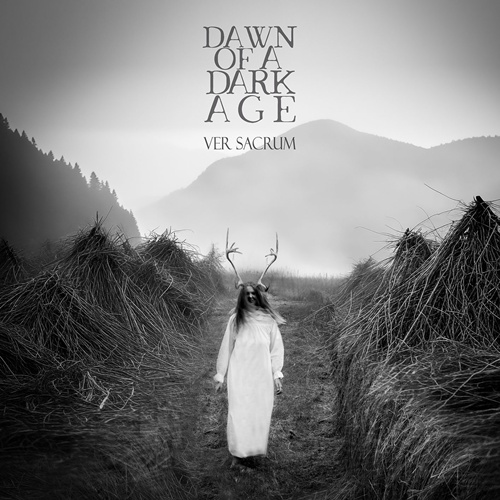
Released by My Kingdom Music, “Ver Sacrum” sees Dawn Of A Dark Age delve into darker, more ritualistic territory, blending avant-garde black metal with ancient folk atmospheres under the guidance of Vittorio Sabelli. The clarinet-driven sound and the addition of Ignazio Cuga (Brusiòre) of Kre’U on vocals add depth and pathos to an album once again inspired by the legacy of the Samnites. A must for fans of Agalloch, Wolves In The Throne Room, Primordial, Saor and White Ward.
Welcome back Vittorio. In the past you’ve described your albums as “periods of life” that come to an end once they’re completed. With what mindset did you approach “Ver Sacrum”, and do you feel this work represents a closure or a new beginning for Dawn Of A Dark Age, also considering the symbolic meaning of the title?
Hello Giuseppe and Raglio Del Mulo, and thank you for the constant interest in my projects. I’d start by saying that I approached “Ver Sacrum” in the most natural way possible, simply with the idea of writing a prologue to the trilogy made up of “La Tavola Osca”, “Le Forche Caudine” and “Transumanza”. A final piece that closes the circle of “La Tetralogia Della Memoria” and describes the events that led to the birth of the Samnite Nation. Once again, as at the end of the “Elements” saga, I find myself at a zero point. We’ll see in the future whether there will be something equally stimulating, something worth dedicating time, effort and energy to.
In “La Tavola Osca” and “Le Forche Caudine 321 B.C. – 2021 A.D.” you preferred long-distance compositions, while with “Transumanza” you embarked on a path—confirmed again on this new record—towards shorter songs. Now that you’ve explored both approaches, do you feel that works so dense with archaeological and historical references are better suited to long tracks or more concise ones?
When I write a concept album, I try to carry it forward in the most organic and natural way possible. What all four albums have in common is what I call an “aerial vision”, a sort of cinematic script in which I only know where the story begins and where it ends. What happens in between changes every time, depending on the direction the album takes. So I can say that both solutions have worked well for what I had in mind.
The theme of the Samnites once again takes center stage through the ritual of the Sacred Spring. How did you manage to dig even deeper into the history of your ancestors and translate it into music?
While I was mixing “Transumanza” (which was meant to be the final album of the original trilogy), I started to feel that, although I was very satisfied with the three works, something was missing. When I realized that what was missing was understanding where all of this originated from, I began researching the ritual of the Sacred Spring. Many of the themes explored in “Ver Sacrum” had already been addressed earlier through discussions with the many scholars I worked with to gather information and sources for the previous albums. Once I began composing the introduction, the story started to tell itself, and the musical flow followed naturally.
You’ve said that you always try to isolate yourself from the rest of the world when writing, yet life experiences inevitably find their way into the music. In what way are the darkness and pathos that permeate “Ver Sacrum” shaped by your personal experiences over the past few years?
Even today, when I enter the studio, I try to leave everything else outside, hoping to find ideas that allow me to add something meaningful and convincing to the project I’m working on at that moment. At the same time, it’s inevitable that our day-to-day experiences don’t somehow seep into the music, even if only minimally.
You’ve often stated that you can no longer separate your jazz, classical and metal identities. On this new album, how has the use of the clarinet evolved to become even darker and, as it has been described, “iconoclastic”?
On “Ver Sacrum” I looked for new solutions with my wind instruments, not so much from a virtuosic standpoint, but in terms of color and timbre. Above all, I wanted to temper this “prima donna” role of the clarinet by blending it with other instruments such as violin, cello and accordion, in order to achieve a more chamber-like and folkloric feel rather than a purely soloistic one. Only in a couple of moments did I need the clarinet’s “iconoclastic fury” without compromise, and there I simply couldn’t do without it.
In the past you’ve spoken about “theme and variation” as a method to extract every possible potential from a riff or a melody. How did you apply this concept to a complex track like “Il Rito Della Consacrazione”?
“Ver Sacrum” also reflects this compositional approach: using very few elements but exploiting their full potential. In particular, in “Il Rito Della Consacrazione” the chord sequence of the opening arpeggio remains unchanged throughout the entire track. While at first it hovers between a classical vein and an almost depressive atmosphere, as the minutes pass it evolves into an almost post-doom black metal form, with a continuous, layered crescendo enriched by vocal lines, choirs and various instruments, while the chord sequence itself remains completely unchanged.
“Ver Sacrum” marks the introduction of Ignazio Cuga on vocals. Considering that for the previous chapters you chose collaborators based on very specific colors, what were you looking for in Ignazio’s voice to give form to this rite of consecration?
First and foremost, I was looking for a connection with Sardinia, which since the days of Nuoro Jazz, Time In Jazz and Cagliari Jazz has always been a place that put me in touch with wonderful people and extraordinary musicians. Once again, it didn’t disappoint me. I was searching for a singer who could continue the work done by Emanuele Prandoni on the first three albums, but with his own identity and personality. Ignazio Cuga, mastermind of Kre’U, managed to add further depth to the whole concept, bringing “Ver Sacrum” into a very strong ritualistic and tribal dimension, which ultimately shaped the album in a decisive way.
In a previous interview you mentioned leaving the idea of a visual counterpart to your works on stand-by. With the release of this album, have you finally found an aesthetic or visual key that can accompany the music?
I admit that I try to focus exclusively on the music, but I’m fortunate to have people who take care of that aspect for me, such as Francesco Palumbo and his trusted collaborators. I can only provide a few guidelines regarding the direction I’d like the video to take in order to follow the story being told, then I place complete trust in those who create it and wait with curiosity for the final result.
Given the cyclical and narrative nature of your project, after “Ver Sacrum” do you already have new historical paths in mind to explore in the near future?
As mentioned earlier, “Ver Sacrum” closes the circle of the saga dedicated to the Samnium and the Samnites. At the moment, I can tell you that I’m focusing on Dawn Of A Dark Age in a live setting. This is a very important step, because it sets aside the one-man band approach and marks the beginning of a new phase as a proper band. As for the rest, we’ll see what the future has in store.
 Il Raglio del Mulo