
ENGLISH VERSION BELOW: PLEASE, SCROLL DOWN!
Non tutte le band riescono a trasformare l’esperienza del palco in una materia viva da portare in studio. I Ponte Del Diavolo, invece, sembrano aver fatto proprio questo percorso negli ultimi anni, tra tour, festival internazionali e una crescita sonora sempre più definita. Il risultato è “De Venom Natura”, nuovo album pubblicato da Season Of Mist, un lavoro che amplia e raffina ulteriormente il loro immaginario oscuro e stratificato. Per parlarne abbiamo scambiato qualche parola con Kratom, Erba Del Diavolo e Abro, che ci hanno accompagnato tra visioni, influenze e retroscena creativi dietro il disco.
Bentornati su Il Raglio, siete reduci da un anno ricco, immagino, di soddisfazioni e aprite il 2026 con un album, “De Venom Natura”, straordinario. Quanto di quello che ascoltiamo nel disco è frutto di queste esperienze e dei riconoscimenti arrivati nel 2025, dopo due anni passati on the road in festival come Roadburn e Inferno?
Kratom: Direi molto. Suonare insieme così tanti show e aver modo di partecipare a dei festival così importanti ha migliorato l’alchimia compositiva interna della band, oltre a renderci più consapevoli dei nostri mezzi. Abbiamo anche lavorato molto sul suono cercando di riportare la dimensione live anche su disco.
Il titolo dell’album “De Venom Natura” e la traccia “Il Veleno Della Natura” suggeriscono che il veleno sia una componente essenziale dell’esistenza. Che ruolo gioca, in questo contesto, l’idea del diavolo come “ponte” tra la ratio e il desiderio citata nel testo?
Erba Del Diavolo: Non lo so. A volte quando sono in crisi con i testi guardo nelle pupille dilatate dei miei gatti (quando indossano gli occhi da sera) e ricevo telepaticamente informazioni da loro. Dovrei chiederglielo.
Nei testi di brani come “Every Tongue Has Its Thorns” e “Lunga Vita Alla Necrosi” emerge una visione della vita come “morte perpetua”. Questo concetto si riflette nel vostro processo creativo? Credete che l’artista debba, in qualche modo, “morire” ogni volta per poter dar vita a qualcosa di nuovo?
Kratom: La morte è parte integrante della vita stessa. È un ciclo infinito in cui ognuna alimenta l’altra. Ogni giorno può essere vissuto come una nuova morte che al tempo stesso dà luogo a nuova vita. Non è questione di dover soffrire, ma di movimento e trasformazione. La “morte” peggiore, anche a livello artistico, è quella che si manifesta a causa dell’immobilità e della paura del cambiamento.
L’album si chiude con “In The Flat Field”, un titolo che richiama le radici del post-punk. Quanto è importante per i Ponte Del Diavolo mantenere questo legame estetico pur continuando a evolvere e raffinare i propri confini musicali?
Kratom: La componente post-punk era presente fin dagli esordi, però in questo disco è sicuramente più riconoscibile in modo esplicito. I Bauhaus piacciono a tutti nella band e ci piaceva l’idea di dare una sorta di continuità con il disco precedente che terminava anch’esso con una cover.
Rimanendo in tema influenze, in “Spirit, Blood, Poison, Ferment!”, io ci sento una band che ho amato, i Mars Volta. È solo l’impressione di un amante tradito oppure è così?
Kratom: Personalmente non ho mai seguito i Mars Volta, mentre ai tempi ho amato gli At The Drive In, che ogni tanto ascolto ancora. Non posso parlare per tutti nella band per quello che riguarda i loro ascolti, però posso dirti che il nome Mars Volta non è mai venuto fuori né in fase di composizione, né quando ascoltiamo musica in tour insieme nel van.
Abro: Io all’epoca fui stregato dai primi due loro lavori. Magari indirettamente mi hanno influenzato, ma in effetti è un nome che non è mai uscito nelle nostre discussioni.
Una caratteristica distintiva del progetto è l’insolito setup con doppio basso che sostiene le chitarre ritmiche e un drumming dinamico. Come viene gestito tecnicamente questo equilibrio sonoro per ottenere un risultato così immersivo e carico di tensione?
Kratom: Come dici tu il setup è insolito e proprio per questo ti consente di esplorare nuovi modi di comporre. Ovviamente è tutto fuorché facile riuscire a mixare due bassi con le giuste frequenze. Su questo ci è stato di enorme aiuto Danilo Battocchio, che ci segue on the road e con cui abbiamo potuto modellare il giusto suono concerto dopo concerto. Non a caso è la stessa persona che abbiamo scelto per registrare questo disco e ne siamo enormemente soddisfatti. Anche la scelta delle parti da suonare è importante, come ad esempio capire quando è il caso di andare all’unisono e capire quando invece completarsi con riff diversi. Speriamo di poter continuare a migliorare sempre di più questa interazione.
All’interno del disco figurano diverse collaborazioni che arricchiscono il sound con strumenti insoliti come il trombone di Francesco Bucci, il clarinetto basso di Vittorio Sabelli, il theremin di Sergio Bertani o il supporto di Andrea L’Abbate e Gionata Potenti. In che modo avete lavorato con questi ospiti e come sono stati scelti per integrarsi nelle atmosfere di “De Venom Natura”?
Kratom: Ci piace poter collaborare con persone che stimiamo sia dal lato artistico che dal lato umano. In realtà praticamente tutti i pezzi del disco sono stati concepiti senza avere in mente l’aggiunta di un guest particolare. Suonando e ascoltando poi le versioni “demo” dei brani ci siamo fatti ispirare dai brani stessi e abbiamo cercato di valorizzare quello che secondo noi era il mood di ogni pezzo. Inoltre è molto interessante e stimolante vedere come un elemento esterno riesce ad integrarsi e ad aggiungere delle sfumature inattese alla composizione.
Lavorare con un’etichetta internazionale e prestigiosa come la Season Of Mist è un traguardo importante. Avere alle spalle una realtà di questo tipo vi ha permesso di accedere a maggiori risorse in studio per dare forma esattamente a ciò che avevate immaginato “su carta” per questo disco?
Kratom: Assolutamente sì. Avere un’etichetta come Season Of Mist ci ha permesso di dedicare più tempo ai dettagli e di poterci permettere qualche piccola spesa in più. Devo dire che le persone con cui collaboriamo nell’etichetta sono veramente appassionate di musica e questo ha reso anche più facile comunicare quello che volevamo ottenere.
Cosa dobbiamo aspettarci per i prossimi mesi? Ci sono già piani per un tour o date dal vivo dove potremo ascoltare l’impatto dei nuovi brani di “De Venom Natura” in sede live?
Kratom: Certamente. Il tour promozionale è appena iniziato e ci vedrà suonare sia in Italia che all’estero.
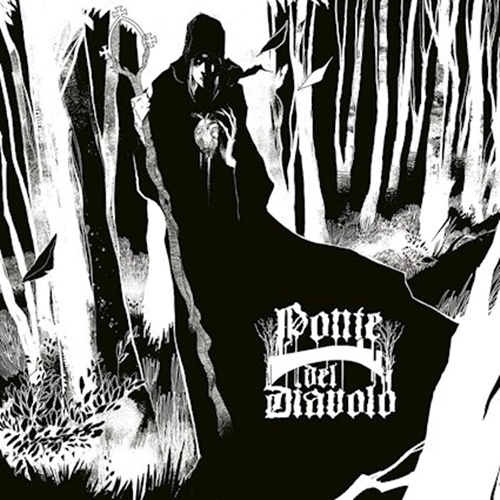
Not every band manages to turn the live experience into something alive and breathing once they hit the studio. Ponte Del Diavolo seem to have pulled exactly that off over the past few years, carving their path through relentless touring, major festivals, and a steadily evolving sound. The result is “De Venom Natura”, the new album released via Season Of Mist, a record that pushes their dark and layered aesthetic even further. We caught up with Kratom, Erba Del Diavolo, and Abro to dive into the visions, influences, and creative process behind the album.
Welcome back to Il Raglio. You’re coming off what must have been a very satisfying year, and you’re opening 2026 with an outstanding album, “De Venom Natura”. How much of what we hear on the record comes from those experiences and from the recognition you received in 2025, after two years on the road playing festivals like Roadburn and Inferno?
Kratom: I’d say a lot. Playing so many shows together and having the chance to take part in such important festivals really improved the band’s internal compositional chemistry, and it also made us more aware of our own potential. We also worked a lot on the sound, trying to bring that live dimension onto the record as well.
The album title “De Venom Natura” and the track “Il Veleno Della Natura” suggest that poison is an essential part of existence. In this context, what role does the idea of the devil as a “bridge” between reason and desire play in the lyrics?
Erba Del Diavolo: I don’t know. Sometimes when I’m stuck with lyrics I look into my cats’ dilated pupils (when they put on their evening eyes) and I receive telepathic information from them. I should probably ask them.
In songs like “Every Tongue Has Its Thorns” and “Lunga Vita Alla Necrosi”, a vision of life as a kind of “perpetual death” emerges. Does this concept reflect your creative process as well? Do you think an artist needs to “die” in some way every time in order to create something new?
Kratom: Death is an integral part of life itself. It’s an endless cycle where each feeds the other. Every day can be experienced like a new death that at the same time gives birth to new life. It’s not about having to suffer, but about movement and transformation. The worst kind of “death”, even artistically speaking, is the one that comes from immobility and fear of change.
The album closes with “In The Flat Field”, a title that recalls post-punk roots. How important is it for Ponte Del Diavolo to keep that aesthetic connection while still evolving and refining your musical boundaries?
Kratom: The post-punk component has been there since the very beginning, but on this record it’s definitely more clearly recognizable. Everyone in the band likes Bauhaus, and we liked the idea of creating a sort of continuity with the previous album, which also ended with a cover.
Speaking of influences, when I listen to “Spirit, Blood, Poison, Ferment!” I hear a band I loved: The Mars Volta. Is that just the impression of a betrayed fan or is there something to it?
Kratom: Personally I never really followed The Mars Volta, while back in the day I loved At The Drive In, which I still listen to from time to time. I can’t speak for everyone in the band about their listening habits, but I can tell you that the name Mars Volta never came up, neither during the writing process nor when we listen to music together in the van while touring.
Abro: Back then I was totally bewitched by their first two albums. Maybe they influenced me indirectly, but it’s true that their name never really came up in our discussions.
One of the distinctive features of the project is the unusual setup with two bass guitars supporting the rhythm guitars and a dynamic drumming style. From a technical standpoint, how do you manage that sonic balance to achieve such an immersive and tense result?
Kratom: As you said, the setup is unusual, and that’s exactly what allows you to explore new ways of composing. Obviously it’s anything but easy to mix two basses with the right frequencies. Danilo Battocchio helped us a lot with that — he follows us on the road and together we were able to shape the right live sound show after show. That’s also why we chose him to record this album, and we’re extremely happy with the result. Choosing what parts to play is also important — like understanding when it’s better to go in unison and when it’s better to complement each other with different riffs. We hope we can keep improving this interaction more and more.
The album also features several collaborations that enrich the sound with unusual instruments like Francesco Bucci’s trombone, Vittorio Sabelli’s bass clarinet, Sergio Bertani’s theremin, as well as the support of Andrea L’Abbate and Gionata Potenti. How did you work with these guests and how were they chosen to fit into the atmosphere of “De Venom Natura”?
Kratom: We like collaborating with people we respect both artistically and personally. Actually, almost all the songs on the album were conceived without having any specific guest in mind. While playing and listening back to the demo versions of the tracks, we let the songs themselves inspire us and tried to enhance what we felt was the mood of each piece. It’s also really interesting and stimulating to see how an external element can blend in and add unexpected nuances to the composition.
Working with an international and prestigious label like Season Of Mist is an important milestone. Did having a label like that behind you allow you to access more resources in the studio to shape exactly what you had imagined “on paper” for this album?
Kratom: Absolutely. Having a label like Season Of Mist allowed us to spend more time on details and also to afford a few extra expenses here and there. I have to say the people we work with at the label are truly passionate about music, and that made it easier to communicate what we wanted to achieve.
What should we expect in the coming months? Are there already plans for a tour or live shows where we can experience the impact of the new songs from “De Venom Natura” on stage?
Kratom: Definitely. The promotional tour has just started and will see us playing both in Italy and abroad.
 Il Raglio del Mulo