
ENGLISH VERSION BELOW: PLEASE, SCROLL DOWN!
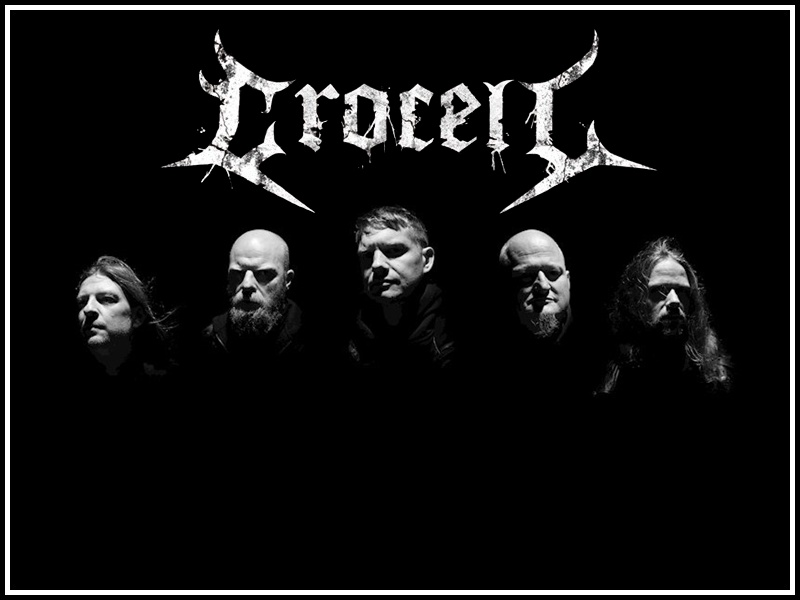
In un panorama estremo dove troppo spesso la brutalità viene confusa con la profondità, i Crocell continuano a seguire un percorso tutto loro. Nato tra perdita, trasformazione e una costante ricerca artistica, “Swarm Of Insects” è un viaggio nelle zone più oscure dell’animo umano, un disco che fonde ferocia, atmosfera e disperazione in un’unica massa sonora soffocante. In questa intervista, Andreas e Mads raccontano la genesi dell’album, il dolore per la scomparsa di Rasmus “Hexen” Henriksen, l’evoluzione della band e la volontà di spingersi sempre oltre i propri limiti. Pubblicato da Emanzipation Productions, “Swarm Of Insects” rappresenta uno dei capitoli più intensi e oscuri della storia dei Crocell.
Saluti e grazie per essere con noi su Il Raglio Del Mulo. Con “Swarm Of Insects”, i Crocell hanno realizzato un disco che appare oppressivo, violento e profondamente radicato nel caos dei nostri tempi. Prima di analizzarne i vari elementi, quale stato emotivo e concettuale ha dato vita a questo album?
Andreas: Siamo felici di avere questa opportunità e sono d’accordo con la tua descrizione dell’album. Anche se non si tratta di un concept album né di un lavoro concepito per trasmettere un preciso stato d’animo o un messaggio unitario attraverso tutti i brani e i testi, siamo ovviamente influenzati da ciò che accade intorno a noi. Sia a livello globale, con tutto quello che sta succedendo nel mondo, sia a livello più personale. “Swarm Of Insects” è il primo album scritto interamente con l’attuale formazione, dopo la perdita del nostro ex chitarrista, Rasmus “Hexen” Henriksen, che aveva dovuto lasciare la band dopo la diagnosi di cancro. È venuto a mancare nell’autunno del 2025, proprio mentre stavamo registrando il disco. Vederlo combattere contro la malattia e infine perderlo ha colpito profondamente tutti noi, ed è sicuramente una delle ragioni dell’oscurità che permea questo nuovo album.
Il titolo “Swarm Of Insects” evoca immagini disturbanti, quasi apocalittiche. In quale momento è nato questo concetto e quanto ha influenzato la direzione della musica e dei testi durante la realizzazione del disco?
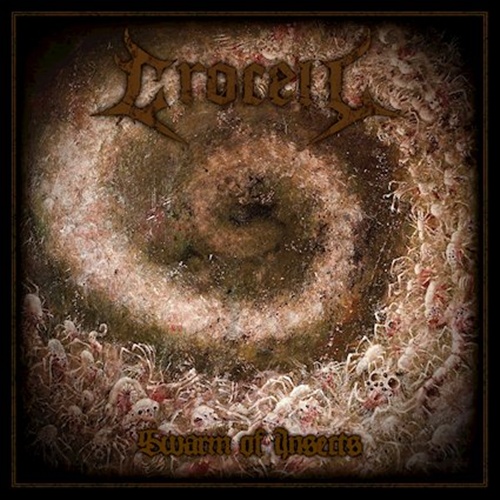
Mads: Dopo aver valutato diverse idee per il titolo dell’album, abbiamo scelto “Swarm Of Insects” proprio per quei motivi. In realtà il titolo non ha influenzato direttamente la direzione della musica e dei testi, perché avevamo già completato la scrittura dell’intero album quando abbiamo deciso di adottarlo. Tuttavia, come è probabilmente evidente, il titolo era già stato scelto prima che l’artista Nnart iniziasse a dipingere la copertina, ed era esattamente quel tipo di immaginario oscuro, contorto e abissale che speravamo di ottenere quando lo abbiamo contattato per la prima volta.
Nel corso dell’album si percepisce una forte sensazione di movimento, come se i brani continuassero a strisciare, mutare e trasformarsi. Si tratta di una dinamica che avete cercato consapevolmente durante la composizione oppure è emersa in modo naturale dal vostro modo di scrivere?
Mads: È stata una scelta intenzionale concentrarci sulle dinamiche della progressione dell’album e questa volta volevamo un brano d’apertura più lento, invece di partire subito a tutta velocità. Abbiamo sperimentato diverse combinazioni e differenti ordini dei pezzi per capire come ottenere l’espressione complessiva più dinamica possibile. Siamo molto soddisfatti del risultato finale. Se invece osserviamo i singoli brani, il loro sviluppo interno è probabilmente una conseguenza naturale del nostro processo compositivo. Tuttavia, fa anche parte della natura più recente della band il fatto che le canzoni non seguano una formula rigida e prevedibile.
Rispetto ai vostri lavori precedenti, questo album appare sia più tagliente sia più ampio nelle sue ambizioni. Ci sono stati confini musicali o artistici che avete cercato deliberatamente di superare durante la scrittura dei brani?
Andreas: Grazie per averlo notato. A partire dal terzo album, “Come Forth Plague”, i Crocell si sono gradualmente allontanati dal suono originario della band, il death metal nordico, avvicinandosi sempre di più a uno stile molto più vicino al black metal. È un’evoluzione avvenuta in maniera graduale e naturale, anche come conseguenza di alcuni cambi di formazione avvenuti tra il terzo e il quarto album. L’espressione più oscura che abbiamo sviluppato negli ultimi dieci o dodici anni è stata ulteriormente affinata in “Swarm Of Insects”, dove troviamo anche composizioni più ampie e quasi epiche. In effetti, c’è un solo brano che dura meno di cinque minuti. Con questo album volevamo ottenere un approccio più grezzo e oscuro, qualcosa che è stato ulteriormente valorizzato dalla scelta del produttore.
Mads: Per quanto riguarda la voce, credo che Asbjørn stia ancora una volta spingendo oltre i confini del proprio stile vocale, soprattutto in termini di varietà. In “Swarm Of Insects” ha lavorato molto di più su un approccio vocale più “pulito” e grezzo, che si può sentire ad esempio nelle sezioni centrali di “Sculptor Of Nations” e “Labyrinthian Tunnels”. Questo contribuisce sia a creare un paesaggio sonoro più vario, sia a rafforzare quell’espressione cruda, oscura e perversa che stavamo cercando.
Assumere il pieno controllo del processo di registrazione, compresa la batteria, è stata una scelta coraggiosa. Questa autonomia ha portato a sfide o scoperte inattese che hanno finito per influenzare il carattere dell’album?
Mads: È stata senza dubbio una grande sfida occuparci da soli di tutte le registrazioni e ha richiesto enormi quantità di concentrazione ed energia. Ci siamo costantemente assicurati che tutte le tracce registrate rispettassero uno standard qualitativo molto elevato. La batteria in particolare ha un ruolo speciale, perché a differenza di chitarre, basso e voce, una volta smontato il setup non è davvero possibile tornare indietro e correggere o riregistrare le parti. Da questo punto di vista abbiamo semplicemente dovuto fidarci del fatto che quanto registrato fosse solido, e fortunatamente Andreas è sia un ottimo tecnico sia un ottimo batterista. D’altra parte, avere il pieno controllo dell’intero processo di registrazione ha trasformato le sessioni in una naturale estensione della composizione e della pre-produzione. Inoltre ci ha dato il tempo e la libertà di lavorare su dettagli che probabilmente non avremmo potuto approfondire se avessimo prenotato uno studio affidandoci completamente a un produttore. Abbiamo potuto esaminare ogni cosa con attenzione, correggere ciò che andava corretto e approfondire strati melodici, linee di basso e pattern vocali.
La collaborazione con Lasse per mixaggio e mastering ha aggiunto al suono una precisione notevole senza sacrificarne l’organicità. Come siete riusciti a bilanciare ruvidità e chiarezza senza perdere la natura istintiva della vostra musica?
Mads: Per quanto riguarda la produzione finale, Lasse ha avuto una grande influenza e una notevole libertà nel modellare il nostro suono. Si è occupato del re-amping di chitarre e basso e ha anche prodotto le tracce vocali grezze e quelle di batteria. Oggi Lasse è una figura di grande esperienza, con una lunga lista di eccellenti produzioni realizzate presso i Ballade Studios. La scelta di affidare a lui la produzione è stata fortemente legata alla volontà di ottenere quel suono organico e grezzo che è diventato il suo marchio di fabbrica negli ultimi dieci o quindici anni.
La perdita di Rasmus “Hexen” Henriksen e l’arrivo di Mads Bertram rappresentano un punto di svolta importante. Al di là dell’aspetto musicale, in che modo questo cambiamento ha influenzato il lato umano della band durante la realizzazione dell’album?
Andreas: Quando a Hexen fu diagnosticato il cancro, fu un colpo durissimo per la band, ma soprattutto per tutti noi come amici di lunga data. Era determinato a continuare a combattere, quindi abbiamo proseguito a scrivere musica e a suonare dal vivo, anche se la sua salute peggiorava gradualmente. A un certo punto abbiamo dovuto chiedere a Mads Bertram di aiutarci con le parti di chitarra in alcuni concerti, e in quella formazione abbiamo suonato diversi show nei quali i due si dividevano più o meno metà della scaletta ciascuno. Mads Bertram era vicino alla band da molto tempo e aveva già suonato con noi come musicista sostituto in diverse occasioni, oltre ad aver contribuito alle registrazioni di chitarra e basso del doppio EP “Baptized In Bullets” / “Funeral Bliss”. Così, quando Hexen decise definitivamente di lasciare i Crocell a causa della malattia e Mads Bertram entrò nella band come membro stabile, la transizione fu piuttosto naturale e non passò molto tempo prima che iniziassimo a scrivere materiale per “Swarm Of Insects”. A livello personale, però, non è stato affatto semplice e la perdita di Hexen ha segnato profondamente tutti noi durante la scrittura del disco.
I Crocell sono attivi da quasi vent’anni e hanno attraversato numerosi cambiamenti all’interno della scena metal estrema. Guardando alla scena odierna, vi sentite più vicini alla sua evoluzione oppure più distaccati, seguendo il vostro percorso indipendentemente dalle tendenze?
Andreas: È una domanda interessante. Come ha spiegato Mads, la musica dei Crocell è cambiata parecchio nel corso degli anni, sia per i cambi di formazione, sia per l’evoluzione dei nostri gusti personali, sia perché siamo cresciuti come musicisti. Non abbiamo ancora terminato questo percorso evolutivo, ma credo decisamente che stiamo seguendo la nostra strada piuttosto che gli sviluppi della scena metal. Un altro modo di rispondere alla domanda è osservare la scena stessa, che è cresciuta ed evoluta enormemente da quando abbiamo iniziato. Inoltre, le nuove tecnologie hanno cambiato il modo in cui le persone scrivono musica, producono musica, ascoltano musica e scoprono nuovi artisti, contribuendo a rendere la scena più frammentata. Certamente esistono ancora delle tendenze, oggi persino spinte dagli algoritmi, ma a mio avviso sono meno pervasive e cambiano più rapidamente, il che rende ancora più inutile cercare di inseguirle.
Ora che “Swarm Of Insects” sta per essere pubblicato, quale impatto sperate possa lasciare sugli ascoltatori e dove vedete i Crocell dirigersi in futuro in termini di visione e intensità?
Andreas: Naturalmente speriamo che gli ascoltatori apprezzino il nuovo album tanto quanto lo apprezziamo noi. Credo che siamo riusciti a creare un disco tutt’altro che sterile, nel quale si percepisce chiaramente che tutto è stato suonato da veri musicisti con veri strumenti, e speriamo che il pubblico possa apprezzarne il suono dinamico. Per quanto riguarda il futuro, è ancora troppo presto per dire con precisione quale direzione prenderemo, ma una cosa è certa: continueremo a spingerci in avanti ed esplorare nuovi territori musicali, proprio come abbiamo sempre fatto.
In an era where extreme metal often mistakes excess for substance, Crocell choose a different path. Forged through personal loss, artistic evolution and a refusal to follow trends, “Swarm Of Insects” emerges as a bleak and immersive descent into darkness, balancing savage aggression with a growing sense of atmosphere and scale. In this conversation, Andreas and Mads delve into the emotional weight behind the album, the passing of Rasmus “Hexen” Henriksen, and the creative choices that shaped one of the band’s most intense and uncompromising works to date. Released through Emanzipation Productions, “Swarm Of Insects” stands as both a testament to resilience and a new chapter in the ever-evolving legacy of Crocell.
Greetings and thanks for joining us at Il Raglio Del Mulo. With “Swarm Of Insects”, Crocell deliver a record that feels oppressive, violent and deeply rooted in the chaos of our times. Before dissecting its elements, what kind of emotional and conceptual state gave birth to this album?
Andreas: We are glad to have the opportunity, and I agree with your description of the album. Even though it is not a concept album or an album that is supposed to carry a specific mood or message through all the songs and lyrics, we are of course influenced by what is going on around us. Both on a global level with all the things happening in the world, and on a more personal level. “Swarm Of Insects” is the first album written entirely with our current line-up, following the loss of our former guitarist, Rasmus “Hexen” Henriksen, who had to step down after having been diagnosed with cancer. He passed away in the fall of 2025, right at the time when we were recording the album. Witnessing him fight the cancer and ultimately losing him affected all of us a lot, which is definitely one of the reasons for the darkness on the new album.
The title “Swarm Of Insects” evokes disturbing, almost apocalyptic imagery. At what point did this concept emerge, and how did it shape the direction of the music and lyrics as the album took form?
Mads: Having considered a few different ideas for the album title, we chose “Swarm Of Insects” for those exact reasons. The title didn’t shape the direction of the music and lyrics as such, since we had finished writing all the music and lyrics when we agreed on the title. But as is probably obvious, it was in place before the artist, Nnart, began painting the album artwork, and it was exactly that kind of dark, twisted, abyss-like imagery that we were hoping for when we first approached him.
There’s a strong sense of movement throughout the record, as if the songs are constantly crawling, shifting and mutating. Was this dynamic flow something you consciously aimed for during composition, or did it arise naturally from your writing habits?
Mads: It was intentional to focus on the dynamics in the album’s progression and this time we wanted a slower opening track instead of starting “all guns blazing.” We experimented with several different combinations and track orders to determine how to create the most dynamic overall expression. We are very happy with the end result. If we zoom in on the individual tracks, the development within the songs is probably more of a natural part of the writing process. However, it is also part of the band’s newer nature that the songs do not follow a very straight-forward, fixed formula.
Compared to your previous work, this album feels both sharper and more expansive. Were there specific musical or artistic boundaries you deliberately tried to push or break while working on these songs?
Andreas: Thank you for noticing. Since album number three, “Come Forth Plague”, Crocell have gradually moved further and further away from the band’s original sound, Nordic death metal, towards a style much closer to black metal. It is a sound that has evolved gradually and quite naturally, partly as a consequence of a few lineup changes around album three and four. The darker expression that we have developed over the past 10–12 years has been refined on “Swarm Of Insects”, where we also see more expansive and almost epic compositions. In fact, there is only one track on the album that comes in under five minutes. On this album we aimed for a more raw and dark expression, something that is also supported by the choice of producer.
Mads: On the vocal side, I think Asbjørn is once again pushing the boundaries in his vocal style when it comes to variation. On “Swarm Of Insects”, he has to a much greater extent been working with this more “clean”, raw vocal approach, which can for instance be heard in the mid sections of “Sculptor Of Nations” and “Labyrinthian Tunnels”. It both contributes to a more varied soundscape and reinforces the raw, dark, and perverse expression we are aiming for.
Taking full control of the recording process, including the drums, is a bold move. Did this autonomy lead to unexpected challenges or discoveries that ultimately influenced the character of the album?
Mads: It was definitely a major challenge to handle all of the recording ourselves, and it certainly required a lot of focus and energy. We constantly focused on ensuring that the audio tracks we created met the necessary high standard of quality. The drums in particular play a special role, because unlike with guitar, bass, and vocals, you cannot really go back and fix or re-record parts once the drum setup has been taken down. In that regard, we simply had to trust that what we recorded was solid, and fortunately, Andreas is both a skilled technician and drummer. On the other hand, having full control over the recording process meant that it became a natural extension of the composition and pre-recording process. Also, it gave us time and freedom to work on details that you would not necessarily have time for if you had booked a studio and a producer to handle the tracking. We were able to go through everything thoroughly, correct the things that needed correcting, and also to really delve into melody layers, bass lines, and vocal patterns.
The collaboration with Lasse for mixing and mastering adds a precise yet still organic edge to the sound. How did you balance rawness and clarity without sacrificing the instinctive nature of your music?
Mads: When it came to the final production, Lasse had a major influence and a great deal of freedom to shape our sound. Lasse was responsible for re-amping the guitars and bass, and he also produced the raw vocal and drum tracks. By now, Lasse is a highly experienced figure with a long list of great releases produced in Ballade Studios. Choosing him as producer was therefore very much based on achieving the organic and raw sound that he has made his trademark over the past 10–15 years.
The loss of Rasmus “Hexen” Henriksen and the arrival of Mads Bertram mark a significant turning point. Rather than focusing only on the musical aspect, how did this shift affect the human side of the band during the creation of the album?
Andreas: When Hexen was diagnosed with cancer, it was a huge blow to the band, but first and foremost to all of us as his longtime friends. He was determined to struggle on, so we continued writing music and playing live, even though his health gradually began to decline. Somewhere along the way we had to ask Mads Bertram to help with the guitar duties at some of our shows, and in this constellation we played a few concerts where the two would play about half of the songs each. Mads Bertram had been close to the band for a long time, and among other things he had already played with us as a stand-in musician a few times as well as helped recording guitars and bass on the “Baptized In Bullets” / “Funeral Bliss” double EP. So when Hexen finally decided to leave Crocell because of his illness, and Mads Bertram joined the band as a permanent member, it was a rather natural transition, and it didn’t take long before we were writing material for “Swarm Of Insects”. On a personal level, though, it was by no means easy, and the loss of Hexen affected all of us a lot during the writing process.
Crocell have been active for nearly two decades, navigating changes in the extreme metal landscape. Looking at today’s scene, do you feel more connected to its evolution or more detached from it, following your own path regardless of trends?
Andreas: That is an interesting question. As Mads explained, Crocell’s music has changed quite a bit through the years, both due to line-up changes, changes in our own personal taste, and the fact that we have evolved as musicians. We are not done evolving, but I definitely think that we are following our own path rather than the developments in the metal scene. Another way to answer the question is by looking at the metal scene itself, which has both expanded and evolved since we started out so long ago. Furthermore, new technologies have changed the way people write music, produce music, listen to music, and find new music, which all contributes to a more fragmented scene. Of course, there are still trends, nowadays even pushed by algorithms, but as I see it, they are less pervasive and change faster, which makes it all the more meaningless to chase them.
Once “Swarm Of Insects” is out in the world, what kind of impact do you hope it will leave on listeners, and where do you see Crocell heading next in terms of vision and intensity?
Andreas: Of course we hope that the listeners will enjoy the new album as much as we do. I think that we have succeeded in creating an album that is far from sterile, but where you can really tell that it is played by real musicians on real instruments, and hopefully the listeners will appreciate the dynamic sound on the album. As for the future, it is still too early to say exactly where we are heading, but in any case we are going to keep pushing forward and exploring new musical territory, as we always have.

