
ENGLISH VERSION BELOW: PLEASE, SCROLL DOWN!
I Feralia tornano con “Ultima Requies”, terzo capitolo di un percorso sempre più immerso nelle ombre della ritualità ancestrale e della spiritualità occulta. Attraverso un black metal evocativo e profondamente atmosferico, la band intreccia riferimenti alla Roma antica, necromanzia e stati liminali, costruendo un’opera che va ben oltre la semplice esperienza musicale. In questa intervista, Erymanthon e Raijinous ci accompagnano all’interno delle visioni che hanno plasmato “Ultima Requies”, in uscita il 26 giugno 2026, svelando il lungo processo creativo che ha dato vita a uno dei lavori più ambiziosi della loro carriera.
Ciao e grazie per il tempo che dedicate a Il Raglio Del Mulo, è un piacere avervi con noi mentre ci addentriamo in “Ultima Requies”, terzo full length dei Feralia che sarà pubblicato il 26 giugno 2026 e che si presenta come un’opera oscura e rituale in cui il black metal si fa esperienza evocativa e sacrale tra atmosfere arcaiche, tensione spirituale e richiami al mondo romano antico, come nasce l’esigenza di dare forma a un lavoro così profondo e visionario in questo momento della vostra evoluzione?
E: Ave e grazie. “Ultima Requies” è un lavoro che è nato nell’arco di anni e la cui concezione è iniziata già nell’autunno del 2021 con la composizione di quei brani che sono poi diventati “Ver Sacrum” e “Miasma”, un momento storico che per tutti noi della band è stato, ognuno per motivi diversi, particolarmente duro. Quindi parte della profondità che percepisci è sicuramente dovuta allo stato di catarsi in cui noi tutti ci siamo immersi nel comporre questo lavoro. In secondo luogo, essendo stato il periodo di incubazione del disco particolarmente lungo, abbiamo avuto modo di raffinare e perfezionare l’atmosfera e tutti gli elementi della musica che abbiamo proposto.
R: Basilarmente è stata, almeno da parte mia, una necessità di approfondire tematiche storiche e ritualistiche sull’antichità e di conformarle al nostro stile musicale. Dalle streghe della Tessaglia gli antichi romani subirono notevole fascino ed influenza, tanto che addirittura un autore come Marco Anneo Lucano ne descrisse minuziosamente un rituale nel suo “De Bello Civili”.
Entrando nel cuore del disco, “Ultima Requies” sembra muoversi tra riti dimenticati, stati liminali e un costante dialogo tra vita e morte, quanto è stato importante il concetto di soglia e trasformazione nel definire la struttura narrativa e concettuale dell’album?
R: A livello concettuale, tutto è iniziato con la composizione di “Pharsalia”, nella quale ho voluto descrivere il rituale della strega Eritto per resuscitare un soldato e farne un messaggero per Sesto Pompeo. Musicalmente il brano è stato riadattato da uno vecchio che scrissi per una mia band precedente, che ora non esiste più. Si tratta di due generi musicali abbastanza diversi, ma siccome quell’ultimo album ha avuto una visibilità pari a zero, mi spiaceva aver sprecato quella canzone per nulla. Quindi ho deciso di riadattarla ad un genere consono a Feralia, per darle nuova vita e ho dovuto rivoluzionarla decisamente. Ad ogni modo i riff portanti e le note basilari sono quelle, ma sfiderei chiunque, dopo averle ascoltate entrambe, a pensare si tratti della stessa canzone.
Dal punto di vista sonoro il disco appare come un equilibrio tra abrasività e dimensione contemplativa, come avete lavorato per mantenere questa doppia natura senza perdere coerenza e identità all’interno delle composizioni?
E: L’atmosfera sacrale e contemplativa, la costruzione escapistica di un’altra dimensione, è un segno distintivo della nostra musica sin dai primi lavori, coadiuvata giustamente da un approccio sonoro abrasivo, perciò direi che l’identità stessa dei Feralia si individua proprio nella coesistenza di queste due dimensioni, anche se in questo ultimo lavoro, forse, la melodia e l’atmosfera vengono sviluppate in misura ancora maggiore rispetto ai precedenti. Come accennavo prima, il processo di composizione è stato lungo, dalle prime demo registrate a casa di Krhura, passando per le prove in sala, fino al grande lavoro di arrangiamento e perfezionamento svolto perlopiù nel mio studio da me e Raijinous, e questo ci ha permesso di perfezionare le tracce senza lasciare nulla al caso, giungendo ad un impatto finale coeso e coerente.
R: Ho voluto dare più profondità a melodie che non avevamo mai usato, sia con alcuni sound di tastiere che con alcune soluzioni vocali. Melodia però non significa alleggerimento sonoro o del messaggio. Trovo che alcune parti vocali del disco siano particolarmente azzeccate per ciò che descrivono e che ben trasmettano un aspetto occulto e ritualistico antico.
Il songwriting e la produzione restituiscono un senso di fisicità ma anche di sospensione eterea, quali sono state le scelte più importanti in studio per tradurre in suono questa tensione tra impatto e ritualità?
E: Abbiamo deciso subito che la produzione doveva rispecchiare l’atmosfera che proponiamo, optando quindi per una scelta relativamente lo-fi ma comunque sufficientemente chiara da lasciar distinguere le varie parti strumentali e vocali, dietro alle quali abbiamo impiegato molto lavoro. Non eravamo riusciti, fino ad oggi, ad ottenere un suono che davvero ci rispecchiasse e che ci soddisfacesse pienamente in questo senso. Paradossalmente l’errore sui dischi precedenti è stato quello di over-produrre la musica con soluzioni mirabolanti, come il re-amping delle chitarre e quant’altro, che però non si confanno al genere. Questa volta il disco è stato registrato e prodotto interamente da me nel mio studio, con Raijinous presente gran parte delle volte, e abbiamo subito optato per un approccio più minimalista. Le chitarre sono state registrate usando gli stessi distorsori che usiamo in sala e dal vivo per mantenere la nostra impronta sonora caratteristica. La batteria è stata trattata poco, ad eccezione di un minimo di compressione e riverbero, e mantenuta piuttosto indietro in maniera da non sovrastare l’atmosfera rituale. Non abbiamo implementato strategie particolarmente raffinate, abbiamo semplicemente cercato di bilanciare gli strumenti senza perdere la sonorità grezza e lo-fi che ci caratterizza anche dal vivo, e pare ci siamo riusciti.
Nel vostro immaginario emerge una forte connessione con simbolismi del mondo romano arcaico e figure come Eritto, quale ruolo hanno avuto questi riferimenti nella costruzione dell’atmosfera e ci sono aneddoti particolari legati alla loro ricerca o interpretazione?
R: Ho già risposto precedentemente, direi. Posso aggiungere che ho studiato storia e lingua latina e, durante lo studio per un esame, mi sono ritrovato sulla descrizione in latino di malefici, tabellae defixionum (testi scritti su pietra, ferro o altri materiali con lo scopo di piegare la volontà o mutare la vita stessa di un nemico) e rituali di stregoneria. Non potevo che restare affascinato da tutto questo.
Il primo estratto “Pharsalia” introduce l’ascoltatore in questo universo con un approccio quasi cinematografico, perché avete scelto proprio questo brano come singolo e cosa rappresenta all’interno del percorso complessivo del disco?
E: “Pharsalia” è il brano cardine del disco e narra proprio la vicenda di Eritto colta nell’atto fatale della resurrezione negromantica del cadavere sbrindellato raccolto sui campi di battaglia di Farsalo, come descritto nel “De Bello Civili” di Lucano. Essendo uno dei brani che più ci soddisfa musicalmente, che mostra una nuova atmosfera ancora più opprimente e che ben combina e rappresenta i vari volti del disco, ci è stato naturale sceglierlo come singolo.
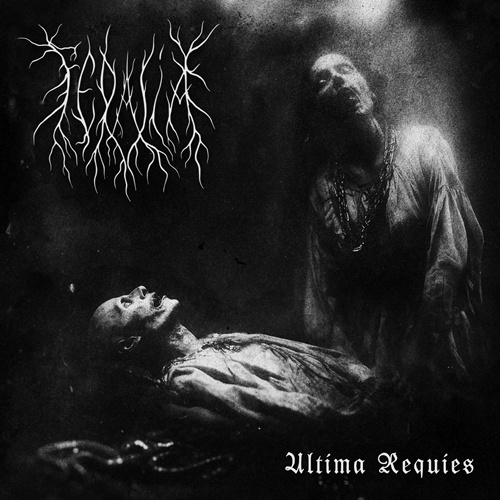
L’artwork richiama il rituale necromantico di Eritto descritto nel “De Bello Civili” di Lucano, quanto è stato importante il dialogo tra parte visiva e musicale nella definizione dell’identità di “Ultima Requies”?
E: Come ho accennato, essendo “Pharsalia” il brano cardine per noi, abbiamo convenuto abbastanza presto che la copertina del disco avrebbe dovuto rappresentare proprio la scena ritualistica ivi descritta. Abbiamo lavorato a contatto con il grafico Francesco Gemelli che ha ben interpretato l’atmosfera tetra e terrificante del lavoro, rimanendo comunque ricettivo ai nostri commenti, e siamo molto soddisfatti del suo operato. Per chi acquisterà la versione fisica del disco in CD si vedrà che l’intero libretto ruota attorno al tema, con varie fasi del rituale rappresentate e perfino il punto di vista del soldato che torna in vita scorgendo ombre e figure intorno a sé, il tutto immerso negli ambienti di una Roma tetra, funesta e decadente. In definitiva la componente grafica coadiuva perfettamente le atmosfere che abbiamo proposto nella musica, che comunque rimane l’elemento fondamentale.
R: Sono molto soddisfatto dell’artwork in generale, in particolar modo delle illustrazioni interne dell’album. Ritengo che rappresentino bene le atmosfere che abbiamo cercato di evocare durante la stesura della musica.
Con un percorso già tracciato da lavori come “Helios Manifesto” e “Under Stige / Over Dianam”, come sentite di aver evoluto oggi il linguaggio dei Feralia e verso quali territori state spingendo la vostra ricerca sonora?
E: Come ho accennato prima, il disco mostra uno sviluppo ulteriore per quanto riguarda la costruzione melodica e atmosferica. Abbiamo incorporato maggiormente l’utilizzo di chitarre acustiche e sintetizzatori; per la prima volta abbiamo un brano, “Empireo”, quasi interamente realizzato con il sintetizzatore, e anche la comparsa di un mandolino che io ho suonato su “Ver Sacrum”, volto ad aggiungere un tocco ancestrale. La ritualità e l’ancestralità, connesse in particolare al mondo della Roma antica come è sempre stato per noi fin proprio dal nome della band stessa, sono in questo momento fondamentali per noi. Immagino dunque che rimarranno elementi fondamentali nella nostra ricerca musicale.
Guardando avanti, dopo un lavoro così denso e immersivo come “Ultima Requies”, quali direzioni immaginate per il futuro della band e quali nuove forme di esplorazione artistica vi attraggono maggiormente in questa fase?
R: L’importante sarà mantenere un’integrità artistica in qualunque direzione decideremo di andare. Ci sono state per ora solamente alcune discussioni sul futuro musicale di Feralia. La band è attualmente senza un drummer fisso, ed il nostro bassista, al quale va dato merito di avere un ruolo decisamente più manageriale, è molto impegnato con la sua band principale. Cercheremo di capire in quale direzione continuare, magari lavorando stavolta per sottrazione di elementi sonori, per arrivare ad un sound più diretto.
With Feralia preparing to unleash “Ultima Requies”, their third full-length offering, the Italian black metal horde descends even deeper into the shadows of ancestral ritualism, occult spirituality and the spectral echoes of ancient Rome. More than a mere collection of songs, the album unfolds as a ceremonial journey through necromancy, liminal states and forgotten mysteries, where atmosphere and vision become one. In this conversation, Erymanthon and Raijinous guide us through the dark creative process behind “Ultima Requies”, set for release on June 26, 2026, revealing the inspirations, obsessions and artistic choices that shaped one of the most ambitious chapters in the band’s history.
Hello and thank you for taking the time to speak with Il Raglio Del Mulo. It’s a pleasure to have you with us as we delve into “Ultima Requies”, the third full-length album by Feralia, due for release on June 26, 2026. The record presents itself as a dark and ritualistic work in which black metal becomes an evocative and sacred experience, blending archaic atmospheres, spiritual tension and references to the ancient Roman world. How did the need arise to shape such a profound and visionary work at this stage of your evolution?
E: Ave, and thank you. “Ultima Requies” is a work that was born over the course of several years, and its conception began as early as the autumn of 2021 with the composition of the songs that would later become “Ver Sacrum” and “Miasma”, during a period that was particularly difficult for all of us in the band, each for different reasons. Part of the depth you perceive is certainly due to the cathartic state in which we all immersed ourselves while composing this work. Furthermore, because the album’s incubation period was particularly long, we had the opportunity to refine and perfect both the atmosphere and every musical element we proposed.
R: Fundamentally, at least from my perspective, it stemmed from a need to delve deeper into historical and ritualistic themes related to antiquity and adapt them to our musical style. The witches of Thessaly exerted a considerable fascination and influence on the ancient Romans, to the point that an author such as Marcus Annaeus Lucanus described one of their rituals in meticulous detail in his “De Bello Civili”.
At the core of the album, “Ultima Requies” seems to move through forgotten rites, liminal states and a constant dialogue between life and death. How important was the concept of threshold and transformation in defining the album’s narrative and conceptual structure?
R: Conceptually, everything began with the composition of “Pharsalia”, in which I wanted to depict the ritual performed by the witch Erichtho to resurrect a soldier and turn him into a messenger for Sextus Pompey. Musically, the track was adapted from an older song I had written for a previous band of mine, which no longer exists. They are two rather different musical genres, but since that last album received virtually no attention, I felt sorry for having wasted that song. So I decided to adapt it to a style more fitting for Feralia, giving it new life, and in doing so I had to radically transform it. The main riffs and core notes remain the same, but I would challenge anyone, after listening to both versions, to believe they are actually the same song.
From a sonic standpoint, the album seems to balance abrasiveness and contemplation. How did you work to maintain this dual nature without losing coherence and identity within the compositions?
E: The sacred and contemplative atmosphere, the escapist construction of another dimension, has been a hallmark of our music since our earliest works, naturally supported by an abrasive sonic approach. Therefore, I would say that Feralia’s very identity lies precisely in the coexistence of these two dimensions, although on this latest work melody and atmosphere are perhaps developed to an even greater extent than before. As I mentioned earlier, the songwriting process was lengthy, from the first demos recorded at Krhura’s home, through rehearsals in the practice room, to the extensive arranging and refining work carried out mainly in my studio by myself and Raijinous. This allowed us to perfect the tracks without leaving anything to chance, resulting in a cohesive and coherent final impact.
R: I wanted to add greater depth to melodic elements we had never explored before, both through certain keyboard sounds and through specific vocal solutions. Melody, however, does not mean a softer sound or message. I believe some of the vocal parts on the album are particularly effective in conveying what they describe and successfully transmit an ancient occult and ritualistic dimension.
The songwriting and production convey both a sense of physicality and an ethereal suspension. What were the most important studio decisions in translating this tension between impact and rituality into sound?
E: We immediately decided that the production had to reflect the atmosphere we sought to evoke, opting for a relatively lo-fi approach that nevertheless remained clear enough to allow the various instrumental and vocal layers to be distinguished, all of which required considerable effort. Until now, we had never managed to achieve a sound that truly represented us and fully satisfied us in this regard. Paradoxically, the mistake on previous albums was overproducing the music through elaborate techniques such as guitar re-amping and similar solutions, which ultimately do not suit the genre. This time, the album was recorded and produced entirely by myself in my studio, with Raijinous present for much of the process, and we immediately embraced a more minimalist approach. The guitars were recorded using the same distortion units we employ both in rehearsal and live performances, preserving our characteristic sonic identity. The drums were treated very sparingly, apart from a slight amount of compression and reverb, and kept somewhat in the background so as not to overpower the ritualistic atmosphere. We did not implement particularly sophisticated strategies. We simply sought to balance the instruments while retaining the raw, lo-fi character that defines us on stage as well, and it seems we succeeded.
Your imagery reveals a strong connection to symbols from the archaic Roman world and figures such as Erichtho. What role did these references play in shaping the atmosphere, and are there any particular anecdotes related to your research or interpretation of them?
R: I believe I have already partially answered that. I can add that I studied history and the Latin language, and while preparing for an exam I came across Latin descriptions of curses, tabellae defixionum (texts inscribed on stone, iron or other materials with the purpose of bending someone’s will or altering the course of an enemy’s life) and various witchcraft rituals. I could not help but become fascinated by all of it.
The first single, “Pharsalia”, introduces the listener to this universe through an almost cinematic approach. Why did you choose this particular track as the single, and what does it represent within the album’s overall journey?
E: “Pharsalia” is the cornerstone of the album and narrates the story of Erichtho as she performs the fatal act of necromantic resurrection upon the mangled corpse collected from the battlefields of Pharsalus, as described in Lucan’s “De Bello Civili”. Since it is one of the songs that satisfies us most from a musical standpoint, showcases an even more oppressive atmosphere, and effectively embodies the various facets of the album, choosing it as the single felt completely natural.
The artwork recalls Erichtho’s necromantic ritual as described in Lucan’s “De Bello Civili”. How important was the dialogue between the visual and musical aspects in defining the identity of “Ultima Requies”?
E: As I mentioned earlier, since “Pharsalia” is the album’s central piece for us, we agreed fairly early on that the cover artwork should depict the ritual scene described therein. We worked closely with the artist Francesco Gemelli, who successfully captured the work’s bleak and terrifying atmosphere while remaining receptive to our feedback, and we are extremely pleased with the result. Those who purchase the physical CD edition will discover that the entire booklet revolves around this theme, portraying various stages of the ritual and even presenting the perspective of the soldier returning to life, perceiving shadows and figures surrounding him, all immersed within the setting of a dark, ill-fated and decaying Rome. Ultimately, the visual component perfectly complements the atmospheres we sought to evoke through the music, which nevertheless remains the primary element.
R: I am very pleased with the artwork as a whole, especially the album’s internal illustrations. I believe they faithfully represent the atmospheres we attempted to summon during the writing of the music.
With a path already marked by works such as “Helios Manifesto” and “Under Stige / Over Dianam”, how do you feel the language of Feralia has evolved, and towards which territories are you pushing your sonic exploration?
E: As I mentioned before, the album represents a further development in terms of melodic and atmospheric construction. We have incorporated a greater use of acoustic guitars and synthesizers. For the first time we have a track, “Empireo”, composed almost entirely with synthesizers, as well as the inclusion of a mandolin, which I played on “Ver Sacrum” to add an ancestral touch. Rituality and ancestry, particularly connected to the world of ancient Rome, as has always been the case for us since the very name of the band, are fundamental elements for us at this moment. Therefore, I imagine they will continue to remain essential components of our musical quest.
Looking ahead, after a work as dense and immersive as “Ultima Requies”, what directions do you envision for the future of the band, and what new forms of artistic exploration attract you most at this stage?
R: The important thing will be to maintain artistic integrity regardless of the direction we choose to follow. So far there have only been a few discussions regarding Feralia’s musical future. The band is currently without a permanent drummer, and our bassist, who deserves credit for playing a significantly managerial role, is heavily occupied with his main band. We will try to understand which path to pursue next, perhaps this time working through subtraction rather than addition of sonic elements, aiming for a more direct sound.

