
ENGLISH VERSION BELOW: PLEASE, SCROLL DOWN!
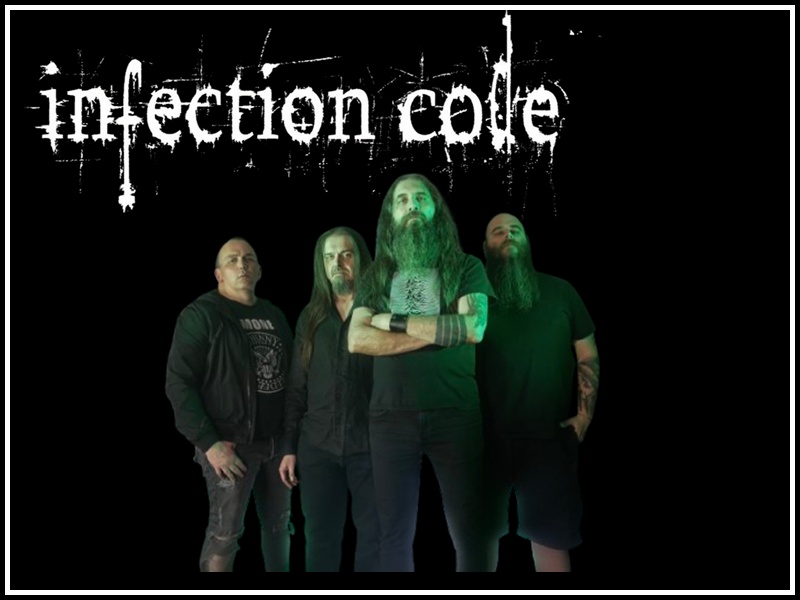
Con oltre venticinque anni di attività alle spalle, gli Infection Code continuano a muoversi lungo i confini più oscuri e imprevedibili dell’extreme metal, senza mai piegarsi alle convenzioni. Con Gabriele Oltracqua abbiamo approfondito la nascita di “De Reptilium Arcanis”, il nuovo album pubblicato da Nadir Music, un lavoro che segna l’inizio di un nuovo capitolo per la band grazie al ritorno di Massimo “Macha” Accornero, senza rinunciare a quell’identità sonora ruvida, complessa e personale che da sempre contraddistingue il gruppo.
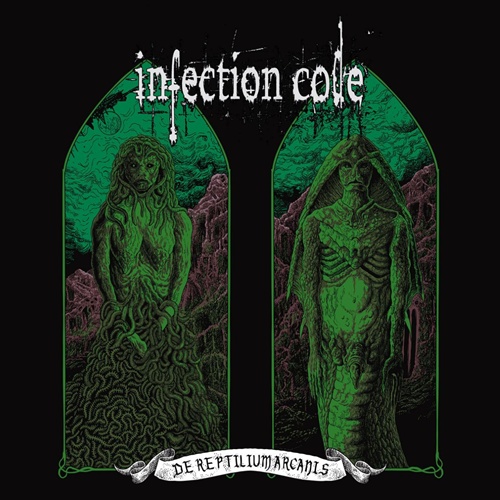
Bentronato su Il Raglio Del Mulo, Gabriele! È un piacere averti con noi e grazie per il tempo che ci dedichi. Il vostro nuovo album, “De Reptilium Arcanis”, rappresenta l’undicesimo capitolo della storia degli Infection Code e arriva in un momento di rinnovamento per la band, mantenendo però intatta la vostra identità sonora. Per iniziare, cosa rappresenta questo disco all’interno del vostro percorso e quale messaggio sperate arrivi a chi lo ascolterà per la prima volta?
“De Reptilium Arcanis” è stato registrato in poco tempo. È stato scritto, composto, suonato e registrato in poco meno di sei mesi, con l’avvento di Massimo “Macha” Accornero alla chitarra, in sostituzione del precedente chitarrista. Abbiamo avuto l’ennesimo cambio di line up perché stare all’interno di una band come la nostra significa avere dedizione, attitudine, voglia di mettersi in gioco e stare al proprio posto cercando di ricoprire il ruolo nel migliore dei modi. Probabilmente chi c’era prima non aveva capito come funzionano certe dinamiche all’interno di una band. In ogni caso volevamo dare un segnale forte e non solo annunciare il nuovo chitarrista, ma farlo componendo un disco che facesse risaltare ed evidenziasse le capacità artistiche di Macha. E poi perché volevamo dare un colpo di spugna e partire subito con nuovo materiale.
Il titolo e brani come “Pater Serpentium”, “Mater Vermium” e “False Messiah Squad” evocano un immaginario ricco di simbolismi, figure archetipiche e atmosfere distopiche. Come è nato il concept di “De Reptilium Arcanis” e quanto è stato importante costruire un filo narrativo che unisse tutte le tracce?
Non esiste un concept per questo album, ma sicuramente c’è un filo conduttore, o meglio un filo narrativo, che arriva da tutto ciò che leggo e che poi la mia mente elabora. Diciamo che in “De Reptilium Arcanis” è ancora forte l’influenza del maestro di Providence e di tutto il suo pantheon di divinità, mostri, esseri, ma anche paesaggi, città, abissi, immaginari cosmici e spaziali. Ho preso spunto anche da uno dei romanzi di fantascienza più interessanti e affascinanti degli ultimi anni, ossia “Il Problema Dei Tre Corpi” di Cixin Liu, che mi ha ispirato il testo di “Fermi Paradox – The Nameless Mist”, il cosiddetto teorema della foresta oscura associato nel mio testo al Magnum Innominandum di Lovecraft. Ho preso spunti anche dalle avventure del monaco Eymerich, in quanto, dopo anni, ho ripreso a leggere tutta la saga scritta da Valerio Evangelisti e, non per ultimo, ho voluto scrivere un testo su “IT”, un romanzo che quando uscì mi stregò, reputandolo uno dei romanzi di formazione più riusciti ma che, riletto dopo tanti anni, ha confermato e rinforzato la mia tesi. Non è solo uno dei più grandi romanzi di formazione, ma è, insieme a “All’Ombra Dello Scorpione”, una delle opere più complete di Stephen King.
Dal punto di vista musicale si percepisce un equilibrio molto riuscito tra industrial, thrash e momenti più atmosferici, senza rinunciare alla complessità che ha sempre caratterizzato gli Infection Code. Durante la scrittura avete seguito un’idea precisa fin dall’inizio oppure le canzoni hanno trovato la loro forma strada facendo?
Diciamo che il modo di comporre di Ricky lascia presagire che il tutto sia già in una forma pressoché completa e ben organizzata. Poi, ovviamente, gli interventi di Macha e Andrea sono importanti, soprattutto per la scrittura dei riff. Poche volte ci sono stati cambiamenti drastici durante l’esecuzione del brano in sala prove. Si parte da un’idea ben precisa di Ricky per poi portarla alla fine aggiustando, arrangiando e scrivendo parti ben precise senza comunque snaturare l’idea di partenza.
La produzione di Tommy Talamanca sembra valorizzare ogni dettaglio del disco, mantenendo un suono potente ma mai artificiale. Quanto è stato importante lavorare ancora una volta con lui e in che modo il suo contributo ha influenzato il risultato finale?
Lavorare con Tommy Talamanca anche per questo disco è stato importante. Già da “Culto”, il disco che ha ripreso la nostra collaborazione dopo l’interruzione di qualche anno, si percepiva un modo di lavorare che avrebbe portato la produzione a un livello qualitativo molto alto. “De Reptilium Arcanis”, sotto tutti i punti di vista, è oltre. È dieci gradini superiore rispetto a “Culto”. Per tanti motivi che magari conosco solo in parte, ma che hanno sicuramente stimolato il lavoro di Tommy. Il suo contributo è stato enorme e fondamentale, anche dal punto di vista degli arrangiamenti. Ci ha consigliato alcune soluzioni che sono risultate vincenti.
Il ritorno di Massimo “Macha” Accornero ha riportato nella band un volto storico, mentre la line up rinnovata sembra aver trovato un’alchimia particolarmente efficace. Come si è sviluppata questa nuova dinamica interna e quali aspetti del vostro modo di comporre sono cambiati rispetto al passato?
Il ritorno di Macha ha riportato un’atmosfera di serenità e tranquillità che mancava da anni, almeno da quattro anni a questa parte. C’è da dire che Macha non è solo un chitarrista metal. Anzi, sa scrivere pezzi metal ma è tutt’altro, e questo non può che fare bene al modo di comporre della band, che magari può rimanere immutato ma sarà influenzato da visioni meno vicine ai cliché del metal estremo.
Recentemente avete pubblicato il drum playthrough di “King Among Insects”, un brano in cui Ricky mette in mostra un approccio personale fatto di groove, precisione e continui cambi di atmosfera. Quanto è importante per voi valorizzare anche il lavoro dei singoli musicisti e cosa racconta questo pezzo dell’identità degli Infection Code?
Ricky è il principale compositore della band. Ha tantissime idee, spunti e abbozzi di canzoni che nascono da un approccio ritmico molto particolare e personale, scaturito da anni di studio sullo strumento, da anni di pratica e da anni di ascolti che lo portano anche fuori da un contesto prettamente metal. L’ascoltatore più attento noterà che i suoi passaggi ritmici e la sua scrittura batteristica non sono semplici tappeti ritmici sui quali inserire poi le parti di chitarra e basso, ma sono delle vere e proprie intenzioni che arrivano ad abbracciare anche armonia e melodia, dando vita a un comparto batteristico molto particolare e originale. Logicamente, la creatività di Macha e l’attitudine al groove di Andrea hanno portato a creare “King Among Insects”, un brano che reputo talmente bello, e perdonatemi se pecco di presunzione, che difficilmente ho ascoltato qualcosa di simile nelle ultime uscite discografiche del genere.
In oltre vent’anni di attività avete attraversato numerosi cambiamenti senza mai rincorrere le mode, conservando un’identità riconoscibile e spesso fuori dagli schemi. Guardandovi indietro, c’è stato un momento particolare in cui avete capito che gli Infection Code avevano trovato una voce davvero unica?
Non so se abbiamo trovato davvero la nostra identità, penso che si sia consolidata da “In.R.I.” in poi, quando abbiamo deciso quasi a tavolino che le sperimentazioni senza né capo né coda dovevano terminare. Questo ha portato, ormai quasi dieci anni fa, al primo terremoto della band a livello di line up. Non mi sono mai chiesto se ci sia stato un momento o qualche episodio che ci abbia fatto capire che eravamo, non unici, ma almeno personali.
I prossimi concerti saranno le prime occasioni per portare “De Reptilium Arcanis” sul palco. Cosa vi aspettate dalla dimensione live di questi nuovi brani e ci saranno sorprese nella scaletta o nell’impatto visivo dello spettacolo?
Presenteremo tutto “De Reptilium Arcanis” al Luppolo In Rock il 19 luglio, al Kaptura Fest il 24 luglio e al Penta Metal Fest il 7 agosto, per poi proseguire con alcune date in autunno. Siamo molto curiosi di presentare questo disco dal vivo perché le canzoni sono sì d’impatto, ma anche molto strutturate e arrangiate. Fino a ora, in sala prove, stanno funzionando veramente bene!
Dopo un album così intenso e una nuova fase della vostra carriera ormai avviata, state già guardando oltre? Ci sono nuove idee, collaborazioni o direzioni artistiche che vi incuriosiscono e che potrebbero influenzare il futuro degli Infection Code?
“De Reptilium Arcanis” è appena uscito e, come ho già accennato da qualche parte, è solo un antipasto. È servito per presentare la nuova line up, è servito per provare a vedere cosa sarebbe venuto fuori. Reputiamo di avere fatto un buon disco, ma stiamo già guardando al futuro. Sappiamo di aver trovato la quadratura del cerchio e, detto questo, stiamo programmando, con alcune idee che Ricky ha già pronte, il disco dei trent’anni. Nel 1999 nasceva la band!
With more than twenty-five years behind them, Infection Code continue to push the boundaries of extreme metal, never compromising their vision or following trends. We caught up with Gabriele Oltracqua to talk about “De Reptilium Arcanis”, the band’s new album released through Nadir Music, a record that marks the beginning of a new chapter thanks to the return of Massimo “Macha” Accornero, while remaining fiercely loyal to the raw, intricate and unmistakably personal sound that has always defined the band.
Hello and welcome to Il Raglio Del Mulo, Gabriele! It’s a pleasure to have you with us, and thank you for taking the time to speak with us. Your new album, “De Reptilium Arcanis”, represents the eleventh chapter in the history of Infection Code and arrives at a time of renewal for the band while keeping your sonic identity completely intact. To kick things off, what does this album represent within your journey, and what message do you hope reaches those hearing it for the very first time?
“De Reptilium Arcanis” was recorded in a very short period of time. It was written, composed, performed and recorded in less than six months, following the arrival of Massimo “Macha” Accornero on guitar, replacing our previous guitarist. Once again, we went through a line-up change because being part of a band like ours requires dedication, the right attitude, the willingness to challenge yourself and the ability to fulfil your role in the best possible way. Probably the previous guitarist hadn’t fully understood how certain dynamics work within a band. In any case, we wanted to send out a strong statement, not only by introducing our new guitarist, but by doing so through an album that would highlight Macha’s artistic abilities. We also wanted to wipe the slate clean and immediately move forward with brand-new material.
The title, along with tracks such as “Pater Serpentium”, “Mater Vermium” and “False Messiah Squad”, evokes an imagery rich in symbolism, archetypal figures and dystopian atmospheres. How did the concept behind “De Reptilium Arcanis” come to life, and how important was it to build a narrative thread connecting all the songs?
There isn’t actually a concept behind this album, but there is definitely a common thread, or rather a narrative thread, born from everything I read and then process in my mind. I’d say that on “De Reptilium Arcanis” the influence of the Master from Providence is still very strong, together with his entire pantheon of gods, monsters, creatures, landscapes, cities, abysses and cosmic visions. I also drew inspiration from one of the most fascinating science fiction novels of recent years, “The Three-Body Problem” by Cixin Liu, which inspired the lyrics for “Fermi Paradox – The Nameless Mist”, linking the so-called Dark Forest Theory to Lovecraft’s Magnum Innominandum. I also took inspiration from the adventures of the monk Eymerich, as I recently started rereading the entire saga written by Valerio Evangelisti. Last but not least, I wanted to write lyrics inspired by “IT”, a novel that completely captivated me when it was first released. I already considered it one of the greatest coming-of-age novels ever written, and reading it again years later only confirmed and strengthened that opinion. It isn’t just one of the finest coming-of-age novels ever written, but together with “The Stand”, it’s one of Stephen King’s most complete masterpieces.
From a musical standpoint, there’s a remarkably balanced mix of industrial, thrash and more atmospheric moments, without sacrificing the complexity that has always been a hallmark of Infection Code. During the songwriting process, did you follow a clear vision from the beginning, or did the songs gradually evolve into their final shape?
Let’s just say that Ricky’s way of composing usually means that the songs already arrive in a nearly complete and well-organised form. Of course, Macha’s and Andrea’s contributions are extremely important, especially when it comes to crafting the riffs. Only on a few occasions did a song undergo major changes during rehearsals. Everything starts from one of Ricky’s very clear ideas, which is then refined, arranged and completed by writing specific parts, always without betraying the original vision.
Tommy Talamanca’s production seems to enhance every detail of the album, delivering a powerful sound that never feels artificial. How important was it to work with him once again, and in what way did his contribution influence the final result?
Working with Tommy Talamanca once again was extremely important. Ever since “Culto”, the album that marked the return of our collaboration after a few years apart, it was already clear that the way we worked together would eventually take the production to a very high level. With “De Reptilium Arcanis” we’ve gone even further. In every possible way, it’s ten steps ahead of “Culto”. There are many reasons for that, some of which I probably only partially understand, but they certainly pushed Tommy to give his very best. His contribution was enormous and absolutely essential, even when it came to the arrangements. He suggested several solutions that ultimately proved to be winning choices.
Massimo “Macha” Accornero’s return has brought a familiar face back into the band, while the renewed line-up seems to have found a particularly strong chemistry. How did this new internal dynamic develop, and what aspects of your songwriting have changed compared to the past?
Macha’s return brought back a sense of calm and serenity that had been missing for years, at least over the past four years. It’s also worth pointing out that Macha isn’t just a metal guitarist. Sure, he knows how to write great metal songs, but his musical background goes far beyond that, and that can only benefit the band’s songwriting. Our overall approach may remain unchanged, but it will certainly be influenced by perspectives that aren’t tied to the usual clichés of extreme metal.
You’ve recently released the drum playthrough for “King Among Insects”, a track where Ricky showcases his personal approach built around groove, precision and constant shifts in atmosphere. How important is it for you to highlight the work of each individual musician, and what does this song reveal about the identity of Infection Code?
Ricky is the band’s main songwriter. He has countless ideas, sketches and song concepts that stem from a very personal rhythmic approach, developed through years of studying the instrument, years of practice and years of listening to music that goes far beyond the boundaries of metal. The more attentive listener will notice that his drum parts aren’t simply rhythmic foundations on which guitars and bass are later added, but genuine musical statements that embrace harmony and melody as well, creating a drum performance that is highly distinctive and original. Naturally, Macha’s creativity and Andrea’s groove-driven attitude helped shape “King Among Insects”, a song that I honestly consider so good, and forgive me if this sounds arrogant, that it’s hard for me to think of anything comparable among the latest releases in this genre.
Over more than twenty years of activity you’ve gone through countless changes without ever chasing trends, preserving a distinctive identity that has often stood outside the usual boundaries. Looking back, was there a particular moment when you realised Infection Code had truly found its own unique voice?
I’m not sure we’ve completely found our identity, but I do think it started to solidify with “In.R.I.”, when we more or less sat around a table and decided that pointless experimentation had to come to an end. That decision led, almost ten years ago now, to the band’s first real earthquake in terms of the line-up. I’ve never really asked myself whether there was a specific moment or event that made us realise we had become unique, or at least recognisable for our own personality.
Your upcoming shows will be the first opportunity to bring “De Reptilium Arcanis” to the stage. What are your expectations for the live dimension of these new songs, and can fans expect any surprises in the setlist or the visual impact of the show?
We’ll be performing the whole of “De Reptilium Arcanis” at Luppolo In Rock on July 19, at Kaptura Fest on July 24 and at Penta Metal Fest on August 7, followed by several more shows in the autumn. We’re really excited to bring this album to the stage because these songs are powerful, but they’re also highly structured and carefully arranged. So far, they’re working incredibly well in the rehearsal room!
After such an intense album and with this new chapter of your career now underway, are you already looking ahead? Are there any new ideas, collaborations or artistic directions that are inspiring you and could shape the future of Infection Code?
“De Reptilium Arcanis” has only just been released and, as I’ve already mentioned elsewhere, it’s just an appetizer. It served to introduce the new line-up and to see what could come out of this new chemistry. We believe we’ve made a really good album, but we’re already looking towards the future. We know we’ve finally found the missing piece of the puzzle and, with several ideas Ricky already has ready to go, we’re now planning the band’s thirtieth anniversary album. Infection Code was born back in 1999!

