
ENGLISH VERSION BELOW: PLEASE, SCROLL DOWN!
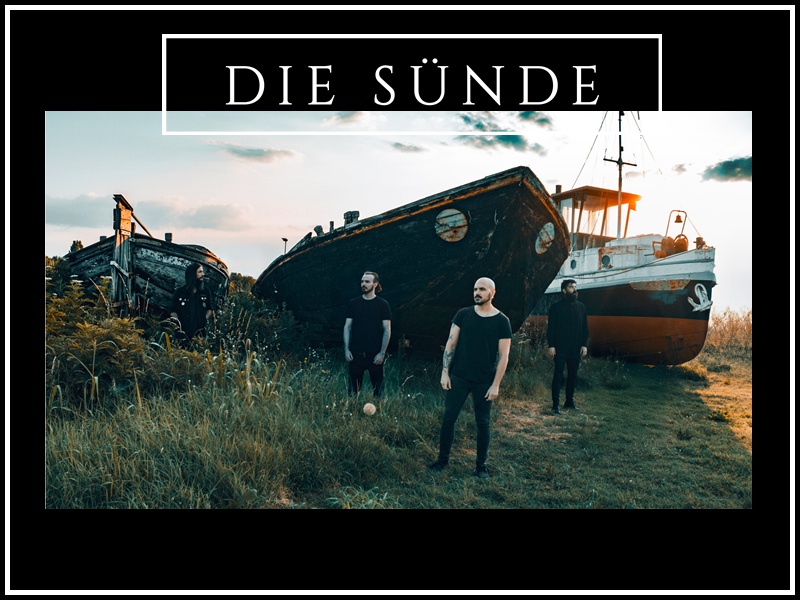
Con i Die Sünde di Simone Carraro, Michael Anthony Foti e Nicola ci addentriamo nelle acque tormentate di “Effemeridi”, album di debutto sulla lunga distanza in uscita il 13 novembre per Time To Kill Records. Tra black metal, tensioni post-metal e un immaginario che affonda le radici nel subconscio, il disco racconta il naufragio come passaggio necessario per abbandonare le proprie certezze e scoprire cosa si nasconde oltre la riva sicura. Simone e Michael ci accompagnano dentro le coordinate emotive e sonore di un lavoro in cui nulla è lasciato al caso.
Ciao ragazzi, grazie per la vostra disponibilità! Il 13 novembre uscirà “Effemeridi”, il vostro primo album sulla lunga distanza, dopo gli EP “Die Sünde” e “Strega”. Il titolo richiama gli strumenti astronomici utilizzati per orientarsi attraverso le stelle. Quale viaggio interiore avete voluto raccontare attraverso questo disco?
Simone: L’album tratta, in un immaginario nautico, del viaggio interiore consapevole o inconsapevole che ognuno di noi intraprende almeno una volta nella vita per cercare di razionalizzare e reagire a un dolore e lasciarsi alle spalle uno stato di fatto che, per quanto ci tenga al sicuro e protetti dal subire ulteriori sofferenze, ci rende totalmente immobili e succubi di esso. Lasciare quella “riva sicura” per una rotta dettata dalle stelle come nostre uniche coordinate, che rappresentano i nostri desideri e le nostre pulsioni inconsce, ci permette non solo di “guarire” e migliorarci, ma anche di realizzarci e autodeterminarci nell’evoluzione di un nuovo Io. È una strada però lastricata da conflitti, difficoltà e scissioni pronte a farci naufragare nel nostro subconscio e nelle nostre paure. Ed è nel momento di maggiore difficoltà che capiremo cosa troveremo alla fine del nostro viaggio, se saremo capaci di riemergere e capire a quel punto dove siamo finiti e chi o cosa siamo diventati veramente.
“Ed Egli Mostrerà Noi Il Suo Volere” è il terzo brano dell’album e lo avete descritto come la canzone più diretta e nervosa che abbiate mai scritto. Le sue immagini evocano una lotta disperata contro il mare, destinata a concludersi con la resa. Quale storia si nasconde dietro questo testo?
Simone: È esattamente quello che volevamo rendere e tradurre in musica. È il momento in cui la tempesta, che rappresenta le difficoltà, i tormenti e le asperità della vita, ci rende naufraghi e in balia del mare, che rappresenta il nostro subconscio, al quale infine soccombiamo, cadendo completamente preda delle nostre paure.
In “Effemeridi” convivono screaming, vocalizzi puliti, interventi corali e aperture atmosferiche. Michael, come avete lavorato sulle diverse interpretazioni vocali per dare a ogni brano una personalità espressiva specifica?
Michael: Le scelte vocali sono sempre frutto di istinto. Infatti, prima di stendere le tracce di voce, attendo sempre che le strumentali siano concluse. Un singolo riff di chitarra, o anche semplicemente un groove di batteria, possono cambiare drasticamente il carico emotivo che può generarmi un pezzo. Tuttavia, l’istinto non è l’unico elemento in gioco. Ogni canzone mi ha portato a percorrere strade non battute, e non per un senso di “sfida”, ma perché devo dare tutto ciò che la mia anima può offrire per poter trasmettere il messaggio. Molto spesso ciò mi ha causato problemi non indifferenti in termini di stress e frustrazione, uniti alla mia estrema severità nei miei confronti. Ma ciò mi ha anche permesso di crescere.
Simone Carraro parte spesso dai riff di chitarra e dalle prime idee di struttura, atmosfera e concept, che poi vengono sviluppate collettivamente. C’è un brano di “Effemeridi” che ha preso una direzione completamente diversa da quella immaginata durante le prime fasi della composizione?
Simone: Sicuramente il quinto brano, “Contro Cui Nulla Possiamo Se Non Fendere Tenebre”, ne è un ottimo esempio. I riff erano lì, ma mettendo mano ai progetti con Nicola ne sono state stravolte la struttura e l’incedere, rendendo la seconda parte del brano quello che noi pensiamo essere l’ottimo connubio tra black metal e post-metal.
Per il nuovo album avete coinvolto anche Carlo Giacomel come compositore aggiuntivo alla chitarra. Quale contributo ha portato al disco e c’è un passaggio particolare in cui il suo intervento ha cambiato sensibilmente il risultato finale?
Nicola: Carlo ha fatto parte della nostra line-up durante la composizione di “Effemeridi”, ma ha deciso di lasciare il progetto a metà del 2026. Il suo è stato un apporto attivo nella scrittura dei pezzi e le sue contaminazioni sono ben presenti in tutte le tracce del disco. Sicuramente, il brano in cui è più presente la sua indole “noise” è la quarta traccia, “A Cui Inermi Siamo”.
Dopo il debutto omonimo del 2020 e “Strega” del 2022, “Effemeridi” amplia ulteriormente il vostro universo sonoro. Riascoltando oggi quei primi lavori, qual è l’aspetto della vostra identità artistica che sentite di aver trasformato maggiormente in questi anni?
Simone: Direi l’ecletticità musicale della nostra proposta, anche se, più che parlare di trasformazione, parlerei di maturazione e consolidamento. Non ci è mai piaciuto pensare di essere chiusi in stilemi musicali definiti e tutto quello che abbiamo fatto non è mai stato frutto di forzature per entrare in questo o quel filone. Abbiamo sempre fatto quello che più ci sentivamo di fare e con quest’album penso che abbiamo intrapreso un ulteriore e deciso passo in avanti verso questa apertura musicale.
Il nome Die Sünde nasce da un dipinto di Franz von Stuck che vi aveva colpito per il suo immaginario legato al peccato, all’occultismo e alla trasgressione dei canoni morali. Quanto conta ancora oggi la dimensione visiva e simbolica nella costruzione della vostra musica, e quali altre immagini o opere hanno influenzato il vostro percorso?
Simone: A dire il vero, quando componiamo cerchiamo sempre di esulare da qualsiasi fonte diretta di canonica ispirazione. Ovviamente siamo consci che è impossibile farlo al 100%, ma tendiamo sempre a comporre partendo da quello che sentiamo dentro e dal nostro coinvolgimento nel vissuto quotidiano. Detto ciò, la componente visiva e simbolica è fondamentale per noi perché è un mezzo estremamente forte per veicolare i nostri messaggi, anche se è sempre funzionale a essi e mai causa di essi. Permea tutto ciò che proponiamo, a partire dagli artwork, come per i video e le proiezioni, fino al merch prodotto e, ovviamente, alle performance live. Nulla è a caso e tutto ha un suo significato e una sua coerenza.
Avete incontrato Enrico di Time To Kill Records al Frantic Festival, dove avete eseguito “Strega” per intero, dando avvio alla collaborazione che ha portato alla pubblicazione di “Effemeridi”. Che ricordo conservate di quella serata e quanto ha significato vedere il vostro progetto attirare l’attenzione di un’etichetta con cui condividete una visione musicale?
Simone: Beh, direi che significa davvero tutto per noi. Vedi, noi amiamo circondarci e collaborare con persone che credono in noi e che condividono con noi visioni e passioni: per noi è assolutamente fondamentale, ed Enrico e la Time To Kill ne sono stati un’ulteriore prova. Ci siamo trovati subito con Enrico, siamo tutte persone che hanno estremamente a cuore quello che fanno: si vede e si sente, quindi c’è stata subito simpatia e sintonia. Ci siamo scambiati la stima reciproca per i nostri progetti, abbiamo parlato di quelli futuri e, ovviamente, dell’interesse reciproco nel percorrere questa nuova tappa del nostro cammino assieme. Ed infine eccoci qui, ne siamo davvero entusiasti.
Avete già annunciato diverse date tra ottobre e dicembre, comprese le esibizioni a Bologna il giorno dell’uscita dell’album e a Parma insieme a This Will Destroy You e Cahill // Costello. Quali sono le vostre aspettative per questi concerti e avete già in programma nuove date o idee compositive per il futuro dei Die Sünde?
Simone: Personalmente tratto ogni concerto che facciamo, dal più grande al più piccolo, con la medesima intensità, quasi come fosse l’ultimo per me. Non do mai nulla per scontato e il rispetto per ogni singola persona coinvolta negli eventi, dagli organizzatori alle band, dai tecnici ai gestori e al pubblico, è massimo. Mi sento coinvolto al 100% ed è sempre un’esperienza piena e sconvolgente che spero di poter trasmettere genuinamente in quello che facciamo. Quindi, con la massima umiltà, non vedo l’ora di salire sul palco per lasciare lì tutto, conoscere nuove persone, riabbracciarne altre e condividere visioni e opinioni con tutti loro. Ovviamente non vediamo l’ora di aggiungerne altre e stiamo lavorando sodo per il 2027, mentre per la fase compositiva, a tempo debito, cominceremo a raccogliere eventuali idee e spunti per il nuovo materiale.
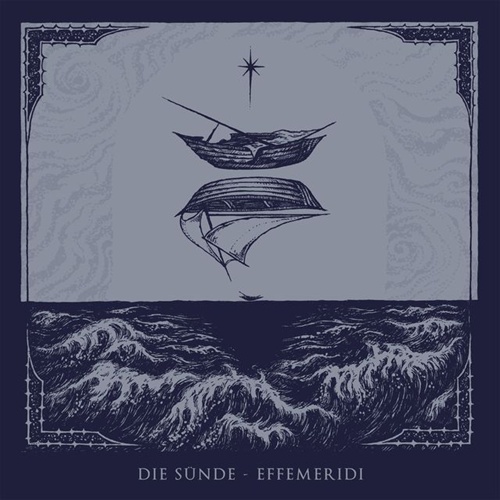
With Die Sünde, Simone Carraro, Michael Anthony Foti and Nicola, we venture into the troubled waters of “Effemeridi”, the band’s first full-length album, due out on November 13 via Time To Kill Records. Blending black metal, post-metal tension and imagery rooted in the subconscious, the record portrays shipwreck as a necessary passage towards abandoning old certainties and discovering what lies beyond the safety of the shore. Simone and Michael guide us through the emotional and sonic coordinates of an album in which nothing is left to chance.
Hi Die Sünde, thank you for taking the time to talk to us! On November 13, “Effemeridi” will be released, your first full-length album following the EPs “Die Sünde” and “Strega”. The title refers to astronomical tables used to navigate by the stars. What kind of inner journey did you want to explore through this record?
Simone: Through a nautical imaginary, the album deals with the conscious or unconscious inner journey that each of us undertakes at least once in our lives in an attempt to rationalize and react to pain, and to leave behind a situation that, while keeping us safe and protecting us from further suffering, also leaves us completely motionless and subservient to it. Leaving that “safe shore” behind and setting sail on a course guided by the stars as our only coordinates, representing our desires and unconscious impulses, allows us not only to “heal” and improve ourselves, but also to fulfill ourselves and determine our own path as we evolve into a new Self. However, this is a road paved with conflicts, difficulties and divisions that threaten to make us shipwreck in our subconscious and our fears. It is at the moment of greatest difficulty that we will understand what awaits us at the end of our journey, if we are able to resurface and finally realize where we have ended up and who or what we have truly become.
“Ed Egli Mostrerà Noi Il Suo Volere” is the album’s third track, and you have described it as the most direct and nervous song you have ever written. Its imagery evokes a desperate struggle against the sea, destined to end in surrender. What story lies behind these lyrics?
Simone: That is exactly what we wanted to convey and translate into music. It is the moment when the storm, representing life’s difficulties, torments and hardships, leaves us shipwrecked and at the mercy of the sea, which represents our subconscious, to which we ultimately succumb, becoming completely prey to our fears.
“Effemeridi” features screaming, clean vocal passages, choral sections and atmospheric openings. Michael, how did you work on the different vocal approaches to give each track its own expressive identity?
Michael: Vocal choices are always driven by instinct. In fact, I always wait until the instrumentals are finished before recording the vocal tracks. A single guitar riff, or even just a drum groove, can drastically change the emotional response a song triggers in me. However, instinct is not the only factor at play. Each song has led me down uncharted paths, not out of a sense of “challenge”, but because I have to give everything my soul can offer in order to convey the message. Very often, this has caused me considerable problems in terms of stress and frustration, compounded by the fact that I am extremely hard on myself. But it has also allowed me to grow.
Simone Carraro often starts with guitar riffs and initial ideas about structure, atmosphere and concept, which are then developed collectively. Is there a track on “Effemeridi” that took a completely different direction from the one you had envisioned during the early stages of composition?
Simone: The fifth track, “Contro Cui Nulla Possiamo Se Non Fendere Tenebre”, is certainly a great example. The riffs were already there, but when Nicola and I started working on the project files, the structure and progression of the song were completely transformed. This turned the second half of the track into what we believe is an excellent combination of black metal and post-metal.
For the new album, you also brought in Carlo Giacomel as an additional guitar composer. What did he contribute to the record, and is there a particular passage where his input significantly changed the final result?
Nicola: Carlo was part of our line-up during the composition of “Effemeridi”, but he decided to leave the project in mid-2026. He actively contributed to the songwriting, and his influences are clearly present throughout all the tracks on the album. The fourth track, “A Cui Inermi Siamo”, is certainly the one that best showcases his “noise” sensibility.
Following your self-titled 2020 debut and 2022’s “Strega”, “Effemeridi” further expands your sonic universe. Looking back at those early releases today, which aspect of your artistic identity do you feel has changed the most over the years?
Simone: I would say the eclectic nature of our musical approach, although rather than talking about transformation, I would speak of maturation and consolidation. We have never liked the idea of being confined to specific musical conventions, and nothing we have done has ever been the result of forcing ourselves into one genre or another. We have always done what we felt most compelled to do, and with this album I think we have taken another significant step forward in opening up our musical horizons.
The name Die Sünde comes from a painting by Franz von Stuck that caught your attention because of its imagery of sin, occultism and the transgression of moral boundaries. How important are visual and symbolic elements in shaping your music today, and what other images or works have influenced your journey?
Simone: To be honest, when we compose, we always try to distance ourselves from any direct, conventional source of inspiration. Obviously, we are aware that doing so 100% is impossible, but we always tend to write music based on what we feel inside and how our everyday experiences affect us. That said, visual and symbolic elements are fundamental to us because they are an extremely powerful way of conveying our messages, even though they always serve those messages rather than being their cause. They permeate everything we do, from the artwork to the videos and projections, all the way to our merchandise and, of course, our live performances. Nothing is accidental, and everything has its own meaning and coherence.
You met Enrico from Time To Kill Records at Frantic Festival, where you performed “Strega” in its entirety, setting in motion the collaboration that led to the release of “Effemeridi”. What memories do you have of that night, and what did it mean to see your project attract the attention of a label with which you share a musical vision?
Simone: Well, I would say it means absolutely everything to us. You see, we love surrounding ourselves with and collaborating with people who believe in us and share our visions and passions. This is absolutely essential to us, and Enrico and Time To Kill have been further proof of that. We immediately clicked with Enrico. We are all people who care deeply about what we do, and it shows and can be felt, so there was an immediate sense of warmth and understanding. We expressed our mutual appreciation for each other’s projects, talked about future plans and, of course, about our shared interest in taking this next step of our journey together. And here we are. We are truly thrilled.
You have already announced several dates between October and December, including a show in Bologna on the album’s release day and a performance in Parma alongside This Will Destroy You and Cahill // Costello. What are your expectations for these shows, and do you already have further dates or compositional ideas planned for the future of Die Sünde?
Simone: Personally, I approach every concert we play, from the biggest to the smallest, with the same intensity, almost as if it were my last. I never take anything for granted, and I have the utmost respect for every person involved in these events, from the organizers and bands to the technicians, venue operators and audience. I am fully committed, 100%, and every show is an intense, overwhelming experience that I hope to convey genuinely through what we do. So, with the utmost humility, I cannot wait to get on stage and give everything I have, meet new people, embrace others again and share ideas and perspectives with all of them. Of course, we cannot wait to add more dates, and we are working hard on our plans for 2027. As for the songwriting process, when the time is right, we will start gathering ideas and inspiration for new material.

