
ENGLISH VERSION BELOW: PLEASE, SCROLL DOWN!
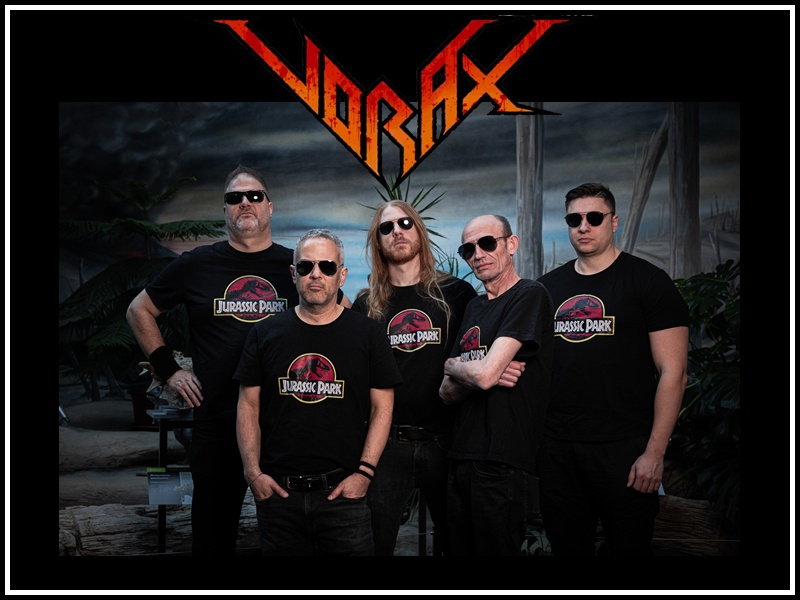
Con i Vorax, Ben e i suoi compagni di band riportano il credo del death metal old-school alle sue radici più selvagge con “Volcano Shock”, un debutto forgiato tra cataclismi preistorici, riff assassini e un approccio analogico senza compromessi. Completamente DIY, l’album trasforma dinosauri, vulcani ed estinzione nel carburante perfetto per un disco che suona meno come un esercizio nostalgico e più come una vera dichiarazione d’intenti.
Prima di tutto, Ben, grazie per aver trovato il tempo di parlare con noi e benvenuto su Il Raglio Del Mulo. Con “Volcano Shock” avete realizzato un album che sembra una vera e propria dichiarazione d’intenti, un disco che celebra le radici del death metal attraverso un approccio completamente intransigente e in gran parte analogico. Qual è stata la scintilla che ha dato vita a questo progetto e cosa volevate che gli ascoltatori capissero fin dall’inizio?
Grazie per l’intervista! Onestamente, ci siamo chiesti: come mai nessuno ha mai scritto canzoni death metal sui dinosauri? Cosa c’è di più metal dei dinosauri, dei vulcani, dell’estinzione e della legge spietata della sopravvivenza? Fin dall’inizio, l’obiettivo era semplice: creare il tipo di death metal che amiamo davvero. Niente mode, niente compromessi. Volevamo che gli ascoltatori capissero immediatamente che Vorax significa autenticità, convinzione e pura energia death metal old-school.
Il titolo e i testi dell’album trasportano gli ascoltatori in un mondo dominato da vulcani, dinosauri e cataclismi preistorici. Cosa vi affascina maggiormente di quell’epoca e come è diventata il concept centrale che tiene insieme l’intero disco?
Ci affascina il modo in cui quel mondo fosse brutale e indifferente. Tutto era governato dalla sopravvivenza, dall’adattamento e dall’estinzione. Per molti versi, è l’ambientazione più primordiale che si possa immaginare, il che la rende perfetta per il death metal. Il concept si è sviluppato in modo naturale. Una volta che abbiamo iniziato a scrivere di dinosauri e sopravvivenza preistorica, i temi dei cataclismi naturali, delle eruzioni vulcaniche e degli eventi di estinzione sono arrivati quasi automaticamente. Ogni canzone esplora un aspetto diverso di quel mondo, ma sono tutte collegate dalla stessa atmosfera di caos, violenza e sopravvivenza contro ogni probabilità.
“Volcano Shock” esplora vulcani, dinosauri e sopravvivenza preistorica. Film come “Jurassic Park” hanno contribuito a plasmare il vostro fascino per questi temi? E dopo la recente scomparsa di Sam Neill, vi siete ritrovati a riflettere sull’impatto che quel film, e la sua interpretazione del Dottor Alan Grant, hanno avuto sulla vostra immaginazione?
Assolutamente. “Jurassic Park” ha avuto un enorme impatto su di noi e probabilmente su un’intera generazione di appassionati di dinosauri. È stato il film che ha fatto sembrare i dinosauri reali e capaci di suscitare meraviglia, contribuendo a plasmare il nostro fascino per i mondi preistorici. Ovviamente siamo rimasti addolorati dalla scomparsa di Sam Neill. Abbiamo perso un attore dotato di grande carisma e presenza scenica. La sua interpretazione del Dottor Alan Grant ha contribuito a creare quel senso di meraviglia, eccitazione e avventura che caratterizzava “Jurassic Park”. Alan Grant è diventato l’archetipo dell’avventuriero, subito dietro all’unico e solo Indiana Jones, se me lo chiedi. Al di là di “Jurassic Park”, ha interpretato ruoli da protagonista in molti film amatissimi, tra cui “Event Horizon”, “In The Mouth Of Madness” e il brillante “Possession”. Ci mancherà moltissimo sul grande schermo.
Al di là del concept, la musica stessa colpisce per l’equilibrio tra aggressività selvaggia, groove memorabili e lo spirito del death metal di fine anni ’80 e inizio anni ’90. Come avete affrontato la scrittura dei brani per catturare quella sensazione senza limitarvi a ricreare il passato?
Siamo grandi fan del death metal classico e l’obiettivo era catturare la mentalità, piuttosto che imitare dischi specifici. Per noi, riff potenti e songwriting memorabile vengono sempre al primo posto. Ci concentriamo sul groove, sulle dinamiche e sull’atmosfera tanto quanto sull’aggressività. La brutalità è più efficace quando intorno ad essa ci sono tensione e momenti di respiro. Questo approccio ci collega naturalmente all’era tra la fine degli anni ’80 e l’inizio dei ’90, perché molte di quelle band avevano capito che la pesantezza nasce dal contrasto e dall’impatto, non dalla velocità costante.
Uno degli aspetti notevoli di “Volcano Shock” è la produzione. Avete registrato, mixato e masterizzato l’album in gran parte in analogico, utilizzando apparecchiature vintage restaurate e persino uno studio che avete costruito voi stessi. Quanto ha influito questo processo sul sound finale e quali sono state le difficoltà maggiori nel rimanere fedeli a questa filosofia?
Ha influenzato assolutamente tutto. Non volevamo semplicemente il sound di quell’epoca, volevamo il processo che lo aveva creato. Ecco perché abbiamo trascorso anni a collezionare, restaurare e imparare a utilizzare apparecchiature vintage, macchine a nastro e outboard analogici. Abbiamo persino costruito noi stessi lo studio seguendo quella visione. La difficoltà maggiore è che la registrazione analogica non perdona gli errori. Devi impegnarti nelle performance, nei suoni e nelle decisioni che prendi. Non c’è una rete di sicurezza che ti permetta di modificare tutto all’infinito in seguito. Ma questa difficoltà è anche la ricompensa. Le imperfezioni, l’elemento umano e l’imprevedibilità contribuiscono tutti a un sound che sembra vivo e unico.
Vorax riunisce musicisti provenienti da band leggendarie come Messiah, Omophagia e Death Kommander. Come si sono fuse le vostre diverse esperienze per creare l’identità dei Vorax e cosa vi ha spinto a iniziare qualcosa di completamente nuovo invece di proseguire lungo percorsi già conosciuti?
Ci conosciamo tutti da molto tempo ed eravamo già amici prima che esistessero i Vorax. Quando la pandemia ha messo in pausa molte attività musicali, ha creato una rara opportunità per iniziare qualcosa di nuovo insieme. Condividiamo tutti una profonda passione per il death metal old-school. Questa base comune ha fatto sì che tutto funzionasse in modo molto naturale. Vorax ci ha dato la libertà di costruire qualcosa da zero intorno alla musica e ai temi che amiamo di più, senza doverci adattare a nessun contesto già esistente.
In un momento in cui molti album di metal estremo fanno largo affidamento su editing digitale, trigger e perfezione da studio, voi avete deliberatamente scelto di andare nella direzione opposta. Pensate che le produzioni moderne stiano perdendo parte dell’elemento umano e selvaggio, o c’è ancora spazio per entrambi gli approcci all’interno della scena death metal odierna?
C’è sicuramente spazio per entrambi gli approcci. Se qualcuno vuole una produzione patinata e fortemente editata, è una sua scelta, e molte di queste produzioni suonano davvero bene. Tuttavia, pensiamo che spesso le produzioni moderne siano prive di identità e finiscano per suonare intercambiabili. Per noi, quando le cose diventano troppo patinate, si perde qualcosa di importante. L’elemento umano, la crudezza e l’onestà che fanno sembrare reale una performance spesso si trovano nelle imperfezioni. Sono quei piccoli dettagli a ricordarti che dietro agli strumenti ci sono persone vere. Vogliamo che le nostre registrazioni suonino vive, piuttosto che perfette.
“Volcano Shock” è stato realizzato come un’impresa completamente DIY, dalla costruzione dello studio alla produzione dell’album fatta da voi stessi. Guardando indietro, c’è stato un momento particolare durante il processo di registrazione in cui avete capito di aver finalmente catturato il sound che avevate sempre immaginato per i Vorax?
Non c’è stato un momento particolarmente drammatico, ma ci sono stati diversi punti in cui le cose hanno iniziato ad andare al loro posto. Sentire le tracce che tornavano dal nastro, passavano attraverso la console Studer e vedere come tutti gli elementi interagivano tra loro è stato incredibilmente appagante. La vera conferma è probabilmente arrivata quando abbiamo ascoltato i mix definitivi e ci siamo resi conto che suonavano come Vorax: il sound, le dinamiche e l’energia delle nostre sessioni di prova e dei concerti dal vivo. È stato allora che abbiamo capito che suona unico perché suona come noi e che tutto lo sbattimento ne era valsa la pena.
“Volcano Shock” è un debutto potente, dotato di un’identità molto distintiva. Guardando al futuro, quali sono i prossimi obiettivi dei Vorax e quanto intendete spingere questa filosofia old-school nelle vostre prossime uscite?
La buona notizia è che stiamo già lavorando al prossimo album. “Volcano Shock” ha richiesto molto tempo per essere completato a causa della quantità di lavoro necessaria, ma stiamo già registrando nuovo materiale. Per quanto riguarda la filosofia, non vediamo alcun motivo per cambiarla. L’approccio old-school non è un espediente per noi, è semplicemente il modo in cui preferiamo creare musica. Continueremo a esplorare la registrazione analogica, la produzione DIY e le performance autentiche il più possibile. Abbiamo imparato molto da “Volcano Shock”, quindi non vediamo l’ora di applicare tutto ciò che abbiamo imparato al nostro prossimo disco!
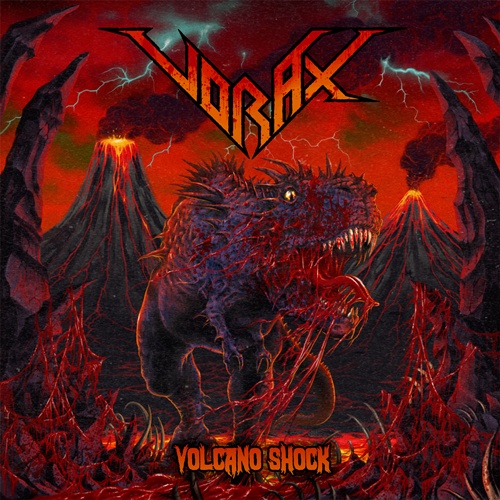
With Vorax, Ben and his bandmates have taken the old-school death metal credo back to its rawest roots with “Volcano Shock”, a debut forged between prehistoric cataclysms, savage riffs and an uncompromising analog approach. Entirely DIY, the album turns dinosaurs, volcanoes and extinction into the perfect fuel for a record that sounds less like a nostalgic exercise and more like a genuine declaration of intent.
First of all, Ben, thank you for taking the time to speak with us and welcome to Il Raglio Del Mulo. With “Volcano Shock” you’ve delivered an album that feels like a true statement of intent, a record that celebrates the roots of death metal through a completely uncompromising, largely analog approach. What was the spark that gave birth to this project, and what did you want listeners to understand from the very beginning?
Thank you for the interview! Honestly, we thought how come no one has ever written death metal songs about dinosaurs. What’s more metal than dinosaurs, volcanoes, extinction and the raw law of survival? From the beginning, the goal was simple: create the kind of death metal we genuinely love. No trends, no compromises. We wanted listeners to understand immediately that Vorax is about old-school death metal authenticity, conviction and raw energy.
The album’s title and lyrics transport listeners into a world ruled by volcanoes, dinosaurs and prehistoric cataclysms. What fascinates you most about that era, and how did it become the central concept that ties the entire record together?
What fascinates us is how brutal and indifferent that world was. Everything was governed by survival, adaptation and extinction. In many ways, it is the most primal setting imaginable, which makes it a perfect fit for death metal. The concept developed naturally. Once we started writing about dinosaurs and prehistoric survival, the themes of natural cataclysms, volcanic eruptions and extinction events followed almost automatically. Every song explores a different aspect of that world, but they are all connected through the same atmosphere of chaos, violence and survival against the odds.
“Volcano Shock” explores volcanoes, dinosaurs and prehistoric survival. Did movies like “Jurassic Park” help shape your fascination with these themes? And after the recent passing of Sam Neill, did you find yourself reflecting on the impact that film, and his portrayal of Dr. Alan Grant, had on your imagination?
Absolutely. “Jurassic Park” had a huge impact on us and probably on an entire generation of dinosaur fans. It was the film that made dinosaurs feel real and awe-inspiring, and it helped shape our fascination with prehistoric worlds. We were of course saddened by the passing of Sam Neill. We lost an actor of great charisma and presence. His portrayal of Dr. Alan Grant helped to create a sense of wonder, excitement and adventure in “Jurassic Park”. Alan Grant became the archetype of an adventurer, a close second to the one and only Indiana Jones, if you ask me. Beyond “Jurassic Park”, he played leading roles in many beloved films, including “Event Horizon”, “In The Mouth Of Madness” and the brilliant “Possession”. He will be sorely missed on the silver screen.
Beyond the concept, the music itself strikes a balance between savage aggression, memorable grooves and the spirit of late ’80s and early ’90s death metal. How did you approach the songwriting to capture that timeless feeling without simply recreating the past?
We are huge fans of classic death metal, and the goal was to capture the mindset rather than imitate specific records. For us, strong riffs and memorable songwriting always come first. We focus on groove, dynamics and atmosphere just as much as aggression. Brutality is most effective when there is tension and breathing room around it. That approach naturally connects us with the late ’80s and early ’90s era, because many of those bands understood that heaviness comes from contrast and impact, not constant speed.
One of the most remarkable aspects of “Volcano Shock” is the production. You recorded, mixed and mastered the album largely in analog, using restored vintage equipment and even a studio you built yourselves. How much did that process shape the final sound, and what were the biggest challenges of staying true to that philosophy?
It shaped absolutely everything. We didn’t just want the sound of that era, we wanted the process that created it. That’s why we spent years collecting, restoring and learning how to use vintage equipment, tape machines and analog outboard gear. We even built the studio ourselves around that vision. The biggest challenge is that analog recording doesn’t forgive mistakes. You have to commit to performances, tones and decisions. There is no safety net where you endlessly edit everything afterwards. But that challenge is also the reward. The imperfections, the human element and the unpredictability all contribute to a sound that feels alive and unique.
Vorax brings together musicians from legendary bands such as Messiah, Omophagia and Death Kommander. How did your different backgrounds come together to create the identity of Vorax, and what inspired you to start something entirely new instead of continuing along familiar paths?
We’ve all known each other for a long time and were already friends before Vorax existed. When the pandemic put many musical activities on hold, it created a rare opportunity to start something new together. We all share a deep passion for old-school death metal. That common foundation made everything click very naturally. Vorax gave us the freedom to build something from the ground up around the music and themes we love most, without having to fit into any existing framework.
At a time when many extreme metal albums rely heavily on digital editing, triggers and studio perfection, you’ve deliberately gone in the opposite direction. Do you think modern productions are losing some of the raw human element, or is there still room for both approaches within today’s death metal scene?
There is definitely room for both approaches. If someone wants a polished, highly edited production, that’s their choice – and a lot of those productions do sound good. However, we do think that modern productions often lack identity and sound interchangeable. For us, if things become too polished, something important gets lost. The human element, the rawness and the honesty that make a performance feel real are often found in the imperfections. Those little details remind you that there are actual people behind the instruments. We want our recordings to sound alive rather than perfect.
“Volcano Shock” was created as a completely DIY effort, from building the studio to producing the album yourselves. Looking back, was there a particular moment during the recording process when you realized you had finally captured the sound you had always envisioned for Vorax?
There wasn’t one dramatic moment, but there were several points where things started falling into place. Hearing the tracks coming back from tape, running through the Studer console and seeing how all the pieces interacted was incredibly satisfying. The real confirmation probably came when we listened to the finished mixes and realized that they sound like Vorax – the sound, dynamics and energy from our rehearsal sessions and live gigs. That’s when we knew that it sounds unique because it sounds like us, and that all the effort has been worth it.
“Volcano Shock” is a powerful debut with a very distinctive identity. Looking ahead, what are the next goals for Vorax, and how far do you intend to push this old-school philosophy in your future releases?
The good news is that we are already working on the next album. “Volcano Shock” took a long time to complete because of the amount of work involved, but new material is already being recorded. As for the philosophy, we don’t see any reason to change it. The old-school approach isn’t a gimmick for us, it’s simply how we prefer to create music. We will continue exploring analog recording, DIY production and authentic performances as far as possible. We have learned a lot from “Volcano Shock”, so we’re eager to apply all the learnings on our next record!

