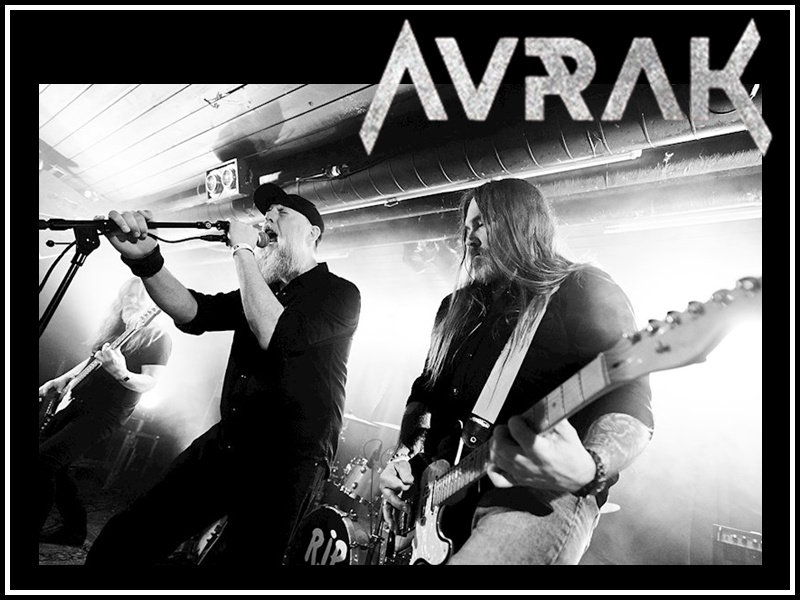

ENGLISH VERSION BELOW: PLEASE, SCROLL DOWN!
Nati dalla comune visione musicale di Anders Hegna e Ted “Nocturno Culto” Skjellum (Darkthrone), gli Avrak debuttano con il loro omonimo album, pubblicato da Peaceville Records, fondendo l’Heavy Metal classico e il doom con synth, chitarra Moog, effetti e inattese sfumature black metal. Anders Hegna ci accompagna alle origini del progetto, attraverso il meticoloso processo di scrittura, l’arrivo di Terje Kråbøl e Steinar Gundersen e i primi passi della band dallo studio al palco.
Grazie per essere con noi. “Avrak”, il vostro omonimo debutto, presenta una band nata dalla passione condivisa per il classic rock e l’Heavy Metal, ampliando al contempo queste fondamenta attraverso il doom, passaggi di synth e persino tracce di black metal. Come hanno iniziato a prendere forma le prime canzoni e cosa vi ha fatto capire immediatamente che stava diventando qualcosa di più di una semplice collaborazione?
Quando abbiamo deciso di lavorare insieme, dopo averne parlato per diversi anni, abbiamo riempito un’auto di strumenti musicali, cibo e birra e siamo partiti per un viaggio verso una baita sulle montagne del Telemark, in Norvegia. Avevamo programmato di rimanere circa cinque giorni. Non avevamo piani musicali su cosa fare, nessuna direzione musicale prestabilita, volevamo semplicemente vedere cosa sarebbe successo musicalmente. Quando abbiamo iniziato a suonare, si trattava soltanto di qualche jam e di mostrarci a vicenda alcuni riff e idee, e quando è arrivato il riff introduttivo di “Forever Mountain”, siamo partiti da lì, e già al secondo giorno l’ossatura di quella canzone era quasi terminata. E già allora sapevamo di avere qualcosa su cui valeva la pena lavorare.
Le prime composizioni, a quanto pare, hanno preso forma in appena cinque giorni, un processo creativo insolitamente rapido per una band appena nata. Cosa stava succedendo durante quelle sessioni iniziali che ha permesso alla scrittura di svilupparsi con tale immediatezza, e quell’approccio istintivo ha stabilito alcune delle caratteristiche che alla fine hanno definito “Avrak”?
Quasi per coincidenza, fin dall’inizio avevamo accordature differenti per le chitarre. Io suonavo in D-A-D-G-A-D, mentre Ted era in accordatura standard di Mi. Questo ci ha costretti fin dall’inizio a suonare cose diverse. E questo è andato avanti per tutto l’album, le chitarre sono una parte molto importante del sound. Ogni canzone è iniziata con un riff di chitarra o con un’idea per la chitarra e da lì siamo andati avanti. Quindi, se avevo un’idea, Ted si inseriva e suonava le sue cose sopra quella e viceversa. Da lì abbiamo sviluppato insieme la canzone. Abbiamo mescolato idee e riff per molto tempo, fino ad arrivare al risultato finale. Alcune canzoni sono nate piuttosto velocemente, ma il processo dalle prime versioni dei brani al risultato finale è stato lungo. Ma la cosa principale che è successa durante quella prima sessione nella baita è stata scoprire che siamo entrambi perfettamente contenti di stare seduti per sei-otto ore, o anche di più…!, a suonare lo stesso riff o parti di una canzone ancora e ancora per lavorare sui dettagli più piccoli. Vogliamo che sia “perfetto”, secondo la nostra opinione, e siamo felici di dedicare il tempo necessario per arrivarci. Immagino che altri morirebbero di noia con questo approccio. Ma noi siamo semplicemente due ragazzi che amano suonare la chitarra, ahah.
L’album è stato descritto come un “viaggio nell’Heavy Metal dalle vette delle montagne alle profondità dei mari”, mentre i suoi temi lirici affrontano l’empowerment in tempi sempre più corrotti. Come sono state tradotte nella musica e nei testi, lungo le nove tracce, queste immagini di paesaggi sconfinati, avversità e resistenza?
Il fatto è che in Norvegia, non importa dove vivi, se esci dalla porta e giri a sinistra o a destra, probabilmente ti ritrovi nel bosco entro cinque minuti. Siamo molto vicini alla natura e la utilizziamo molto per la ricreazione e anche per l’ispirazione. Questo progetto è iniziato in una baita molto in alto sulle montagne. La nostra prima canzone si chiama “Forever Mountain”, la nostra ultima canzone si chiama “Hav”, che in norvegese significa “Il mare o l’oceano”. Allo stesso tempo siamo connessi al mondo come tutti gli altri. Penso che vivere in una società moderna ti costringa ad avere un rapporto con entrambe le cose. Sperimentare la natura, che si tratti di una grande montagna, di un fiume, di un fiore o dell’immensità dell’oceano, ti dà una prospettiva. Non so davvero se questo si rifletta nei testi degli Avrak, ma probabilmente sì. Suppongo che spetti a voi, come pubblico, decidere.
Sebbene le fondamenta rimangano saldamente radicate nell’Heavy Metal classico e nel doom rock, “Avrak” introduce anche sintetizzatori, chitarra Moog, effetti e occasionali elementi black metal. Quanto era importante permettere a questi elementi meno convenzionali di entrare negli arrangiamenti senza perdere l’immediatezza e l’impatto fisico che definiscono il sound di base della band?
Una frase ricorrente negli Avrak è “non chiudiamo nessuna porta”. Significa che lavoriamo senza alcuna limitazione. Se qualcuno ha un’idea, beh, proviamola. Siamo i critici più severi di tutti quando si tratta del prodotto finale. E avendo lavorato su questo materiale per così tanto tempo, sappiamo cosa suona bene e cosa no all’interno della canzone. Per noi. È tutto ciò che conta. Quindi gli elementi a cui ti riferisci sono arrivati naturalmente e facevano parte del processo creativo. Quindi, quando finiamo per usare un synth, la voce in un certo modo, una progressione di accordi o effetti di qualsiasi tipo, quello è il sound della band. È quello che è. Non ci sono regole su ciò che ci permettiamo o non ci permettiamo di fare. Se suona bene per noi e aggiunge qualcosa alla canzone o all’atmosfera/alla vibrazione della canzone, allora diventa parte del nostro sound.
Ted Skjellum porta con sé decenni di esperienza con i Darkthrone, mentre tu sei stato coinvolto in progetti tra cui Nød, El Kayenne e Svidd Grevling. In che modo questi differenti background musicali hanno influenzato il vostro rapporto creativo, e c’è stato qualcosa del lavorare insieme che ha sorpreso entrambi?
Penso che ciò che ci ha sorpreso di più sia stato quanto facilmente le canzoni venissero fuori. Il processo per portare a termine le canzoni non è stato altrettanto semplice. Ma le idee creative di entrambi si sono fuse in modo del tutto naturale. Il fatto, come ho detto prima, che siamo entrambi perfettamente contenti di lavorare per molte ore, nell’arco di settimane e magari mesi, sulla stessa canzone è stata una piacevole sorpresa. C’è sempre spazio per migliorare attraverso le prove, ed entrambi amiamo provare e suonare. Per quanto riguarda il background musicale, ovviamente c’è una grande differenza in termini di esperienza. Ted ha molti più album nel catalogo rispetto a me. Ma io ho suonato cose più varie, credo. Ci conosciamo da così tanto tempo ormai che tutto questo non ha importanza quando lavoriamo sul materiale. In quel momento siamo semplicemente due ragazzi che fanno musica, discutono sui dettagli e cose del genere. Ma alla fine vince sempre la soluzione migliore per la canzone. E spesso, potremmo dire sorprendentemente, siamo d’accordo su quale sia la cosa migliore per la canzone.
L’arrivo di Terje Kråbøl alla batteria ha accelerato il processo creativo, mentre Steinar Gundersen ha poi completato la formazione live al basso. Come sono cambiate le canzoni quando sono passate dalla collaborazione iniziale nella scrittura alle mani di una band completa, in particolare per quanto riguarda ritmo, dinamica e dimensione dal vivo?
Dopo un paio di mesi abbiamo capito che ovviamente avevamo bisogno di un batterista per passare al livello successivo. Abbiamo discusso di un paio di batteristi, ma Ted mi ha convinto rapidamente a contattare Terje, con cui aveva già lavorato in precedenza. E devo dire che sono estremamente soddisfatto di quella decisione. Terje è stato molto chiaro: voleva tracce di chitarra pure, senza batteria, in modo da poterle interpretare a modo suo. Ed è quello che abbiamo fatto. Gli abbiamo mandato alcune canzoni con soltanto le nostre due tracce di chitarra. E lui ha iniziato a lavorarci. Quando ce le ha rimandate con la batteria, siamo rimasti sbalorditi. Per me era esattamente come avevo immaginato la batteria nella mia testa, solo molto meglio! Il suo modo di suonare si è inserito immediatamente nella nostra visione. Ha un modo di suonare la batteria davvero fantastico e pieno di gusto. Riempie gli spazi, prende il comando, fa fill fichissimi e trova sempre la soluzione “corretta”. Quindi è una parte fondamentale del risultato finale. Non posso che elogiarlo. Steinar è entrato nella band proprio quando stavamo per registrare l’album. Non avevamo abbastanza tempo per inserirlo abbastanza velocemente da permettergli di suonare il basso su questo album, quindi alla fine ho suonato io il basso, dato che avevo le canzoni ormai profondamente dentro di me. Ma dopo che abbiamo finito in studio, abbiamo fatto un paio di prove con Steinar, ed è un vero professionista. Ha ascoltato le canzoni e ha capito rapidamente le cose. Per curiosità, ricordo che durante la prima prova in assoluto ci disse: “Devo ammetterlo, ragazzi, ho sottovalutato alcuni degli arrangiamenti delle canzoni, quindi oggi suoniamo quattro canzoni e per la prossima volta sarò pronto con le altre”, ahah. Adoro questa cosa. E la volta successiva ha eseguito alla perfezione tutte le canzoni. Ha il suo modo di suonare i brani, noi ci fidiamo di lui al 100% e suona alla grande. Tutta l’esperienza che porta con sé è davvero straordinaria. Il fatto che sia anche una persona simpatica e tranquilla con cui stare e che viva abbastanza vicino alla nostra sala prove lo ha reso l’ultimo pezzo perfetto del puzzle.
“Avrak” è stato registrato, mixato e masterizzato al Mølla Studio con Knut Magne Valle nel febbraio 2026, appena un paio di mesi prima del concerto di debutto della band a Porsgrunn. La vicinanza tra le sessioni di registrazione e quel primo show ha creato un periodo particolarmente intenso per la band, e suonare i brani dal vivo ha rivelato qualcosa che non era emerso in studio?
Beh, cosa posso dire. Prima del concerto abbiamo fatto un solo giorno di prove insieme… Tutto qui. Era tutto ciò di cui avevamo bisogno. Ted, Terje e io conoscevamo le canzoni dentro e fuori. È abbastanza naturale, abbiamo passato molto tempo su di esse prima di entrare in studio. E, come ho detto nella risposta precedente, Steinar è un professionista. Quindi, in qualche modo, tutto ha funzionato perfettamente fin dal primo brano. Devo anche fare un grande applauso a Knut Magne Valle. Abbiamo realizzato l’intero album in cinque giorni. Siamo arrivati ben preparati, la batteria era stata registrata a Trondheim da Terje e suo figlio Brage una settimana prima. Knut Magne ha approvato il fatto che il suono della loro registrazione fosse buono e lunedì abbiamo iniziato a registrare le chitarre. Venerdì mattina avevamo l’album pronto, mixato e masterizzato… Knut Magne è un mago del suono. Ed è anche un ragazzo davvero simpatico.
Lo show di Porsgrunn ha segnato il momento in cui Avrak ha smesso di esistere soltanto come progetto da studio ed è diventato una vera band dal vivo. Cosa ha rivelato quel primo concerto sull’identità della band e che tipo di esperienza vuole creare Avrak per il pubblico man mano che verranno aggiunte nuove date dal vivo in concomitanza con l’uscita dell’album?
Abbiamo dichiarato fin dall’inizio che la nostra intenzione era suonare questo album dal vivo. E il “concerto di prova” che abbiamo fatto a Porsgrunn ha confermato che eravamo in grado di farlo. Per me, stare lì tra Ted e Steinar a suonare… Cosa posso dire. È stato fantastico, come saltare su un treno che segue semplicemente i binari. Mi fanno sentire piuttosto sicuro nel mio ruolo. Abbiamo alcune date fissate in Norvegia, ma prima dobbiamo far uscire l’album. Ha più senso lasciare che la gente lo ascolti prima e poi speriamo di poter fare altri concerti! Se la gente ci vorrà, noi siamo pronti. Quello che vedrete sono quattro ragazzi che suonano Heavy Metal con i propri strumenti. Un concerto dal vivo puro, vecchia scuola.
Con il debutto omonimo che stabilisce una base musicale così ampia, quale direzione sembra più naturale per il prossimo capitolo degli Avrak: scavare più a fondo nell’Heavy Metal classico e nel doom, ampliare il lato sperimentale con synth ed effetti, oppure seguire la scrittura delle canzoni ovunque conduca senza imporre confini stilistici?
Penso che la tua ultima frase riassuma perfettamente la questione! Confini musicali o “stilistici”? Nah, non per gli Avrak.
Born from the shared musical vision of Anders Hegna and Ted “Nocturno Culto” Skjellum (Darkthrone), Avrak make their debut with their self-titled album, released by Peaceville Records, blending classic Heavy Metal and doom with synths, Moog guitar, effects and unexpected black metal shades. Anders Hegna takes us through the origins of the project, the painstaking songwriting process, the arrival of Terje Kråbøl and Steinar Gundersen, and the band’s first steps from the studio to the live stage.
Thank you for joining us. “Avrak”, your self-titled debut, introduces a band born from a shared passion for classic rock and Heavy Metal, while expanding that foundation through doom, synth passages and even traces of black metal. How did the first songs begin to take shape when Anders Hegna and Ted Skjellum started writing together, and what immediately made it clear that this was becoming something more than a simple collaboration?
When we decided to work together after talking about it for several years, we filled up a car with musical instruments, food and beer and went for a trip to a cabin up in the mountains in Telemark, Norway. We planned to stay for around five days. We had no musical plans for what to do, no planned musical direction, just wanted to see what musically happened. When we started playing, it was just some jamming and showing each other some riffs and ideas, and when the intro riff from “Forever Mountain” came, we went from there, and by day two the shell of that song was almost done. And already by then we knew that we had something worth working with.
The first compositions reportedly came together within just five days, an unusually fast creative process for a new band. What was happening during those initial sessions that allowed the songwriting to develop with such immediacy, and did that instinctive approach establish any of the characteristics that ultimately defined “Avrak”?
By almost a coincidence we had different guitar tunings from the start. I played in D-A-D-G-A-D, and Ted in standard E tuning. This forced us to play different things from the start. And this went on for the whole album, the guitars are a very important part of the sound. Every song started with a guitar riff or a guitar idea and went from there. So if I had an idea, Ted jumped in and played his stuff on top of that and vice versa. And from there we developed the song together. Blending ideas and riffs over a long time to make the final result. We had a few songs started quite quickly, but it was a long process from the first versions of the songs to the final result. But the main thing that happened that first session at the cabin was that we found out that we both are quite happy sitting for like 6-8 hours (or more…!) playing the same riff, or parts of a song over and over again to work on minor details. We want it to be “perfect” in our opinion, and we are happy spending time getting there. Others would be bored to death with this approach I guess. But we are just two guys who love playing guitar haha.
The album has been described as a “Heavy Metal voyage from the peak of the mountains to the depths of the seas”, while its lyrical themes address empowerment in increasingly corrupt times. How were these images of vast landscapes, adversity and resistance translated into the music and lyrics across the nine tracks?
The fact is that in Norway no matter where you live, if you go out of the door and turn left or right, you probably end up in the woods within 5 minutes. We are very close to nature, and use nature a lot for recreation and also inspiration. This project started on a cabin way up in the mountains. Our first song is called “Forever Mountain”, our last song is called “Hav” (which is Norwegian for “The sea or Ocean”). At the same time we are connected to the world as everyone else. I think that living in a modern society forces you to have a relation to both. Experiencing nature, that being a big mountain, a river, a flower or the vastness of the ocean gives you perspective. I don’t really know if that reflects in the lyrics of Avrak, but probably. That’s up to you as an audience to decide I suppose.
Although the foundation remains firmly rooted in classic Heavy Metal and doom rock, “Avrak” also introduces synthesizers, Moog guitar, effects and occasional black metal elements. How important was it to allow these less conventional elements into the arrangements without losing the directness and physical impact that define the band’s core sound?
A saying in Avrak is “we don’t close any doors”. Meaning, we are working without any limitations. If someone has an idea, well let’s try it out then. We are the biggest critics of all when it comes to the end product. And having been working with this material for so long time, we know what sounds good or not within the song. To us. That is all that matters. So the elements you are referring to came naturally, and were a part of the process of creating. So when we end up using synth, vocal in a certain way, chord progression or effects in any way, it is the band’s core sound. It is what it is. There are no rules on what we allow ourselves to do or don’t do. If it sounds good to us, and it adds something to the song or the mood/vibe of the song, well then it becomes a part of our sound.
Ted Skjellum brings decades of experience with Darkthrone, while you have been involved with projects including Nød, El Kayenne and Svidd Grevling. How did those different musical backgrounds influence the creative relationship between you, and was there anything about working together that surprised either of them?
I think that what surprised us the most was how easy the songs came to us. The process of finishing the songs was not that easy. But the creative ideas from both kind of blended together very naturally. The fact, like I stated earlier, that we both are perfectly happy to grind for many hours over weeks and perhaps months with the same song was a pleasant surprise. There is always room for improvements by rehearsing, and we both love rehearsing and playing. Regarding the musical background, there of course is a big difference in experience. Ted has a lot more albums in the catalogue than me. But I have played more varied stuff I guess. We have known each other for so long now, that all this didn’t matter when we are working on the material. There and then we are just two guys making music, having discussions about details and stuff. But the best solution for the song always wins. And we do, you might say surprisingly, often agree on what is best for the song in the end.
The arrival of Terje Kråbøl on drums accelerated the creative process, while Steinar Gundersen later completed the live lineup on bass. How did the songs change once they moved from the initial writing partnership into the hands of a complete band, particularly in terms of rhythm, dynamics and the live dimension?
We knew after a couple of months that we of course needed a drummer to get to the next level. We discussed a couple of drummers, but Ted quickly persuaded me that we should contact Terje who he had worked with before. And I must say I am extremely happy with that decision. Terje was very clear that he wanted pure guitar tracks with no drums so that he could interpret it himself. So that’s what we did. We sent him a few songs with just our two guitar tracks. And then he started to work with it. When we got them in return from him with drums on it we were amazed. For me it was how I had pictured the drums in my mind, only way better! His playing clicked in to our vision immediately. He has an amazing tasty way of drumming. Filling gaps, taking charge, cool fills and always finding the “correct” solution. So he is a big part of how the end result worked out. Can’t praise him enough. Steinar came into the band just as we were about to record the album. We didn’t have time to onboard him fast enough to play bass on this album, so I ended up doing the bass as I had the songs way under my skin. But after we were finished in the studio, we had a couple of rehearsals with Steinar, and he is a pure professional. He listened to the songs, and figured things out quickly. As a curiosity, I remember the very first rehearsal he said to us, “I have to admit guys, that I have underestimated some of the arrangements of the songs, so let’s play four songs today, and I will be ready with the last ones next time” haha. I love that. And he absolutely nailed all the songs next time. He has his way of playing the songs, we trust him 100%, and it sounds great. All the experience that he brings to the table is truly amazing. That he is a nice and cool dude to hang out with, and also lives quite near our rehearsal place, made him the perfect last piece to the puzzle.
“Avrak” was recorded, mixed and mastered at Mølla Studio with Knut Magne Valle in February 2026, only a couple of months before the band’s debut concert in Porsgrunn. Did the proximity between the recording sessions and that first show create a particularly intense period for the band, and did performing the songs live reveal anything that had not been apparent in the studio?
Well, what can I say. Before the concert, we had 1 day of rehearsal together… That’s all we needed. Ted, Terje and myself knew the songs in and out. That is kind of natural, we spent lots of time on them before the studio. And from my previous answer, Steinar is a professional. So it kind of worked out perfect from the first tune. I also have to give a big shout out to Knut Magne Valle. We did the whole album in 5 days. We came well prepared, the drums were recorded in Trondheim by Terje and his son Brage a week before. Knut Magne approved that the sound on their recording was good, and we started recording guitars on Monday. Friday morning we had the album ready, mixed and mastered… Knut Magne is a magician with sound. And a very nice guy as well.
The Porsgrunn show marked the moment when Avrak ceased to exist only as a studio project and became a real live band. What did that first concert reveal about the band’s identity, and what kind of experience does Avrak want to create for audiences as more live dates are added around the release of the album?
We stated early on that our intention was to play this album live. And the “test concert” we did in Porsgrunn confirmed that we were able to do that. For me, standing there between Ted and Steinar performing… What can I say. It felt great, like jumping onto a train that just followed the tracks. They make me feel quite safe on my job. We have a few gigs in Norway booked, but we need to get the album out there first. It makes more sense to let people hear it first, and then we hope to do more shows! If people want us, then we are ready. What you get is 4 guys playing Heavy Metal on their instruments. Pure old school live concert.
With the self-titled debut establishing such a broad musical foundation, what direction feels most natural for the next chapter of Avrak: digging deeper into classic Heavy Metal and doom, expanding the experimental side with synths and effects, or following the songwriting wherever it leads without imposing stylistic boundaries?
I think your last sentence sums it up perfectly! Musical or “stylistic boundaries”? Nah, not for Avrak.

