
ENGLISH VERSION BELOW: PLEASE, SCROLL DOWN!
Per i Wolf, l’heavy metal non è uno stile da reinventare né una tendenza da seguire, ma un linguaggio da continuare a parlare alle proprie condizioni. Con “Hour Of The Wolf”, decimo album in studio, Niklas Stålvind e i suoi compagni uniscono il sound inconfondibile che hanno costruito dal 1995 alla volontà di seguire le canzoni verso territori più oscuri e meno prevedibili. Nove brani concepiti come un’esperienza d’ascolto completa, anziché come una raccolta di singoli, arriveranno il 20 novembre per Fireflash Records/Edel. Abbiamo parlato con Niklas dell’arte di scrivere canzoni capaci di resistere al tempo, del valore delle copertine tradizionali nell’era dell’intelligenza artificiale e del perché rimanere fedeli a sé stessi possa essere la scelta più radicale di tutte.
Ciao Niklas, benvenuto su Il Raglio Del Mulo e grazie per aver trovato il tempo di rispondere alle nostre domande. Il 20 novembre i Wolf pubblicheranno “Hour Of The Wolf”, il vostro decimo album in studio e un nuovo capitolo di una carriera che dura da oltre trent’anni. Dalla fondazione nel 1995, la band è rimasta fedele all’heavy metal tradizionale, rifiutandosi però di seguire le mode o di limitarsi a ricreare il passato. Cosa vi ha ispirato a intitolare l’album “Hour Of The Wolf” e cosa rappresenta questo titolo per la band oggi?
“Hour Of The Wolf” era una delle ultime canzoni che abbiamo scritto e ci è sembrato un titolo perfetto per l’album. Le parole mi sono venute in mente mentre lavoravo alle parti vocali. Il titolo può significare molte cose, ma per me, come titolo di un album, significa semplicemente che adesso è arrivato il nostro momento! Trent’anni di storia della band, dieci album e siamo ancora qui.
Hai descritto il nuovo album come un disco pensato per stare su un solo lato di una cassetta da 90 minuti, con nove canzoni da ascoltare dall’inizio alla fine e poi rimettere in riproduzione. In un’epoca dominata dalle piattaforme di streaming e dai singoli, cosa significa per i Wolf questo approccio old-school e in che modo ha influenzato la durata, la scaletta e il flusso complessivo dell’album?
Ci piace ancora il formato dell’album. Non c’è niente di sbagliato nei singoli e capisco perché alcuni artisti abbiano abbandonato il formato dell’album. Ma nel mondo metal l’album è ancora il re. Vuoi vivere l’esperienza completa: un disco da ascoltare dall’inizio alla fine, una copertina e una grafica adatte, testi che valga davvero la pena leggere. Non siamo la band che pubblica due singoli e otto riempitivi solo per poter far uscire un album ogni anno. Un buon album richiede tempo e impegno. Lo dobbiamo ai nostri fan. La priorità numero uno è sempre scrivere belle canzoni, ma teniamo anche presente che l’album deve contenere brani diversi tra loro e avere un certo flusso, in modo da mantenere vivo l’interesse dell’ascoltatore.
Il brano d’apertura, “Death Satellite”, contiene molti degli elementi associati ai Wolf, tra cui riff distintivi, armonie di chitarra gemelle e un ritmo sostenuto, mentre canzoni come “The Music Of Erich Zann” e “Waltz Post-Mortem” esplorano strutture meno convenzionali. Come avete conciliato la vostra identità riconoscibile con il desiderio di sperimentare? C’era l’intenzione consapevole di mettere alla prova le aspettative degli ascoltatori di heavy metal tradizionale?
Abbiamo perfezionato il sound dei Wolf nel corso degli anni e canzoni come “Death Satellite”, “Speed On” e “Shark Attack” lo rappresentano molto bene. Ma sarebbe piuttosto noioso avere dieci brani di quel tipo e chiamarlo album. Qualunque cosa facciamo, abbiamo un sound così distintivo e riconoscibile che continua a suonare al cento per cento come Wolf. Non vedo perché non dovremmo immergere i piedi in acque nuove e oscure. Sì, a volte mettiamo un po’ alla prova l’ascoltatore, ma non è che lo facciamo intenzionalmente. Mettiamo alla prova noi stessi e, di conseguenza, anche chi ci ascolta. Penso che così la musica sia più interessante.
“The Music Of Erich Zann” si distingue perché non ha un ritornello, include un assolo di batteria e utilizza armonie insolite, mentre la sua narrazione trae ispirazione dal mondo letterario di H. P. Lovecraft. “Waltz Post-Mortem”, invece, presenta un ritornello in tempo di 3/4 e arrangiamenti influenzati dalla musica classica. Cosa vi attrae di queste idee non convenzionali e come capite quando un esperimento è davvero funzionale alla canzone, anziché diventare fine a sé stesso?
Sperimentare e fare cose strampalate solo per il gusto di farle non mi sembra abbia molto senso, se non per il nostro piacere personale. Una canzone deve sempre essere una bella canzone, e c’è un motivo se molti dei nostri brani seguono arrangiamenti più convenzionali: funzionano. Ma alcune canzoni semplicemente non vogliono essere convenzionali. Gli arrangiamenti molto insoliti dei brani che hai citato sono proprio quelli di cui avevano bisogno. Quando scrivo, cerco di mantenere una mente aperta e di ascoltare la direzione che le canzoni vogliono prendere. Quando quei brani hanno preso forma, sono rimasto sorpreso anch’io. Non avevo programmato di scrivere qualcosa di strano: le canzoni mi sono venute così.
Il processo di scrittura si basa anche su immagini vivide e situazioni immaginarie, come dimostra “Doppelgänger”, una canzone ispirata all’idea di un sosia capace di prendere il posto di qualcuno e commettere azioni terribili al suo posto. Hai raccontato che, nella piccola città in cui sei cresciuto, ti dissero che esisteva una persona identica a te, anche se non l’hai mai incontrata. Quanto spesso le esperienze personali diventano il punto di partenza dei tuoi testi e come trasformi questi aneddoti in storie che lasciano spazio a interpretazioni diverse?
Direi che almeno il 90% della mia scrittura trae origine dalle mie esperienze personali. A volte si tratta di una storia immaginaria e non ho idea da dove sia venuta, ma anche in quei casi ci sono elementi di me nei testi. Però, come dici tu, lascio sempre spazio a interpretazioni diverse. Ho la mia versione personale del significato della canzone, ma mi piace molto ascoltare le interpretazioni degli altri. Dopo qualche anno e diverse esperienze di vita, quando torno ad ascoltare alcuni dei nostri brani, possono assumere un nuovo significato anche per me. Oltre a tutto questo… voglio che il metallaro che ama alzare il pugno al cielo, e non è interessato al significato più profondo di una canzone, possa semplicemente godersi la musica. Perciò spesso c’è un approccio ai testi fatto di cliché, che trovo divertente, ma allo stesso tempo esiste un significato più profondo per chi vuole andare a fondo.
Una delle caratteristiche distintive dell’album è la produzione completamente indipendente, con la band che ha registrato nei propri studi e il bassista Pontus Egberg che si è occupato della produzione. Hai spiegato che il suo approccio metodico ti ha dato maggiore libertà di concentrarti sull’aspetto artistico, mentre la collaborazione prevedeva un continuo scambio di idee. In che modo questa collaborazione ha cambiato il vostro metodo di lavoro rispetto agli album precedenti? Affidare la produzione a una persona interna alla band vi ha permesso di correre rischi che altrimenti avreste evitato?
È stato semplicemente un modo di lavorare facile. Ora abbiamo così tanti talenti e punti di forza diversi all’interno della band che non dobbiamo esternalizzare quasi nulla. Pontus ha fatto un ottimo lavoro preparando le sessioni di registrazione e, quando ha mixato i demo, il risultato ha iniziato a suonare davvero bene. È stato quindi naturale affidargli il ruolo completo di produttore dell’album. È molto bravo a gestire contemporaneamente una miriade di piccoli dettagli, è metodico e sa rispettare le scadenze. Questo mi ha permesso di rilassarmi di più e concentrarmi soltanto sulla scrittura, sulla voce e sulla chitarra.
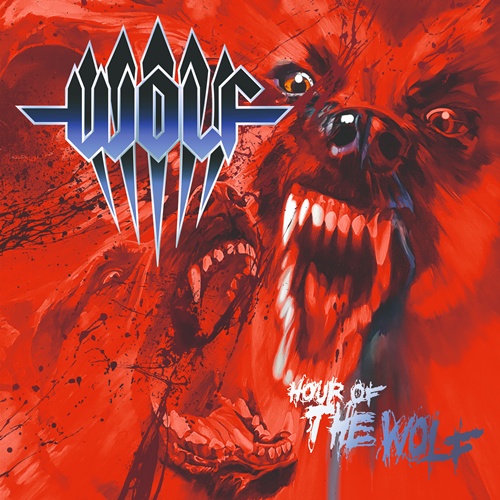
I Wolf hanno collaborato ancora una volta con l’artista Thomas Holm, il cui lavoro comprende copertine iconiche per Mercyful Fate e King Diamond, oltre a quelle di diversi album precedenti della band. Hai sottolineato l’importanza dei suoi dipinti tradizionali a olio come alternativa al crescente utilizzo di artwork generati dall’intelligenza artificiale. Cosa rende l’approccio artistico di Holm così adatto ai Wolf e quanto è importante per una band heavy metal preservare un elemento umano e tangibile in ogni aspetto della propria presentazione?
Per noi è molto importante. Gli artwork realizzati con l’intelligenza artificiale che vedo oggi mi ricordano i pessimi lavori con Photoshop che si vedevano negli anni Novanta e nei primi anni Duemila. Non sto dicendo che non potrà mai esistere un buon artwork generato dall’intelligenza artificiale… Ma non ne ho ancora visto uno. E se esiste, allora qualcuno ci avrà sicuramente dedicato pensiero e impegno. Ma è difficile battere un vero dipinto a olio. Credimi, l’artwork di Thomas Holm resisterà alla prova del tempo. Una volta mi ha detto che vede il metal nelle immagini. Noi suoniamo metal. Lui dipinge metal. E l’elemento umano di cui parlavi… Senza di esso non vedrei molto senso in quello che facciamo.
Dalla fondazione della band nel 1995, il panorama dell’heavy metal è cambiato notevolmente: il metal tradizionale, un tempo considerato uno stile superato, è diventato una forza influente per diverse generazioni di musicisti. I Wolf sono spesso considerati tra i pionieri della nuova ondata di heavy metal tradizionale, eppure hai detto che non pensi consapevolmente a mantenere un determinato sound, perché la musica finisce semplicemente per suonare come i Wolf. Guardando a questi tre decenni, come spieghi la longevità della band? E il modo in cui comprendi la vostra identità musicale è cambiato nel tempo?
Ci hanno definiti completamente fuori dal tempo, ma anche pionieri che erano in anticipo sui tempi. Penso che entrambe le cose siano vere. Anche se non mi definirei mai un pioniere, perché abbiamo semplicemente ripreso da dove si erano fermati i vecchi maestri del metal. Non abbiamo mai cercato di reinventare il metal: volevamo soltanto suonare la musica che amavamo di più. È semplicemente successo che non molti altri suonassero quel genere, e le grandi band degli anni Ottanta avevano attraversato un periodo di flessione perché quello stile non era più popolare. Per quanto riguarda la longevità, penso che il segreto sia fare ciò che si vuole davvero fare, senza pensarci due volte. Le band che cavalcano un’ondata o seguono semplicemente le mode tendono a non durare a lungo, perché arrivano sempre nuove ondate musicali e le tendenze vanno e vengono.
Con “Hour Of The Wolf”, il vostro decimo album in studio, i Wolf raggiungono un traguardo importante senza mostrare alcuna intenzione di abbandonare i propri principi musicali. Dopo oltre trent’anni di scrittura, registrazioni ed esibizioni dal vivo, quali sfide continuano a stimolarti come autore? Ci sono territori musicali o ambizioni creative che la band deve ancora esplorare?
Penso che scrivere canzoni sia sempre una grande sfida. Voglio dire, potrei tranquillamente scrivere una canzone in tre ore e fare lo stesso il giorno dopo. Ma non sarebbero canzoni abbastanza buone per me. Sono un artista. Creo arte. L’arte deve avere un significato, almeno per me come artista. Scrivere canzoni che mi entusiasmino e che possano resistere alla prova del tempo è quindi sempre una sfida, perché richiede un impegno reale. Sono sicuro che ci siano molti territori musicali da esplorare per i Wolf. Semplicemente, non so quali siano finché non comincio a lavorare su nuova musica. Quando scrivo, cerco di mantenere una mente aperta alle nuove idee e, se una nuova idea mi stimola, la seguo ovunque mi porti.
For Wolf, heavy metal is not a style to reinvent or a trend to follow, but a language to keep speaking on their own terms. On “Hour Of The Wolf”, their tenth studio album, Niklas Stålvind and his bandmates bring together the unmistakable sound they have forged since 1995 and a willingness to follow songs into darker, less predictable territory. Nine tracks, conceived as a complete listening experience rather than a collection of singles, arrive on November 20 through Fireflash Records/Edel. We spoke with Niklas about the art of writing songs that stand the test of time, the value of traditional artwork in the age of AI, and why staying true to yourself may be the most radical move of all.
Hello, Niklas, welcome to Il Raglio Del Mulo, and thank you for taking the time to answer our questions. On November 20, Wolf will release “Hour of the Wolf”, your tenth studio album and another chapter in a career spanning more than thirty years. Since forming in 1995, the band has remained faithful to traditional heavy metal while refusing to follow trends or simply recreate the past. What inspired the decision to call this album “Hour of the Wolf”, and what does this title represent about where the band stands today?
“Hour of the Wolf” was one of the last songs we wrote and we thought it’s a perfect title for the album. The words just came to me when I was working on the vocals. The title could mean many things, but to me, as an album title it simply means that it’s our time now! 30 years of band history, ten albums and still going.
You have described the new album as a record designed to fit on one side of a 90-minute cassette, with nine songs intended to be heard from beginning to end and then played again. In an era dominated by streaming platforms and individual singles, what does this old-school approach mean to Wolf, and how did it influence the album’s length, tracklist and overall flow?
We still like the album format. Nothing wrong with singles and I can understand why some artists have ditched the album format. But in the metal world the album is still king. You want the whole experience, an album you can listen to from beginning to end, an album cover and graphics that fit and lyrics that are actually worth reading. We’re not the band that puts out two singles and eight fillers just so we can release an album every year. A good album takes time and effort. We owe that to our fans. Priority number one is always to write good songs, but it’s always in the back of our heads that the album needs different kinds of songs, and a certain flow to make the whole album interesting for the listener.
The opening track, “Death Satellite”, contains many of the elements associated with Wolf, including distinctive riffs, twin-guitar harmonies and an uptempo groove, while songs such as “The Music of Erich Zann” and “Waltz Post-Mortem” explore less conventional structures. How did the band balance its recognizable identity with the desire to experiment, and was there a conscious intention to challenge the expectations of traditional heavy metal listeners?
Well, we have perfected the Wolf sound over many years and songs like “Death Satellite”, “Speed On” and “Shark Attack” are very representative of that sound. But it would be kind of boring to have ten songs like that and call it an album. No matter what we do, we have such a distinct and recognizable sound that it still sounds 100% Wolf. I don’t see a reason why we couldn’t dip our toes into new dark waters. Yes, we do challenge the listener a bit oftentimes, but it’s not that we’re trying to do that on purpose. We challenge ourselves and thus the listener. I think the music is more interesting that way.
“The Music of Erich Zann” stands out because it has no chorus, features a drum solo and uses unusual harmonies, while its narrative draws inspiration from the literary world of H. P. Lovecraft. “Waltz Post-Mortem”, on the other hand, incorporates a chorus in 3/4 time and arrangements influenced by classical music. What attracts Wolf to these unconventional ideas, and how do you determine when an experiment genuinely serves a song rather than becoming an end in itself?
To experiment and do wacky stuff just for the sake of it, I don’t really see a point in that, except for our own pleasure. A song must always be a good song, and there’s a reason that so many of our songs stick to a more conventional arrangement. Because it works. But some songs just don’t want to be conventional. The very unusual arrangements to the songs you mentioned are there because it was exactly what those songs needed. When I write, I try to keep an open mind and listen to where the songs want to go. When those songs came to life, I was surprised as well. I didn’t plan to write something weird, the songs just came to me that way.
The songwriting process also draws on vivid images and imagined scenarios, as demonstrated by “Doppelgänger”, a song inspired by the idea of a double who could take over someone’s life and commit terrible acts in their place. You have mentioned that you were told you had a doppelgänger in the small town where you grew up, although you never met him. How often do personal experiences provide the starting point for your lyrics, and how do you transform such anecdotes into stories that leave room for different interpretations?
I would say at least 90% of my songwriting draws from my personal experience. Sometimes it’s an imaginary story that I have no idea where it came from, but even then there are elements of me in the lyrics. But as you say, I always leave room for different interpretations. I have my personal version of what the song means to me, but I love hearing about other people’s interpretations. After a few years and different life experiences, when I revisit some of our songs, they can have a new meaning to me as well. On top of all of that… I want the fist-raising metalhead, who’s not interested in the deeper meaning of any song, to just enjoy the music. So there’s often a clichéd lyrical approach, which I think is fun, but at the same time there’s a deeper meaning for those who want to dig deep.
One of the album’s defining characteristics is its entirely independent production process, with the band recording in its own studios and bassist Pontus Egberg taking on production duties. You have explained that his structured approach gave you greater freedom to concentrate on the artistic side, while the collaboration involved a constant exchange of ideas. How did this partnership change the way you worked compared with previous albums, and did having production responsibilities handled within the band allow you to take risks that might otherwise have been avoided?
It was just an easy way to work. We have so many different talents and strengths within the band now that we don’t have to outsource much at all. Pontus did a great job of preparing the recording sessions and when he mixed the demos it started to sound really good, so it was just natural that he would take on the full role as the producer of the album. He is very good at managing a myriad of little things at once and he is very structured and knows how to meet a deadline. That made me relax more and just focus on the songwriting, my vocals and my guitar playing.
Wolf have once again collaborated with artist Thomas Holm, whose previous work includes iconic covers for Mercyful Fate and King Diamond, as well as several of the band’s earlier albums. You have emphasized the importance of his traditional oil paintings as an alternative to the growing use of AI-generated artwork. What makes Holm’s artistic approach such a natural match for Wolf, and how important is it for a heavy metal band to preserve a tangible, human element in every aspect of its presentation?
For us it is very important. The AI artwork I see today reminds me of the very bad Photoshop work you saw in the nineties and early 2000s. I’m not saying there will never be good AI-generated artwork… But I have yet to see it. And if there is, then someone surely has put some thought and effort into it. But it’s hard to beat a real oil painting. Thomas Holm’s artwork will stand the test of time, believe me. He once told me he sees metal in pictures. We play metal. He paints metal. And the human element you mentioned… Without it I wouldn’t see much of a point to what we’re doing.
Since the band’s formation in 1995, the heavy metal landscape has changed considerably, with traditional metal moving from a supposedly outdated style to an influential force for several generations of musicians. Wolf are frequently regarded as one of the pioneers of the new wave of traditional heavy metal, yet you have said that you do not consciously think about maintaining a particular sound because the music simply comes out sounding like Wolf. Looking back over these three decades, how do you explain the band’s longevity, and has the way you understand your own musical identity changed over time?
We have been called completely out of touch with the times and also pioneers that were ahead of our time. I think both are true. Although I would never call myself a pioneer, since we just picked up where the old metal masters left off. We never tried to reinvent metal, we just wanted to play the music we loved the most. It just so happened that not many others were playing that style, and the great bands of the eighties had a little dip because the style wasn’t popular anymore. About the longevity, I think the key is to do what you really want to do and don’t think twice about it. Bands that ride a wave, or just follow trends, don’t tend to last that long. Because new waves of music are always coming and trends come and go.
With “Hour of the Wolf” marking your tenth studio album, Wolf have reached a significant milestone without showing any intention of abandoning their musical principles. After more than thirty years of writing, recording and performing, what challenges still excite you as a songwriter, and are there musical territories or creative ambitions that the band has yet to explore?
I think songwriting in general is very challenging. I mean, I could totally write a song in three hours and do it again the next day. But they wouldn’t be good enough songs for me. I’m an artist. I make art. Art has to be meaningful, at least to me as an artist. So writing songs that excite me and can stand the test of time is always a challenge, because it takes real effort. I’m sure there are a lot of musical territories to explore for Wolf. I just don’t know what they are until I start working on new music. When I write, I try to keep an open mind for new ideas, and if the new ideas get me going, I’m following them into wherever they lead me.

