
ENGLISH VERSION BELOW: PLEASE, SCROLL DOWN!
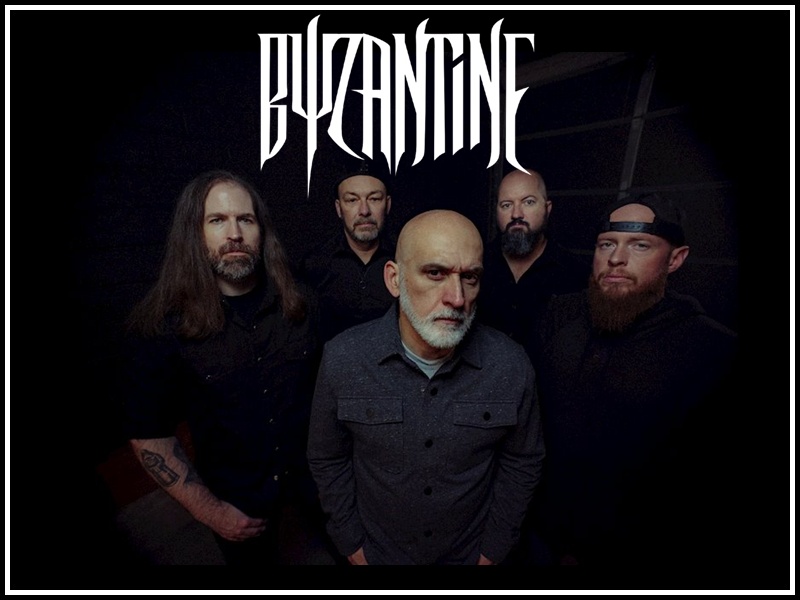
Abbiamo avuto il piacere di fare due chiacchiere con Chris “OJ” Ojeda, frontman della band americana groove/progressive metal Byzantine, che ci ha raccontato il nuovo album “Harbingers”, pubblicato da Metal Blade Records.
Benvenuto Chris, e congratulazioni per l’uscita di “Harbingers”. Dopo 25 anni e sette album, in che modo questo nuovo lavoro rappresenta l’evoluzione dei Byzantine e cosa dovrebbero aspettarsi i fan?
Grazie. I nostri fan possono aspettarsi un ascolto piacevole, senza dubbio. La nostra musica non è facile da assimilare al primo o secondo ascolto, e i nostri fan più fedeli lo sanno bene. Ci sono tutti gli elementi classici dello stile Byzantine: un mix pesante ma melodico, tempi strani alternati a sezioni in 4/4 da vero hard rock. È un disco che ci si diverte ad ascoltare.
“Harbingers” è stato prodotto da Peter Wichers, noto per il suo lavoro con Soilwork e Nevermore. In che modo il suo stile di produzione ha influenzato il suono e la direzione dell’album rispetto ai lavori precedenti?
Peter ci ha aiutato moltissimo a focalizzare la scrittura dei brani, evitando che si allontanassero troppo dal loro significato originale. Ha smontato alcune canzoni, le ha ricostruite in modo che avessero un senso musicale più forte, e alla fine il disco è risultato più preciso e diretto dal punto di vista della scrittura. I Soilwork sono sempre stati maestri nel creare album pieni di hit, quindi quando Peter ci ha fatto delle proposte, lo abbiamo ascoltato con attenzione.
L’album affronta temi importanti come la distopia, la morte e la corruzione sociale. Puoi raccontarci l’ispirazione dietro i testi e come questi temi riflettono la tua visione del mondo oggi?
L’album tocca diversi argomenti, come sempre succede con i dischi dei Byzantine. Di solito tengo un diario dove annoto frasi e parole che mi colpiscono, e quando inizia la fase di scrittura musicale, quelle frasi cominciano a prendere forma nei testi. Questo è stato il primo disco in cui abbiamo affrontato il tema dell’intelligenza artificiale che prende il controllo dell’umanità, ed è stato qualcosa di nuovo per me. In ogni nostro album c’è sempre almeno un brano sugli alieni che conquistano l’umanità, quindi l’idea di umani sterminati o ridotti in schiavitù non è una novità!
I Byzantine sono noti per fondere groove metal ed elementi progressive. Com’è cambiato il processo compositivo per “Harbingers” rispetto ai precedenti, soprattutto in termini di complessità dei riff e delle strutture?
La complessità è simile a quella del nostro ultimo album “The Cicada Tree”. Con il tempo le nostre canzoni sono diventate un po’ meno complesse e leggermente più progressive. Con l’età ci siamo concentrati di più sulla qualità della canzone in sé, piuttosto che spingere sulla tecnica quando non serve. Un cambiamento importante è stato coinvolgere il nostro bassista Ryan Postlethwait nel processo compositivo. È la sua prima volta nella scrittura per la band, e ha portato due pezzi completi. Ryan scrive riff pesantissimi, ed è stato divertente condividere con lui questo lavoro.
Nel disco ci sono assoli di amici di lunga data come Andrey Gadzhibalaev e l’ex membro Tony Rohrbough, che è anche rientrato nella formazione. In che modo il ritorno di Tony ha influenzato la chimica e il processo creativo della band?
Abbiamo reintegrato Tony nella band dopo che il disco era già stato scritto, quindi non ha ancora potuto dare un apporto creativo vero e proprio. Ma avere lui e Andrey come ospiti per gli assoli è stata una bellissima esperienza: entrambi sono chitarristi solisti di altissimo livello. Il ritorno di Tony ci ha permesso per la prima volta di diventare una band a cinque elementi, il che mi consente di concentrarmi solo sulla scrittura e sul canto dal vivo. Inoltre, ora possiamo affrontare più concerti: se uno dei chitarristi non può suonare, posso tornare alla chitarra ritmica e suonare come quartetto. Questo ci dà più occasioni per esibirci dal vivo che mai.
Il primo singolo, “Floating Chrysanthema”, immagina l’IA che prende il sopravvento sull’umanità, mentre “The Unobtainable Sleep” esplora la morte come forma di pace. Cosa vi ha portato a scegliere proprio questi brani come singoli, e che storie raccontano?
Dopo un’assenza di 8 anni, ci sembrava giusto tornare con un brano non troppo complesso, lungo o veloce. “Floating Chrysanthema” ha solo cinque riff, ed è perfetta per introdurre questo nuovo album ai fan. Abbiamo scelto “The Unobtainable Sleep” come secondo singolo perché è un po’ più articolata e contiene l’incredibile assolo di Andrey Gadzhibalaev. Insieme, i due pezzi ci sono sembrati un’accoppiata vincente.
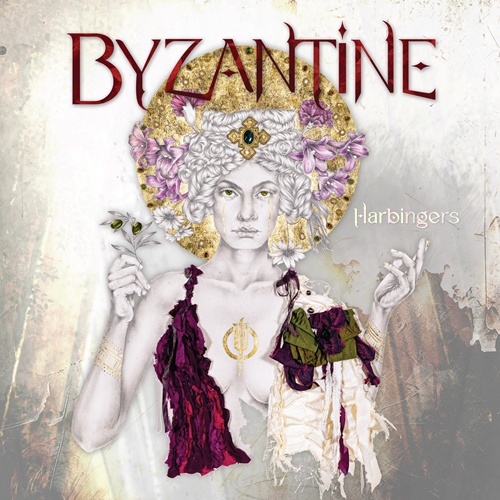
La copertina raffigura Irene d’Atene, la prima imperatrice bizantina. In che modo questa figura storica e il concetto di “harbinger” si legano al messaggio e all’identità dell’album?
La parola “harbinger” significa “colui che porta un grande cambiamento”. Irene d’Atene è stata la prima donna al potere nell’Impero Bizantino, quindi ci è sembrato che il titolo “Harbinger” fosse perfetto per accompagnare la copertina. Inoltre, anche i Byzantine hanno vissuto molti cambiamenti negli ultimi otto anni, come l’ingresso di Ryan e il ritorno di Tony. Il cambiamento può essere una cosa positiva, e volevamo che i fan sapessero che questo disco rappresenta un segnale di rinnovamento per noi.
I Byzantine hanno vissuto alti e bassi, tra scioglimenti e cambi di line-up. Quali sono state le sfide più grandi durante il percorso che ha portato a “Harbingers”, e come le avete superate?
Oh, ce ne sono state parecchie! Abbiamo provato a far mixare l’album da tre ingegneri diversi. Due ci hanno detto che le registrazioni non erano buone. Abbiamo dovuto licenziare uno di loro, mentre l’altro ha mollato. Alla fine ho mixato l’album da solo, senza alcuna esperienza! È stato il primo disco che ho mixato in vita mia. Come se non bastasse, ho avuto un infortunio al braccio la settimana prima di iniziare a registrare le chitarre ritmiche: ho strappato il tendine che collega il bicipite all’avambraccio. Questo ha ritardato tutto di altri due mesi. Il disco ha richiesto 15 mesi di lavorazione, mentre di solito ne bastano 3. Mi ha quasi ucciso…
Con “Harbingers” che fissa un nuovo standard, cosa riserva il futuro ai Byzantine? Ci sono piani per tour, nuove direzioni musicali o altri progetti in arrivo?
Non facciamo veri tour da otto anni, ma quest’estate saremo finalmente in giro per gli Stati Uniti a supporto di “Harbingers” insieme a Cavalera Conspiracy, Fear Factory e Pissing Razors. Speriamo di tornare in studio quest’inverno per registrare qualche cover e tenerci in allenamento. L’anno prossimo vorremmo finalmente venire in Europa e suonare in alcuni dei fantastici festival che ci aspettano!
We had the pleasure of catching up with Chris ‘OJ’ Ojeda, frontman of the American groove/progressive metal band Byzantine, who shared insights into their new album “Harbingers”, released via Metal Blade Records.
Welcome Chris, and congratulations on the release of “Harbingers.” After 25 years and seven albums, how does this new record represent Byzantine’s evolution and what should fans expect from it?
Thank you. Our fans can expect a fun listen, for sure. Our music is not easily digestible in the first listen or two. Our hardcore fans expect that from us. It’s got all the classic Byzantine stylings. Heavy mix with melody. Oddball time signatures mixed with 4/4 hard rock. It’s a fun listen.
“Harbingers” was produced by Peter Wichers, known for his work with Soilwork and Nevermore. How did his production style influence the sound and direction of this album compared to your previous works?
Peter helped a lot with focusing our songwriting so the songs did not meander too far away from their original meanings. He helped pull some of the songs apart, reconstruct them so they made more musical sense and ultimately the album became more laser focused in the songwriting aspect. Soilwork has always been known for writing absolute bangers for albums so when Peter asked us to try something, we listened to him.
The album tackles weighty themes like dystopia, death, and societal corruption. Can you talk about the lyrical inspiration behind “Harbingers” and how these themes reflect your worldview today?
This album has a variety of different topics, which is how every Byzantine album has been before “Harbingers.” I normally have a journal where I keep cool phrases and words and then once the music starts being written, those phrases start to take shape into song lyrics. This was the first album we tackled the topic of A.I. taking over mankind so that was new for me. Every album we write one song about Aliens taking over humanity so humans being eradicated or enslaved is nothing new for a Byzantine album!
Byzantine is known for blending groove metal with progressive elements. How did the songwriting process for “Harbingers” differ from earlier albums, especially in terms of riff complexity and song structures?
The complexity was about the same as our last album “The Cicada Tree.” Our songs have gotten less complex over time and a tad bit more progressive in nature. Now that we are older, we tend to focus more on making the song great, as opposed to pushing technicality into the song when it’s not needed. One major change was adding our bassist, Ryan Postlethwait into the writing process. This is Ryan’s first time writing for the band and he brought 2 complete songs to the table for us. Ryan writes sledgehammer tunes so that was fun to share the writing space with him on this album.
You feature guest solos from longtime friends like Andrey Gadzhibalaev and former member Tony Rohrbough, who has now rejoined the band. How has Tony’s return impacted the band’s chemistry and creative process?
We brought Tony back into the band after the album was written so we haven’t been able to inject him creatively back into the mix yet. It was an awesome experience having Tony and Andrey add guest guitar solos, as both of those guys are world class lead guitarists. Tony rejoining the band has allowed us to become a 5-piece for the first time in our history, which lets me focus solely on songwriting and performing vocals live. Also, we now have the ability to play more live shows in case either of our guitarists cannot perform live, I can slide back into my rhythm guitar duties and Byzantine can perform as a 4-piece. This gives us more opportunities to be seen live now than ever before.
The first single, “Floating Chrysanthema,” envisions AI overpowering humanity, while “The Unobtainable Sleep” explores death as a form of peace. What drew you to these particular songs as singles, and what stories do they tell?
We felt that after an 8-year hiatus, it would be best to release a song that wasn’t too complicated, too long or too fast. “Floating Chrysanthema” only has 5 riffs and is a great song to introduce this new album to fans. We chose “The Unobtainable Sleep” as the second song because it was a little more intricate and featured Andrey Gadzhibalaev’s amazing guitar solo. We thought they were a great one-two punch!
The cover art depicts Irene of Athens, the first female Byzantine empress. How does this historical figure and the concept of “harbingers” tie into the album’s message and identity?
Harbinger means “One who ushers in great change.” Irene of Athens was the first female leader of the Byzantine empire so we felt the title “Harbinger” was extremely fitting with the album cover. Also, Byzantine has gone through a lot of change over the last 8 years such as adding Ryan and Tony to the band. Change can be a good thing and we wanted to let our fans know that this album is a harbinger of positive change for Byzantine.
Byzantine has experienced ups and downs, including breakups and lineup changes. What were some of the biggest challenges you faced on the road to “Harbingers,” and how did you overcome them?
Oh man! We had a lot of ups and downs in making this album. We had 3 different mixing engineers try to mix this album. Two of them telling us the recording was not any good. We had to let one go and the other one quit. I ended up mixing the album myself with zero mixing experience! This was the first album I have ever mixed in my life. The other major hurdle was I suffered an arm injury the week before I started recording rhythm guitars. I tore the tendon that holds my bicep onto the forearm. This set the album back 2 more months while I tried to heal. This album took 15 months to record, when normally a Byzantine album takes about 3 months to record. It about killed me…
With “Harbingers” setting a new standard, what’s next for Byzantine? Are there plans for touring, new directions in your music, or other projects fans should look out for?
We have not done any real touring in 8 years but this summer we will hit the road across the US supporting our new album “Harbingers” with Cavalera Conspiracy, Fear Factory and Pissing Razors. We hope to get back into the studio possibly this winter and try to record some cover songs so we stay in shape. Next year, our goal is to get over to Europe and perform on some of the fantastic festivals!

