
ENGLISH VERSION BELOW: PLEASE, SCROLL DOWN!
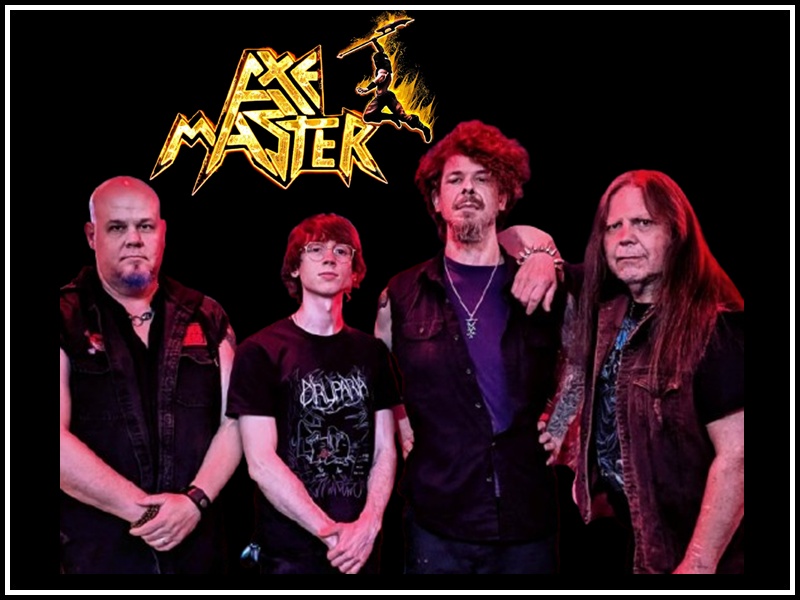
Quarant’anni di underground metal non si cancellano: si trasformano in riff, sudore e decibel. Con “Of Beasts And Plagues”, pubblicato il 19 giugno da Cosmic Fire Records, gli Axemaster tornano a scatenare la loro inconfondibile miscela di heavy metal tradizionale, doom e thrash con una ferocia ancora intatta. Abbiamo parlato con Joe della realizzazione del nuovo album, del sound della band, degli incubi tecnici che hanno tormentato la produzione, delle radici negli anni ’80 e del futuro di una band che, come Joe stesso mette perfettamente in chiaro, non ha alcuna intenzione di diventare più mansueta con l’età.
Innanzitutto, Joe, grazie per essere qui con noi e benvenuto su Il Raglio Del Mulo. Come presenteresti il vostro nuovo album, “Of Beasts And Plagues”, in arrivo il 19 giugno per Cosmic Fire Records, agli ascoltatori che stanno per scoprirlo per la prima volta e quale mondo emotivo o sonoro pensi che apra rispetto ai vostri lavori precedenti?
Innanzitutto, vorrei ringraziarvi per aver voluto fare questa intervista! Per presentare l’album, direi che è un incrocio tra heavy metal tradizionale, doom e thrash. In pratica, prendi dei riff doom, accelerali, mettici sopra un taglio thrash e mescolali con un po’ di metal tradizionale. Ovviamente, quindi, la maggior parte dell’album ha un’atmosfera oscura. Geoff, il nostro cantante, ha una voce potente e melodica e, personalmente, dei tre album che ha realizzato con gli Axemaster, penso che sul nuovo disco abbia offerto la sua miglior prova vocale di sempre. Per chi ha già ascoltato i nostri lavori precedenti, il nuovo album è il disco più solido, con le migliori performance e il miglior sound che questa band abbia mai avuto finora. Probabilmente è l’album più potente che gli Axemaster abbiano mai realizzato.
Proseguendo, “Of Beasts And Plagues” viene descritto come una fusione tra il classico heavy metal statunitense e influenze thrash e doom. Come avete affrontato il bilanciamento di questi diversi elementi senza perdere l’identità del sound tradizionale degli Axemaster?
È facile, assolutamente non penso a come bilanciare i diversi elementi pur continuando a onorare le nostre radici metal, tutto viene naturale nel mio modo di scrivere. Amo soprattutto un paio di determinati stili di metal, certi sound e certe atmosfere, ed è questo che scrivo. Amo gli stili doom e traditional metal fin dagli anni ’80, ma con il passare del tempo mi sono avvicinato al thrash molto più di quanto facessi agli inizi, quindi la musica che ho scritto negli anni si è evoluta, diventando più pesante e più thrash. In ogni caso, scrivo solo musica che amo ascoltare a tutto volume nello stereo della mia macchina, e si tratta di riff e canzoni che, per la maggior parte, sono oscuri e doom con un taglio thrash, pur mantenendo una sfumatura di metal tradizionale. Quindi il sound degli Axemaster riflette sempre gli stili di metal che amo, e tutto questo avviene senza che io pensi davvero al sound e all’atmosfera di ciò che sto scrivendo: è rimasto naturalmente piuttosto coerente, pur evolvendosi in una certa misura!
L’album sembra muoversi tra aggressività e atmosfera, soprattutto in brani come “Murder Of Crows” e “The Dark Side”. Qual è stato il concetto guida nel plasmare il flusso dinamico della tracklist dall’inizio alla fine?
In realtà sono stato io a stabilire l’ordine dei brani dell’album. Una volta messi i pezzi in un ordine che avesse senso per me, l’ho sottoposto agli altri ragazzi per sapere cosa ne pensassero e vedere se andava bene a tutti. E, se ricordo bene, erano completamente d’accordo con l’ordine che avevo scelto inizialmente. A dire il vero, non ricordo al 100% perché abbia scelto proprio quest’ordine per le canzoni, a parte il fatto che mi sembrava giusto e sensato. Immagino sia stato un po’ come quando scrivo le canzoni: per me è ed è sempre stata una questione di sensazioni, ed è così che le cose sono rimaste sempre piuttosto coerenti con gli Axemaster.
A proposito di “Kissed With A Fist”, hai detto che inizialmente era stato considerato come un possibile brano simbolo dell’album. Cosa rende questa canzone particolare dal punto di vista della composizione e dell’arrangiamento rispetto al resto del disco?
Beh, “Kissed” è un po’ diversa dal resto dell’album, non è altrettanto oscura ed è più semplicemente metal diretto. Offre un po’ di varietà al disco, una pausa rispetto ai brani estremamente oscuri e aggressivi che presentano molti cambi. Il motivo per cui pensavo che sarebbe diventata la canzone simbolo è che è più diretta, i fan possono facilmente tenere il tempo con il piede o fare headbanging per tutta la sua durata. E Geoff ha creato un ottimo hook vocale, il ritornello è qualcosa che viene naturale cantare insieme. Questi sono tutti elementi tipici di una canzone metal popolare, come “10,000 Pound Hammer” dal nostro album “Crawling Chaos”. È stata la nostra canzone simbolo, soprattutto dal vivo, fin dalla sua uscita nel 2017 e, anche se nel complesso è una canzone dal sound molto diverso, “Kissed With A Fist” ha lo stesso tipo di elementi che troviamo in “10,000 Pound Hammer”. Entrambe fanno parte del nostro show dal vivo!
Guardando indietro al processo di scrittura e registrazione, ci sono momenti specifici in studio, difficoltà o svolte durante la creazione di “Of Beasts And Plagues” che hanno influenzato in modo particolare il risultato finale dell’album?
La difficoltà più grande, di gran lunga, durante la realizzazione dell’album sono stati tutti i problemi tecnici che ho avuto con il mio software multitraccia mentre cercavo di ottenere i suoni definitivi e mixare l’album. I problemi sono diventati così gravi che il mio programma originale è diventato praticamente inutilizzabile. Ho dovuto esportare ogni singola traccia due volte, e ce n’erano più di 500, comprare un nuovo programma, imparare a usarlo, importare tutte quelle tracce e rifare il mix di tutto. Sembrava che ci volesse un’eternità, come se non sarei mai riuscito a finire tutto, ma la mia testardaggine nel non arrendermi ha ovviamente dato i suoi frutti. Non sono sicuro di sapere esattamente come questo abbia plasmato l’album, ma mi ha sicuramente permesso di ottenere suoni e mix adeguati usando il nuovo programma, che funzionava come doveva! A parte questo, nel complesso ci sono stati molti “errori fortunati” e piccole idee extra che sono nate dopo che tutta la musica era stata registrata e che, nel loro insieme, hanno plasmato parecchio l’album. L’unica cosa positiva del fatto che la produzione sia durata così tanto è che più ascoltavo le canzoni, più mi venivano in mente piccole idee che poi registravo e inserivo. Cazzo, ho composto e registrato un paio di piccole parti di chitarra dopo aver già masterizzato l’album, due in particolare. Alla fine ho registrato le parti, poi ho rifatto il mix e il mastering di quelle due canzoni.
Gli Axemaster sono attivi fin dalla scena underground degli anni ’80. Quando oggi ripensi a quell’epoca degli inizi, quali elementi di quegli anni formativi sono ancora presenti nel tuo processo creativo e come si manifestano nel nuovo materiale?
Beh, la tua domanda mi ha fatto tornare indietro con la memoria e mi sono reso conto che il mio processo di scrittura non è cambiato praticamente per nulla fin dai primissimi giorni. In realtà sono un po’ sorpreso, hahaha! Negli anni ’80 scrivevo i riff e li registravo su un registratore a cassette 4-track, poi mettevo insieme le varie parti, diversi riff, bridge, assoli, ecc., per creare una canzone, e la registravo su nastro seguendo un metronomo. Poi davo il mix della canzone a Brian, o al batterista, e a Chris, il nostro cantante e bassista, perché la imparassero e, a volte, perché Chris scrivesse le parole, anche se talvolta i testi li scrivevo io. Poi lavoravo sulla canzone insieme a Brian per definire le sue parti e magari modificavo qualche piccolo elemento del brano per vari motivi, come migliorare il flusso, lasciare più tempo alle linee vocali, ecc. È esattamente così che ho scritto le canzoni per la maggior parte del tempo da allora, ed è anche il modo in cui ho scritto la musica per il nuovo album. Wow, a essere onesto, questa è quasi una rivelazione per me. Ho trovato una formula che funzionava per me e non l’ho cambiata per 40 anni! L’unica differenza è che ora, avendo attrezzatura professionale per la registrazione, posso realizzare demo di pre-produzione molto migliori e, avendo tracce illimitate, posso sperimentare con cose come la sovrapposizione delle chitarre, i doppi assoli, chitarre che fanno cose diverse contemporaneamente, roba del genere. Grazie per questa domanda, sinceramente non avevo mai realizzato tutto questo prima!
Nel corso degli anni hai condiviso palchi ed esperienze all’interno del circuito metal statunitense e dei festival underground. Ci sono ricordi o incontri particolari dal vivo che abbiano influenzato indirettamente l’atmosfera o i temi presenti in “Of Beasts And Plagues”?
Sicuramente ho un sacco di grandi storie sui concerti e sui festival a cui ho suonato, ma nessuna di queste ha avuto realmente un ruolo in qualcosa che riguardasse il nuovo album.
Guardando ora al futuro, dopo l’uscita di “Of Beasts And Plagues”, quali direzioni pensi che gli Axemaster potrebbero esplorare, musicalmente o concettualmente, senza ripetere quanto già fatto su questo disco?
Ahhhh, questo è ancora tutto da decidere! Una cosa è sicura, ed è che il nostro attuale bassista, Jenson Kozar, e il batterista, Adam Windisch, che non suonano sul nuovo album, daranno sicuramente un feeling nuovo e diverso al materiale che scriverò per il prossimo disco. Non abbiamo ancora fatto granché con il nuovo materiale, siamo stati totalmente concentrati sul nostro show dal vivo. E, anche se ho scritto alcuni nuovi riff che potrebbero essere utilizzati per delle nuove canzoni, personalmente non ho ancora lavorato davvero sul nuovo materiale. Ma quando lo farò, ho un sacco di riff su cui lavorare! E con il passare del tempo, scoprirò sicuramente cose diverse che posso esplorare nel mio modo di scrivere per fare in modo che il prossimo album suoni un po’ diverso da ciò che abbiamo fatto in precedenza, lo faccio sempre! Non so ancora quali saranno queste cose, arriveranno sperimentando e approfondendo nel corso del tempo!
Infine, considerando la tua lunga presenza nell’underground heavy metal, come vedi personalmente l’evoluzione degli Axemaster nei prossimi anni, sia per quanto riguarda la produzione in studio sia per l’attività dal vivo, e cosa dovrebbero aspettarsi i fan da qui in avanti?
Suoneremo sicuramente dal vivo nella nostra zona, quindi a livello semi-locale. Purtroppo, al momento non abbiamo i soldi per spostarci davvero, speriamo di riuscire a trovare prima o poi qualche finanziamento che ci permetta di viaggiare e magari fare un po’ di tour. Non è molto probabile, ma nella vita sono successe cose ben più strane! Una volta che avremo messo a punto alla perfezione il set con il nostro batterista attuale, avremo fatto un po’ di concerti e avremo preparato bene qualche brano aggiuntivo, inizierò davvero a lavorare sulle nuove canzoni. Non c’è verso che ci vogliano altri 9 anni per realizzare un altro album, come è successo con Plagues, farò in modo che non accada! I fan possono aspettarsi che continueremo a essere attivi sui social media; presto ci saranno foto dal vivo aggiornate e, si spera, anche alcuni video live da vedere. Continueremo inoltre a essere disponibili per i fan. Qualsiasi fan è più che benvenuto a contattarmi tramite Facebook, il nostro sito web, Instagram, ecc.; potrebbe volerci un po’ di tempo, ma rispondo sempre ai messaggi dei fan, l’ho sempre fatto e continuerò sempre a farlo. Apprezzo ogni singolo fan là fuori. Infine, i fan possono stare certi che l’età non renderà mai più mansueta la musica degli Axemaster, cazzo no! Potete sempre contare su roba pesante, aggressiva e potente da parte di questa band, anche se avrò 100 anni!
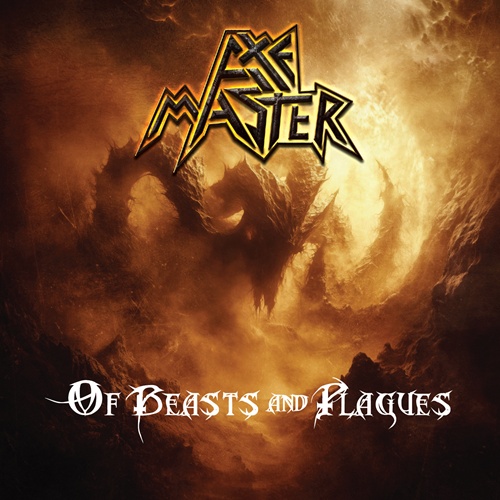
Forty years of underground metal don’t simply disappear: they are forged into riffs, sweat and decibels. With “Of Beasts And Plagues”, released on June 19 via Cosmic Fire Records, Axemaster return to unleash their trademark blend of traditional heavy metal, doom and thrash with their ferocity fully intact. We caught up with Joe to talk about the making of the new album, the band’s sound, the technical nightmares that plagued the production, their roots in the ’80s and the future of a band that, as Joe himself makes perfectly clear, has absolutely no intention of becoming tamer with age.
First of all, Joe, thank you for joining us and welcome to Il Raglio Del Mulo. With your new album, “Of Beasts And Plagues”, arriving on June 19 via Cosmic Fire Records, how would you introduce this record to listeners who are about to discover it for the first time, and what emotional or sonic world do you feel it opens compared to your previous work?
Joe: First, I’d like to thank you for wanting to do the interview! Introducing the album, it’s a cross between traditional heavy metal, doom, and thrash. Basically, take doomy riffs, speed them up, put a thrash edge on them, and mix them with some traditional metal. Obviously, then most of the album has a dark feel. Geoff, our singer, has powerful melodic vocals, and, personally, of the three albums he’s done with Axemaster, I think the new album is his best ever vocal performance. For those who have heard our past stuff, the new album is the most solid album with the best performances and the best sound this band has had to date. It’s probably the most powerful album Axe has ever done.
Continuing from that introduction, “Of Beasts And Plagues” is described as a fusion of classic US heavy metal with thrash and doom influences, so how did you approach balancing these different elements without losing the identity of Axemaster’s traditional sound?
That’s easy, absolutely no thought goes into balancing the different elements while still honoring our metal roots, it all comes naturally in my writing. I most love a couple certain styles of metal, certain sounds and feels, and that’s what I write. I’ve loved the doom and traditional metal styles since back in the ’80s, but as time’s gone by, I’ve gotten into thrash much more than I did in the early days, so the music I’ve written through the years has evolved to where it’s become heavier and more thrashy. Anyway, I only write music that I love to crank on my car stereo, and that’s riffs and songs that, for the most part, are dark and doomy with a thrash edge, while still having a traditional metal tinge to them. So Axemaster’s sound always reflects the styles of metal that I love, and that all comes without really putting any thought into the sounds and feel of what I’m writing, it’s naturally stayed pretty consistent while evolving to a degree!
The album seems to move between aggression and atmosphere, especially in tracks like “Murder Of Crows” and “The Dark Side”, so what was the guiding concept in shaping the dynamic flow of the tracklist from beginning to end?
I actually came up with the song order for the album myself. Once I put the songs in an order that made sense to me, I gave it to the other guys for their opinions, to see if it was cool with everyone. And if I remember right, they were totally okay with the order I first came up with. To be honest, I don’t 100% remember why I picked the songs to be in this particular order, other than the order just felt right and made sense to me. I guess it was a little like how I write songs, it was and is totally a feel thing to me, and that’s how things have always stayed kind of consistent with Axemaster.
On “Kissed With A Fist”, you’ve mentioned it was initially seen as a potential signature track of the album, so what makes this song stand out in terms of songwriting and arrangement compared to the rest of the record?
Well, “Kissed” is a little different than the rest of the album, not as dark and more just straightforward metal. It provides a little variety for the album, a break from majorly dark and aggressive songs that have a lot of changes. The reason I thought it would end up being the signature song is that it is more straightforward, fans can easily tap their foot or bang their heads through the entire thing. And Geoff created a great vocal hook, the chorus is something that’s easy to sing along with. Those are all usual elements of a popular metal song, like the song “10,000 Pound Hammer” from our “Crawling Chaos” album. That’s been our signature song, especially live, since it first came out in 2017, and, although it’s a very different sounding song overall, “Kissed With A Fist” has the same kind of elements that “10,000 Pound Hammer” has. They are both in our live show!
Looking back at the writing and recording process, are there any specific studio moments, challenges, or breakthroughs during the creation of “Of Beasts And Plagues” that particularly shaped the final outcome of the album?
The biggest challenge in the process of doing the album by far was all the technical problems I had with my multi-track software while I was trying to get final sounds and mix the album. The problems got so bad that my original program became essentially unusable. I had to export each track individually twice, and there were more than 500 tracks there, buy a new program, learn it, input all those tracks into it, and re-mix everything. Seemed to take forever, like I would never get through it all, but my stubbornness to never give up obviously paid off. I’m not sure exactly how this shaped the album, but it definitely allowed me to get proper sounds and mixes using the new program that worked right! Other than that, overall, there were a lot of “happy mistakes” and little extra ideas that happened after all the music was recorded that, as a whole, did shape the album quite a bit. The only good thing about the production taking so long was that the more I listened to the songs, the more little ideas I had that I recorded and included. Hell, I came up with and recorded a couple little guitar parts after I had already mastered the album, two in particular. I ended up recording the parts, and re-mixed and re-mastered those couple of songs.
Axemaster have been active since the 1980s underground scene, so when you revisit that early era today, what elements of those formative years still survive in your creative process, and how do they manifest in this new material?
Well, your asking that question made me think back and I realized that my songwriting process hasn’t really changed much at all since the very early days. I’m actually a little surprised, hahaha! Back in the ’80s, I would write riffs and record them on a cassette 4-track recorder, then put stuff together, several riffs, bridges, leads, etc., to create a song, and record it on tape to a metronome. Then I would give the mix of the song to Brian, or drummer, and Chris, our singer and bass player, to learn, and sometimes for Chris to write words for, sometimes I wrote the lyrics myself. Then I would go over the song with Brian to work out his parts and possibly change little parts to the song for various reasons, improve the flow, give more time for vocal lines, etc. That is exactly the way I have gone about writing songs for the most part ever since, and is the way I wrote the music for the new album. Wow, that’s kind of a revelation to me, to be honest. I found a formula that worked for me and didn’t change it over 40 years! Only difference is now, having professional recording gear, I’m able to make much better pre-production demos and, having unlimited tracks, I can experiment with things like guitar layering, dual leads, guitars doing different things at the same time, stuff like that. Thanks for that question, I honestly never realized all this before!
Over the years you’ve shared stages and experiences within the US metal circuit and underground festivals, so are there any particular live memories or encounters that indirectly influenced the mood or themes found in “Of Beasts And Plagues”?
I surely have a lot of great stories about shows and festivals I’ve played, but none of them really played any role in anything regarding the new album.
Now looking ahead, after the release of “Of Beasts And Plagues”, what directions do you feel Axemaster could explore next, either musically or conceptually, without repeating what has already been done on this record?
Ahhhh, that has yet to be determined! One thing is for sure, and that is that our current bassist, Jenson Kozar, and drummer, Adam Windisch, who are not on the new album, will definitely give a new and a different feel to the stuff I write for the next album. We really haven’t done anything with new stuff yet, we’ve been totally working on our live show. And, although I’ve written some new riffs to possibly use in new songs, I personally haven’t really worked on new material yet. But once I do, I have a lot of riffs to work with! And as time goes on, I definitely will discover different things I can explore in my songwriting to make the next album sound a little bit different than what we have done before, I always do! Don’t know what those things will be yet, that comes with experimenting and investigating over a little bit of time!
Finally, considering your long-standing presence in the heavy metal underground, how do you personally see the future of Axemaster evolving in the next years, both in terms of studio output and live activity, and what should fans expect moving forward?
We will definitely be playing live in our general area, semi-locally. Unfortunately, right now we don’t have the cash to really travel, hopefully we’ll get some backing at some point so we can travel and maybe tour a bit. Not really likely, but stranger things have happened! Once we have the set down super tight with our current drummer, have some shows under our belt, and get a few additional songs tight, I’ll really start working on new songs. No way will it take another 9 years for us to do another album like what was the case with Plagues, I’m gonna try to make sure of that! Fans can expect that we will continue to be active on social media, soon there will be current live photos and hopefully some live videos for fans to check out. We will also continue to be accessible to fans. Any fan is more than welcome to contact me through Facebook, our website, Instagram, etc.; it might take me a short time, but I always respond to fan mail, always have and always will. I appreciate every single fan out there. Lastly, fans can be sure that age will never mellow Axemaster’s music, hell no! You can always count on heavy, aggressive, and powerful stuff from this band, even if I’m 100 years old!

