
ENGLISH VERSION BELOW: PLEASE, SCROLL DOWN!
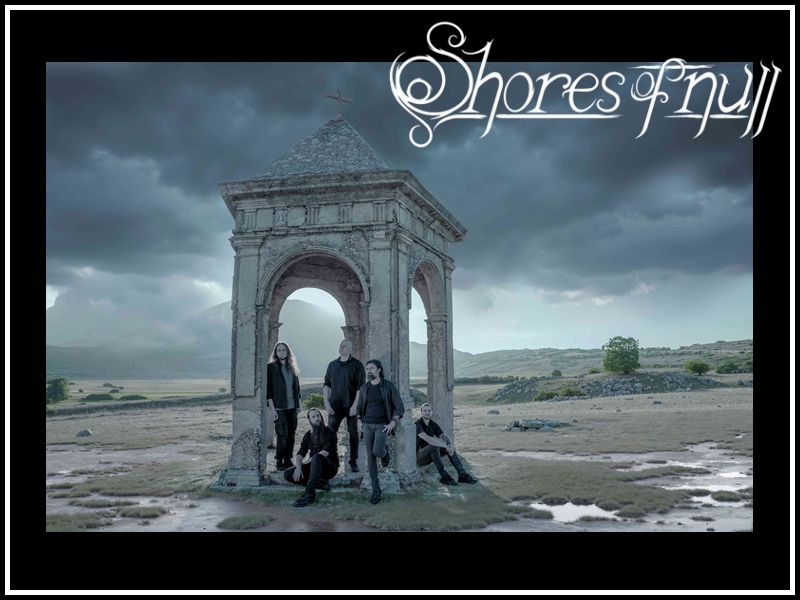
Tra malinconia, memoria e paesaggi che diventano cicatrici, gli Shores of Null tornano a scavare nel lato più oscuro del concetto di casa. Con Davide ed Emiliano, parliamo di “Homesick”, il quinto album in studio della band, in uscita il 16 ottobre per Dusktone: un disco nato da un lungo lavoro di scrittura e pre-produzione, arricchito dalle collaborazioni con Natalie Koskinen e Shaun MacGowan e costruito attorno a un’idea di appartenenza tutt’altro che rassicurante.
Ciao, vi ringrazio per la disponibilità e sono felice di potervi intervistare nuovamente. Dopo “The Loss of Beauty” e lo split “Latitudes of Sorrow”, il 16 ottobre arriverà “Homesick”, il vostro quinto album in studio. Il disco ruota attorno a un’idea di “casa” molto ambigua, fatta di appartenenza ma anche di dolore, memoria e perdita. Quando avete capito che proprio questo tema sarebbe diventato il cuore del nuovo album?
(Davide) Tutto è partito quando ho chiamato “Homesick” uno dei brani, tra l’altro casualmente il primo brano scritto per l’album, almeno a livello strumentale. Ricordo che quel riff iniziale Raffaele lo suonava già durante i soundcheck dei tour con gli Swallow the Sun, nel 2023. Dal momento in cui il brano ha avuto un titolo ha iniziato ad assumere un significato sempre più ampio e mi sono reso conto che poteva racchiudere molti dei temi che stavano emergendo anche nel resto del disco. Di solito associamo la casa a qualcosa di rassicurante, a un luogo sicuro in cui sentirci protetti, ma non è sempre così. Per qualcuno può anche essere il luogo in cui sono nati la paura, il dolore o il trauma. È da questa contraddizione che è nato “Homesick”. Credo che il disco, più che parlare del desiderio di tornare a casa, parli del tentativo di fare pace con ciò che chiamiamo casa, in tutte le sue forme.
“Homesick” sembra nascere da un rapporto molto personale con il passato e con i luoghi che ci hanno formato. Nei vostri testi ricorrono nostalgia, trauma, riconciliazione e una sensazione di ciclicità. C’è un ricordo, un luogo o un’esperienza concreta che ha dato origine a questo universo emotivo?
(Davide) Alcuni testi hanno un’origine più personale, altri nascono da esperienze vissute indirettamente attraverso persone vicine o attraverso storie. E poi c’è anche un’eccezione importante: “Allies Before Defeat” è l’unico testo del disco che non ho scritto io, ma il nostro bassista Matteo, ed è basato su una sua esperienza di vita personale piuttosto dolorosa. Sicuramente anche il luogo da cui provengo ha avuto il suo peso, nel mio caso. Nonostante la band sia di Roma io sono cresciuto e vivo in Abruzzo, con il Gran Sasso e la Majella sempre all’orizzonte, e quelle montagne sono inevitabilmente parte della mia idea di casa. Da lì è nata “Two Mountains”, ma certi luoghi sono presenti anche in diversi set fotografici, artwork, video (“Beyond The Shores” ad esempio), e sono importanti perché sono anche il ponte che lega me a Roma, quel confine immaginario ma anche fisico che valico ogni volta, quel confine che segna il ritorno a casa dopo i concerti, i tour, i viaggi. Più che da un singolo evento, credo che l’universo emotivo di “Homesick” nasca dall’incontro di esperienze diverse, personali e condivise, e dal modo in cui tutti, prima o poi, siamo costretti a confrontarci con il nostro vissuto.
Nel 2025, nella nostra intervista sullo split con Convocation, mi avevate raccontato che avevate già pronto il vostro quinto full-length e che era stato registrato nelle stesse sessioni dello split. Ora sappiamo che quel disco è “Homesick”: cosa è successo tra quelle registrazioni e il lavoro finale sull’album, e quanto avete riscritto o modificato il materiale prima di arrivare alla sua forma definitiva?
(Emiliano) Esatto, entrambi i lavori sono stati registrati durante un’unica sessione, questo perché la proposta per lo split ci è arrivata proprio nella fase di songwriting di “Homesick”. Per quanto riguarda il lavoro di scrittura il grosso del lavoro era già stato fatto durante le fasi di preproduzione, di conseguenza durante le registrazioni sono state pochissime le cose sulle quali abbiamo rimesso mano.
In occasione di “Bleed To Life” avete parlato di un lavoro molto intenso di scrittura, riscrittura e pre-produzione, realizzato nuovamente con Marco “Cinghio” Mastrobuono. Cosa avete scoperto durante questa fase che non sarebbe probabilmente emerso entrando direttamente in studio, e c’è qualche brano che ha cambiato completamente identità proprio durante la pre-produzione?
(Emiliano) “Homesick” è a tutti gli effetti un album scritto in sei. Marco non si è limitato solo alla produzione “sonora” ma ha dato un grande contributo anche nella fase artistica. “Bleed To Life” così come molti altri brani sono stati stravolti in termini di struttura e arrangiamento anche grazie al suo aiuto. Sicuramente la sua visione differente ci è stata di grande aiuto per dare una nuova maturità al sound e al songwriting della band.
(Davide) Questa volta il lavoro di preproduzione è stato ancora più importante che in passato. Abbiamo passato molto tempo a lavorare sui brani prima per conto nostro e poi insieme a Cinghio, che ha avuto un ruolo molto più presente nel processo rispetto ai dischi precedenti. Quando siamo entrati in studio avevamo quindi già una consapevolezza molto precisa dei brani e delle nostre rispettive parti. Questo ci ha permesso di concentrarci soprattutto sui dettagli e sulle sfumature, più che dover intervenire sulla struttura delle canzoni.
In “Son of the Tide” la marea diventa una metafora delle forze inevitabili che attraversano la vita, fino ad arrivare all’accettazione del proprio destino. È un’immagine che si collega perfettamente alla ciclicità presente nell’album: quanto è importante per voi l’idea di accettare ciò che ritorna invece di continuare a combatterlo?
(Emiliano) Personalmente posso dirti la mia a riguardo basandomi su esperienze che mi hanno segnato direttamente nel corso della mia vita. Nel nostro viaggio l’universo ci mette davanti a una serie di esperienze, spesso dolorose, che si infrangono su di noi con la stessa violenza delle onde sugli scogli e in queste situazioni abbiamo solo due scelte, accettare quello che accade e adattarci così come l’acqua calma affronta la tempesta e uscirne più consapevoli, o combatterlo a testa bassa rischiando di venire sommersi. Con questa domanda mi hai fatto tornare alla mente la celebre frase di Toki nell’anime Hokuto No Ken dove utilizza la metafora dei flutti per spiegare la filosofia del Ju no Ken, sostenendo che opporsi frontalmente alla violenza sia controproducente. Invece di combattere la forza con la forza, egli insegna ad assecondare la corrente per neutralizzarla, evitando così la reciproca distruzione.
Nel 2025 mi avevate detto che vi sarebbe piaciuto collaborare con Natalie Koskinen degli Shape of Despair, dopo aver apprezzato la sua partecipazione a un brano dei Convocation. Ora Natalie è effettivamente ospite in “The Numbing Void”. Com’è nata concretamente questa collaborazione e cosa ha aggiunto la sua voce a un brano così importante per il nuovo album?
(Emiliano) Davide e Natalie si conoscono da tempo e c’è sempre stata una reciproca stima sia da lato umano che artistico, era da tempo che meditavamo su una sua possibile collaborazione proprio perché credevamo che la sua voce potesse essere un valore aggiunto al brano, e così è stato.
(Davide) In realtà, quando ho risposto a quella domanda la collaborazione con Natalie non era ancora certa, ma l’avrei scoperto di lì a poco. Quindi, in un certo senso, quella collaborazione era già nell’aria. Come diceva Emiliano, io e Natalie ci conosciamo da qualche anno e ci siamo visti ogni volta che abbiamo suonato a Helsinki. È stato quindi un piacere poter finalmente collaborare con lei.
“Homesick” ospita anche Shaun MacGowan dei My Dying Bride, con il suo violino in “Dreaming Of A Scar” e “The Numbing Void”. Avete quindi scelto due ospiti provenienti da mondi molto vicini alla vostra sensibilità musicale. Come avete immaginato il loro contributo prima di coinvolgerli e quanto è cambiato il risultato una volta che le loro parti sono entrate nei brani?
(Davide) In realtà, i loro contributi non erano stati immaginati fin dall’inizio. Nel caso di Shaun, avevamo già scritto alcune parti di violino per “Dreaming Of A Scar” e “The Numbing Void”, e altri interventi qua e là, e sentivamo che quei brani necessitassero di un ospite esterno poiché nessuno di noi suona il violino. A quel punto mi sono chiesto: chi meglio del violinista dei My Dying Bride? Avevamo già una direzione piuttosto chiara per gli arrangiamenti, ma gli abbiamo lasciato comunque la libertà di interpretare le parti a modo suo e di aggiungere qualcosa di personale. Per “The Numbing Void”, invece, volevo anche una voce femminile che potesse creare un contrasto con la pesantezza e l’oppressione del brano. Natalie si adattava perfettamente a quell’idea, sia nei cori che nell’accompagnare i growl nelle strofe, cosa che fa già egregiamente con gli Shape of Despair o i The Abbey, tanto per citare due tra le band di cui fa parte. Per noi, poi, l’ospite è sacro! Ci piace che una collaborazione non si limiti a scambiarsi dei file a distanza. Natalie e Shaun sono venuti a Roma e hanno condiviso con noi lo spazio dello studio, ma anche cene, birre e momenti al di fuori della musica. Era già successo in passato con Mikko degli Swallow the Sun e Thomas dei Saturnus, e per noi è una parte importante dell’esperienza. Se possibile, vogliamo condividere con i nostri ospiti non solo la musica, ma anche un po’ di vita quotidiana.
Dopo il tour europeo con Swallow the Sun e Draconian, Hellfest, Rock Imperium, 70000 Tons of Metal e il successivo percorso live legato a “The Loss of Beauty”, oggi vi trovate a presentare un album che sembra ancora più personale. Quanto hanno modificato il vostro modo di scrivere e di vivere la musica tutte queste esperienze sui grandi palchi internazionali?
(Emiliano) Sicuramente tutte queste esperienze, unite a quelle fatte in passato, hanno contribuito moltissimo alla nostra crescita professionale e artistica. Quando hai modo di confrontarti a lungo (come nel caso di STS e Draconian) con artisti che per te sono dei punti di riferimento è inevitabile che qualcosa dentro di te a livello inconscio si attivi, è una cosa della quale non ti rendi conto, ma sai che è lì e che sta risvegliando un qualcosa che ti ispirerà negli anni a venire. Per quanto riguarda il vivere la musica sul palco qui la faccenda è come dire, “più meccanica”, perché maggiore è il numero di concerti, maggiore sarà la capacità di adattamento della band nella gestione della tensione da palco. Si diventa sempre più rilassati e consapevoli e questo porta la band a interagire sempre meglio con la cosa più importante di tutte, il pubblico.
“Homesick” apre un nuovo capitolo per gli Shores of Null e arriva dopo un periodo particolarmente intenso, tra album, split, live album e tour. Una volta portato questo disco sul palco, quali sono le nuove mete che vorreste raggiungere e quale potrebbe essere il prossimo passo della band?
(Emiliano) Al momento siamo totalmente focalizzati sulla promozione live di “Homesick”, siamo partiti alla grande il 22 agosto in occasione del Metal For Emergency, una splendida manifestazione che ci ha visto insieme ai leggendari Carcass, agli storici portabandiera del power metal italiano Labyrinth e a tante altre validissime band del panorama nostrano. Sabato 29 agosto saremo invece al Suburbiae Unexpected Fest a Teramo con Wolfmother, Stoned Jesus e Messa, il 6 settembre a Roma con Soen e Inno e il 19 settembre in Portogallo per il River Stone Fest insieme ai Wolfheart e tanti altri. Ma questo è solo l’inizio.
(Davide) Sì, perché da ottobre avremo tante altre date in giro per l’Europa, e si spera anche in Italia. Ad ottobre faremo un paio di date in Bulgaria e Romania ancora una volta con gli Swallow the Sun, torneremo in Grecia, in Slovenia, a novembre faremo un mini tour in Germania in compagnia dei nostri amici Decembre Noir, e torneremo al Live Club di Trezzo sull’Adda in compagnia di Messa e The Night Eternal, per poi suonare headliner di un festival a Malta a dicembre, in compagnia dei Ponte del Diavolo. Il prossimo passo per la band? Continuare a suonare live e raccogliere sempre più opportunità possibili, intensificare i tour e la presenza ai festival, suonando anche in posti dove non siamo mai stati.
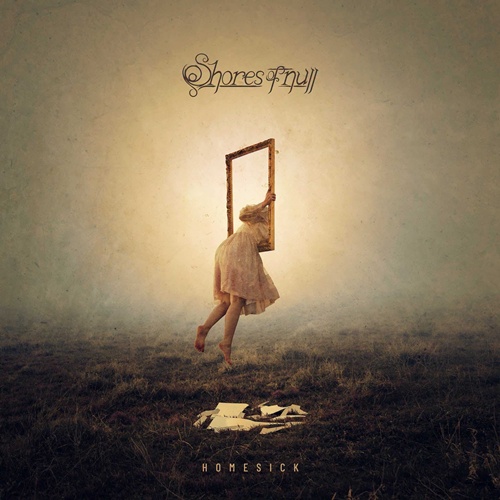
Between melancholy, memory and landscapes that become scars, the Shores of Null return to dig into the darkest side of the concept of home. With Davide and Emiliano, we talk about “Homesick”, the band’s fifth studio album, due out on October 16 via* Dusktone: a record born from a long songwriting and pre-production process, enriched by collaborations with Natalie Koskinen and Shaun MacGowan and built around an idea of belonging that is anything but comforting.*
Hi, thank you for your time, and I’m happy to be interviewing you again. After “The Loss of Beauty” and the split “Latitudes of Sorrow”, your fifth studio album, “Homesick”, will be released on October 16. The record revolves around a very ambiguous idea of “home”, made of belonging but also pain, memory and loss. When did you realize that this particular theme would become the heart of the new album?
(Davide) It all started when I called one of the songs “Homesick”, which, incidentally, was the first song written for the album, at least on an instrumental level. I remember Raffaele was already playing that opening riff during the soundchecks of the tours with Swallow the Sun in 2023. From the moment the song was given a title, it began to take on a broader and broader meaning, and I realized that it could encompass many of the themes that were also emerging throughout the rest of the record. We usually associate home with something reassuring, with a safe place where we can feel protected, but it isn’t always like that. For some people, it can also be the place where fear, pain or trauma were born. “Homesick” grew out of this contradiction. I think that, rather than being about the desire to return home, the album is about trying to make peace with what we call home, in all its different forms.
“Homesick” seems to stem from a very personal relationship with the past and with the places that shaped us. Nostalgia, trauma, reconciliation and a sense of cyclicity keep returning throughout your lyrics. Is there a particular memory, place or concrete experience that gave birth to this emotional universe?
(Davide) Some of the lyrics have a more personal origin, while others come from experiences lived indirectly through people close to us or through stories. And then there is also an important exception: “Allies Before Defeat” is the only song on the record that I didn’t write, but our bass player Matteo did, and it is based on a rather painful personal experience from his life. The place I come from has certainly also played its part, in my case. Although the band is from Rome, I grew up and live in Abruzzo, with Gran Sasso and Majella always on the horizon, and those mountains are inevitably part of my idea of home. That’s where “Two Mountains” came from, but certain places also appear in several photo shoots, artworks and videos (“Beyond The Shores”, for example), and they are important because they are also the bridge connecting me to Rome, that imaginary but also physical border I cross every time, the border that marks my return home after concerts, tours and journeys. Rather than coming from a single event, I believe the emotional universe of “Homesick” was born from the meeting of different experiences, both personal and shared, and from the way we are all eventually forced to confront what we have lived through.
In 2025, in our interview about the split with Convocation, you told me that your fifth full-length was already finished and that it had been recorded during the same sessions as the split. We now know that record is “Homesick”: what happened between those recording sessions and the final work on the album, and how much did you rewrite or change the material before reaching its definitive form?
(Emiliano) Exactly, both works were recorded during a single session, because the proposal for the split came to us right in the middle of the songwriting phase for “Homesick”. As far as the writing process is concerned, most of the work had already been done during the pre-production stages, so there were very few things we went back and worked on during the recordings.
When you released “Bleed To Life”, you talked about a very intense process of writing, rewriting and pre-production, once again carried out with Marco “Cinghio” Mastrobuono. What did you discover during this phase that probably wouldn’t have emerged if you had gone straight into the studio, and was there any song that completely changed its identity during pre-production?
(Emiliano) “Homesick” is, in every respect, an album written by six people. Marco wasn’t limited to the “sonic” side of production, but also made a major contribution during the artistic phase. “Bleed To Life”, as well as many other songs, were completely reshaped in terms of structure and arrangement, also thanks to his input. His different perspective was definitely a great help in giving the band’s sound and songwriting a new level of maturity.
(Davide) This time, the pre-production work was even more important than in the past. We spent a lot of time working on the songs first on our own and then together with Cinghio, who had a much more active role in the process than on previous records. So, by the time we entered the studio, we already had a very precise understanding of the songs and of our respective parts. This allowed us to focus mainly on details and nuances, rather than having to work on the structure of the songs.
In “Son of the Tide”, the tide becomes a metaphor for the inevitable forces that run through life, ultimately leading to an acceptance of one’s own fate. It’s an image that connects perfectly with the cyclic nature running through the album: how important is the idea of accepting what keeps returning instead of continuing to fight against it?
(Emiliano) Personally, I can give you my take on this based on experiences that have directly marked me throughout my life. On our journey, the universe puts a series of experiences in front of us, often painful ones, which crash against us with the same violence as waves breaking against rocks, and in these situations we only have two choices: accept what is happening and adapt, just as calm water faces the storm, emerging from it more aware, or fight it head-on and risk being swallowed by it. With this question, you brought back to my mind the famous line by Toki in the anime Hokuto No Ken, where he uses the metaphor of the waves to explain the philosophy of Ju no Ken, arguing that confronting violence head-on is counterproductive. Instead of fighting force with force, he teaches us to go with the current in order to neutralize it, thus avoiding mutual destruction.
In 2025, you told me that you would have liked to collaborate with Natalie Koskinen of Shape of Despair, after appreciating her contribution to a Convocation song. Now Natalie actually appears on “The Numbing Void”. How did this collaboration come about in concrete terms, and what did her voice add to such an important song on the new album?
(Emiliano) Davide and Natalie have known each other for a long time, and there has always been mutual respect, both on a human and artistic level. We had been thinking about a possible collaboration with her for quite some time, precisely because we believed her voice could add something valuable to the song, and that’s exactly what happened.
(Davide) Actually, when I answered that question, the collaboration with Natalie wasn’t certain yet, but I would find that out shortly afterwards. So, in a way, that collaboration was already in the air. As Emiliano said, Natalie and I have known each other for a few years, and we’ve seen each other every time we’ve played in Helsinki. So it was a pleasure to finally be able to work together.
“Homesick” also features Shaun MacGowan of My Dying Bride, with his violin on “Dreaming Of A Scar” and “The Numbing Void”. You therefore chose two guests coming from worlds that are very close to your own musical sensibility. How did you envision their contributions before bringing them on board, and how much did the final result change once their parts became part of the songs?
(Davide) Actually, their contributions weren’t envisioned from the beginning. In Shaun’s case, we had already written some violin parts for “Dreaming Of A Scar” and “The Numbing Void”, as well as some other interventions here and there, and we felt that those songs needed an outside guest because none of us plays the violin. At that point I asked myself: who better than the violinist from My Dying Bride? We already had a fairly clear direction for the arrangements, but we still gave him the freedom to interpret the parts in his own way and add something personal. For “The Numbing Void”, on the other hand, I also wanted a female voice that could create a contrast with the heaviness and oppression of the song. Natalie was a perfect fit for that idea, both in the backing vocals and in accompanying the growls in the verses, something she already does exceptionally well with Shape of Despair or The Abbey, just to mention two of the bands she is part of. For us, a guest is sacred! We like collaborations to be more than simply exchanging files remotely. Natalie and Shaun came to Rome and shared the studio space with us, but also dinners, beers and moments away from music. This had already happened in the past with Mikko from Swallow the Sun and Thomas from Saturnus, and for us it is an important part of the experience. Whenever possible, we want to share not only the music with our guests, but also a little bit of everyday life.
After the European tour with Swallow the Sun and Draconian, Hellfest, Rock Imperium, 70000 Tons of Metal and the subsequent live journey connected to “The Loss of Beauty”, you now find yourselves presenting an album that feels even more personal. How have all these experiences on major international stages changed the way you write and experience music?
(Emiliano) Surely all these experiences, together with those we’ve had in the past, have contributed enormously to our professional and artistic growth. When you have the chance to spend a long time, as was the case with STS and Draconian, alongside artists who are reference points for you, it’s inevitable that something inside you is triggered on an unconscious level. It’s something you don’t really notice, but you know it’s there, awakening something that will inspire you in the years to come. As far as experiencing music on stage is concerned, things are, let’s say, “more mechanical”, because the more concerts you play, the greater the band’s ability to adapt and handle stage tension becomes. You become increasingly relaxed and aware, and this allows the band to interact better and better with the most important thing of all: the audience.
“Homesick” opens a new chapter for Shores of Null and arrives after a particularly intense period, with albums, splits, a live album and tours. Once you bring this record to the stage, what new destinations would you like to reach, and what could be the band’s next step?
(Emiliano) At the moment, we are completely focused on the live promotion of “Homesick”. We got off to a great start on August 22 at Metal For Emergency, a wonderful festival where we shared the stage with legendary Carcass, the historic standard-bearers of Italian power metal Labyrinth, and many other highly worthy bands from the Italian scene. On Saturday, August 29, we’ll be at the Suburbiae Unexpected Fest in Teramo with Wolfmother, Stoned Jesus and Messa; on September 6, we’ll be in Rome with Soen and Inno; and on September 19, we’ll be in Portugal for River Stone Fest alongside Wolfheart and many others. But this is only the beginning.
(Davide) Yes, because from October onwards we’ll have many more dates across Europe, and hopefully in Italy as well. In October we’ll play a couple of shows in Bulgaria and Romania once again with Swallow the Sun, we’ll return to Greece and Slovenia, and in November we’ll do a mini-tour in Germany with our friends Decembre Noir. We’ll also return to Live Club in Trezzo sull’Adda alongside Messa and The Night Eternal, and then in December we’ll headline a festival in Malta alongside Ponte del Diavolo. The next step for the band? Keep playing live and seize as many opportunities as possible, intensify our tours and festival appearances, and play in places we’ve never been before.

