
ENGLISH VERSION BELOW: PLEASE, SCROLL DOWN!
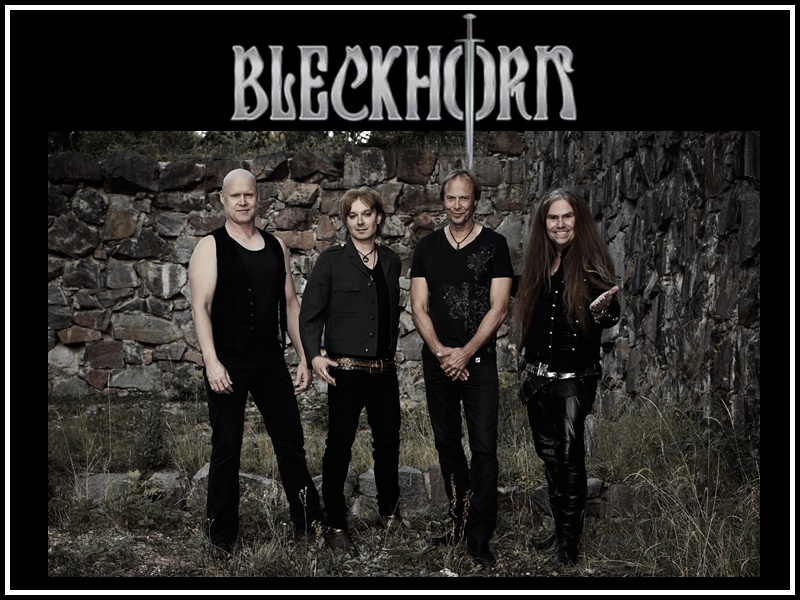
Il fuoco epico del metallo scandinavo non muore mai! Quando dei veterani navigati della scena del nord uniscono le forze, il risultato non può che essere una colossale esplosione di pura energia mitologica. Abbiamo avuto il piacere di fare quattro chiacchiere con i Bleckhorn, la band heavy metal guidata dal compositore e chitarrista Jayce Landberg insieme alla leggenda del basso Magnus Rosén. Portando avanti la torcia della tradizione e fondandosi sul solido terreno del loro EP di debutto “Dragonfire”, la band si sta preparando al primo assalto sulla lunga distanza, in uscita tramite la Wanikiya Records. Ecco cosa ci ha raccontato Jayce tra rune, vichinghi e riff senza pietà!
Grazie per aver dedicato del tempo, Jayce. “Dragonfire” ha presentato i Bleckhorn nel 2019 con quattro brani radicati nell’heavy metal melodico, nelle tradizioni musicali scandinave e nella mitologia norrena, mentre il progetto si sta ora preparando per il suo primo full-length per il 2027: guardando all’EP oggi, cosa rappresenta “Dragonfire” all’interno dell’evoluzione dei Bleckhorn?
“Dragonfire” ha davvero gettato le basi di dove ci troviamo oggi come band. All’epoca, quando Magnus mi contattò e diede il via al progetto, abbiamo cambiato diversi batteristi. Inizialmente avevamo iniziato a lavorare con Anders Johansson (ex Yngwie Malmsteen, HammerFall), poi con Christian “Kicken” Lundqvist dei The Poodles. Dato che le cose non sono andate in porto per motivi che non intendo svelare, alla fine ci siamo stabiliti con Peter Hermansson (ex 220 Volt, John Norum). Oggi abbiamo a bordo un nuovo “vichingo”, il batterista Mikael Rosengren (della band Bai Bang), che sente davvero che la musica dei Bleckhorn è qualcosa che ha sempre voluto fare. Mikael ha anche una grande personalità. Ci capiamo al volo perché condividiamo molte influenze musicali simili. Il prossimo album sarà piuttosto diverso dall’EP “Dragonfire”. Molto più grezzo e diretto in faccia, per così dire. Suono enorme.
Le quattro canzoni, “Dragonfire”, “Gates Of Valhalla”, “Land Of Glory” e “Ragnarök”, costruiscono un universo musicale attorno alle leggende vichinghe, alle terre antiche e alla mitologia norrena: in che modo questi temi hanno influenzato la composizione, e l’intenzione fin dall’inizio era quella di creare una narrazione continua piuttosto che usare semplicemente l’immaginario vichingo come sfondo per i testi?
L’idea originale di Magnus era quella di fondare una band power metal che traesse ispirazione lirica dalla vecchia mitologia norrena. Noi nella band lo sentiamo fortemente perché, alla fine della fiera, stiamo parlando delle nostre radici storiche. La maggior parte delle persone fuori dalla Scandinavia lo vedrebbe come un puro tema fantasy o una specie di saga stile “Il Signore Degli Anelli”, ma per noi simboleggia molto di più. Rappresenta ciò che hanno vissuto i nostri antenati, il nostro patrimonio culturale.
Con te responsabile di chitarre, tastiere e composizione, la vostra musica unisce heavy metal melodico, atmosfere epiche ed elementi marcatamente scandinavi: come vengono sviluppati i diversi strati strumentali durante il processo di scrittura, e l’idea iniziale nasce normalmente con un riff, una melodia, una parte di tastiera o un concetto specifico?
Di solito scrivo la musica e i testi separatamente ma contemporaneamente. Man mano che la struttura delle canzoni prende forma, ho spesso in testa un tema o un concetto. La poesia o la prosa che scrivo diventano il catalizzatore e certe idee finiscono per incastrarsi perfettamente nella musica. È quasi come se fosse stato scritto nel destino. Sento spesso che i pezzi siano già scritti e che io sia solo il canale per farli materializzare. Quella sensazione è difficile da spiegare. È quasi spirituale, dato che spesso sento le parole nella mia testa.
La presenza di Magnus Rosén e Göran Edman dà ai Bleckhorn un legame particolarmente forte con la tradizione metal svedese, ma entrambi i musicisti hanno anche esperienze molto diverse alle spalle: in che modo le loro singole personalità e background musicali hanno influenzato gli arrangiamenti e le esecuzioni su “Dragonfire”?
Abbiamo tutti background differenti con influenze diverse, ma anche simili. È questo che rende unici i Bleckhorn. Molte band spesso nascono perché sono radicate esattamente negli stessi gusti. Non è il caso dei Bleckhorn. Göran Edman è ad esempio un grande fan di Frank Zappa. Questo non funzionerebbe nel contesto dei Bleckhorn, e a me piacciono certe cose che altri membri non riuscirebbero a tollerare. C’è una canzone, ad esempio, nel nuovo album in uscita, in cui Magnus mi ha chiamato e mi ha chiesto di riscrivere il pre-chorus perché sentiva che Göran lo cantava in modo troppo “grungy”. Sono questo tipo di interazioni che definiscono la pasta di cui sono fatti i Bleckhorn. La direzione è molto chiara e serrata, e la sottigliezza dei nostri diversi background si può percepire nel prodotto finale complessivo. Un’analogia che mi piace fare è che è simile a un dipinto con una tavolozza di colori diversi, ma la combinazione di questi colori si erge come un’unica grande unità, un’opera d’arte. Mi piacciono pittori come John Bauer (ride), ma a parte lui, quanto sarebbe valido un dipinto del XVII secolo senza le sue diverse sfumature?
Magnus Rosén è particolarmente associato ai suoi anni negli HammerFall, mentre Göran Edman ha lavorato con artisti come Yngwie Malmsteen, John Norum e Brazen Abbot: quando musicisti con storie così importanti si uniscono per un progetto come i Bleckhorn, c’è uno sforzo consapevole di lasciarsi alle spalle quei capitoli precedenti e stabilire un’identità musicale completamente nuova?
Non credo ci sia uno sforzo consapevole nel lasciarsi alle spalle i vecchi progetti. Tendo a vedere tutti i progetti musicali come “miei” figli. Ognuno è importante. Ogni esperienza definisce ciò che siamo oggi e i vecchi progetti spesso ritraggono dove ci trovavamo all’epoca, ma sono ancora lì e fanno parte di noi.
Il progetto combina un immaginario storico e mitologico con un approccio marcatamente melodico piuttosto che concentrarsi esclusivamente sull’aggressività: qual è l’equilibrio che i Bleckhorn cercano tra la magnificenza della mitologia vichinga e le emozioni umane che possono ancora rendere le storie di dei, guerrieri, gloria e Ragnarök attuali per un ascoltatore moderno?
Quando dici “aggressività”, intendi l’immagine che molti hanno dei vichinghi. Storicamente c’è un enorme malinteso sul fatto che tutti i vichinghi fossero barbari. Certamente, proprio come c’erano i pirati, c’era violenza a quei tempi, ma la maggior parte dei vichinghi era in realtà composta da artigiani di grande talento, esploratori e poeti, che ci si creda o meno. L’Edda Poetica, scritta dai vichinghi, è ciò da cui i Bleckhorn traggono ispirazione. Dal punto di vista dei testi, la menzione di dei e guerrieri costituisce in realtà un’analogia. Abbiamo tutti i nostri demoni e draghi da affrontare, i nostri nemici. Abbiamo tutti una sete di conquista o un’aspirazione di qualche tipo. “Ragnarök” parla di un vichingo che perde moglie e figli. Sa che deve combattere per proteggerli e sa che non tornerà indietro. Ma il sacrificio è necessario. C’è spazio per l’interpretazione, e si adatta perfettamente al nostro mondo moderno. Abbiamo solo nemici diversi da combattere, e le battaglie oggi sembrano diverse, ma i sacrifici e il coraggio necessari sono ancora lì.
“Dragonfire” è stato originariamente pubblicato nel 2019, il che significa che sono passati diversi anni tra l’EP e il prossimo capitolo fondamentale del progetto: cosa è successo durante questo periodo che ha permesso all’identità musicale e concettuale dei Bleckhorn di continuare a svilupparsi piuttosto che rimanere legata all’EP originale?
Non sono stato a poltrire sul divano. Nel frattempo ho prodotto un album solista e ho diretto molti video per esso. Ho anche scritto la sceneggiatura e la colonna sonora originale, diretto e recitato nella trilogia cinematografica “Truth Or Dare” che ora è disponibile su Amazon Prime Video negli Stati Uniti e in Inghilterra. Ho anche diretto video per altri artisti, uno dei quali con il leggendario Janne Schaffer degli ABBA. Tutte queste esperienze hanno portato qualcosa al nuovo disco, sia nei testi che nella musica. Siamo comunque rimasti tutti in contatto e la nostra amicizia non è mai svanita. Abbiamo sempre saputo che ci saremmo riuniti di nuovo al momento giusto.
Il primo album full-length dei Bleckhorn è previsto per il 2027 e ci si aspetta che espanda il mondo introdotto con “Dragonfire”: il nuovo materiale può essere visto come un continuo diretto dell’EP, o gli ascoltatori dovrebbero aspettarsi un’interpretazione più ampia e forse più ambiziosa dell’identità heavy metal melodica e d’ispirazione vichinga della band?
Siamo sempre stati ambiziosi. Non pubblicheremmo mai nulla al di sotto dei nostri standard, e credimi, sono fissati davvero in alto (ride). Quando eravamo in studio per registrare tutte le linee di basso per il nuovo disco, per esempio, Magnus ha guidato diverse ore da Göteborg fino al mio home studio e ci sedevamo spesso dalle prime luci del mattino fino all’una di notte con solo poche pause per il pranzo. Il nuovo materiale suona più grezzo, con un suono di basso e chitarra enorme. Ho sperimentato diverse accordature, rendendo il disco molto più pesante del precedente “Dragonfire”. Direi che il nuovo materiale è la naturale evoluzione di ciò che sono i Bleckhorn. Magnus mi ha detto di recente che ora sente che siamo una vera band unita.
Con “Dragonfire” che ha gettato le fondamenta e l’album del 2027 che rappresenta il prossimo grande passo, cosa vorrebbero costruire in definitiva i Bleckhorn attorno a questo progetto nei prossimi anni: una saga concettuale continua, una presenza dal vivo più estesa o un universo musicale capace di svilupparsi ben oltre la mitologia esplorata finora?
Ci saranno diverse sorprese nel nuovo disco. Siamo in contatto con diversi guest che trovano il progetto molto interessante e il nostro obiettivo immediato dopo la release sarà la promozione e le esibizioni dal vivo, oltre ai videoclip. C’è già spazio per l’interpretazione al fianco della mitologia e stiamo già discutendo idee per il futuro, dato che la nostra direzione sta prendendo una piega ancora più chiara.
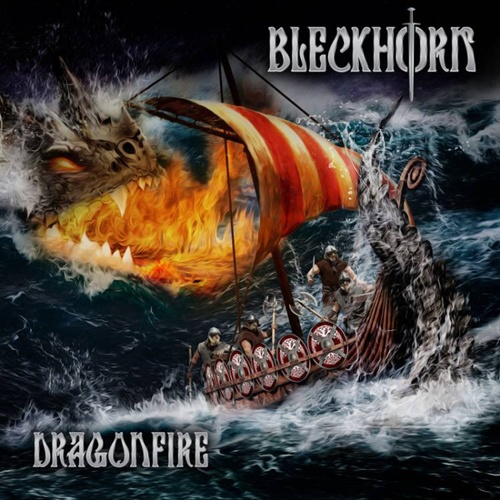
The epic Scandinavian metal fire never dies! When seasoned veterans of the northern scene join forces, the outcome is bound to be a massive explosion of pure mythological energy. We had the absolute pleasure of catching up with Bleckhorn, the heavy metal powerhouse led by composer and guitarist Jayce Landberg alongside bass legend Magnus Rosén. Carrying the torch of tradition and building upon the foundation of their debut EP “Dragonfire”, the band is gearing up for their first full-length assault scheduled for release via Wanikiya Records. Here is what Jayce had to say about runes, Vikings, and unrelenting riffs!
Thank you for taking the time to speak with Il Raglio Del Mulo, Jayce . “Dragonfire” introduced Bleckhorn in 2019 with four songs rooted in melodic heavy metal, Scandinavian musical traditions and Norse mythology, while the project is now preparing its first full-length album for 2027: looking back at the EP today, what does “Dragonfire” represent within the evolution of Bleckhorn? “Dragonfire” really set the foundation of where we stand today as a band. Back when Magnus contacted me and initiated the project, we went through several drummers. Initially, we started working with Anders Johansson (ex-Yngwie Malmsteen Hammerfall), then Christian “Kicken” Lundqvist from The Poodles. As things didn’t go all the way for reasons I will not divulge, we finally settled for Peter Hermansson (ex-220 Volt, John Norum). Today we have a new “Viking” onboard, drummer Mikael Rosengren (from the band Bai Bang) who really feels Bleckhorn’s music is something he always wanted to do. Mikael also has a great personality. We understand eachother completely as we share many similar influences musically. The upcoming album will be quite different from the “Dragonfire” E.P. Much rawer and in your face so to speak. Huge sound.
The four songs, “Dragonfire”, “Gates Of Valhalla”, “Land Of Glory” and “Ragnarök”, build a musical world around Viking legends, ancient lands and Norse mythology: how did these themes influence the songwriting, and was the intention from the beginning to create a continuous narrative rather than simply use Viking imagery as a lyrical backdrop? Magnus’ original idea was to start a power metal band that draws lyrical inspiration from Old Norse mythology. We in the band feel strongly about it because at the end of the line, we’re talking about our historical roots. Most people outside Scandinavia would see it as a pure fantasy theme or a sort of “Lord Of The Rings” saga, but to us, it symbolizes more. It accounts for what our ancestors went through, our cultural heritage.
With you responsible for guitars, keyboards and composition, the music brings together melodic heavy metal, epic atmospheres and distinctly Scandinavian elements: how are the different instrumental layers developed during the writing process, and does the initial idea normally begin with a riff, a melody, a keyboard part or a specific concept? I usually sort of write the music and the lyrics separately but simultaneously. As the structure of the songs takes form, I often have a theme or a concept in my head. The poetry or prose I write become the catalyst and certain ideas turn out to fit in perfectly into the music. It’s almost as it was meant to be. I often feel that the songs are already written and that I’m the channel for it to materialize. That feeling is hard to explain. It’s almost spiritual as I often hear the words in my head.
The presence of Magnus Rosén and Göran Edman gives Bleckhorn a particularly strong connection to the Swedish metal tradition, but both musicians also have very different experiences behind them: how did their individual personalities and musical backgrounds influence the arrangements and performances on “Dragonfire”? We all have different backgrounds with different influences, but also similar. That’s what makes Bleckhorn unique. Many bands often come together because they are rooted in exactly the same tastes. That’s not the case for Bleckhorn. Göran Edman is a big Frank Zappa fan for example. That wouldn’t work in the Bleckhorn context, and I like certain things that other members would not be able to tolerate. There is one song for instance on the new upcoming album where Magnus called me and asked me to re-write the pre-chorus as he felt Göran sang it too “grungy”. It is those kind of interactions that define the stuff Bleckhorn is made of. The direction is very clear and tight, and the subtility of our different backgrounds can be felt in the overall final product. An analogy I like to make is that it’s similar to a painting with a different palette of colours, but the combination of these colours stand as one big unity, one piece of art. I like painters like John Bauer (laughs), but aside from him, how good would a 17th century painting be without different nuances?
Magnus Rosén is particularly associated with his years in HammerFall, while Göran Edman has worked with artists such as Yngwie Malmsteen, John Norum and Brazen Abbot: when musicians with such extensive histories come together for a project like Bleckhorn, is there a conscious effort to leave those previous chapters behind and establish a completely new musical identity? I don’t think there is a conscious effort to leave old projects behind. I tend to see all musical projects as “my” children. Each one is important. Each experience defines what we are today and old projects often portrays were we stood back then, but they are still there and part of us.
The project combines historical and mythological imagery with a distinctly melodic approach rather than focusing exclusively on aggression: what is the balance Bleckhorn are looking for between the grandeur of Viking mythology and the human emotions that can still make stories about gods, warriors, glory and Ragnarök relevant to a modern listener? When you say “aggression”, you mean the image many have of Vikings. Historically there is a huge misconception though that all Vikings were barbarians. Surely, just like there were pirates there was violence in those times but most Vikings were actually very skilled craftsmen, explorers and poets believe it or not. The Poetic Edda, written by Vikings is also what Bleckhorns draws inspiration from. Lyrically, the mention of Gods and warriors also constitutes an analogy really. We all have our demons and dragons to face, our enemies. We all have a thirst for conquest or an aspiration of some sort. “Ragnarök” is about a Viking losing his wife and children. He knows he has to fight to protect them and he knows he won’t be coming back. But the sacrifice is necessary. There is room for interpretation, and it fits perfectly into our modern world. We just have different enemies to fight, and the fights look different nowadays but the sacrifices and the courage it takes are still there.
“Dragonfire” was originally released in 2019, meaning that several years have passed between the EP and the next major chapter of the project: what happened during this period that allowed Bleckhorn’s musical and conceptual identity to continue developing rather than remaining tied to the original EP? I haven’t been lazy on the couch. During the time in between I produced a solo album and directed many videos for it. I also wrote the script and original score, directed and acted in the “Truth Or Dare” film trilogy that is now out on Amazon Prime Video in the U.S and England. I also directed videos for other artists, one of them featuring ABBA’s legendary Janne Schaffer. All these experiences have brought something to the new record, either lyrically or musically. We all kept in touch though and our friendship has never faded. We always knew we would come together again when the time is right.
The first full-length Bleckhorn album is now planned for 2027 and is expected to expand the world introduced with “Dragonfire”: can the new material be seen as a direct continuation of the EP, or should listeners expect a broader and perhaps more ambitious interpretation of the band’s melodic heavy metal and Viking-inspired identity? We have always been ambitious. We would never release anything below our standard, and believe me it’s set pretty high (laughs). When we were in the studio to record all the bass lines for the new record for instance, Magnus drove several hours all the way from Gothenburg to my home studio and we would sit often from early morning until 1 am at night with only few pauses for lunch. The new material sounds rawer with a huge bass and guitar sound. I experimented with different tunings, making the record much heavier than the previous “Dragonfire”. I would say the new material is the natural evolution of what Bleckhorn is about. Magnus told me recently that he now feels we are a real united band.
With “Dragonfire” having established the foundations and the 2027 album representing the next major step, what would Bleckhorn ultimately like to build around this project in the coming years: a continuing conceptual saga, a more extensive live presence, or a musical universe capable of developing far beyond the mythology explored so far? There will be a few surprises on the new record. We are in touch with several guest artists that find the project very interesting and our immediate focus after the release will be promotion and live performances, as well as music videos. There is already room for interpretation side by side with the mythology and we are already discussing ideas for the future as our direction is taking a clearer turn.

