
ENGLISH VERSION BELOW: PLEASE, SCROLL DOWN!
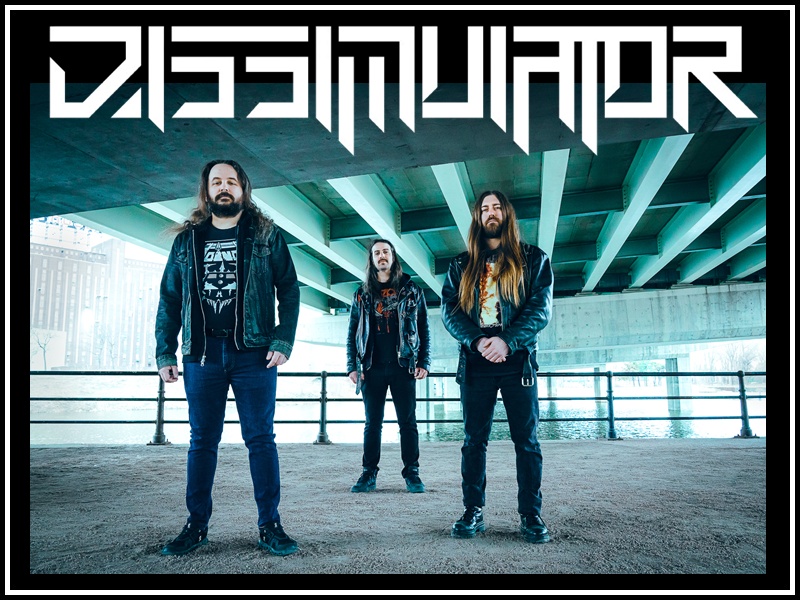
I Dissimulator di Claude Leduc e dei suoi ragazzi spingono ulteriormente verso l’ignoto il proprio death-thrash futuristico con “Artifice Dissolves”, album pubblicato da 20 Buck Spin che rende ancora più affilata l’ossessione della band per riff intricati, strutture mutevoli e visioni distopiche. Abbiamo parlato con Leduc del processo creativo alla base del nuovo disco, dell’identità musicale della band, della scena di Montréal e della sfida di mantenere la tecnica al servizio delle canzoni, e non il contrario.
Grazie per aver trovato il tempo di parlare con Il Raglio Del Mulo, Claude. Con “Artifice Dissolves”, in uscita il 2 ottobre 2026 per 20 Buck Spin, i Dissimulator spingono il death-thrash futuristico di “Lower Form Resistance” verso una dimensione ancora più intricata, caotica e tecnicamente impegnativa: qual è stato il principale impulso creativo che vi ha portato a sviluppare il sound della band in questa direzione?
“Artifice Dissolves” è stato essenzialmente scritto nello stesso periodo di ispirazione di “Lower Form Resistance”. Alcuni dei brani erano già stati scritti prima ancora che uscisse “LFR”. L’idea è scrivere riff pesanti che evochino lo spirito degli anni migliori del thrash, ma filtrandoli attraverso la profondità stilistica del death metal più moderno.
L’album costruisce un mondo distopico plasmato dall’egemonia tecnologica, dalla coscienza artificiale, dalle megalopoli autonome e da un’entropia catastrofica: quanto hanno influenzato questi concetti la scrittura di “Artifice Dissolves” e quanto sono legati alle reali inquietudini riguardo alla direzione che potrebbero prendere la tecnologia e la società?
Fin dall’inizio, il concept della band è stato incentrato sull’esagerare o portare all’estremo le tendenze e le osservazioni che si possono fare sul rapporto attuale dell’umanità con la tecnologia. Non c’è nulla di realmente originale nell’idea di un futuro cyber-distopico, ma il tentativo di approfondirla concettualmente o esteticamente attraverso questo tipo di critica può essere un modo per mantenere le cose fresche. In quanto autore dei testi della band, traggo ispirazione da molti autori appartenenti a molti generi diversi, tra narrativa, filosofia, sociologia, storia, ecc… Autori come Gunther Anders, Aldous Huxley, Lewis Mumford, Hannah Arendt, Martin Heidegger, Michel Freitag, ecc.
Questa evoluzione concettuale trova il suo riflesso nella musica stessa, con linee di chitarra spigolose, strutture ritmiche volatili e bruschi cambiamenti che mettono continuamente alla prova l’ascoltatore: quando scrivete materiale così complesso, come fanno i Dissimulator a preservare un senso di identità e di dinamismo senza permettere alla tecnica di diventare un fine in sé?
L’aspetto tecnico della nostra musica è semplicemente un sottoprodotto della musica che ascoltiamo e dei riff che ci piace suonare. L’unico momento in cui la tecnica diventa oggetto di discussione è quando, o se, vogliamo rielaborare una parte perché diventa fastidiosa o non è più divertente da suonare. Quando scrivo mi piace pensare a variazioni dello stesso riff, cosa che immagino possa introdurre una certa complessità strutturale, ma non cerco attivamente questo tipo di complessità. Penso che bilanciare un vocabolario musicale variegato con strutture dei brani compatte, restando all’interno dei vincoli di uno specifico stile o genere, sia la sfida più interessante e gratificante dal punto di vista creativo.
Brani come “Alloyed” e “Neon Metropolis” sono costruiti intorno a velocità estreme e riffing altamente intricato: c’è stata una parte particolare di “Artifice Dissolves” che si è rivelata particolarmente difficile da scrivere, arrangiare o suonare dal vivo, ma che alla fine è diventata uno dei momenti più gratificanti dell’album?
C’è un breakdown poliritmico circa a due terzi del brano d’apertura, “Apophenic Rage”, di cui sono particolarmente orgoglioso. Uno dei miei aspetti preferiti del thrash sono i cambi di tempo strani e spesso inaspettati, e volevo creare un riff pesante che iniziasse in modo sincopato o balbettante e che in qualche modo si “trasformasse” in un groove. Così abbiamo avuto l’idea di suonare questo riff in terzine in 5/4, mentre la batteria mantiene sotto un 4/4 costante, per poi fare in modo che la parte di chitarra collassasse in quella della batteria una volta che entrambi gli elementi si fossero riallineati… Penso che l’effetto sia venuto alla grande. La sfida consisteva nel capire quale linguaggio musicale fosse più appropriato per l’idea che avevamo in mente, ma credo che gli sforzi abbiano dato i loro frutti!
I brani di “Artifice Dissolves” spesso danno l’impressione di collassare e ricostruirsi continuamente, quasi come se una coscienza artificiale stesse riscrivendo il proprio codice: questa sensazione di instabilità nasce principalmente dal modo in cui sono composti i riff oppure emerge successivamente attraverso l’interazione tra chitarre, basso e batteria durante il processo di arrangiamento?
Penso che possa derivare dalla tendenza, che ho già menzionato, a introdurre variazioni nel modo in cui suono i riff di chitarra. Tendo a preferire strutture dei brani più compatte rispetto a lunghe divagazioni progressive, ma penso che ci sia spazio per giocare all’interno di questo tipo di vincolo. Strutturalmente, i brani dei Dissimulator non sono poi così folli, con un numero di sezioni che va da quattro a sei e che si ripetono secondo uno schema prestabilito… è all’interno dei riff stessi che si sviluppa gran parte della varietà.
I membri dei Dissimulator hanno inoltre militato in altri progetti di metal estremo, portando nella band background ed esperienze musicali differenti: quanto il lavoro all’interno dei Dissimulator permette a queste influenze di convergere e c’è uno sforzo consapevole per mantenere l’identità della band separata dalle vostre altre attività musicali?
Spesso abbiamo obiettivi o vincoli specifici in mente quando lavoriamo a un determinato progetto, ed è questo a guidare le composizioni. Naturalmente, penso anche che abbiamo le nostre voci e identità come musicisti, elementi che necessariamente trascendono le differenze tra i vari progetti. Qualunque unicità possiamo attribuire al sound dei Dissimulator, penso sia una combinazione dell’approccio della band alla scrittura, che unisce “old school e new school”, e dei background molto diversi dei membri della band. Per esempio: il nostro batterista Phil è cresciuto con il black metal, Antoine ama il power metal, mentre io in questi giorni ascolto soprattutto IDM e Darkwave!
La scena extreme metal di Montréal ha una lunga storia di band capaci di sviluppare approcci altamente personali alla musica pesante, dai Voivod agli Obliveon e oltre: quanto l’ambiente da cui provengono i Dissimulator continua a influenzare la visione creativa della band e c’è qualcosa di particolarmente distintivo a Montréal che continua a plasmare la vostra musica?
La scena da cui proveniamo è necessariamente un elemento fondamentale di ciò che siamo come fan del metal e come musicisti. Sono sicuro che ci siano molte cose che, dal punto di vista musicale, contribuiscono a rendere quella scena ciò che è… ma una cosa che ho sempre apprezzato particolarmente è il modo in cui molte band di Montréal cercano spesso di trovare un equilibrio tra il rendere omaggio ai propri eroi e alla storia del metal in generale, senza però rimanere bloccate nel passato e continuando a sperimentare e a costruire un sound personale… Immagino che questo sia un aspetto importante del modo in cui i Dissimulator fanno le proprie cose.
Guardando oltre gli aspetti tecnici e concettuali della band, che cosa è cambiato maggiormente nel vostro modo di affrontare la scrittura dei brani dai tempi di “Lower Form Resistance”: l’esperienza maturata con il primo album ha reso il processo creativo più istintivo, più impegnativo o semplicemente diverso?
La scrittura potrebbe essere diventata un po’ più naturale con “Artifice Dissolves”, ma, come ho accennato prima, entrambi gli album sono essenzialmente nati dallo stesso periodo di ispirazione. La maggiore enfasi sul thrash in “AD” è probabilmente voluta, perché quando è uscito “LFR” sentivo di volere più di quell’energia urgente tipica del thrash per il futuro.
Con “Artifice Dissolves” che porta il sound dei Dissimulator e la loro mitologia futuristica verso territori sempre più estremi, dove vede la band la prossima frontiera ancora inesplorata: ulteriore sperimentazione musicale, una nuova direzione concettuale o un approccio completamente diverso alla scrittura dei brani?
Per ora mi sto prendendo una pausa dalla scrittura dei brani, per dare alle energie creative il tempo di rigenerarsi e per evitare che il sound della band diventi stagnante. Mi piacerebbe rendere i brani più oscuri e forse anche un po’ più progressivi, ma è troppo presto per saperlo con certezza… non siamo sempre noi ad avere il pieno controllo di queste cose ed è importante semplicemente esplorare, divertirsi e, ogni tanto, sperare di riuscire a sorprendere se stessi come artisti.
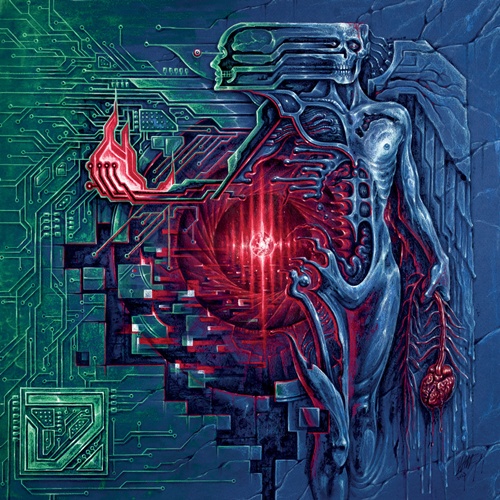
With Dissimulator, Claude Leduc and the rest of the Montreal outfit push their futuristic death-thrash further into the unknown on “Artifice Dissolves”, an album released through 20 Buck Spin that sharpens the band’s obsession with intricate riffs, shifting structures and dystopian visions. We spoke with Leduc about the creative process behind the new record, the band’s musical identity, the Montreal scene and the challenges of keeping technicality in service of the song rather than the other way around.
Thank you for taking the time to speak with Il Raglio Del Mulo. With “Artifice Dissolves”, due out on October 2, 2026 through 20 Buck Spin, Dissimulator push the futuristic death-thrash of “Lower Form Resistance” into an even more intricate, chaotic and technically demanding dimension: what was the main creative impulse behind taking the band’s sound in this direction?
Claude Leduc: Artifice Dissolves was essentially written within the same breath of inspiration as Lower Form Resistance. Some of the songs were already written before LFR was even released. The idea is to write heavy riffs that evoke the spirit of thrash’s best years but channeled through the stylistic depth of more modern death metal.
The album builds a dystopian world shaped by technological hegemony, artificial consciousness, autonomous megacities and catastrophic entropy: how did these ideas influence the writing of “Artifice Dissolves”, and how closely are they connected to real-world anxieties about where technology and society may be heading?
From the beginning, the band’s concept has been about either exaggerating or pushing to its extreme tendencies and observations that can be made about humanity’s current relationship to technology. There’s nothing really original about the idea of a cyber-dystopian future, but the attempt to deepen it conceptually or aesthetically through this style of critique can be a way to keep things fresh. As the lyric writer in the band, I draw inspiration from many authors in many genres in fiction, philosophy, sociology, history, etc… authors like Gunther Anders, Aldous Huxley, Lewis Mumford, Hannah Arendt, Martin Heidegger, Michel Freitag, etc.
That conceptual evolution is mirrored by the music itself, with jagged guitar lines, volatile rhythmic structures and abrupt shifts constantly challenging the listener: when writing such complex material, how do Dissimulator preserve a sense of identity and momentum rather than allowing technicality to become an end in itself?
The technical aspect of our music is but a mere byproduct of the music we listen to and the riffs we like to play. The only time technicality becomes a subject of discussion is when/if we want to rework a part because it becomes annoying/no fun to play. I like thinking of variations on the same riff when I write, which I guess can introduce some structural complexity, but I don’t actively seek out such complexity. I think balancing a diverse musical vocabulary with tight song structures from within the constraints of a specific style or genre is the most interesting and rewarding challenge from a creative standpoint.
Tracks such as “Alloyed” and “Neon Metropolis” are built around extreme speed and highly intricate riffing: was there a particular passage on “Artifice Dissolves” that proved especially difficult to write, arrange or perform, but ultimately became one of the most rewarding moments of the album?
There’s a polyrhythmic breakdown about two thirds of the way through the opening song “Apophenic Rage” that I’m particularly proud of. One of my favourite aspects of thrash is the odd and often unexpected tempo shifts, and I wanted to come up with a heavy riff that would start off jangled or stuttering and sort of “morph” into a groove. So we came up with this idea of playing this riff in triplets in 5/4 while the drums keep a steady 4/4 underneath it, and then have the guitar part sort of collapse into the drums once both elements caught up with each other… I think the effect came out great. The challenge was figuring out what the musical language would be most appropriate for the idea we had in mind, but I think the efforts paid off!
The songs on “Artifice Dissolves” often feel as if they are constantly collapsing and rebuilding themselves, almost like an artificial consciousness rewriting its own code: does this sense of instability come primarily from the way the riffs are composed, or does it emerge later through the interaction between guitars, bass and drums during the arrangement process?
I think that might be derived from my earlier-mentioned tendency to introduce variation in the way I play guitar riffs. I tend to prefer tighter song structures than long-winded progressive excursions, but I do think there’s room to play within that kind of constraint. Structurally, Dissimulator songs are not all that wild, with anywhere between 4-6 sections that repeat in some set pattern… it’s within the riffs themselves that much of the variety takes place.
Dissimulator’s members have also been involved in other extreme-metal projects, bringing different musical backgrounds and experiences into the band: how much does working within Dissimulator allow those influences to converge, and is there a conscious effort to keep the band’s identity separate from your other musical activities?
We often have specific goals or constraints in mind when working on a given project and that is what guides the compositions. Of course, I also think we have our own voices and identities as musicians, elements of which will necessarily transcend the differences between projects. Whatever uniqueness we can attribute to Dissimulator’s sound I think is a mix of the band’s “old school-meets-new school” approach to songwriting and the very different backgrounds of the band members. Example: Our drummer Phil grew up with black metal, Antoine loves power metal, and I mostly listen to IDM and Darkwave these days!
The Montreal extreme-metal scene has a long history of producing bands with highly individual approaches to heavy music, from Voivod to Obliveon and beyond: how much does the environment in which Dissimulator operate still influence the band’s creative outlook, and is there anything particularly distinctive about Montreal that continues to shape your music?
The scene we came out of is necessarily a core aspect of who we are as metal fans and musicians. I’m sure there are many things from the scene that make it what it is from a musical standpoint… but one thing I’ve always particularly enjoyed is how many of the Montreal bands often try to balance paying homage to their heroes and metal’s history more generally, all the while not being stuck in the past and still trying to experiment and forge their own sound… I guess that’s one aspect that’s important about how Dissimulator does its thing.
Looking beyond the technical and conceptual aspects of the band, what has changed most in the way Dissimulator approach songwriting since “Lower Form Resistance”: has the experience gained from the first album made the creative process more instinctive, more demanding, or simply different?
The writing might have gotten a bit more natural with Artifice Dissolves, but as I alluded to earlier both albums were essentially borne of the same period of inspiration. The heavier emphasis on thrash in AD is probably on purpose, as by the time LFR came out I did want more of the urgent energy of thrash going forward.
With “Artifice Dissolves” taking the Dissimulator sound and its futuristic mythology into increasingly extreme territory, where does the band see the next unexplored frontier: further musical experimentation, a new conceptual direction, or a completely different approach to songwriting?
I’m taking a break from songwriting for now, to give time to replenish creative energies and not let the band’s sound get stale. I would like to get darker and maybe a bit more progressive with the songs, but it’s too early to know for sure… we’re not always in full control of these things and it’s important to just explore, have fun and once in a while hopefully surprise oneself as an artist.

