
ENGLISH VERSION BELOW: PLEASE, SCROLL DOWN!
Trent’anni di death metal, deviazioni sinfoniche, ombre esistenziali e nessuna voglia di chiedere il permesso ai puristi. I Memories Of A Lost Soul hanno sempre seguito la propria rotta, anche quando questo significava allontanarsi dalle coordinate degli esordi. Con “Lost Memories”, pubblicato da My Kingdom Music, Buzz riapre vecchi capitoli, rilegge brani legati alla storia della band e affianca al materiale in studio “The Darkest Live”, il primo album ufficiale dal vivo del gruppo. Lo abbiamo incontrato per parlare di identità, scelte artistiche, ferite personali e di un futuro in cui profezie e fisica quantistica potrebbero indicare la strada verso la prossima discesa negli abissi.
Ciao Buzz, grazie ancora per aver accettato questa nuova intervista. Dopo “Songs From The Restless Oblivion”, i Memories Of A Lost Soul tornano con “Lost Memories”, un album che continua a muoversi tra melodic death metal, black metal, atmosfere gothic e aperture più sinfoniche e progressive. Cosa rappresenta per te questo nuovo capitolo e in cosa senti che la band sia cambiata rispetto al disco precedente?
Guarda, ormai, dopo 30 anni, siamo giunti alla conclusione che non ce ne frega molto dei generi e dei sottogeneri. In realtà facciamo semplicemente la musica che ci piace, senza farci troppi problemi. Alcuni l’hanno capito, altri criticano i nostri continui cambi di stile, auspicando un ritorno al primo death metal svedese ferale dal quale deriviamo. A costoro rispondo: magari succederà quando avremo finito le idee.
Quando ci siamo sentiti nel 2025 mi avevi raccontato che “Songs From The Restless Oblivion” si ricollegava concettualmente a “The Clockwork” e che il disco aveva segnato una sorta di rivoluzione nella vostra forma-canzone. “Lost Memories” nasce ancora da quella stessa visione oppure questa volta sei partito da un’idea completamente diversa?
Sicuramente nasce dalla stessa visione, ma il formato è più quello della collection. Infatti è un album celebrativo, con alcuni brani del passato rivisti, altri nuovi, ovviamente, e una grande parte dedicata a un secondo disco live. Quindi è un doppio CD, un contenitore di oltre un’ora di musica e live.
Il nuovo album presenta brani molto diversi per durata e struttura, da “Five Centimeters To Suicide” fino ai quasi otto minuti di “The Negative Man”, passando per episodi più brevi come “Living Hope” e “And The Walls Come Tumbling Down”. Come hai deciso la forma dei singoli brani e quanto lasci che sia la canzone stessa a determinare la propria durata?
Guarda, i primi due che hai citato sono tratti da un vecchio demo e sono pezzi a cui tengo molto perché sono autobiografici, se mi capisci. Roba della primissima formazione che è stata ampliata con l’aggiunta di orchestrazioni e, di conseguenza, il minutaggio si impenna, hahaha! Diciamo che non guardiamo a quanto dura una cosa: la logica è prettamente emozionale.
“Five Centimeters To Suicide” e “Shrine Of The Useless Gods” sono tra i brani scelti per presentare il disco, mentre titoli come “Fed By Suffering Again”, “Awakening Beyond The Veil” e “The Rapture Of The End” suggeriscono ancora una volta un immaginario molto oscuro. Quali temi attraversano realmente i testi di “Lost Memories”?
I primi due ci sembravano semplicemente più d’impatto, oltre che brevi e quindi fattibili per un video. Si continua poi con le tematiche esistenziali, i drammi familiari e la conclusione che non esista nulla di buono, tra “Five Centimeters To Suicide” e “The Negative Man”, per poi sfociare in una sorta di speranza, questa volta: “Living Hope”, appunto. La speranza è un tema nuovo per i Memories, diciamo che è merito di Dysphoria: ne ha portata un po’.
Nel disco compare “Nekroantimateria 2K26”, un titolo che richiama direttamente il vostro passato e sembra quasi aggiornare una parte della vostra storia al presente. Che significato ha oggi questo brano e perché avete sentito la necessità di riprendere proprio questo elemento della vostra identità?
Credo che tu abbia centrato il punto. Il mio tentativo e desiderio è un po’ quello di riscrivere la storia della band. In passato mi sono fidato delle persone sbagliate per portare avanti il mio progetto, e parlo dalla prima formazione a oggi. Questa finalmente mi soddisfa pienamente e sono persone che stimo… I brani sono sempre stati miei e quindi perché no? Rifacciamoli.
Nell’intervista precedente mi avevi spiegato che i brani nascono generalmente da te, vengono sviluppati a casa e poi portati in sala per essere messi alla prova dalla band. Questo metodo è rimasto invariato anche per “Lost Memories” oppure questa volta gli altri musicisti hanno avuto un ruolo più ampio nella costruzione dei pezzi e degli arrangiamenti?
No, la formula non è cambiata, però siamo ancora più veloci ad applicarla, mi spiego. Ci mettiamo un attimo: porto il brano e la gente ormai sa subito cosa farci. È una bella sensazione. Significa che la “macchina” funziona bene, va da sé, insomma.
Il nuovo album contiene anche “Everybody Wants To Rule The World Again”, un titolo che inevitabilmente richiama una canzone molto conosciuta dei Tears For Fears. Si tratta di un riferimento voluto? E cosa rappresenta per te questa rilettura all’interno dell’universo dei Memories Of A Lost Soul?
Niente di che, non avevamo mai fatto una cover, ne volevo fare una e questa mi sembrava appropriata, un po’ anche per il periodo storico… Se mi capisci.
L’edizione speciale di “Lost Memories” comprende anche “The Darkest Live”, il vostro primo album ufficiale dal vivo, registrato alla Mindhouse di Palermo. Per una band con oltre trent’anni di storia, cosa significa finalmente fissare su disco la dimensione live dei Memories Of A Lost Soul?
Ah, guarda, è una cosa bellissima che non avevamo mai fatto e non pensavo accadesse, perché non tutti i club ti registrano dal vivo. Loro ci hanno fornito persino le tracce e in studio mi ci sono potuto divertire, chiaramente con qualche errore, ma insomma, è un live. L’importante, credo, sia l’atmosfera che si respira. A me piace veramente, è piaciuto molto anche al nostro discografico e ci ha fatto questa proposta. Ne siamo stati entusiasti.
Dopo “Lost Memories” e dopo aver attraversato più di trent’anni di storia, quali sono oggi gli obiettivi dei Memories Of A Lost Soul? Hai già iniziato a pensare a nuovi brani, concerti o a una nuova direzione per il prossimo capitolo della band?
Guarda, ho già in mente come dovrà essere il prossimo disco, magari l’ho anche già scritto, ma dovrà essere metabolizzato dalla band nel corso dell’anno. I temi saranno profezie, fisica quantistica e destino del mondo. Un salutone al Raglio Del Mulo!
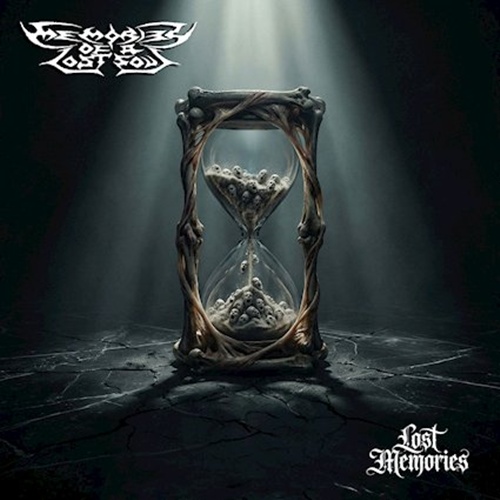
Thirty years of death metal, symphonic detours, existential shadows, and absolutely no desire to ask the purists for permission. Memories Of A Lost Soul have always followed their own path, even when that meant moving away from the coordinates of their early days. With “Lost Memories”, released by My Kingdom Music, Buzz reopens old chapters, revisits songs connected to the band’s history, and pairs the studio material with “The Darkest Live”, the group’s first official live album. We caught up with him to talk about identity, artistic choices, personal wounds, and a future in which prophecies and quantum physics could point the way to the next descent into the abyss.
Hi Buzz, thanks again for agreeing to do this new interview. After “Songs From The Restless Oblivion”, Memories Of A Lost Soul are back with “Lost Memories”, an album that continues to move between melodic death metal, black metal, gothic atmospheres, and more symphonic and progressive passages. What does this new chapter represent for you, and in what ways do you feel the band has changed compared to the previous album?
Look, after 30 years, we’ve come to the conclusion that we don’t give a damn about genres and subgenres. In reality, we simply make the music we like, without worrying too much about it. Some people have understood this, while others criticize our constant changes in style, hoping we’ll return to the ferocious Swedish death metal of our early days, from which we originated. To those people, I say: maybe that’ll happen when we run out of ideas.
When we spoke in 2025, you told me that “Songs From The Restless Oblivion” was conceptually connected to “The Clockwork” and that the album had marked a sort of revolution in your songwriting approach. Does “Lost Memories” stem from that same vision, or did you start with a completely different idea this time?
It definitely stems from the same vision, but its format is more that of a collection. In fact, it’s a celebratory album featuring some reworked songs from the past, other new ones, of course, and a large section devoted to a second live disc. So it’s a double CD (I’m telling you because this might not be clear from the digital version), a collection containing over an hour of music and live material.
The new album features songs that differ considerably in length and structure, from “Five Centimeters To Suicide” to the almost eight-minute “The Negative Man”, passing through shorter tracks such as “Living Hope” and “And The Walls Come Tumbling Down”. How did you decide on the structure of the individual songs, and how much do you let the song itself determine its own length?
Look, the first two you mentioned come from an old demo, and they’re songs I care about a lot because they’re autobiographical, if you know what I mean. They’re from the very first lineup and have been expanded with the addition of orchestrations, so the running time shoots up as a result, hahaha! Let’s just say we don’t look at how long something lasts: the logic is purely emotional.
“Five Centimeters To Suicide” and “Shrine Of The Useless Gods” are among the songs chosen to introduce the album, while titles such as “Fed By Suffering Again”, “Awakening Beyond The Veil”, and “The Rapture Of The End” once again suggest a very dark imagery. What themes actually run through the lyrics of “Lost Memories”?
The first two simply seemed to us to have more impact, besides being short and therefore suitable for a video. The album then continues with existential themes, family tragedies, and the conclusion that nothing good exists, between “Five Centimeters To Suicide” and “The Negative Man”, before moving towards a sort of hope this time around: “Living Hope”, indeed. Hope is a new theme for Memories. Let’s just say it’s thanks to Dysphoria: they’ve brought a little of it with them.
The album includes “Nekroantimateria 2K26”, a title that directly recalls your past and almost seems to bring a part of your history up to date. What does this song mean today, and why did you feel the need to revisit this particular element of your identity?
I think you’ve hit the nail on the head. My attempt and desire are, in a way, to rewrite the band’s history. In the past, I’ve trusted the wrong people to carry my project forward, and I’m talking about everyone from the first lineup up to today. This lineup finally satisfies me completely, and these are people I respect… The songs have always been mine, so why not? Let’s redo them.
In our previous interview, you explained that the songs generally originate with you, are developed at home, and are then taken to the rehearsal room to be put to the test with the band. Has this method remained unchanged for “Lost Memories”, or have the other musicians played a greater role this time in building the songs and arrangements?
No, the formula hasn’t changed, but we’re even quicker at applying it now. Let me explain. It takes us no time at all: I bring in the song, and people already know immediately what to do with it. It’s a great feeling. It means the “machine” is working well, it practically runs by itself, so to speak.
The new album also includes “Everybody Wants To Rule The World Again”, a title that inevitably brings to mind a very well-known song by Tears For Fears. Was this a deliberate reference? And what does this reinterpretation represent for you within the world of Memories Of A Lost Soul?
Nothing special, we’d never done a cover before, and I wanted to do one. This one seemed appropriate to me, partly because of the historical period we’re living through… If you know what I mean.
The special edition of “Lost Memories” also includes “The Darkest Live”, your first official live album, recorded at Mindhouse in Palermo. For a band with more than thirty years of history, what does it mean to finally capture the live dimension of Memories Of A Lost Soul on record?
Oh, look, it’s a wonderful thing that we’d never done before, and I didn’t think it would happen because not every club records you live. They even provided us with the tracks, and I was able to have some fun with them in the studio, obviously with a few mistakes, but anyway, it’s a live album. I think the important thing is the atmosphere you can feel. I really like it, our record label also liked it a lot and made us this proposal. We were thrilled.
After “Lost Memories” and after more than thirty years of history, what are the goals of Memories Of A Lost Soul today? Have you already started thinking about new songs, concerts, or a new direction for the band’s next chapter?
Look, I already have an idea of what the next album should be like. Maybe I’ve even written it already, but the band will have to absorb it over the course of the year. The themes will be prophecies, quantum physics, and the fate of the world. A big hello to Il Raglio Del Mulo!

