
ENGLISH VERSION BELOW: PLEASE, SCROLL DOWN!
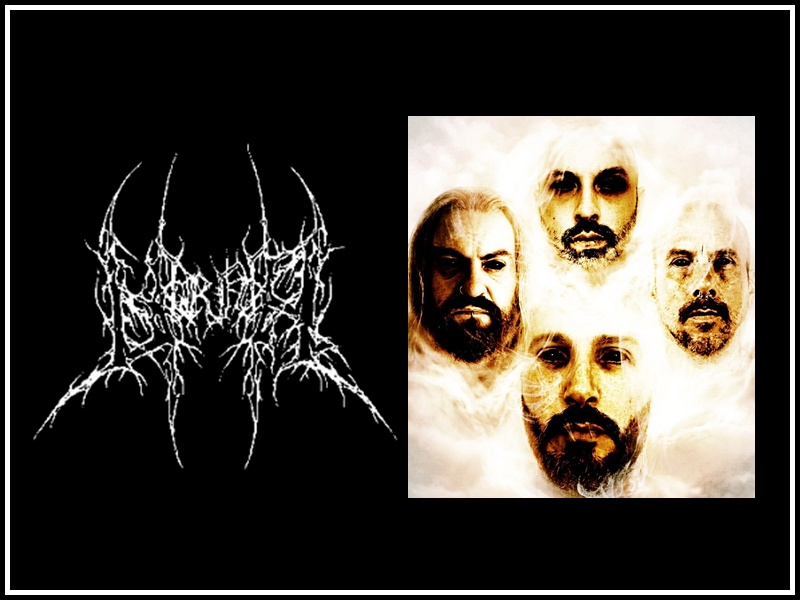
Ci sono dischi che arrivano quando i tempi sono maturi, non quando lo decide il calendario. “The Great Jihad” segna il ritorno degli Urna dopo tredici anni da “Mors Principium Est”, ma soprattutto il punto d’arrivo di una gestazione lunga, tormentata e stratificata, durante la quale le composizioni hanno attraversato epoche, distanze e trasformazioni personali. Tra le voragini del funeral doom, le abrasioni del black metal e una ricerca esoterica che guarda alla dualità tra creatore e creato, il nuovo album mette a nudo il lato più intimo del progetto. Abbiamo parlato con RM di rinascita, consapevolezza e lotta interiore, ma anche di come trasformare anni di materiale disperso in una visione artistica finalmente compiuta, pubblicata da ATMF.
Ciao RM, grazie per aver accettato questa intervista. Dopo tredici anni da “Mors Principium Est”, “The Great Jihad” rappresenta il vostro ritorno con un album nato da un percorso lunghissimo, iniziato con le prime demo già dopo il 2013. Come presentereste oggi questo nuovo capitolo e cosa significa per voi essere finalmente arrivati alla sua conclusione?
Ciao Giuseppe e grazie mille per questa opportunità. Con “The Great Jihad” continuiamo quel viaggio spirituale ed esoterico che c’è sempre stato nella nostra musica, ma stavolta ci siamo concentrati molto di più sui concetti di risveglio e trasformazione. Si trattava di tematiche già affrontate in passato ma che, a questo giro, abbiamo reso maggiormente accessibili dal punto di vista linguistico. Musicalmente, abbiamo ripreso in mano le nostre vecchie radici black metal, che avevamo un po’ accantonato dopo il primo disco di tantissimi anni fa, e le abbiamo mescolate con la pesantezza del funeral doom e con quelle melodie ampie che già ci caratterizzavano. Questo è sicuramente il nostro lavoro più personale e diretto. Potrei definire l’album come un disco di metal estremo, vista la mole di influenze e stili che lo caratterizzano, ma non necessariamente un disco funeral, black o post. Penso che quelle etichette ormai ci vadano strette già dal precedente capitolo, “Mors Principium Est”. Per noi significa la chiusura di un ciclo e probabilmente l’inizio di uno nuovo. Dopo tanti anni credo si sia arrivati ora a concretizzare una visione artistica e spirituale che ha avuto inizio oltre vent’anni fa. Una tappa importante che, con senno di poi, non è da prendere tanto per scontata in un mondo ormai troppo veloce.
Il titolo “The Great Jihad” è inevitabilmente forte e può essere interpretato in molti modi. Nel vostro universo, legato all’Ermetismo e alla tua ricerca spirituale, quale significato assume questo concetto e come si collega al tema della dualità che attraversa l’album?
A livello di testi, ci siamo ispirati all’Ermetismo, alla Cabala e ad altre tradizioni iniziatiche. Non volevamo però che fossero concetti astratti o filosofici, ma specchi di un’esperienza reale (come hai notato): quella spinta tutta umana a evolversi e a diventare qualcosa di più. Alla fine, questo non è un disco di dottrine o di dogmi. Parla semplicemente di quanto sia difficile, ma necessario, lavorare su se stessi per trasformarsi. Abbiamo solo voluto condividere un’esperienza intima, senza nasconderla dietro troppi segreti. Il titolo, “The Great Jihad”, significa proprio questo. Non parliamo di guerre esterne, ma della lotta interiore per superare i propri limiti, le illusioni e le frammentazioni, cercando di capire chi siamo davvero. È il viaggio che va dalla separazione all’unità, dal finito all’infinito, dall’umano al divino. Quella è la dualità affrontata in questo disco.
Per la prima volta, fatta eccezione per il debutto “Justa Funebria”, avete scelto di abbandonare il latino per utilizzare esclusivamente l’inglese. Cosa vi ha spinto verso questa scelta e quanto ha modificato il modo in cui avete espresso i contenuti spirituali ed esoterici dell’album?
In passato usavamo il latino, una lingua morta, mentre stavolta abbiamo scelto l’inglese per aprirci di più verso chi ascolta e raccontare cosa si prova ad attraversare certe soglie, a guardare in faccia la morte e a rinascere cambiati. Il latino è una forma espressiva che ci ha accompagnato per un decennio ed è stata una scelta naturale a suo tempo. Alla luce, però, di una rinascita interiore veritiera, ho avuto voglia di condividere e dar voce al mio pensiero in maniera meno ermetica e misteriosa. Chi comprerà il disco troverà i testi al suo interno e, spero, avrà la voglia di approfondire certi argomenti in maniera più integrale. Anche quello era un aspetto ad oggi relegato alla semplice lettura dei titoli dei brani, dato che i testi degli Urna non sono mai stati condivisi prima.
“The Great Jihad” nasce da materiale composto in periodi molto diversi, con registrazioni realizzate tra il 2014 e il 2025 e in luoghi differenti tra Italia e Regno Unito. Come avete lavorato su materiale così stratificato nel tempo, e quanto è cambiato il significato di queste composizioni mentre gli anni passavano?
Sia io che MZ abbiamo militato negli Aphonic Threnody per un periodo. Quella è stata un’esperienza che ci ha dato l’opportunità di capire più a fondo come lavorare a distanza con altri artisti di talento. A grandi linee, abbiamo utilizzato lo stesso metodo per questo disco degli Urna, un metodo che semplicemente consiste nel trovare talento e dar spazio all’estro artistico delle persone coinvolte: indicazioni superficiali sulla direzione intrapresa musicalmente; totale fiducia nelle capacità dell’individuo; registrazioni a distanza in maniera professionale. Chiaramente, ad ogni strato che viene aggiunto allo scheletro delle chitarre, tutto prende colore e si accende di toni nuovi, laddove l’interpretazione dell’artista che registra differisce da quella del precedente musicista. Questo rende il prodotto finale quasi improvvisato, vista la totale assenza di una direzione precisa e la mancanza di un allineamento tra i musicisti coinvolti. Il prodotto finito è un lavoro a quattro mani. Il tempo e il numero di anni sono stati molto relativi in questo contesto, nonostante abbiano forse contribuito alla maturità artistica dei musicisti coinvolti.
Musicalmente il nuovo album conserva il legame con il funeral doom che caratterizza gli Urna, ma porta le sezioni più veloci verso territori black metal più abrasivi, lasciando emergere anche melodie molto ampie e siderali. Quali aspetti del vostro linguaggio musicale sentivate maggiormente il bisogno di spingere oltre questa volta?
Nel momento in cui abbiamo registrato “Mors Principium Est” avevamo l’idea di voler virare verso lidi maggiormente vicini alla matrice black metal del progetto. Un ritorno al passato, se vogliamo. L’arrivo di un batterista in carne ed ossa ci ha dato la spinta necessaria per l’approccio dinamico che stavamo cercando.
La nuova formazione introduce Sibilans alla batteria e T al basso, accanto a MZ e te. Come è stato lavorare con loro su un album che aveva già una storia così lunga alle spalle, e in che modo il loro contributo ha influenzato il risultato finale?
Come dicevo poc’anzi, avevamo piena fiducia nel talento di Sibilans e T, artisti che avevo poi prodotto personalmente sotto Third I Rex. Il loro contributo ha reso gli Urna un progetto musicalmente meno spigoloso e più organico. Certe scelte apportate da loro erano totalmente differenti da come avevamo i brani nella nostra testa. Questo è stato quasi un aspetto liberatorio che ha contribuito alla nostra apertura verso il pubblico, sia musicalmente sia concettualmente.
La struttura di “The Great Jihad” divide l’album in due sezioni, “Creator” e “Created”, con “First Of Three”, “Second Of Three” e “Third Of Three” da una parte e i tre brani conclusivi dall’altra. È una struttura che sembra avere un significato preciso: perché avete scelto di costruire il disco in questo modo e come dovrebbe essere affrontato dall’ascoltatore?
Il disco non racconta una storia lineare, ma procede per visioni e passaggi: si parte dal risveglio della coscienza con i primi tre pezzi, si passa per la creazione nella title track, fino ad arrivare alla morte, alla rinascita e all’ascesa spirituale. Concetti mistici come Nephesh, Azoth o Gilgul non sono messi lì per fare sfoggio di cultura, ma sono vere e proprie tappe di questo percorso. In quel percorso abbiamo ancora una volta fatto riferimento alla dualità uomo/dio, creato/creatore. In questo senso l’uomo si eleva al divino, da creato diventa creatore.
Durante una gestazione durata oltre un decennio ci sono stati una lunga pausa, la ripresa delle registrazioni e poi una nuova interruzione dovuta alla pandemia. C’è stato un momento in cui avete pensato che “The Great Jihad” non sarebbe mai stato completato? E oggi, guardando indietro, cosa vi ha spinto a non abbandonare definitivamente il progetto?
Ci sono stati molti momenti di dubbio, ma una fortissima volontà, da parte mia prima e di MZ poi, di dar vita a tutto il duro lavoro. Siamo entrambi testardi e lontani, con gli Urna, da ciò che il mercato richiede. La maturità raggiunta dopo così tanti anni di lavoro e pause volute e forzate non sarebbe arrivata altrimenti.
Ora che “The Great Jihad” è finalmente pronto per essere pubblicato, quali sono i prossimi passi per gli Urna? Avete intenzione di portare questo materiale dal vivo, state già pensando a nuove composizioni oppure considerate questo album la conclusione di un ciclo che richiede ancora tempo prima di aprire un nuovo capitolo?
Esiste una demo di un brano nuovo scritto da un altro artista, ma niente di definitivo o completo. Per ora ci stiamo concentrando su Locus Mortis con tre quarti della formazione degli Urna. Nessun live, ma neanche nessuna fretta di scrivere. Come in quest’ultima occasione, ci prenderemo tutto il tempo necessario per promuovere questo disco e poi, eventualmente, strutturare nuova musica.
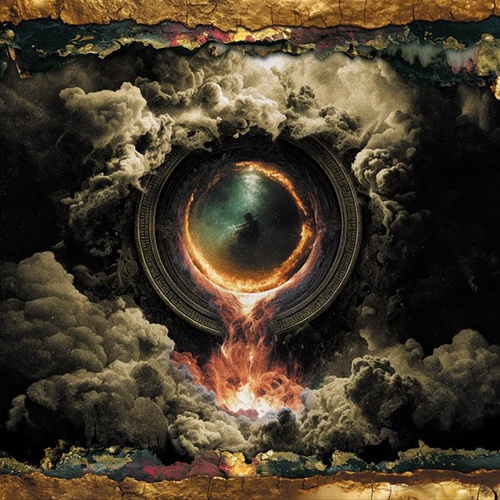
Some albums arrive when the time is right, not when the calendar says they should. “The Great Jihad” marks Urna‘s return thirteen years after “Mors Principium Est”, but above all, it represents the culmination of a long, troubled and layered gestation, during which the compositions have spanned different eras, distances and personal transformations. Between the abyssal depths of funeral doom, the abrasiveness of black metal and an esoteric quest exploring the duality between creator and created, the new album lays bare the project’s most intimate side. We spoke with RM about rebirth, awareness and inner struggle, as well as the challenge of turning years of scattered material into a fully realised artistic vision, released by ATMF.
Hello, and thank you for accepting this interview. Thirteen years after “Mors Principium Est”, “The Great Jihad” marks your return with an album born out of an incredibly long journey, which began with the first demos as early as 2013. How would you introduce this new chapter today, and what does it mean to you to have finally brought it to completion?
Hi Giuseppe, and thanks so much for this opportunity. With “The Great Jihad”, we continue the spiritual and esoteric journey that has always been part of our music, but this time we have focused much more on the concepts of awakening and transformation. These were themes we had already explored in the past, but this time around we have made them more accessible from a linguistic standpoint. Musically, we have revisited our old black metal roots, which we had somewhat set aside after our first album many years ago, and blended them with the heaviness of funeral doom and the expansive melodies that already characterised our sound. This is definitely our most personal and direct work. I could describe the album as an extreme metal record, given the wealth of influences and styles that shape it, but not necessarily as a funeral, black or post-metal record. I think those labels were already too restrictive for us by the time of our previous chapter, “Mors Principium Est”. For us, this means the end of one cycle and probably the beginning of a new one. After so many years, I believe we have finally managed to bring to life an artistic and spiritual vision that began more than twenty years ago. It is an important milestone which, in hindsight, should not be taken for granted in a world that has become far too fast-paced.
The title “The Great Jihad” is inevitably striking and can be interpreted in many ways. Within your universe, rooted in Hermeticism and your spiritual quest, what does this concept mean to you, and how does it connect with the theme of duality running throughout the album?
On a lyrical level, we drew inspiration from Hermeticism, the Kabbalah and other initiatory traditions. However, we did not want these to be abstract or philosophical concepts, but rather reflections of a real experience (as you pointed out): that deeply human drive to evolve and become something more. Ultimately, this is not an album about doctrines or dogmas. It simply deals with how difficult, yet necessary, it is to work on oneself in order to transform. We just wanted to share an intimate experience without hiding it behind too many secrets. The title, “The Great Jihad”, means precisely that. We are not talking about external wars, but about the inner struggle to overcome our own limitations, illusions and fragmentation, in an attempt to understand who we really are. It is the journey from separation to unity, from the finite to the infinite, from the human to the divine. That is the duality explored on this album.
For the first time, apart from your debut “Justa Funebria”, you have chosen to abandon Latin and use English exclusively. What prompted this decision, and how has it changed the way you express the album’s spiritual and esoteric themes?
In the past, we used Latin, a dead language, whereas this time we chose English to reach out more to our listeners and describe what it feels like to cross certain thresholds, to look death in the face and be reborn changed. Latin was a form of expression that accompanied us for a decade, and it was a natural choice at the time. However, in light of a genuine inner rebirth, I felt the urge to share and give voice to my thoughts in a less cryptic and mysterious way. Anyone who buys the album will find the lyrics inside and, I hope, will be willing to explore certain subjects more fully. This was also something that, until now, had been limited to simply reading the song titles, since Urna’s lyrics had never been shared before.
“The Great Jihad” draws on material written during very different periods, with recordings made between 2014 and 2025 in various locations across Italy and the United Kingdom. How did you work with material accumulated over such a long period, and how did the meaning of these compositions change as the years went by?
MZ and I were both members of Aphonic Threnody for a while. That experience gave us the opportunity to gain a deeper understanding of how to work remotely with other talented artists. Broadly speaking, we used the same approach for this Urna album, a method that simply involves finding talent and giving the people involved room for their artistic creativity: general guidelines regarding the musical direction; complete trust in each individual’s abilities; and professional remote recording. Naturally, with every new layer added to the skeleton of the guitars, everything takes on colour and lights up with new shades, as the interpretation of the recording artist differs from that of the musician who came before. This makes the final product almost improvised, given the complete absence of a precise direction and the lack of alignment between the musicians involved. The finished product is a collaborative effort between two people. Time and the number of years involved were largely irrelevant in this context, although they may have contributed to the artistic maturity of the musicians involved.
Musically, the new album retains its connection to the funeral doom that characterises Urna, while pushing the faster sections towards more abrasive black metal territory and allowing expansive, otherworldly melodies to emerge. Which aspects of your musical language did you feel the greatest need to push further this time around?
When we recorded “Mors Principium Est”, we had the idea of moving towards territory closer to the project’s black metal roots. A return to the past, if you will. The arrival of a live drummer gave us the necessary impetus to achieve the dynamic approach we were looking for.
The new line-up features Sibilans on drums and T on bass, alongside MZ and you. What was it like working with them on an album that already had such a long history behind it, and how did their contributions influence the final result?
As I mentioned earlier, we had complete faith in the talent of Sibilans and T, artists whose work I had personally produced under Third I Rex. Their contribution made Urna a less angular and more organic musical project. Some of the choices they made were completely different from how we had imagined the songs in our heads. This was almost liberating and helped us open up to our audience, both musically and conceptually.
The structure of “The Great Jihad” divides the album into two sections, “Creator” and “Created”, with “First Of Three”, “Second Of Three” and “Third Of Three” on one side and the final three tracks on the other. This structure seems to carry a specific meaning: why did you choose to build the album this way, and how should listeners approach it?
The album does not tell a linear story, but unfolds through visions and stages: it begins with the awakening of consciousness in the first three tracks, moves on to creation in the title track, and eventually reaches death, rebirth and spiritual ascension. Mystical concepts such as Nephesh, Azoth or Gilgul are not there to show off our knowledge, but are actual stages in this journey. Once again, we have referred to the duality between man and God, the created and the creator. In this sense, man rises towards the divine, becoming a creator instead of remaining merely created.
During a gestation period lasting more than a decade, there was a lengthy hiatus, the resumption of recording sessions and then another interruption caused by the pandemic. Was there ever a point when you thought “The Great Jihad” would never be completed? Looking back today, what kept you from abandoning the project for good?
There were many moments of doubt, but also a very strong determination, first on my part and then on MZ’s, to bring all that hard work to life. We are both stubborn and, with Urna, far removed from what the market demands. The maturity we have reached would not have been possible without so many years of work and both voluntary and forced breaks.
Now that “The Great Jihad” is finally ready for release, what are the next steps for Urna? Do you intend to perform this material live, are you already thinking about new compositions, or do you consider this album the conclusion of a cycle that still needs time before a new chapter can begin?
There is a demo of a new song written by another artist, but nothing definitive or complete. For now, we are focusing on Locus Mortis, featuring three-quarters of Urna’s line-up. No live shows, but we are in no rush to write new material either. As with this latest release, we will take all the time we need to promote this album and then, if the time comes, work on structuring new music.

