
ENGLISH VERSION BELOW: PLEASE, SCROLL DOWN!
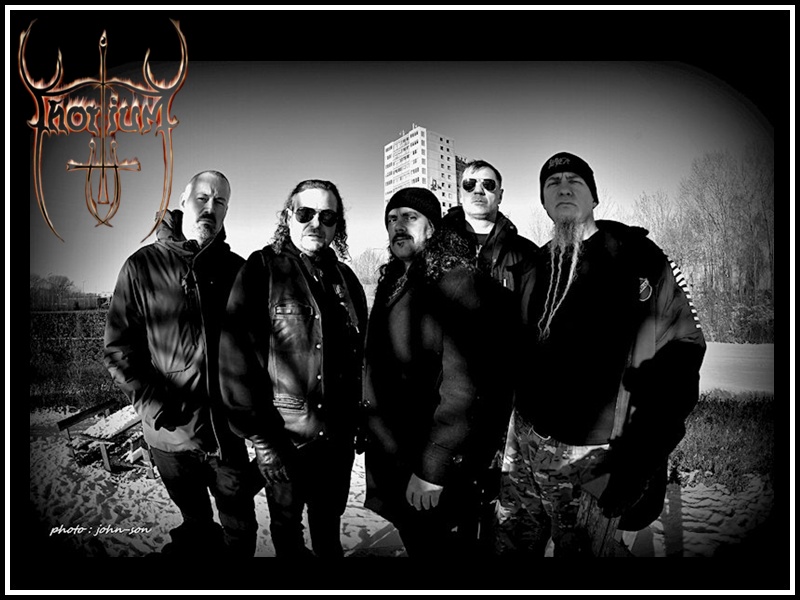
A trent’anni dalla nascita della band, i Thorium tornano con “Suburban Rot”, nuovo album uscito il 6 giugno 2026. Il disco, pubblicato da Emanzipation Productions, rappresenta una delle opere più personali e oscure mai realizzate dal gruppo danese, consolidando ulteriormente il loro percorso all’interno della scena death metal scandinava. Per approfondire la genesi dell’album, il processo creativo e il presente della band, abbiamo parlato con JP Storm, chitarrista, compositore e produttore del disco.
Prima di tutto, JP, grazie per il tempo che ci hai dedicato e complimenti per “Suburban Rot”, in uscita il 6 giugno 2026, un disco che segna 30 anni di percorso intransigente dei Thorium nell’underground scandinavo e che avete definito il vostro lavoro più oscuro e personale di sempre: come avete affrontato questo nuovo capitolo entrando nella fase di scrittura dopo una storia così lunga e intensa?
I brani di “Suburban Rot” sono stati divisi in modo che io e Jose ne abbiamo scritti metà ciascuno. In realtà, due delle canzoni che porto sul disco sono state scritte insieme a Kræn e Nikolaj quando abbiamo rimesso in piedi i Thorium. Nei Thorium abbiamo totale libertà creativa e quando lavoriamo a un nuovo album non perdiamo tempo a preoccuparci che debba esserci un filo conduttore comune o una precisa direzione estetica. L’obiettivo è non scrivere mai la stessa canzone due volte e cercare di creare un album con quanta più varietà possibile. Quando scrivo materiale per un nuovo disco cerco di non pensare troppo, perché l’idea principale deve arrivare da sola e tutto ruota attorno all’espressione del singolo brano. Io e Jose abbiamo stili e approcci compositivi molto diversi, ma allo stesso tempo ci ispiriamo a vicenda, e alla fine abbiamo ottenuto un album molto coeso di cui siamo tutti estremamente orgogliosi.
Il concetto di “Suburban Rot” sembra profondamente radicato nel degrado e nella fragilità degli ambienti suburbani, in particolare di luoghi come Brøndby Strand Station, che avete citato nelle vostre dichiarazioni: come si sono trasformate queste osservazioni del mondo reale nel nucleo narrativo ed emotivo dei testi?
In generale si può dire che sia abbastanza universale per il genere coltivare un’estetica fatta di espressioni grottesche e brutali. Credo che MHA abbia trovato ispirazione proprio lì per quella parte dell’universo lirico collegata al titolo dell’album e che abbia percepito una forte connessione tra i testi e l’espressione musicale. Il mio processo per trovare il tono di base di un album è in realtà molto diretto e intuitivo, ma sicuramente contiene un forte riferimento evocativo a molte delle persone incredibilmente talentuose e creative che puoi incontrare nella scena metal e che in molti casi sono cresciute in questi ambienti. In quei luoghi c’è bellezza e c’è qualcosa di tremendamente stimolante nell’autenticità che li caratterizza.
“Suburban Rot” è stato prodotto da te e successivamente plasmato da Tue Madsen agli Antfarm Studio, in che modo la dinamica tra la visione produttiva interna e il perfezionamento sonoro esterno ha influenzato il sound finale del disco?
Questa è in realtà la prima volta che lavoro con Tue, anche se ci conosciamo dai tempi in cui eravamo compagni di etichetta alla Die Hard Records e suonavamo concerti con Grope e Dominus. È stato fantastico lavorare con lui. Il mio approccio alla registrazione è molto analogico e distruttivo. Registro con amplificatori reali che miscelo già in fase di ripresa. Mi piace non rimandare le decisioni, così da non ritrovarmi con un caos di possibilità tra cui scegliere. Quando lavori in questo modo, la direzione è già tracciata e l’intenzione musicale è impressa nelle tracce. Con Tue dietro il banco puoi tranquillamente affidarti a lui perché riesca a trasmettere quell’espressione. Tue è un’icona nel suo campo e tutto ciò che ho ascoltato di suo, oltre a suonare alla grande, mette in mostra il suo enorme talento musicale e artistico. Di fatto la collaborazione è consistita nel consegnargli il materiale e lasciargli la libertà di tirarne fuori il meglio possibile.
L’album riunisce background differenti all’interno della band, dalle radici del death metal scandinavo fino a elementi più cupi, groove e melodici: quanto è stato consapevole il lavoro di equilibrio tra estremismo sonoro, atmosfera e dettagli senza perdere l’identità originale della band?
Come dicevo prima, il mio modo di scrivere canzoni è molto intuitivo e consiste nell’esprimere e liberare un’idea che nasce spontaneamente. L’idea può essere, per esempio, come nel brano “MG42”, quella di far percepire all’ascoltatore il panico e l’orrore generati da quella mitragliatrice, a causa della sua impressionante cadenza di fuoco e del pensiero di essere letteralmente segati a metà. Abbiamo questa formazione da molto tempo, abbiamo suonato tantissimi concerti e moltissimo materiale tratto dal catalogo storico dei Thorium, quindi il DNA della band ormai scorre nel nostro sangue. E con MHA al fronte non può suonare come nient’altro se non Thorium. In realtà MHA ha un approccio molto particolare al modo di fare le cose nella band e credo che col tempo questo atteggiamento sia stato trasmesso anche a tutti noi. È una questione di mentalità e penso che abbia avuto un ruolo importante nel rendere questo un vero album dei Thorium.
Dal punto di vista lirico, l’album affronta temi come il degrado, la dipendenza e il collasso sociale negli spazi suburbani: come fate a evitare che argomenti così pesanti potessero risultare astratti, mantenendoli invece concreti e diretti dal punto di vista emotivo?
In realtà è MHA la persona più adatta a rispondere a questa domanda. Credo che si tratti innanzitutto di affrontare questi temi con dignità e rispetto. MHA parla spesso della bellezza che esiste nel degrado e che lo ispira. E proprio attraverso l’astrazione puoi tracciare paralleli con il decadimento che esiste ovunque ci siano esseri umani. All’interno del processo di decomposizione esistono anche le fasi della trasformazione, che innescano una reazione a catena di creatività incontrollabile prima che il decadimento raggiunga il suo stadio terminale. Se osservi tutto questo come una progressione anziché come una semplice caduta verso il basso, che in realtà è ciò che accade, puoi trovare molta bellezza nelle vite che insistono a essere vissute nonostante quelle condizioni. Se allarghi ulteriormente la prospettiva, credo che sia esattamente ciò che sta accadendo all’intera razza umana nel suo cammino verso l’autoestinzione.
Questa formazione viene descritta come la line-up più longeva e stabile della storia dei Thorium, la stessa che ha realizzato anche “Danmark” nel 2022: in che modo questa continuità ha cambiato il vostro modo di scrivere e comunicare rispetto ai periodi più instabili del passato?
Penso si possa dire che nei Thorium non manchino certo gli ego importanti, ma durante la scrittura di “Suburban Rot” sembra che abbiamo definitivamente seppellito l’ascia di guerra. Ognuno è a proprio agio nel ruolo che ricopre e tutti abbiamo ricevuto totale libertà di fare ciò che sappiamo fare meglio. Questo ha reso tutto molto più semplice. Certo, dal punto di vista creativo non sempre la facilità è necessariamente un vantaggio, ma allo stesso tempo complicare le cose inutilmente non aiuta di certo.
Negli ultimi anni avete suonato in festival come Aalborg Metalfest, Metal Magic Festival, Raise Your Horns Festival, Death Coast Festival e Næstved Metalfest: quanto queste esperienze dal vivo influenzano l’aggressività e l’energia catturate in studio su un album come “Suburban Rot”?
Significano praticamente tutto. È sul palco che entri in contatto con il pubblico, quindi siamo perfettamente consapevoli che lo scopo principale di ciò che scriviamo in studio è essere efficace dal vivo. Quando proviamo nuovi pezzi in scaletta utilizziamo anche il feedback che riceviamo dalla gente. I brani che non riescono a creare un rapporto e un’interazione con il pubblico vengono eliminati dalla setlist e questo ovviamente influenza anche il songwriting. Non bisogna però pensare che dietro ci sia una logica commerciale. Al contrario, nasce dal fatto che quando salgo sul palco il mio obiettivo principale è offrire un’esperienza al pubblico. Io provo soddisfazione solo quando sento che si sta creando una vera connessione con le persone davanti a me.
Tornando al processo di registrazione, ci sono stati momenti inaspettati o svolte particolari in studio in cui una canzone o un’idea ha cambiato direzione, rivelando qualcosa di nuovo sull’identità dell’album?
Posso parlare soltanto del mio processo creativo. Ma sì, succede continuamente. Una parte enorme del mio modo di comporre è intuitiva, quindi è un po’ come dipingere un quadro: soltanto quando ti allontani dalla tela per osservare il risultato capisci davvero come è andata a finire. Ad esempio, “Abra Macabre” è nata da un tema melodico che mi è venuto guardando la televisione mentre strimpellavo la chitarra. All’inizio pensavo che sarebbe diventata una canzone simile a “Dreaming In Red” dei Dismember, ma quando ho iniziato a programmare alcune parti di batteria e a sviluppare ulteriormente i riff, il brano ha finito per assumere un carattere che descriverei come qualcosa di molto vicino ai Carcass dell’era “Heartwork”.
Dopo 30 anni di attività e con quello che definite forse il vostro lavoro più intransigente di sempre, dove vedi i Thorium dirigersi in futuro dal punto di vista artistico e cosa vi spinge ancora ad andare avanti a questo punto della vostra carriera?
Come dicevamo prima, per un artista tutto ruota attorno alla ricerca di uno spazio in cui sentirsi libero di esprimersi e sviluppare i talenti che gli sono stati concessi. Naturalmente sei sempre consapevole del contesto in cui scrivi una canzone, quindi quando compongo per i Thorium realizzo sempre la mia interpretazione di un brano dei Thorium. MHA però quasi sempre ride quando gli presento un nuovo pezzo e dice: “Sì, sì, ecco un’altra tipica canzone di JP”. Io lo considero un complimento e la conferma di essere riuscito a mettere una parte della mia personalità nella musica. Credo che la prossima cosa che sentirete dai Thorium sarà ancora un vero album dei Thorium, ma se conoscete la storia della band potreste riconoscere alcune caratteristiche musicali tipiche dei vari membri. Questo è sicuramente il mio obiettivo.
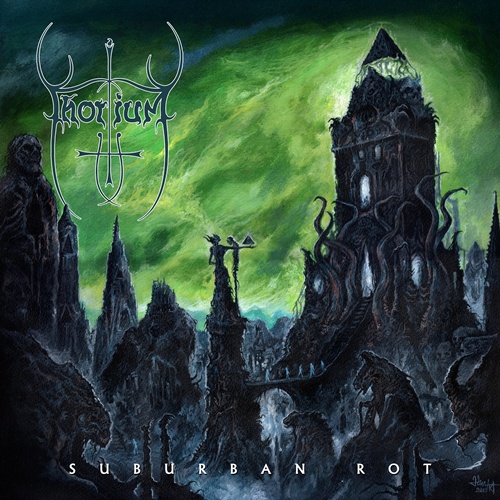
Thirty years into their journey through the Scandinavian underground, Thorium return with “Suburban Rot”, their latest full-length release through Emanzipation Productions. Described by the band as their darkest and most personal work to date, the album further expands the group’s uncompromising blend of death metal while exploring themes of decay, transformation and human fragility. To discuss the making of the record, the band’s creative process and the road that still lies ahead, we spoke with guitarist, songwriter and producer JP Storm.
First of all, JP, thanks for taking the time to speak with Il Raglio Del Mulo, and congratulations on “Suburban Rot”, out on 6 June 2026, a record that marks 30 years of Thorium’s uncompromising path through the Scandinavian underground, and that you describe as your darkest and most personal statement so far: how did you approach this new chapter when stepping into the writing process after such a long and intense history?
The songs on “Suburban Rot” are divided so that Jose and I have written half each. In fact, two of the songs I have on the album were written together with Kræn and Nikolaj back when we started Thorium up again. In Thorium we have total freedom in the creative process and when we write material for a new album we never spend time worrying about there having to be a common thread throughout the album or identifying a specific aesthetic direction. The goal is not to write the same song twice and try to create an album with as much variety as possible. When I write songs for a new album, I try not to think too much, because the main idea should just come by itself and it’s only about the expression of the individual song. Jose and I have very different playing styles and approaches to writing songs, but we also inspire each other, so we’ve ended up with a very cohesive album that we’re all very proud of.
The concept of “Suburban Rot” seems deeply rooted in the decay and fragility of suburban environments, especially around places like Brøndby Strand Station, as mentioned in your statements: how did those real-world observations translate into the narrative and emotional core of the album’s lyrics?
In general, you can say that it is quite universal for the genre that the aesthetics cultivate the grotesque and the brutal expression, in which I also believe that MHA has found inspiration for the part of the text universe that relates to the album’s title and that he has felt a close connection between the text universe and the musical expression. My process of finding the album’s basic tone is actually very straightforward and intuitive, but certainly with a very strong suggestive reference to many of the very talented and creative people you might have met in the metal scene and who in many cases were raised in these environments. There is beauty and something incredibly inspiring in the authenticity that is found there.
With “Suburban Rot” being produced by you and shaped further by Tue Madsen at Antfarm Studio, how did the dynamic between internal production vision and external sonic refinement influence the final sound of the record?
This is actually the first time I’ve worked with Tue, although we know each other from when we were labelmates on Die Hard Records and played gigs with Grope and Dominus. It’s been super cool working with Tue. My approach to recording is very analog and destructive. I record with real amplifiers that I mix on the way in. I like not to postpone decisions so that you don’t end up with a mess of too many choices. When it’s done that way, the direction is kind of set out for what my musical intention was – it’s in the tracks – and with Tue behind the desk you can safely leave it to him to convey that expression. Tue is an icon in his field and everything I’ve listened to that he’s made, in addition to it sounding really good, also showcases his great musical and artistic talent. So the collaboration has really just consisted of him receiving the material and having the freedom to make the best out of it.
The album brings together different backgrounds within the band, from Scandinavian death metal roots to darker groove and melodic elements: how conscious was the effort to balance raw extremity with atmosphere and detail without losing the band’s original identity?
As we talked about before, my way of writing songs is very intuitive and is about expressing and releasing a spontaneously arising idea. The spontaneous idea can be, for example, like in the song “MG42”, to let the listener feel the panic and horror that the machine gun produces due to its extreme firing rate and the thought of being sawed in half. We have had this line-up for a long time and we have played many concerts and a lot of Thorium’s back catalogue, so Thorium DNA is gradually in our blood. And with MHA in the front, it can’t sound like anything else but Thorium. In fact, MHA has a very special approach to how he does things in Thorium which I think has also passed on to the rest of us over time. It’s an attitude thing, and I think that also has a lot to do with it becoming a true Thorium album.
Lyrically, the album deals with themes of decay, addiction, and social collapse in suburban spaces: how do you avoid turning such heavy subject matter into abstraction, instead keeping it grounded and emotionally direct for the listener?
It is actually MHA who can best answer that question. I think that, of course, it is about treating the subject with dignity and respect, but MHA talks about the beauty that exists in the decay that inspires him. And precisely by using abstraction, you can draw parallels to the decay that is everywhere where there are people. Within the process of decay lie also the stages of transformation, unfolding a chain reaction of uncontrollable creativity before the decay reaches its terminal stage. When you view this as a progression instead of the direct downfall which it in reality is, there is a lot of beauty to be found in the lives that insist on being lived under those given premises. I guess if you zoom out, this is also what is unfolding when you observe the entire human race on our journey towards self-extinction.
This lineup is described as the longest-standing stable formation in Thorium’s history, also responsible for the 2022 album “Danmark”: how has that continuity changed the way you write and communicate as a band compared to earlier periods of instability or change?
I think you could say that we at Thorium have no shortage of big egos, but it seems that in the process of writing “Suburban Rot” we have once and for all buried all the hatchets and that everyone is comfortable in their roles and that we have each been given total freedom to do what we do best. It has made things a lot easier, although you could say that in relation to creativity it is not always a positive thing if something becomes too easy, but it is certainly not an advantage to overcomplicate things either.
In recent years you have performed at festivals such as Aalborg Metalfest, Metal Magic Festival, Raise Your Horns Festival, Death Coast Festival and Næstved Metalfest: how do these live experiences feed back into the aggression and energy captured on a studio record like “Suburban Rot”?
It means almost everything. It is on stage that you have contact with your audience, so we are aware that the primary purpose of what we write in the studio is to be relevant in a live situation. When we try out new songs in the setlist, we also use the feedback we get from the audience. Songs that do not create a relationship and interaction with the audience are dropped from the setlist again and this, of course, affects the songwriting. But you must not think that there is commercial thinking behind this; on the contrary, it stems more from the fact that when I stand on stage it is first and foremost to give an experience to the audience. I only get my kick if I can feel that a connection is being created with the audience.
Looking back at the recording process, were there any unexpected moments or turning points in the studio where a song or idea shifted direction and revealed something new about the album’s identity?
I can only speak for my own writing process. But yes, it happens all the time. A big part of my creative process is very intuitive, so it’s like painting a picture. It’s only when you step away from the canvas to see if the painting is finished that you know how it ended. For example, the song “Abra Macabre” started out with the melodic theme while watching flow TV as I was noodling on my guitar. At first, I thought it was going to be a song like Dismember’s “Dreaming In Red”, but when I started arranging some drums and working a little further with the riffs, the song ended up having an expression that I would describe more as something Carcass-like from the “Heartwork” era.
After 30 years of activity and now delivering what you call possibly your most uncompromising statement, where do you see Thorium heading next in terms of artistic direction, and what still drives you to push forward at this stage of your career?
As we talked about before, as an artist it’s about finding a space where you feel free to express yourself and develop the talents you’ve been given. Of course, you’re always aware of the context in which you write a song, so with Thorium I always write my take on a Thorium song. But MHA almost always laughs when I present a new song and says, “Yes, yes, here goes another typical JP song.” I take this as a compliment and as proof that I have succeeded in putting some personality into the song. I think you should expect that the next thing you hear from Thorium will be a real Thorium album, but if you know the band’s history you might be able to recognize some of the band members’ musical characteristics. That’s definitely my goal.
scrivi breve introduz

