
ENGLISH VERSION BELOW: PLEASE, SCROLL DOWN!
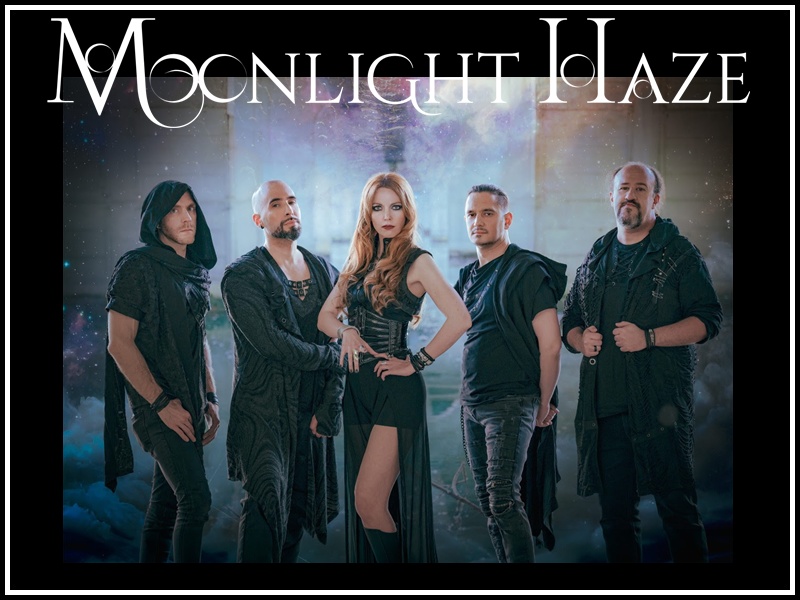
Ad appena dodici mesi dal precedente capitolo discografico, i Moonlight Haze tornano a esplorare nuove galassie sonore con “Interstellar Madness”, EP pubblicato da Scarlet Records che spinge ancora più in là la fusione tra symphonic power metal, immaginario cosmico e introspezione. Abbiamo incontrato Chiara Tricarico, voce della band, per addentrarci nei retroscena di un lavoro nato d’istinto, ma capace di evocare mondi vasti e suggestivi come una vera opera fantascientifica in musica.
Benvenuta Chiara, i Moonlight Haze tornano con “Interstellar Madness”, un lavoro che sembra espandere ulteriormente il vostro universo tra space opera, potenza sinfonica e visioni interiori sempre più profonde; ma entrando subito nella sostanza, cosa ha acceso per primo la scintilla creativa di questo EP e perché proprio ora avete sentito l’urgenza di raccontare questa “follia interstellare”?
Grazie mille per l’invito! Hai detto proprio bene: abbiamo sentito l’urgenza di far sentire a tutti il risultato dei nostri viaggi mentali! Mi spiego: io e Giulio abbiamo bene o male sempre idee per nuovo materiale e passiamo tante ore a scambiarci spunti, soprattutto a tarda notte, ma subito dopo aver registrato le demo di queste sei canzoni di “Interstellar Madness”, scritte tutte abbastanza di getto una dopo l’altra, le abbiamo subito percepite come un tutt’uno e ci piacevano così tanto da aver deciso di far uscire il nuovo lavoro ad appena un anno esatto dal nostro precedente album.
In “Interstellar Madness” la sensazione è quella di un viaggio che non procede in linea retta ma per orbite emotive: quanto avete lavorato sull’idea di dinamica narrativa tra i brani, piuttosto che sulla singola canzone come episodio isolato?
Ma guarda, per quanto riguarda la title track, il testo mi è uscito piuttosto di getto, anche se poi l’ho voluto far sedimentare un po’ e rileggerlo a mente fredda, ma la sostanza non è cambiata molto quando l’ho ripreso in mano. Appena Giulio mi ha mandato la demo del pezzo sono letteralmente impazzita e mi sono vista tutta la storia nella testa, come se fosse un film. Anche le parti in italiano e in latino mi sono venute molto naturali: la prima, con tutto il coro quasi operistico, non me la sarei mai immaginata in nessun’altra lingua e anche la seconda, con quell’incedere quasi da formula magica, mi è risuonata subito nella testa in latino. E anche tutti gli altri brani ci sono sembrati fin da subito in qualche modo connessi, anche se non si tratta di un vero e proprio concept: ci sono temi ricorrenti come l’esplorazione e i paesaggi cosmici che li uniscono tutti in modo molto naturale.
Se si ascoltano attentamente le strutture del disco, si percepisce una scrittura più stratificata rispetto al passato: c’è stato un momento preciso in studio o in pre-produzione in cui avete capito che l’EP avrebbe preso questa direzione più teatrale e cinematografica?
Come ti dicevo, è avvenuto tutto molto di getto e in modo naturale, quindi in realtà crediamo semplicemente che “Interstellar Madness” rappresenti una fotografia molto realistica della band nel momento attuale.
Brani come “Moonlight Legion” sembrano evocare un immaginario quasi “da battaglia cosmica”, mentre altri episodi puntano su introspezione e sospensione: come si bilancia la dimensione epica con quella emotiva senza far prevalere una sull’altra?
Secondo me è tutto piuttosto connesso: noi come band ci vediamo come una sorta di astronauti in un viaggio intergalattico nei meandri dell’interiorità e tutto quello che leggi nei testi è come una descrizione dei panorami interiori che vediamo dai finestrini della nostra navicella spaziale.
La tua voce emerge spesso come guida narrativa più che semplice elemento melodico: quanto è stato importante costruire le linee vocali come se fossero parte di una sceneggiatura e non solo di un arrangiamento?
Come accennavo prima, è come se quello che canto fosse una traduzione di immagini che mi si presentano nella testa, conseguenza sia delle parti strumentali che poi anche di quello che queste stesse mi ispirano a livello di contenuto dei testi, e quindi per me immedesimarmi e trasformarmi in una sorta di aedo che vuole far viaggiare gli ascoltatori attraverso le sue storie è una conseguenza naturale di questo processo interiore. Mi fa piacere che questa cosa sia stata percepita!
L’EP alterna momenti di impatto immediato e altri più dilatati e atmosferici: quanto spazio lasciate oggi alla sperimentazione rispetto alla necessità di mantenere una forte identità nel symphonic power metal?
Per noi sperimentare è assolutamente fondamentale ed è una delle parti che ci piace di più quando scriviamo nuovi brani. E poi credo che i Moonlight Haze siano entrambe le cose: amiamo i nostri brani brevi e diretti tanto quanto ci piace lasciare spazio a momenti più sperimentali e folli.
Considerando anche il lavoro di Sascha Paeth e di Simone Mularoni, quanto il confronto con figure esterne alla band ha influenzato scelte che magari inizialmente erano più “radicali” o rischiose?
Crediamo davvero che la combinazione del lavoro di produzione artistica di Sascha e di mix e master di Simone Mularoni sia il mix perfetto per esaltare la nostra musica. Sascha ci incoraggia sempre a sperimentare nuove soluzioni e ci ha davvero aperto un mondo riguardo all’approccio sia compositivo che di registrazione in studio e Simone ha reso tutto estremamente chiaro e bilanciato, seppur potente, senza far perdere dinamica e autenticità al nostro lavoro.
Avete mai avuto durante la lavorazione di “Interstellar Madness” l’idea di “tagliare” o trasformare radicalmente un brano perché non si allineava più al concept generale del disco?
No, proprio mai!
Se guardate a questo punto della vostra carriera, “Interstellar Madness” rappresenta una tappa di consolidamento o piuttosto un punto di rottura verso qualcosa che potrebbe allontanarvi ancora di più dal vostro sound attuale?
Noi sappiamo sempre da che punto partiamo e mai dove arriveremo, quindi solo il tempo potrà dare una risposta a questa domanda!
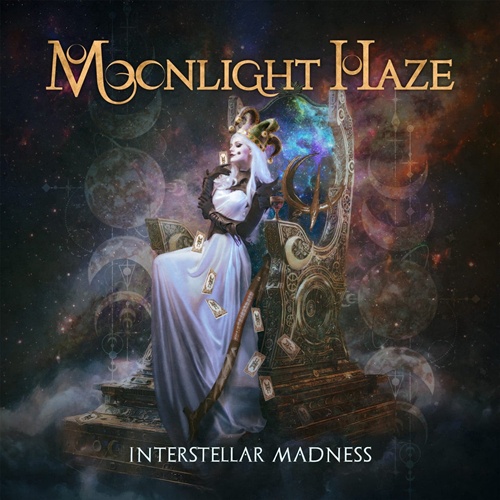
Just twelve months after their previous release, Moonlight Haze return to explore new sonic galaxies with “Interstellar Madness”, the new EP released through Scarlet Records. Expanding even further their blend of symphonic power metal, cosmic imagery and introspective storytelling, the band once again proves its ability to merge cinematic grandeur with emotional depth. We caught up with Chiara Tricarico, the band’s vocalist, to delve into the origins of a record born from pure instinct yet capable of evoking vast and fascinating worlds worthy of a science-fiction epic.
Welcome, Chiara. Moonlight Haze are back with “Interstellar Madness”, a work that seems to expand your universe even further through space opera, symphonic power and increasingly profound inner visions. Getting straight to the point, what first sparked the creative flame behind this EP, and why did you feel the urge to tell this “interstellar madness” story right now?
Thank you very much for having me! You put it perfectly: we felt the urge to let everyone hear the outcome of our mental journeys! Let me explain. Giulio and I almost always have ideas for new material and spend many hours exchanging inspirations, especially late at night. However, right after recording the demos for these six songs on “Interstellar Madness”, all written rather spontaneously one after another, we immediately perceived them as a whole. We loved them so much that we decided to release this new work exactly one year after our previous album.
Listening to “Interstellar Madness”, the feeling is that of a journey that doesn’t move in a straight line but through emotional orbits. How much did you work on the narrative dynamics between the songs rather than treating each track as an isolated episode?
Well, regarding the title track, the lyrics came to me quite naturally, although I later wanted to let them settle for a while and reread them with a fresh mind. Still, the essence didn’t really change when I picked them up again. As soon as Giulio sent me the demo of the song, I literally went crazy and saw the entire story in my head as if it were a movie. The Italian and Latin parts also came very naturally. The first one, with the almost operatic choir, I could never have imagined in any other language, while the second one, with its cadence resembling a magical formula, immediately resonated in my mind in Latin. All the other songs also felt connected from the very beginning, even though this isn’t a true concept record. There are recurring themes such as exploration and cosmic landscapes that tie everything together in a very natural way.
If you listen closely to the structures of the record, there’s a more layered approach to songwriting compared to the past. Was there a specific moment during the studio sessions or pre-production when you realized the EP was heading in this more theatrical and cinematic direction?
As I mentioned before, everything happened very spontaneously and naturally. Therefore, we simply believe that “Interstellar Madness” represents a very realistic snapshot of the band at this particular moment in time.
Songs such as “Moonlight Legion” evoke imagery reminiscent of a cosmic battle, while other moments focus more on introspection and suspension. How do you balance the epic dimension with the emotional one without allowing either to overpower the other?
I think everything is deeply connected. As a band, we see ourselves as astronauts on an intergalactic journey through the depths of the inner self, and everything you read in the lyrics is like a description of the inner landscapes we see through the windows of our spaceship.
Your voice often emerges as a narrative guide rather than merely a melodic element. How important was it to build the vocal lines as though they were part of a screenplay rather than simply an arrangement?
As I mentioned earlier, it’s as if what I sing is a translation of the images that appear in my mind, resulting both from the instrumental parts and from the ideas those same parts inspire in terms of lyrical content. Therefore, putting myself into the role of a sort of bard who wants to take listeners on a journey through her stories is a natural consequence of this inner process. I’m really glad that this aspect was perceived.
The EP alternates between immediate-impact moments and others that are more expansive and atmospheric. How much room do you currently leave for experimentation compared to the need to maintain a strong identity within symphonic power metal?
Experimentation is absolutely essential for us and it’s one of the aspects we enjoy the most when writing new songs. I also believe that Moonlight Haze are both things at once: we love our short and direct songs just as much as we enjoy leaving room for more experimental and crazy moments.
Considering the involvement of Sascha Paeth and Simone Mularoni, how much has the interaction with figures outside the band influenced choices that may initially have seemed more radical or risky?
We truly believe that the combination of Sascha’s artistic production work and Simone Mularoni’s mixing and mastering is the perfect formula to enhance our music. Sascha always encourages us to experiment with new solutions and has really opened our minds regarding both songwriting and studio recording approaches. Simone, on the other hand, made everything sound incredibly clear and balanced while remaining powerful, without sacrificing the dynamics and authenticity of our work.
During the making of “Interstellar Madness”, did you ever consider cutting or radically transforming a song because it no longer aligned with the overall concept of the record?
No, absolutely never!
Looking at this point in your career, does “Interstellar Madness” represent a stage of consolidation or rather a breaking point toward something that could take you even further away from your current sound?
We always know where we start from, but never where we’ll end up. Only time will be able to answer that question.

