
ENGLISH VERSION BELOW: PLEASE, SCROLL DOWN!
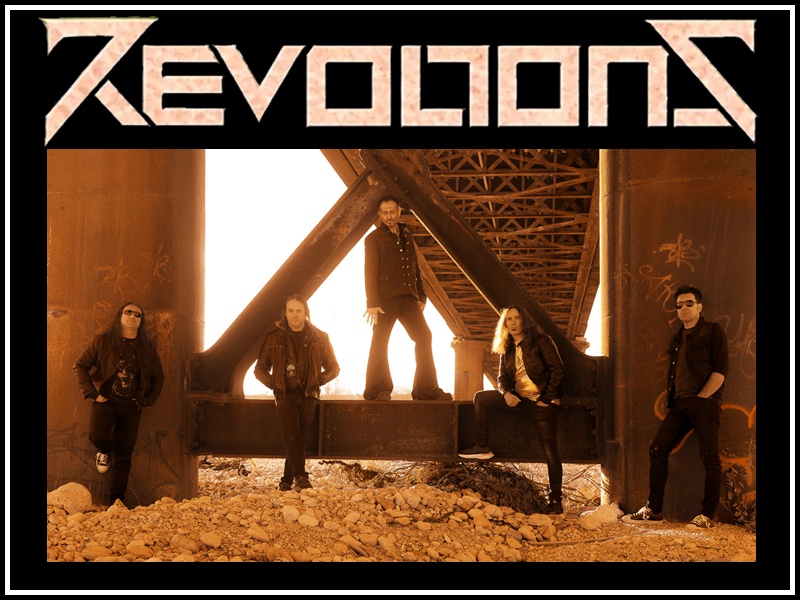
Con oltre vent’anni di carriera alle spalle, i Revoltons tornano con “Seventh Act Of A Death Foretold”, il loro settimo album in studio pubblicato da Elevate Records. Un lavoro che trasforma ferite, cambi di formazione e resilienza in un heavy metal maturo e ricco di significato, affrontando temi come la lotta interiore, la liberazione e la rinascita. Abbiamo dato il benvenuto ad Alex Corona, chitarrista, fondatore e principale autore della band, per approfondire la nascita di questo nuovo capitolo, le collaborazioni che lo hanno impreziosito e le prospettive future dei Revoltons.
Benvenuto, Alex, su Il Raglio Del Mulo e grazie per essere qui con noi. Dopo oltre vent’anni di carriera arrivate al vostro settimo album in studio, “Seventh Act Of A Death Foretold”, un lavoro che affronta temi come la lotta interiore, la liberazione e la rinascita. Qual è stata l’idea che ha dato origine a questo disco e perché rappresenta un momento così importante per i Revoltons?
Ciao e grazie innanzitutto per lo spazio che ci avete concesso. Lotta interiore, liberazione e rinascita sono temi centrali nelle canzoni di questo lavoro. Hai colto perfettamente il punto. Dunque, è il settimo disco, un traguardo davvero importante per noi, e cercavamo un titolo che ci rappresentasse in questa fase della nostra carriera. Elvis, il batterista, è uscito con una frase davvero geniale che rappresenta la storia di questa band e riassume tutti i travagli e le difficoltà che abbiamo attraversato negli anni: “Settimo atto di una morte preannunciata”, appunto. Davvero abbiamo rischiato di chiudere più volte, ma siamo ancora qui. Non siamo ancora morti, anche se tante volte tutto sembrava andare in quella direzione. Quindi sì, è un disco davvero importante: è la sintesi di ciò che è stata la band fino a oggi. È importante anche per il rientro dello storico bassista Alessandro Carli, unico membro presente insieme a me nei primi due album. Anche l’arrivo del nuovo cantante Victor ha portato la band a un livello superiore.
Il titolo dell’album è particolarmente evocativo e sembra suggerire una narrazione ben precisa. Qual è il significato di “Seventh Act Of A Death Foretold” e come si sviluppa il filo conduttore che unisce i tredici brani?
Il significato espresso nella risposta precedente è ben raccontato nelle canzoni, che parlano appunto di lotta interiore, liberazione e rinascita, ma anche di eventi accaduti nella storia della band nel corso degli anni. Non siamo entrati strettamente nei dettagli, ma li abbiamo raccontati come vicende che accomunano tutte le dinamiche relazionali degli esseri umani: odio, tradimenti, cose non dette e molto altro. Alcuni brani affrontano anche fatti di attualità che si legano sempre a questi temi.
Le tredici tracce di “Seventh Act Of A Death Foretold” sembrano accompagnare l’ascoltatore attraverso un percorso emotivo ben definito. Durante la scrittura del disco avete seguito fin dall’inizio una precisa struttura narrativa oppure il concept ha preso forma naturalmente man mano che le canzoni venivano composte?
In realtà non c’è nessun percorso emotivo pianificato a tavolino, abbiamo semplicemente composto seguendo la massima ispirazione. Non abbiamo nemmeno seguito una struttura narrativa particolare, ma ci siamo limitati a trattare vari temi legati all’idea di base. È bello sapere che alcuni, come te, trovino una continuità emotiva: questo ci fa davvero pensare di aver fatto un ottimo lavoro.
L’album è stato registrato, mixato e masterizzato da Ivan Moni Bidin agli Artesonika Studios e vede la partecipazione di numerosi ospiti, tra cui Laura De Luca, Yan Fedyaev, Davide Spessotto e diversi chitarristi solisti. Quanto hanno influenzato queste collaborazioni il carattere del disco e ci sono stati momenti in cui uno degli ospiti ha portato un’idea che ha cambiato la direzione di un brano?
In realtà no. Quando abbiamo fornito le canzoni ai vari ospiti, hanno scritto la loro parte, come l’assolo o altri interventi, arricchendo ogni singolo brano senza cambiarne la direzione complessiva. Ci tengo però a sottolineare il grande lavoro fatto da tutti gli ospiti. Per me, poi, avere Eugene Simone degli Eldritch come ospite è stato un sogno diventato realtà. È uno dei miei chitarristi preferiti in assoluto.
La copertina, realizzata dal vostro batterista Elvis Ortolan, colpisce per il suo forte impatto visivo. Com’è nata l’idea dell’artwork e quanto era importante che rappresentasse visivamente il viaggio raccontato dall’album?
La copertina è ispirata al dipinto di Evelyn De Morgan, “L’Angelo Della Morte”, nel quale l’angelo che si manifesta alla donna ne annuncia la morte. Con l’ultimo cambio di formazione sembrava davvero che tutto fosse finito. L’artwork rappresenta proprio quell’istante preciso ma, come ti dicevo, si adatta perfettamente a tutte le vicissitudini affrontate dai Revoltons in questi vent’anni di carriera.
“Loop Guardians” ha aperto la strada all’album, mentre “Black Mantis” arriva come nuovo singolo accompagnato da un videoclip. Cosa vi ha spinto a scegliere proprio questi due brani per presentare “Seventh Act Of A Death Foretold” al pubblico e cosa raccontano della sua identità?
Guarda, la scelta è stata davvero difficile perché, dei tredici brani, almeno nove si prestano perfettamente alla realizzazione di un videoclip. Abbiamo scelto questi perché adoriamo le tematiche che affrontano. “Loop Guardians” descrive le sovrastrutture interiori che tengono imprigionato l’essere umano nella propria mente, impedendogli di raggiungere la libertà. “Black Mantis”, invece, racconta di quando si perde la propria identità all’interno di una relazione tossica, con tutte le conseguenze del caso. Comunque abbiamo in programma la realizzazione di numerosi altri singoli accompagnati dai rispettivi videoclip. Tutti i brani raccontano l’identità del disco.
Sette album e oltre vent’anni di attività significano anche una lunga evoluzione artistica. Se poteste far ascoltare un solo brano di “Seventh Act Of A Death Foretold” a chi non ha mai sentito i Revoltons, quale scegliereste e perché ritenete che rappresenti al meglio la band di oggi?
Sicuramente la title track. Riassume tutto ciò che siamo stati a livello stilistico nel corso degli anni e racconta anche la storia della band.
Nel corso degli anni avete condiviso il palco con numerose realtà della scena rock e metal. C’è un episodio, un concerto o un incontro che ricordate come particolarmente significativo e che, in qualche modo, ha lasciato un segno anche nel vostro percorso artistico?
Sicuramente l’apertura del concerto di Blaze Bayley nel 2004 e averlo poi come ospite sul nostro quinto album, “Underwater Bells Pt. 2: October 9th 1963 – Act 1”, concept album ispirato alla tragedia del Vajont. Ho sempre adorato “The X Factor” degli Iron Maiden e, per me, è stato un sogno che si realizzava poter interagire e lavorare con lui. Poi ci sono stati tutti i concerti realizzati negli anni, soprattutto quelli nell’Europa dell’Est, dove siamo sempre stati seguiti con grande interesse.
“Seventh Act Of A Death Foretold” rappresenta un nuovo capitolo della vostra storia. Guardando al futuro, quali sono gli obiettivi che vi siete prefissati e in quale direzione immaginate possa evolversi il sound dei Revoltons nei prossimi anni?
“Seventh Act Of A Death Foretold” rappresenta un nuovo punto zero da cui ripartire. Coprirà un ciclo di almeno tre anni prima che si inizi a parlare di un nuovo lavoro. Vogliamo portarlo in giro il più possibile, sia in Italia sia all’estero. Abbiamo già moltissime novità al riguardo che annunceremo alla fine dell’estate. Il sound? Beh, questo ancora non lo sappiamo. Si evolve sempre. Lo vedremo a tempo debito.

After more than twenty years on the road, Revoltons return with “Seventh Act Of A Death Foretold”, their seventh full-length album, released through Elevate Records. A record forged through resilience, line-up changes and hard-earned experience, it channels inner struggles, liberation and rebirth into a powerful and deeply personal heavy metal statement. We welcomed Alex Corona, guitarist, founder and driving force behind the band, to talk about the making of the album, its meaning, the people who helped shape it and what lies ahead for Revoltons.
Welcome, Alex, to Il Raglio Del Mulo, and thank you for joining us. After more than twenty years together, you’ve reached your seventh studio album, “Seventh Act Of A Death Foretold”, a record that explores themes such as inner struggle, liberation and rebirth. What was the original idea behind this album, and why does it represent such an important milestone for Revoltons?
Hi, and first of all, thank you for giving us the opportunity to be here. Inner struggle, liberation and rebirth are the core themes running through the songs on this album. You nailed it. This is our seventh record, a truly important milestone for us, and we were looking for a title that could represent where we are at this stage of our career. Elvis, our drummer, came up with a brilliant phrase that perfectly sums up this band’s story and all the hardships we’ve gone through over the years: “Seventh Act Of A Death Foretold.” We really came close to calling it quits several times, but we’re still here. We’re not dead yet, even though there were moments when everything seemed to be heading in that direction. That’s why this album means so much to us: it’s the perfect summary of everything this band has been up to this point. It’s also important because it marks the return of our original bassist Alessandro Carli, the only member besides myself who played on our first two albums. On top of that, the arrival of our new singer Victor has taken the band to another level.
The album title is particularly evocative and seems to suggest a very specific narrative. What does “Seventh Act Of A Death Foretold” really mean, and how does that concept tie together the thirteen songs?
The meaning I explained before is reflected throughout the songs, which deal with inner struggle, liberation and rebirth, but also with events that have happened throughout the band’s history. We didn’t want to describe those episodes too literally. Instead, we turned them into stories that anyone can relate to, touching on emotions and situations that are part of every human relationship: hatred, betrayal, things left unsaid and much more. Some songs also deal with current events, always connected to those same underlying themes.
The thirteen tracks on “Seventh Act Of A Death Foretold” seem to take the listener on a very defined emotional journey. Did you have that narrative structure in mind from the beginning, or did the concept evolve naturally as the songs came together?
Actually, there wasn’t any emotional journey planned from the start. We simply wrote the music following our inspiration. We didn’t set out to build a specific narrative either; we just explored different aspects of the central idea behind the album. It’s great to hear that listeners like you can feel an emotional continuity throughout the record. That really makes us think we’ve done a good job.
The album was recorded, mixed and mastered by Ivan Moni Bidin at Artesonika Studios and features several special guests, including Laura De Luca, Yan Fedyaev, Davide Spessotto and a number of lead guitar players. How much did these collaborations influence the character of the album, and was there ever a moment when one of the guests brought in an idea that changed the direction of a song?
Not really. Once we sent the songs to the guest musicians, they wrote their own parts, whether it was a guitar solo or another contribution, adding something unique to each track without changing its overall direction. I’d really like to highlight the amazing job every single guest did. As for me, having Eugene Simone from Eldritch on the album was a dream come true. He’s one of my all-time favourite guitar players.
The cover artwork, created by your drummer Elvis Ortolan, immediately stands out because of its powerful visual impact. How did the idea behind the artwork come about, and how important was it for it to visually represent the journey told throughout the album?
The artwork is inspired by Evelyn De Morgan’s painting “The Angel Of Death”, where the angel appears before a woman to announce her death. After our latest line-up change, it honestly felt like everything was over. The artwork captures that exact moment, but, as I mentioned before, it also perfectly represents all the ups and downs the Revoltons have faced throughout these twenty years of existence.
“Loop Guardians” introduced the album, while “Black Mantis” arrived as the latest single accompanied by a music video. What made these two songs the right choice to introduce “Seventh Act Of A Death Foretold” to the audience, and what do they reveal about the album’s identity?
Honestly, it was an incredibly difficult choice because, out of the thirteen tracks, at least nine would have worked perfectly as singles with a video. We picked these two because we absolutely love the themes they explore. “Loop Guardians” is about the mental constructs that trap human beings inside their own minds, preventing them from achieving true freedom. “Black Mantis”, on the other hand, tells the story of losing your own identity within a toxic relationship and dealing with all the consequences that come with it. That said, we’re already planning several more singles, each with its own video. Every song on the album reflects a different facet of its identity.
Seven albums and more than twenty years of activity also mean a long artistic evolution. If you could play just one song from “Seventh Act Of A Death Foretold” to someone who has never heard Revoltons before, which one would you choose, and why do you think it best represents the band today?
Without a doubt, the title track. It sums up everything we’ve been, stylistically speaking, throughout the years, while also telling the band’s own story.
Over the years you’ve shared the stage with many bands from the rock and metal scene. Is there a particular concert, meeting or experience that left a lasting mark on you and somehow influenced your artistic journey?
Definitely opening for Blaze Bayley back in 2004, and later having him as a guest on our fifth album, “Underwater Bells Pt. 2: October 9th 1963 – Act 1”, a concept album inspired by the Vajont Dam disaster. I’ve always loved “The X Factor” by Iron Maiden, so being able to meet him and work with him was truly a dream come true. Beyond that, every show we’ve played over the years has been important, especially those in Eastern Europe, where we’ve always received an incredible response from the audience.
“Seventh Act Of A Death Foretold” marks a brand-new chapter in your story. Looking ahead, what goals have you set for the band, and where do you see the sound of Revoltons evolving in the coming years?
“Seventh Act Of A Death Foretold” represents a brand-new starting point for us. This album will define at least the next three years before we even begin thinking about another record. Our goal is to bring it to as many stages as possible, both in Italy and abroad. We’ve already got a lot of exciting news in the works, which we’ll be announcing towards the end of the summer. As for the sound… honestly, we don’t know yet. It has always evolved naturally from one album to the next, so we’ll find out when the time is right.

