
ENGLISH VERSION BELOW: PLEASE, SCROLL DOWN!
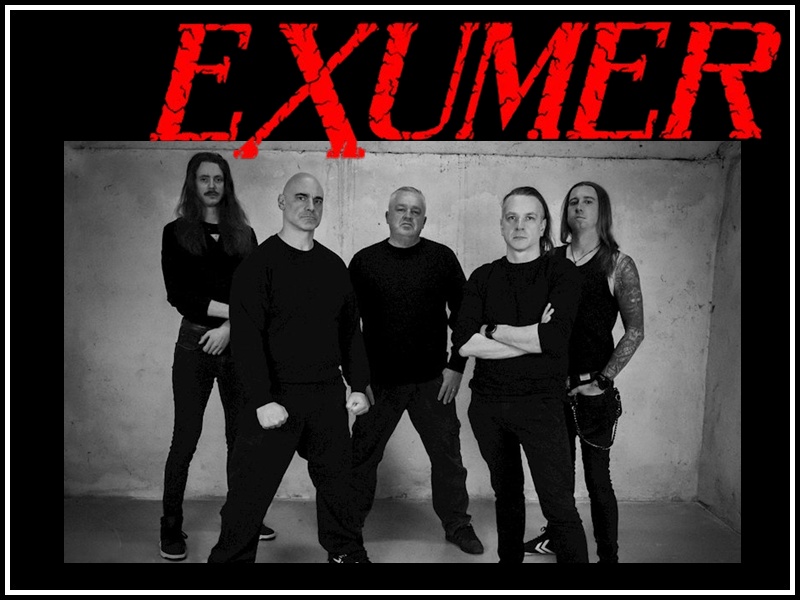
Dopo quasi quarant’anni di carriera, gli Exumer continuano a dimostrare che il thrash metal può ancora colpire duro, con ferocia e convinzione. Guidata da Marc B. alla chitarra, la band tedesca torna con “Death Mask Messiah”, il sesto album in studio pubblicato da Metal Blade Records, un disco che combina aggressività, atmosfere oscure e quell’approccio diretto che da sempre caratterizza il loro sound. In questa intervista Marc racconta la nascita dell’album, la collaborazione con Arthur Rizk, l’arrivo della nuova sezione ritmica e il ruolo degli Exumer nel nuovo capitolo della storia del thrash metal.
Ciao Marc, benvenuto su Il Raglio Del Mulo e grazie per aver trovato il tempo di parlare con noi. “Death Mask Messiah” rappresenta il sesto album in studio degli Exumer e presenta un approccio più aggressivo e diretto, pur rimanendo fedele all’eredità della band. Dal tuo punto di vista, essendo uno dei principali autori dei brani dell’album, quali sono state le idee chiave che hanno dato forma a questo disco fin dall’inizio?
Ciao Giuseppe, grazie per avermi invitato. Di solito partiamo da un paio di riff ben assortiti che alla fine diventano il nucleo portante di una canzone. Una volta raggiunto questo punto, le idee chiave emergono più o meno da sole. Quando suoni riff che senti tuoi, l’approccio al brano inizia a prendere forma naturalmente. Dopo aver scritto i primi riff abbiamo percepito immediatamente che “Death Mask Messiah” aveva un approccio più diretto, che suonava più intenso e aggressivo rispetto al suo predecessore. In realtà, la sensazione era abbastanza simile a quella che avevamo avuto quando avevamo iniziato a lavorare su “The Raging Tides”.
L’album combina tematiche ispirate ai recenti eventi politici e sociali con la storia di David Koresh e dell’assedio di Waco. Come chitarrista e autore, quanto hanno influenzato questi concetti oscuri e complessi il tuo modo di approcciarti ai riff e all’atmosfera generale della musica?
Sicuramente influenzano il modo in cui scrivo i miei assoli e le mie melodie. Quando si tratta dei riff e della struttura portante del brano, di solito quelli arrivano per primi. Con “Death Mask Messiah” è stato un po’ diverso, perché Mem era molto coinvolto nell’intero concept già nelle fasi iniziali. Abbiamo parlato molto, ad esempio, del concept del video o della sua interpretazione personale dell’assedio di Waco. Quindi sì, questo ha sicuramente influenzato la nostra musica, ma in modo più sottile.
La scrittura di “Death Mask Messiah” si è sviluppata nell’arco di diversi anni, dal 2021 al 2025. Guardando indietro a quel processo, c’è stata una canzone che ha preso una direzione inaspettata o che si è evoluta più di tutte prima di arrivare alla sua forma definitiva?
Anche se il periodo è stato lungo, la scrittura del nucleo dell’album non ci ha richiesto molto più tempo rispetto agli altri dischi. Purtroppo abbiamo avuto la pandemia, alcuni cambiamenti importanti nelle nostre vite private e anche alcuni cambiamenti nella formazione. Quindi abbiamo deciso di prenderci il tempo necessario per affrontare prima tutti gli ostacoli che si sono presentati tra noi e il disco finale. Direi che il brano che è cambiato di più durante questo processo è stato “Sin Bleeder”. Quando abbiamo iniziato a lavorare sui riff avevamo moltissimi cambi di tempo dispari e spostamenti di accento che cercavano letteralmente di entrare a forza nella canzone definitiva. Alla fine era diventata impossibile: non riuscivamo nemmeno a ricordare correttamente tutti i cambi. Sono contento che l’abbiamo resa più semplice, riportandola al nostro stile abituale, essenziale e diretto. È diventata una vera macchina da guerra, e dubito che sarebbe venuta così bene se nessuno nella band fosse riuscito a contare tutte le battute.
Il disco è stato prodotto da Dominic Paraskevopoulos e mixato e masterizzato da Arthur Rizk, entrambi conosciuti per produzioni metal potenti ma allo stesso tempo organiche. In che modo lavorare con loro ha aiutato a dare vita alla visione degli Exumer e cosa hanno aggiunto al suono finale?
Come forse sai, Matthias, il nostro ultimo batterista, lavora come drum tech per i Kreator. Ha conosciuto Arthur durante la produzione di “Hate Über Alles”: si è scoperto che Arthur è un fan degli Exumer della vecchia scuola. E, dato che soprattutto Mem e io siamo grandi fan del suo lavoro, ad esempio con Enforced e Power Trip, lo abbiamo convinto a occuparsi della produzione del nostro prossimo album. Come hai detto tu, il loro lavoro ha un suono più organico, generalmente combinato con una grande dinamica. Volevamo avere un suono un po’ diverso rispetto agli ultimi album, che avevamo realizzato tutti con Waldemar Sorychta e Dennis Köhne (o con Dennis da solo nel caso di “Hostile Defiance”). Quindi questa volta sentivamo il bisogno di puntare su cavalli diversi, e secondo me la scelta ha dato ottimi risultati.
Questo è il primo album degli Exumer con Alex Voss e Jerome Reil nella sezione ritmica. Da musicista che lavora a stretto contatto con gli arrangiamenti delle chitarre, quanto ha influenzato il loro arrivo la chimica della band e il modo in cui i brani hanno preso forma?
È come unire i puntini: chitarre, riff e idee vocali sono solitamente i punti, mentre batteria e basso creano i collegamenti. La batteria di Jerome è molto intensa, davvero veloce e piena di energia. Aggiunge moltissime spezie diverse e piccoli dettagli nascosti ai brani, rendendoli pezzi che vale la pena ascoltare più volte. Anche il modo di suonare il basso di Alex è più solido e collegato ai groove. Entrambi hanno contribuito molto agli arrangiamenti delle canzoni e hanno fatto diventare la nostra chimica qualcosa di nucleare!
Una delle sorprese dell’album è la vostra cover di “Unchained Angel” dei Nasty Savage, con la partecipazione dello stesso Nasty Ronnie. Considerando che gli Exumer hanno suonato con i Nasty Savage nel 1988, cosa ha reso questo il momento giusto per rendere omaggio a quella storia condivisa e com’è stato collaborare con Ronnie dopo tutti questi anni?
Mem e Ray parlavano da anni della possibilità di fare una cover di quella canzone. Io non ero con loro nel 1988, ma capisco perfettamente perché volessero lavorare proprio su quella versione del brano (abbiamo preso come riferimento la versione demo). Quando Mem ci ha detto che Ronnie avrebbe partecipato, eravamo tutti gasatissimi.
Gli Exumer hanno sempre saputo bilanciare velocità, aggressività e riff memorabili. Guardando nello specifico a “Death Mask Messiah”, quale riff o sezione di chitarra ti rende personalmente più orgoglioso e cosa lo rende speciale per te come chitarrista?
Mi piace molto come è venuta “Eradication”. Non è una tipica canzone degli Exumer ed è bello vedere come si inserisca perfettamente nell’album nel suo insieme. Sono anche orgoglioso della controparte melodica in “Allocated Savagery”. Quando stavamo lavorando su quell’idea inizialmente non mi convinceva molto perché la consideravo troppo sdolcinata, ma adoro il risultato finale. È stata la prima volta che abbiamo registrato più di due livelli diversi di chitarra e li abbiamo arricchiti con armonie davvero sdolcinate: ben fatto, signor Mensh e signor B., ahah.
Il thrash metal sta vivendo un rinnovato interesse, con band storiche e di nuova generazione capaci di attirare pubblico entusiasta. Avendo vissuto il genere dai suoi primi giorni fino a oggi, cosa ti entusiasma maggiormente dello stato attuale del thrash e come vedi gli Exumer inserirsi in questo nuovo capitolo?
Mi piace vedere così tanti giovani tra il nostro pubblico. Inoltre, nel pit ci sono sempre molte ragazze con i gilet pieni di patch, e questo è un enorme passo avanti per lo sviluppo della scena nel suo insieme. È ancora selvaggio e caotico, ma direi che dal punto di vista culturale è diventato più aperto e meno tossico. Sono felice e orgoglioso che riusciamo ancora a essere parte di questa scena: finché continueremo a farne parte, ci godremo questa realtà tanto quanto loro si godono noi.
Con “Death Mask Messiah” pronto a raggiungere fan in tutto il mondo, quali sono gli obiettivi principali della band per i prossimi mesi e ci sono già idee che stanno iniziando a prendere forma per il prossimo capitolo del viaggio degli Exumer?
Abbiamo iniziato a collaborare con una nuova agenzia di booking, Dragon Productions, e stiamo lavorando su festival e tour per il prossimo anno. Per noi questo anno è praticamente già impegnato: lavorare al disco è stato un carico enorme e in qualche modo non siamo riusciti a concentrarci sulle prenotazioni dei concerti nel modo giusto. Però accettiamo comunque quello che arriva, quindi tenete gli occhi e le orecchie aperti per qualche show inaspettato nel 2026.
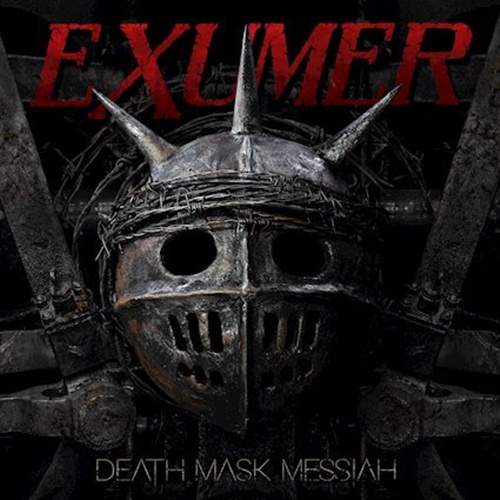
After almost forty years of career, Exumer continue to prove that thrash metal can still bite with ferocity and conviction. With Marc B. handling guitars and songwriting duties, the German band returns with “Death Mask Messiah”, their sixth studio album released through Metal Blade Records, a record that combines aggression, dark atmospheres and the direct approach that has always defined their sound. In this interview, Marc talks about the birth of the album, the collaboration with Arthur Rizk, the arrival of the new rhythm section and Exumer‘s role in the new chapter of thrash metal.
Hi Marc, welcome to Il Raglio Del Mulo, and thank you for taking the time to speak with us. “Death Mask Messiah” marks Exumer’s sixth studio album and presents a more aggressive and direct approach while staying true to the band’s legacy. From your perspective as one of the album’s main songwriters, what were the key ideas that shaped this record from the very beginning?
Hi Giuseppe, thanks for having me. Usually we start with a couple of well assorted riffs that will eventually make the core idea of song. Once accomplished the key ideas emerge more or less on their own. When you play riffs that suit you the approach to a song actually crystallizes itself. After the first couple of riffs we wrote we instantly felt that Death Mask has a more direct approach, felt more intense and aggressive compared to its predecessor. Actually, it felt quite similar to when we started work on The Raging Tides.
The album combines themes inspired by recent political and social events with the story of David Koresh and the Waco siege. As a guitarist and songwriter, how did those dark and complex concepts influence the way you approached the riffs and the overall atmosphere of the music?
It definitely shapes the way I write my solos and melodies. When it comes to riffs and the core structure of the song, they usually come first. With Death Mask it was a bit different as Mem was very much into the whole concept at the very earliest stages. We talked a lot about the concept for the video for example or about his whole interpretation of the Waco siege. So, yes, this definitely shaped our music, but in a more subtle way.
Songwriting for “Death Mask Messiah” stretched over several years, from 2021 to 2025. Looking back at that process, was there a particular song that took an unexpected direction or evolved the most before reaching its final form?
Even though it was a long stretch, writing the core of the album didn’t take us much longer than with the other ones. Unfortunately, we had the pandemic, some crucial changes in our private lives and some changes in our line-up as well. So we took our time to focus on any obstacles that appeared between us and the final record and faced them first. The song that changed most during that process was “Sin Bleeder” I would say. When we started with the riffs we had lots of odd time signatures and accent shifts that literally tried to force into the finished song. So, it became unplayable – we even weren’t able to memorize all the changes correctly. I am glad we jazzed it down to our usual basic and simplistic style. It became a pure rager, I doubt if it would have turned out so well when no one in the band would have been able to count its measures.
The record was produced by Dominic Paraskevopoulos and mixed and mastered by Arthur Rizk, both well known for capturing powerful yet organic metal productions. How did working with them help bring Exumer’s vision to life, and what did they contribute to the final sound?
As you might know, Matthias, our last drummer, works as drum tech for Kreator. He met Arthur during their production of Hate Über Alles – turns out Arthur is a fan of old-school Exumer. And, since especially Mem and I are huge fans of his work for example with Enforced or Power Trip, we talked him into the production of our next album. It is like you said, their work sounds more organic, usually combined with a powerful dynamic. We wanted to sound a bit different than on our last albums which we all did with Waldemar Sorychta and Dennis Köhne (or Dennis alone regarding Hostile Defiance). So, we felt the urge to bet on different horses this time, which in my opinion turned out very well.
This is the first Exumer album featuring Alex Voss and Jerome Reil as the rhythm section. As someone working closely with the guitar arrangements, how did their arrival influence the chemistry of the band and the way the songs ultimately came together?
It’s like connecting the dots – guitars, riffs and vocal ideas are usually the dots, drums and bass do the connections. Jerome’s drums are very intense, really fast and playful. They add lots of different spices and hidden gems to the songs that make them worth listening to on repeat. Also Alex’s bass playing feels more grounded and connected to the grooves. They both contributed a lot to the arrangements of the songs – and made our chemistry turn nuclear!
One of the album’s surprises is your cover of Nasty Savage’s “Unchained Angel”, featuring Nasty Ronnie himself. Considering that Exumer toured with Nasty Savage back in 1988, what made this the right moment to pay tribute to that shared history, and what was it like collaborating with Ronnie after all these years?
Mem and Ray have been talking about a cover of that song for years. I wasn’t with them in 1988, but I do get why they were digging into especially that version of the song (we took the demo version as reference). When Mem announced that Ronnie was on board, we all were hyped.
Exumer has always balanced speed, aggression and memorable riff writing. Looking specifically at “Death Mask Messiah”, which guitar riff or section are you personally most proud of, and what makes it special to you as a guitarist?
I like the way “Eradication” turned out. That’s not a typical Exumer song and it’s cool to see that it totally fits with the album as a whole. Also I am proud of that melodic counterpart in “Allocated Savagery”. When we were working on that idea I wasn’t really into it since I deemed it too cheesy – but I love the final result. It was the first time that we recorded more than two different guitar layers and spiced them with some really cheesy harmonies – well done, Mr. Mensh and Mr. B., haha.
Thrash metal is currently enjoying renewed attention, with both legendary and younger bands attracting enthusiastic audiences. Having witnessed the genre from its early days until today, what excites you the most about the current state of thrash, and how do you see Exumer fitting into this new chapter?
I like to see so many young people in our crowd. Also, there’s always lots of girls in vests with patches in the pit which is a huge step forward for the development of the scene as a whole. It’s still wild and chaotic though, but I’d say it has become more biased and less toxic from a cultural perspective. I am glad and proud we still fit, as long as we do we will be enjoying the scene as much as they enjoy us.
With “Death Mask Messiah” ready to reach fans around the world, what are the band’s main goals over the coming months, and are there already ideas beginning to take shape for the next chapter in Exumer’s journey?
We teamed up with a new booking agency (Dragon Productions) and are working on festivals and tours for the next year. This year is spent for us, working on the record was a huge load and somehow we weren’t able to concentrate on proper bookings. But, we do take what comes along though, so keep your eyes and ears open for some unexpected shows in 2026.

