
ENGLISH VERSION BELOW: PLEASE, SCROLL DOWN!
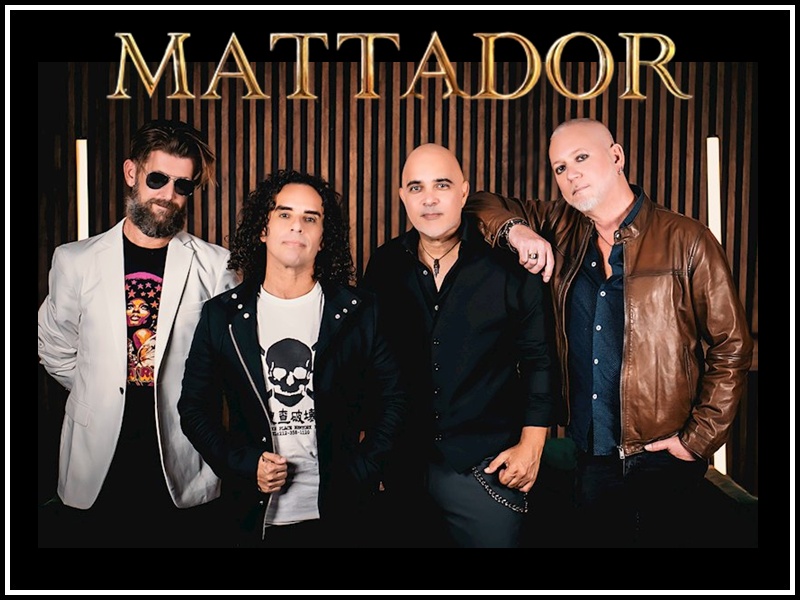
Dopo oltre vent’anni di silenzio discografico, i Mattador tornano a colpire con “III”, un album che non si limita a celebrare una reunion, ma dimostra come il tempo possa trasformarsi in esperienza, maturità e nuova linfa creativa. Pubblicato da Frontiers Music Srl, il disco fonde hard rock melodico, intensità emotiva e grande personalità, riportando la band sotto i riflettori con una proposta attuale e convincente. Ne abbiamo parlato con Mike Villegas, Carlos Benitez e Miguel “Tito” Rodriguez, che ci hanno raccontato la rinascita della band, il lungo percorso che ha portato alla realizzazione di “III” e le prospettive di questa nuova avventura.
Ciao e grazie per essere con noi. Partendo dal ritorno dei Mattador con il nuovo album “III”, pubblicato il 19 giugno 2026 da Frontiers Music dopo una lunga pausa iniziata negli anni Novanta e la reunion del 2022, quanto è stato importante ritrovare la vostra identità sonora originale e plasmarla in un disco così ricco e contemporaneo?
Mike Villegas: È stato importantissimo. Quando abbiamo iniziato a parlare della possibilità di riunirci e realizzare un nuovo album, ci siamo ritrovati a Porto Rico per suonare insieme qualche brano e capire quali fossero le sensazioni. È stato come se non ci fossimo mai fermati! L’alchimia e il feeling erano ancora lì. Non solo, tutti erano diventati enormemente più preparati come musicisti. Anni di esperienza sono emersi spontaneamente durante quelle jam session. Non solo suonava tutto alla grande, ma ci stavamo anche divertendo un sacco!
In “III” passate da power ballad, momenti acustici e brani molto più aggressivi come “Out For Blood”. Come siete riusciti a bilanciare le vostre radici hard rock con influenze melodiche più moderne senza perdere coerenza, sia dal punto di vista sonoro sia da quello narrativo?
Mike Villegas: Con questo album volevamo creare qualcosa che rispecchiasse davvero le nostre esperienze di vita. Abbiamo vissuto tanto e abbiamo molte storie da raccontare. La musica riflette ognuna delle storie che abbiamo deciso di inserire nel disco. Alcune sono dure, altre più delicate, altre ancora introspettive. E nel caso di “Some Kind Of Crazy”, allo stesso tempo divertenti e terrificanti. Ahah!
A proposito di “Out For Blood”, nato inizialmente come demo strumentale e poi evolutosi anche grazie a eventi globali come la guerra in Ucraina, quanto è stato naturale trasformare un’idea puramente musicale in un brano dal peso emotivo e simbolico così forte?
Mike Villegas: Mi sento naturalmente portato a scrivere di eventi che mi hanno colpito direttamente oppure indirettamente attraverso persone che conosco. Ho vissuto in Romania, Paese confinante con l’Ucraina, per sette anni e lì ho conosciuto molti ucraini. Ho anche visitato città splendide come Leopoli e Kiev. Quando è scoppiata la guerra ero terrorizzato per i miei amici e li ho contattati subito per sapere come stavano e cosa stessero vivendo. Le loro risposte erano tutte molto simili: restare in piedi e difendere la propria nazione a qualunque costo. Quelle parole sono bastate perché il brano prendesse forma nel giro di pochi minuti. Sono rimasto profondamente colpito dal loro coraggio e dalla loro determinazione. E lo sono ancora oggi.
Considerando il lavoro in produzione con Bob St. John, noto per le collaborazioni con band come Extreme e Collective Soul, quanto ha inciso la sua esperienza nel plasmare il sound organico e meno standardizzato di “III” rispetto alle tipiche produzioni melodic rock di oggi?
Mike Villegas: Bob è una vera benedizione. È incredibilmente metodico e la sua attenzione ai dettagli è impressionante! Ma la cosa più bella è la sua umiltà e il fatto che sia una persona davvero splendida, sia con cui lavorare che con cui passare del tempo. Questo progetto è stato reso ancora più complicato dal fatto che tutti i membri della band vivono in parti diverse del mondo. Ognuno di noi ha registrato le proprie parti nel proprio home studio e le ha inviate a Bob e Carlos a Miami, dove hanno assemblato le tracce, curato il mix e fatto sì che tutto suonasse alla grande. Sinceramente non credo che ci sia un altro produttore che avrebbe potuto fare un lavoro migliore.
Carlos Benitez: Oh, noi adoriamo Bob! È un po’ il George Martin, il “quinto Beatle” dei Mattador. Lo conosco e lavoro con lui su vari progetti da tanti anni. Quando è arrivato il momento di scegliere la persona giusta per produrre questo album, è stato naturale pensare a lui. Abbiamo un ottimo rapporto e una comunicazione fantastica… anche quando litighiamo! Ahah! Grazie alla sua enorme esperienza e competenza è stato fondamentale per realizzare la nostra visione: creare un disco dal suono organico ed espressivo, senza rinunciare all’impatto. È un album ricco di emozioni e dinamiche, quindi una produzione naturale era la strada giusta da seguire. Inoltre volevamo distinguerci da gran parte delle produzioni che si sentono oggi. Abbiamo deciso di seguire questa filosofia ancora prima di alzare il primo fader in studio. Siamo davvero molto soddisfatti del risultato. A volte ci siamo fatti impazzire a vicenda, ahah, ma alla fine ne è uscito un gran bel disco.
Il vostro background comprende importanti tournée internazionali e la condivisione del palco con band come Aerosmith e Iron Maiden. In che modo questa esperienza ha influenzato il vostro approccio attuale sia in studio che nella scrittura dei brani?
Mike Villegas: Credo che ci abbia resi molto più professionali e responsabili nei confronti del nostro lavoro. Quando sei giovane è facile cadere nelle trappole che ti si presentano davanti. Tutti vogliono fare festa con te ed è facile commettere errori che possono compromettere la tua capacità di dare il massimo. Con l’esperienza che abbiamo oggi, quelle trappole sono molto più evidenti e questo rende molto più semplice evitarle o aggirarle del tutto.
Con l’ingresso di Abraham Millet al basso e alle tastiere, come si è evoluta la dinamica interna della band e in che modo il suo contributo ha ampliato la tavolozza sonora di “III”?
Mike Villegas: Abraham è stata una grandissima sorpresa per me. Carlos lo ha portato nello studio di Miami per registrare il basso in un brano, credo fosse “Levitate”. Avevano già lavorato insieme nei concerti dal vivo e si conoscevano molto bene. Quando ho sentito la linea di basso che aveva registrato, sono rimasto senza parole per la sua componente melodica. Era come se il basso stesse cantando! In quel momento ho capito che questo ragazzo doveva assolutamente suonare in tutto l’album e diventare un membro dei Mattador. Non c’erano dubbi.
Carlos Benitez: Oh, Abe è arrivato proprio al momento giusto! È stata davvero una benedizione. È un musicista di enorme talento e uno dei miei migliori amici. L’ho conosciuto intorno al 2014 e abbiamo legato immediatamente, sia dal punto di vista musicale che personale. Abbiamo iniziato a scrivere e registrare musica insieme poche settimane dopo esserci conosciuti. È una forza creativa incredibile, ha un gusto musicale straordinario e un ammirevole senso del ritmo e della melodia. Quando si è presentata l’occasione di trovare un nuovo bassista, non ho avuto alcun dubbio nel proporgli di unirsi alla band. Non mi è venuto in mente nessun altro oltre ad Abe. Porta tantissimo ai Mattador: è un polistrumentista con anni di esperienza come musicista professionista nella scena di Las Vegas e ha suonato in tour con i Third Eye Blind e molti altri. È entrato subito in sintonia con la musica che avevamo scritto per “III”. La sua performance è solida, ricca di gusto e tecnica. E, oltre a tutto questo, è una persona fantastica. Tutti nella famiglia dei Mattador gli vogliono bene. L’atmosfera è davvero speciale. Abbiamo perfino scritto un brano insieme, la bonus track dell’edizione giapponese del nuovo album. Si intitola “Whispers On The Wind”. Ormai è completamente integrato nella band.
Il nuovo album esplora anche territori più atmosferici e progressivi in brani come “Portal” e “Moksha”. Quanto è stato intenzionale questo cambiamento rispetto al vostro sound più diretto degli esordi?
Miguel “Tito” Rodriguez: Siamo sempre stati grandi appassionati di musica strumentale e molte delle nostre band preferite hanno inserito brani strumentali nei loro album. Era qualcosa che abbiamo sempre desiderato fare. Questi pezzi creano un momento particolare all’interno del disco, permettendo all’ascoltatore di fermarsi, riflettere, immaginare melodie e perdersi nella musica in un modo diverso.
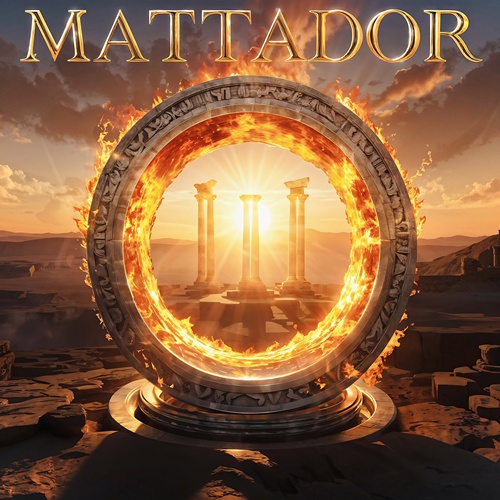
Carlos Benitez: Sì, siamo decisamente amanti della musica strumentale. Con “Portal” abbiamo visto l’opportunità di realizzare un brano che mettesse in mostra le capacità della band anche in questo territorio. In origine il pezzo avrebbe dovuto avere una parte vocale, ma man mano che ci lavoravamo è diventato evidente che aveva una propria identità. Così abbiamo continuato a svilupparne la struttura fino a farlo evolvere in “Portal”, un brano che, allo stesso tempo, si è rivelato perfettamente collegato anche alla copertina dell’album.
Dopo la lunga pausa e la rinascita della band nel 2022, ci sono stati momenti o decisioni chiave in studio che, secondo voi, hanno definito la direzione finale e l’identità dell’album?
Mike Villegas: Fin dall’inizio abbiamo deciso di lasciare che le canzoni crescessero in maniera del tutto naturale. Ognuno di noi ha portato idee che, a volte, erano molto diverse e particolari. Invece di frenarle, ci siamo resi conto che volevamo davvero abbracciarle. Il risultato è stato un sound fresco. Distintivo. Nuovo! Era esattamente ciò che volevamo ottenere.
Guardando al futuro, quali direzioni artistiche immaginate per le prossime uscite dei Mattador e quanto questa nuova fase con Frontiers Music rappresenta il punto di partenza per un’evoluzione internazionale ancora più ampia?
Mike Villegas: Frontiers è stata fantastica con noi fin dal primo giorno. Ha dimostrato una passione incredibile per la nostra musica, una grande determinazione e la volontà di sostenerci in ogni fase del percorso, sempre con pazienza e con un profondo rispetto per il nostro processo creativo. Siamo davvero grati a Mario e Serafino per aver creduto in noi e per aver trasformato quella che doveva essere una semplice reunion “giusto per divertirci” in un’opera pubblicata a livello internazionale. Un album di cui possiamo essere fieri e che sosteniamo con grande entusiasmo. Per quanto riguarda il futuro, stiamo già lavorando ai brani del prossimo disco e non vediamo l’ora di tornare sul palco per fare un po’ di sano RUMORE!
More than two decades after their original run, Mattador return with renewed energy and a clear artistic vision. Released through Frontiers Music Srl, “III” is far more than a reunion album: it is the sound of a band that has transformed years of experience into a mature, dynamic and emotionally charged statement. We caught up with Mike Villegas, Carlos Benitez and Miguel “Tito” Rodriguez to discuss the band’s rebirth, the creative journey behind “III”, and the road that lies ahead for this revitalized hard rock force.
Hi and thank you for joining us. Starting from the return of Mattador with the new album “III”, released on June 19, 2026 via Frontiers Music Srl after a long hiatus that began in the 1990s and a reunion in 2022, how important was it to rediscover your original sonic identity and reshape it into such a rich and contemporary record?
Mike Villegas: It was very important. When we first started talking about the idea of reuniting and making a record, we got together in Puerto Rico to jam some songs and see how it felt. It was like we had never stopped! The chemistry and flow were still there. Not only that, but everyone was so much better at their craft. Years of experience came out during those jam sessions. Not only did it sound great, it was fun!
On “III” you move between power ballads, acoustic moments, and more aggressive tracks like “Out For Blood”. How did you manage to balance your hard rock roots with more modern melodic influences without losing coherence in both sound and narrative?
Mike Villegas: On this album, we wanted to create something that was relevant to our own experiences in life. We have lived long lives and have many stories to tell. The music reflects each one of those stories we decided to tell on this album. Some stories are tough, others tender, and others introspective. And in the case of “Some Kind Of Crazy”, comical and terrifying at the same time. LOL!
Speaking of “Out For Blood”, which began as an instrumental demo and later took lyrical direction influenced also by global events such as the war in Ukraine, how natural was the process of transforming a purely musical idea into a song with such emotional and symbolic weight?
Mike Villegas: I find myself driven to write about things that have either impacted me directly or indirectly through people I know personally. Having lived in Romania, a direct neighbor of Ukraine, for seven years, I met many Ukrainians and visited beautiful cities such as Lviv and Kyiv. When the war began, I was terrified for the friends I had made in Ukraine and immediately contacted them, asking if they were OK and how they felt about it all. Their responses were very much the same: stand tall and defend the nation at all costs. This was enough for the song to materialize in a matter of minutes. I was in awe of their bravery and determination. I still am.
Considering the production work with Bob St. John, known for collaborations with bands like Extreme and Collective Soul, how much did his experience shape the organic and less standardized sound of “III” compared to today’s typical melodic rock productions?
Mike Villegas: Bob is a blessing. He is so methodical and his attention to detail is astounding! And the best part of it all is his humility and simply being such a nice guy, both to work with and to hang out with. This project was made more difficult because all of the members were spread around the world. We each recorded our parts in our home studios and sent them to Bob and Carlos in Miami, where they worked on putting the tracks together, mixing them and making everything sound great. I honestly don’t think any other producer would have been able to do a better job.
Carlos Benitez: Oh, we love Bob! He’s like the George Martin, the “Fifth Beatle” of the band. I’ve known and worked with Bob on different projects for years. So when the time came to choose the right person for this production, he was the obvious choice. We have a good relationship and great communication, even when we fight, hahaha. With his vast knowledge and experience, he was definitely a key element in bringing the vision of having a record that sounded organic and expressive without compromising punch. This is a record with a lot of emotion and dynamics, so a natural-sounding production was the road to take on this one. Plus, we wanted to sound different from all the other stuff that’s out there these days. We embarked on this vision before even moving a fader in the studio, and we feel very pleased with the result. We drove each other crazy at times, haha, but came out with a good one.
Your background includes major international touring experience and sharing stages with bands like Aerosmith and Iron Maiden. How has this history influenced your current approach both in the studio and in songwriting?
Mike Villegas: I feel it has made us much more professional and responsible toward our craft. When you’re young, it’s easy to fall into the traps that are placed in front of you. Everyone wants to party with you, and it’s easy to make mistakes that can affect your ability to perform at your absolute best. With our experience at this stage of our lives, those traps are very apparent and obvious, making it much easier to sidestep them or avoid them altogether.
With the addition of Abraham Millet on bass and keyboards, how has the internal dynamic of the band evolved, and how did his contribution expand the sonic palette of “III”?
Mike Villegas: Abraham was a huge surprise for me. Carlos brought him into the studio in Miami to record bass on one song. I believe it was “Levitate”. They had worked together on live shows and knew each other well. When I heard the bass line he recorded, I was blown away by its melodic quality. It was as if the bass was singing! At that moment I knew… this guy had to be on the entire album and become a member of Mattador. No ifs, ands or buts about it.
Carlos Benitez: Oh, Abe came at the right time! And it’s a blessing, really. He’s such a talented musician and one of my best friends. I met him around 2014 and we clicked right away, both musically and personally. We started writing and recording songs together just weeks after we met. He’s such a creative force and has awesome musical taste, with an admirable sense of rhythm and melody. When the opportunity to bring in a new bass player came up, I didn’t hesitate to ask him to join. No one else came to mind other than Abe. He brings a lot to the table, being a multi-instrumentalist with years of experience as a working musician in the Las Vegas scene and touring with Third Eye Blind and others. He came in and connected so well with the music we wrote for “III”. His performance is solid, tasteful and full of dexterity. On top of that, he’s such a cool dude. Everyone in the Mattador circle loves him. The vibes are great. We even wrote a song together, the bonus track for the Japanese version of our new album. It’s called “Whispers On The Wind”. So he’s fully integrated as a member of the band.
The new album also explores more atmospheric and progressive territories in tracks like “Portal” and “Moksha”. How intentional was this shift compared to your more direct early sound?
Miguel “Tito” Rodriguez: We’ve always been fans of instrumental music, and many of our favorite bands have included instrumental tracks on their albums. It’s something we’ve always wanted to do. These songs create a moment within the album that allows the listener to reflect, imagine melodies and get lost in the music in a different way.
Carlos Benitez: Yes, we’re definitely fans of instrumental music. And with “Portal”, we saw the opportunity to have a track that showcased the band’s abilities in this territory. The song was initially intended to have vocals, but as we started working on it, it became clear that it had a life of its own. So we continued developing the structure until it evolved into “Portal”, which also became connected to the album cover.
After the long break and the band’s rebirth in 2022, were there any key studio moments or decisions that you feel defined the final direction and identity of the album?
Mike Villegas: From the very beginning, we made the decision to allow the songs to grow organically. We all brought something to the table that was, at times, very different and unique. Instead of shying away from that, it became very apparent that we actually wanted to embrace it. The sound was fresh. Distinctive. New! This was exactly what we wanted to achieve.
Looking ahead, what artistic directions do you envision for Mattador’s future releases, and how much does this new phase with Frontiers Music Srl represent a starting point for a broader international evolution?
Mike Villegas: Frontiers have been wonderful to us from day one. They have shown such passion for the music, so much drive and eagerness to encourage us every step of the way, all while being patient with us and showing great respect for our creative process. We are very grateful to Mario and Serafino for believing in us and opening the door for what was supposed to be a quick reunion “just for fun” to become an internationally released work of art, an album we can stand behind with pride and excitement. As for the future, we are already working on songs for the next album and can’t wait to get on stage and make some NOISE!
 Il Raglio del Mulo